
A properly cleaned boiler runs more efficiently, burns less fuel, and gives you a heating season without surprises. That matters everywhere on Long Island but in Smith Point, it matters a little more.
When your home sits between Bellport Bay and Moriches Bay, the salt air that comes with the waterfront lifestyle doesn’t stop at your siding. It works its way into flue liners, metal caps, and exhaust connections over time, accelerating the kind of wear that a standard HVAC tune-up won’t catch. Just one millimeter of soot on your boiler’s heat transfer surfaces can drop efficiency by three to four percent. That’s money leaving through your flue every month the boiler runs dirty.
Most of the homes in Smith Point started as summer bungalows. They weren’t built for year-round heating loads, and the boiler and chimney systems retrofitted into them over the decades range widely in age and condition. Annual boiler cleaning gives you a clear picture of where your system actually stands before a cold snap on William Floyd Parkway makes that question urgent. Getting it cleaned restores efficiency and reduces the strain on a system that, in many Smith Point homes, is already working harder than it was designed to.
We’ve earned an “A” rating with the BBB and an Angie’s List award for six consecutive years. That’s not a one-time snapshot it’s a track record you can verify before you ever pick up the phone.
What sets us apart in a market full of HVAC contractors and oil delivery companies is scope and honesty. Our technicians cover the full system from the burner through the flue to the chimney top and we’ll tell you exactly what the system needs, including when it doesn’t need what you called about. That kind of straight talk is documented in real customer reviews, and it’s especially valuable in Smith Point where aging homes and coastal conditions can generate a lot of unnecessary alarm from contractors looking to sell repairs.
We hold the Suffolk County license required to perform chimney and boiler flue work in this jurisdiction, carry full liability insurance and workers’ compensation, and install only UL-listed materials. If your oil delivery company flagged something near Shirley or out by Smith Point County Park, we’re the specialist equipped to actually address it.
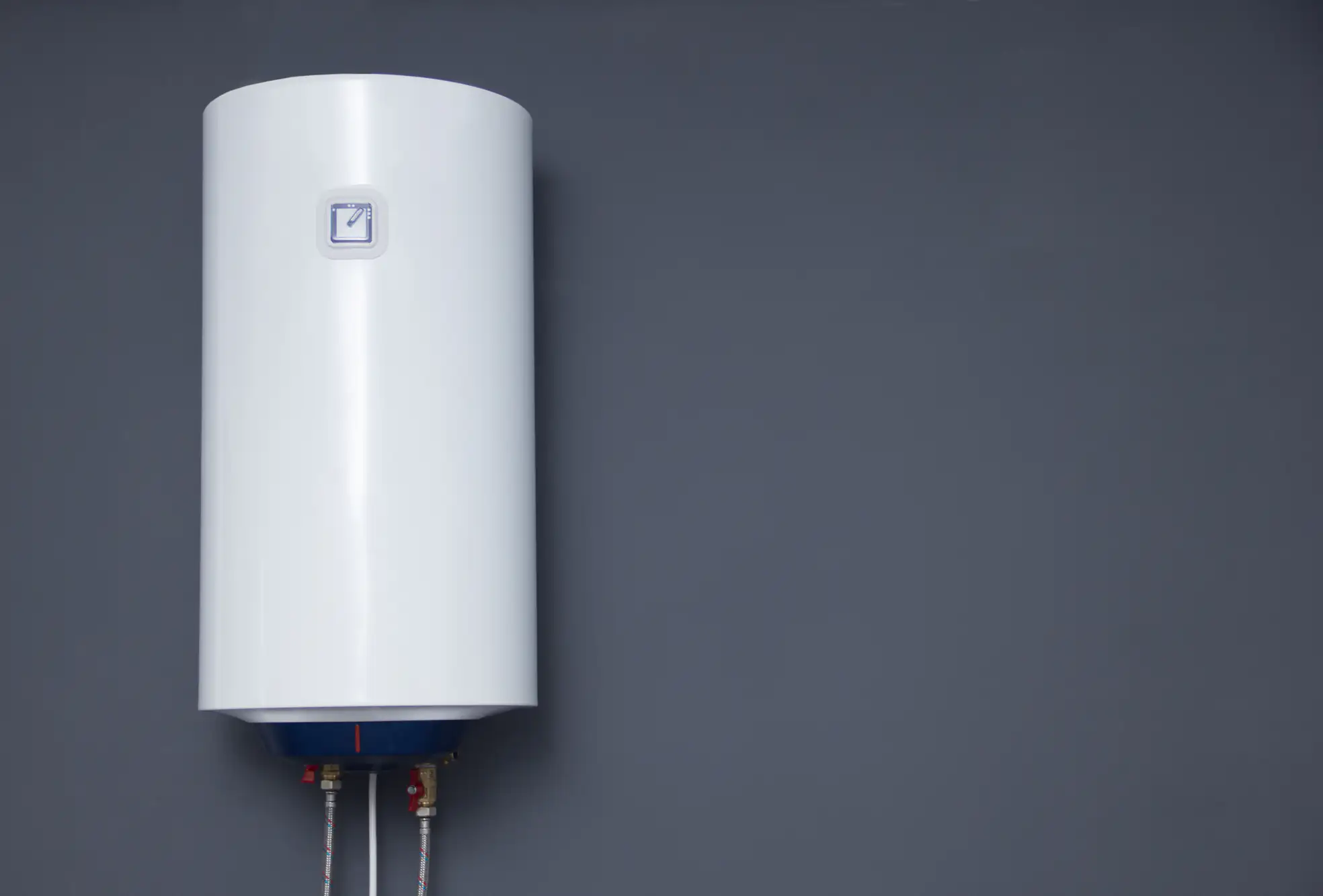
When one of our technicians arrives at your Smith Point home, the first thing we do is a full visual assessment the boiler itself, the piping, the connections, and the exhaust pathway all the way up through the flue. In a coastal community where salt air and bay humidity accelerate corrosion, this inspection step is where problems that would go undetected for years in an inland home get caught early.
From there, the cleaning covers the heat exchanger, burners, and ignition components removing the soot and debris that reduce efficiency and put strain on the system. A combustion analysis follows, which measures and adjusts the air-to-fuel ratio to make sure the boiler is burning cleanly and safely. The flue gets inspected and cleaned as well, which is the part most HVAC contractors skip entirely because it requires chimney expertise, not just HVAC knowledge.
Before the visit wraps up, we test safety controls pressure valves, thermostats, seals, and shutoffs and give you a clear explanation of what was found and what, if anything, needs attention. In Smith Point, where the Town of Brookhaven’s permitting requirements apply to any structural chimney work that follows an inspection, we can walk you through what’s required and what isn’t. The whole visit typically runs one to two hours for a standard residential system.

Ready to get started?
We handle both residential and commercial boiler cleaning in Smith Point, NY and across Suffolk County. Our service covers oil boilers and gas boilers, and it goes well beyond what your oil delivery company includes in a burner tune-up. Oil delivery technicians service the mechanical unit they don’t clean the chimney flue, inspect the liner, or assess the full exhaust pathway. That’s chimney work, and it requires a different set of credentials and equipment.
For Smith Point homes specifically, our service often reveals issues that are more common here than in inland communities: corroded liner sections from years of salt air exposure, deteriorating mortar joints at the chimney crown, and moisture intrusion from the bay-adjacent environment that has worked its way into the flue system. All materials we use in any repair or replacement work following the cleaning are UL-listed, which matters when you’re replacing components in a coastal home where inferior materials fail faster.
We also handle nest and obstruction removal when present, chimney cap inspection, and flashing assessment as part of a thorough visit. If the inspection turns up something that needs repair a liner replacement, repointing, or a new cap you’ll get an honest assessment of what’s actually necessary, not a list of everything that could possibly be done. That’s the same standard we apply across every home we service in the Shirley and Smith Point area, and it’s the reason customers come back year after year.

Once a year is the standard recommendation, and for Smith Point homes, that timeline is worth taking seriously rather than stretching. The combination of an aging housing stock most of these homes started as summer bungalows and were converted to year-round use over the decades and constant exposure to salt air off Bellport Bay and Moriches Bay means your boiler’s exhaust system is under more stress than a comparable system in an inland community like Coram or Holbrook.
Annual cleaning also keeps most boiler warranties intact. Manufacturers typically require documented professional maintenance each year as a condition of warranty coverage, and skipping a season can void that protection entirely. If your system is older or hasn’t been serviced in a while, the first visit may take longer and reveal more than a routine annual cleaning would but that’s exactly the point. You want to know what you’re working with before the heating season starts, not after the heat goes out.
Yes, and the distinction matters more than most homeowners realize. When your oil delivery company sends a technician for an annual tune-up, they’re servicing the burner unit the mechanical component that ignites and burns the fuel. That’s useful, but it’s a fraction of the full system. The chimney flue that carries combustion gases out of your home, the liner running through that flue, the cap at the top, and all the connections in between are a separate system that requires chimney expertise to properly inspect and clean.
In Smith Point, this gap is especially relevant. The oil delivery companies serving the area Blue Flame, Hart Home Comfort, OK Petroleum, and others are in the fuel delivery and burner service business. When one of their technicians tells you there’s a blockage, a nest, or a flue problem, they’re identifying an issue they’re not equipped to fix. That’s chimney work. We cover the part of the system your oil company can’t, and the two services together give you a complete picture of what’s happening from the burner all the way to the chimney top.
A few things are worth paying attention to. If your heating bills have crept up without a clear explanation, that’s often a sign of reduced efficiency from soot buildup on the heat exchanger just a millimeter of accumulation can drop efficiency by three to four percent, which adds up fast over a full heating season. Unusual smells when the boiler kicks on, soot or dark residue around the boiler or flue connections, and longer-than-usual run times to reach your set temperature are all signs the system isn’t performing the way it should.
In Smith Point specifically, there’s another thing to watch for: if your home is bay-adjacent or close to the water, and you’ve noticed rust or corrosion on exterior chimney components, that same process is likely happening inside the flue where you can’t see it. Salt air works its way into liner joints and metal surfaces over time, and the damage isn’t visible until it’s already significant. An annual inspection before the heating season catches that progression early, while it’s still a maintenance issue rather than a safety one.
Yes. We handle both oil boilers and gas boilers for residential and commercial properties throughout Smith Point and the broader Suffolk County area. Oil-fired systems are the dominant heating technology in the Shirley and Smith Point community the active competition among local oil delivery companies makes that clear but gas boiler service is available as well.
The cleaning and inspection process is similar for both fuel types, though the specifics of the combustion analysis and burner adjustment differ. What stays consistent is the scope: we cover the full system from the burner through the flue, not just the mechanical unit. Whether your home runs on oil or gas, the chimney flue and exhaust pathway connected to the boiler need the same attention, and that’s the part of the job that requires chimney expertise rather than standard HVAC credentials. Suffolk County licensing applies to both types of work, and we carry the credentials required for this jurisdiction.
Salt air is genuinely harder on chimney and boiler exhaust systems than most homeowners expect. It doesn’t just sit on the surface it penetrates mortar joints, corrodes metal components, and works into liner seams over time. For a home in Smith Point, surrounded by Bellport Bay, Narrow Bay, and Moriches Bay, this isn’t a background concern. It’s a constant environmental condition that accelerates the wear cycle on every metal and masonry component in your chimney system.
What that means practically is that components which might last fifteen or twenty years in an inland community can develop meaningful deterioration in eight to ten years in a bay-adjacent home. Liner sections corrode faster. Mortar joints in the chimney crown break down sooner. Metal caps and flashing show rust earlier than they would a few miles inland. Annual boiler cleaning and inspection is the mechanism that catches this progression before it reaches the point where it affects safety or requires major repair. Our technicians are familiar with Long Island’s coastal climate conditions and know what to look for in homes that sit this close to the water.
Annual boiler cleaning and service in the New York area typically runs in the range of $200 to $500, depending on the size of the system, its condition, and what the inspection turns up. That range reflects the full professional service inspection, cleaning, combustion analysis, flue check, and safety control testing not a basic burner wipe-down.
The more useful comparison for most Smith Point homeowners is what professional cleaning costs against what deferred maintenance costs. Boiler replacement on Long Island runs from $5,500 to $15,000 installed, and that’s before factoring in the emergency service premium if the system fails in the middle of January with no heat and one road in and out of the peninsula. Annual cleaning is a straightforward way to extend the life of a system that, in many converted bungalow-origin homes in this community, is already carrying more years than it was originally designed for. We give you a clear assessment of what your system actually needs before any work begins no pressure, no inflated scope, just an honest read on where things stand.
Other Services we provide in Smith Point