

Most South Hauppauge homeowners don’t think about their boiler until something goes wrong. That’s understandable it runs in the background, it heats the house, and as long as it’s working, it’s easy to ignore. But oil boilers don’t fail dramatically. They degrade quietly.
Soot builds up on the heat exchanger, the flue gets restricted, and the system works harder every season to deliver the same amount of heat. By the time you notice something’s off higher fuel bills, uneven heat, a strange smell the problem has usually been building for years.
Here’s what changes after a proper cleaning: the burner fires more cleanly, the heat exchanger transfers energy the way it’s supposed to, and the flue exhausts combustion gases without restriction. That means your boiler isn’t working overtime just to keep up. For a home in South Hauppauge running on heating oil where roughly 35% of households in ZIP code 11788 still rely on oil as their primary heat source that efficiency difference shows up in your fuel costs every single month of the heating season.
There’s also a safety side to this that doesn’t get talked about enough. A restricted or soot-clogged flue doesn’t just reduce efficiency it creates conditions where combustion gases can’t exhaust properly. Annual boiler cleaning addresses both the mechanical and the safety side of the equation at the same time.
Ageless Chimney is a Long Island chimney and boiler cleaning company serving residential and commercial properties across Nassau County, Suffolk County, and Queens. South Hauppauge falls squarely within our Suffolk County service area, and we’re licensed to work here covering both the Town of Islip and Town of Smithtown jurisdictions that split this community along Townline Road.
What sets us apart from the HVAC and plumbing companies that also show up in local searches is scope. Most of them service the boiler unit itself the burner, the pump, the mechanical components. We clean the entire system, from the heat exchanger and burner assembly through the flue and all the way to the chimney top. For homes in South Hauppauge with original masonry flues or aging clay tile liners connected to oil boilers, that distinction matters a great deal.
We’ve earned an “A” rating with the BBB and an Angi award for six consecutive years. Not because we talk about quality because our customers in South Hauppauge and communities like it keep saying so.

When we arrive at your South Hauppauge home, the first thing we do is a full visual inspection the boiler itself, the piping, the connections, and any visible signs of corrosion, leaking, or damage. For homes in this area built between the 1940s and 1980s, that inspection often turns up things the homeowner didn’t know were there: hairline cracks in older clay tile liners, deteriorating mortar around the flue collar, or soot accumulation that’s been building for multiple seasons.
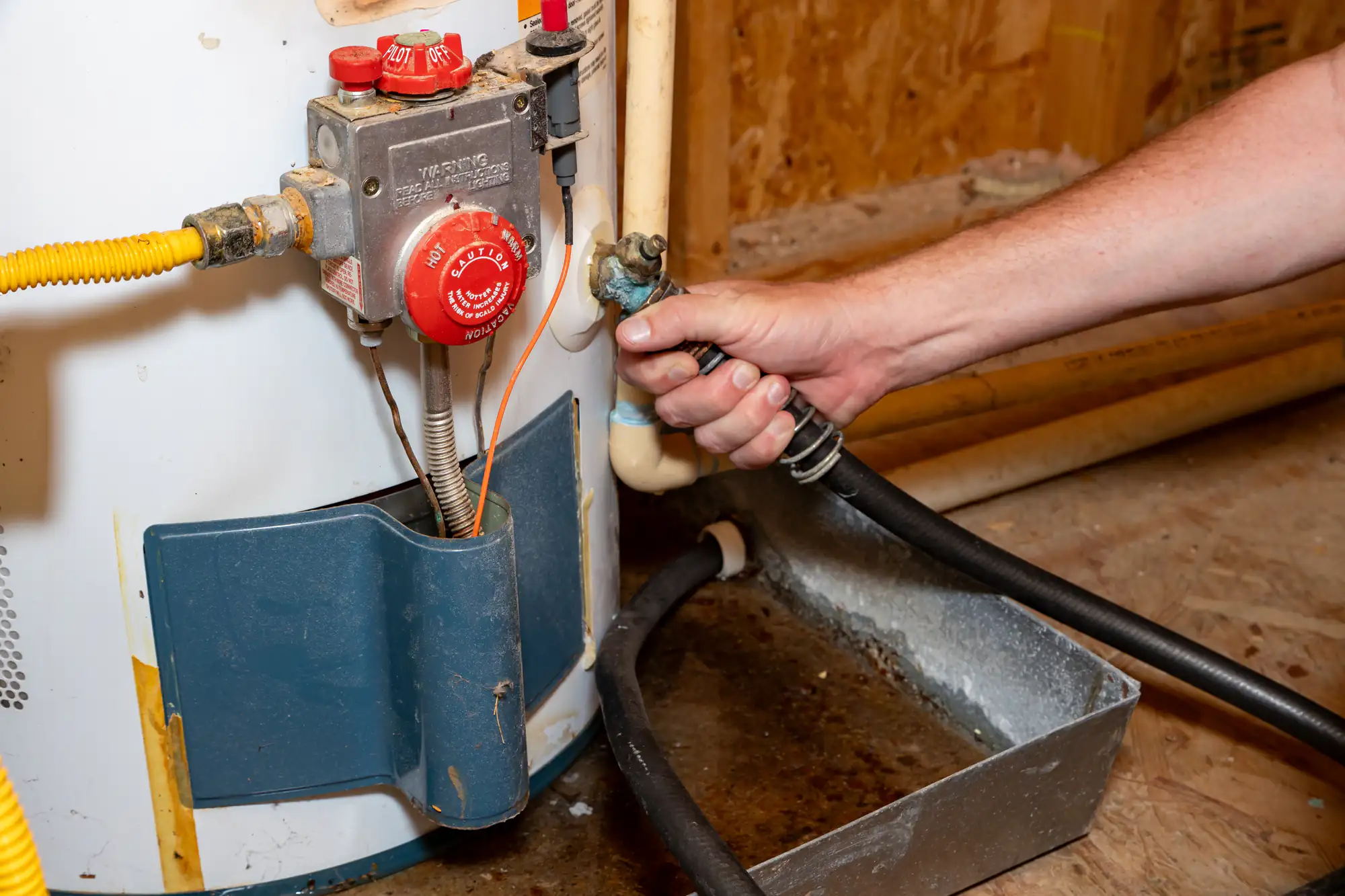
From there, we clean the heat exchanger and burner assembly removing the soot and residue that reduce heat transfer efficiency. We run a combustion analysis to check the air-to-fuel ratio, which tells us whether the burner is firing cleanly or wasting fuel. We inspect the flue for blockages and proper draft, test the safety controls, check pressure levels, and clean out the exhaust pathway.
If we find anything that needs attention beyond routine cleaning, we tell you clearly what it is, what it means, and what it would cost to fix. No pressure, no manufactured urgency. The whole process typically takes one to two hours for a residential system. We clean up after ourselves, and we leave you with a clear picture of where your system stands heading into the heating season.
Ready to get started?
South Hauppauge’s residential neighborhoods are defined by homes built predominantly between 1940 and 1999 a housing stock that includes a significant cohort of mid-century construction where oil boilers were the standard, and where the chimney infrastructure connecting those boilers to the outside world is now anywhere from 40 to 80 years old. Our boiler cleaning service is designed with that reality in mind.
We cover the mechanical side burner cleaning, heat exchanger cleaning, combustion analysis, pressure and safety control checks and the chimney side, which most HVAC companies don’t touch. That means inspecting and cleaning the flue liner, checking the condition of the chimney crown and cap, and clearing any soot, debris, or obstruction from the exhaust pathway.
For South Hauppauge homeowners who are in the process of converting from oil to natural gas, we also install stainless steel chimney liner systems, which are required when switching fuel types. We serve both residential properties and commercial facilities in the area, including businesses operating out of the Long Island Innovation Park at Hauppauge. Whether it’s a single-family home off Veterans Memorial Highway or a commercial facility along the Motor Parkway corridor, we carry the Suffolk County licensing and liability insurance to work on both. All materials we install are UL listed and up to code.
For oil-heated homes in South Hauppauge, annual boiler cleaning is the standard recommendation and it’s not arbitrary. Oil combustion produces significantly more soot and particulate residue than natural gas, which means the heat exchanger, burner assembly, and flue pathway accumulate buildup faster and more heavily with every heating season. In a community where more than a third of households run on heating oil, skipping a year isn’t a minor oversight it’s a year of compounding buildup that reduces efficiency, strains the system, and increases the risk of a blocked flue.
The best time to schedule is during the summer months, when the boiler isn’t in use and any issues we find can be addressed before the heating season starts. Fall works too, but appointment availability tightens quickly as September and October approach and homeowners start thinking about heat. If your system hasn’t been serviced in more than a year, sooner is better regardless of the season.
It’s a fair question, and the short answer is no they’re two different services. When your oil delivery company services your burner, they’re typically looking at the mechanical components: the nozzle, the filter, the ignition system, and the fuel delivery side of the operation. That’s valuable maintenance, but it stops at the boiler unit itself.
What it doesn’t include is the chimney side of the system the flue liner, the exhaust pathway, the chimney crown, and everything between the boiler’s exhaust outlet and the top of your chimney. In a South Hauppauge home with an older clay tile liner or original masonry flue connected to an oil boiler, that exhaust pathway accumulates soot and restriction independently of how well the burner is running. A clean burner pushing exhaust through a partially blocked flue is still a problem. Annual boiler chimney cleaning covers what your oil company doesn’t.
The consequences of skipping annual cleaning aren’t usually dramatic right away that’s part of what makes it easy to put off. What actually happens is incremental: soot accumulates on the heat exchanger surfaces, reducing how efficiently heat transfers to your home’s water or steam system. Research in combustion engineering shows that just 1mm of soot on heat transfer surfaces can reduce boiler efficiency by 3 to 4 percent and raise flue gas temperatures measurably. For a South Hauppauge homeowner paying Long Island heating oil prices through a full winter, that efficiency loss is real money.
Beyond the cost side, a skipped cleaning means the flue goes uninspected. Cracks in older clay tile liners, deteriorating mortar joints, and soot blockages don’t announce themselves they build quietly until they create a safety issue or a system failure. Most boiler manufacturers also require annual professional maintenance to keep the warranty valid. A missed service year can void that coverage entirely, which matters most when you need it most.
Yes, there are meaningful differences. Oil boilers generate significantly more soot and combustion residue than gas boilers, which means the cleaning is more involved the heat exchanger and flue accumulate heavier deposits that require more thorough removal. The combustion analysis we run also looks at different parameters depending on fuel type, since the air-to-fuel ratio and acceptable emission levels differ between oil and gas systems.
For South Hauppauge homeowners who have already converted from oil to natural gas a transition that’s been active in the Central Suffolk County market the chimney liner situation is a separate consideration. Most gas appliances cannot safely vent through the same clay tile liner that served an oil boiler. If you’ve converted and haven’t had a liner inspection since, that’s worth addressing. Gas boilers still benefit from annual cleaning and inspection, even if the volume of soot is lower. The flue, safety controls, and combustion efficiency all need the same professional attention regardless of fuel type.
There are a few things to pay attention to. If your heating bills have increased without an obvious explanation same usage, same weather, higher cost reduced boiler efficiency from soot buildup is a likely contributor. A boiler that takes longer to bring the house up to temperature, cycles on and off more frequently than usual, or produces an unusual smell when it fires up is showing signs that something in the system needs attention.
A blocked or restricted flue can also produce symptoms that are harder to attribute directly to the boiler: unexplained stuffiness in the house, a faint odor near the boiler room, or a carbon monoxide detector that trips without an obvious cause. In an older South Hauppauge home where the chimney may not have been inspected in years, a blocked flue is a real possibility not a remote one. If any of these signs are present, don’t wait for the annual service window. Call for an inspection now.
Yes. We offer 24/7 emergency service, and that includes boiler-related calls. South Hauppauge winters are genuine Long Island winters sustained cold, temperatures that drop well below freezing in January and February, and single-family homes that have no fallback when the boiler goes down. A heating failure in this community isn’t a minor inconvenience. It’s a real problem that needs a real response, not a voicemail and a callback window three days out.
We’ve responded to emergency calls in conditions around 30 degrees Fahrenheit and completed the work the same day including situations where the issue turned out to be a blocked or heavily sooted flue rather than a mechanical failure. If your heat is out or your boiler is showing signs of a serious problem, we’re reachable around the clock. The better outcome, of course, is catching those issues during an annual cleaning before they become a January emergency but when that window has passed, we’re available.
Other Services we provide in South Hauppauge