


When your boiler and flue are both running clean, you feel it in how consistently the heat holds, and you see it in what you’re not spending on fuel. Just one millimeter of soot on your boiler’s heat transfer surfaces can cut efficiency by three to four percent which, on a North Fork winter running on oil heat, is real money disappearing every time the burner kicks on.
Annual boiler cleaning in South Jamesport isn’t a formality. It’s the difference between a system that works for you and one that’s quietly costing you.
For homeowners along the Peconic Bay, there’s another layer to consider. Salt air and bay humidity accelerate corrosion on chimney caps, flue connectors, flashing, and damper hardware at a rate that inland Long Island homes simply don’t face. A system that looks fine from the outside can have deterioration building in the exhaust pathway that only a thorough inspection will catch. Getting that looked at annually before the heating season hits means you’re not discovering a problem at the worst possible time.
And if your home is one of the older properties in or around the South Jamesport Historic District, the stakes are even higher. These homes were built before modern liner standards existed. The chimney systems that have been adapted over the decades to serve oil boilers need eyes on them regularly not just a burner tune-up from the oil company, but a real evaluation of the full exhaust path from someone who actually knows chimneys.
We’ve been earning the Angie’s List award and maintaining a BBB “A” rating for six consecutive years. That kind of sustained recognition doesn’t come from doing the job halfway. It comes from showing up on time, telling customers what they actually need, and leaving the property as clean as it was found every time.
Our team has been working throughout South Jamesport and the North Fork for years. We understand what salt air does to a coastal chimney system, and we know the specific issues that come up in homes built along the Peconic Bay. That’s not a general claim it’s reflected in our own service history in this area.
What also sets us apart is that we cover the full system. Local plumbing and HVAC companies can service your boiler unit, but they don’t clean the chimney flue. We do both, and we’re licensed for Suffolk County, insured, and carry workers’ compensation so you’re not taking on any risk by letting us in the door.
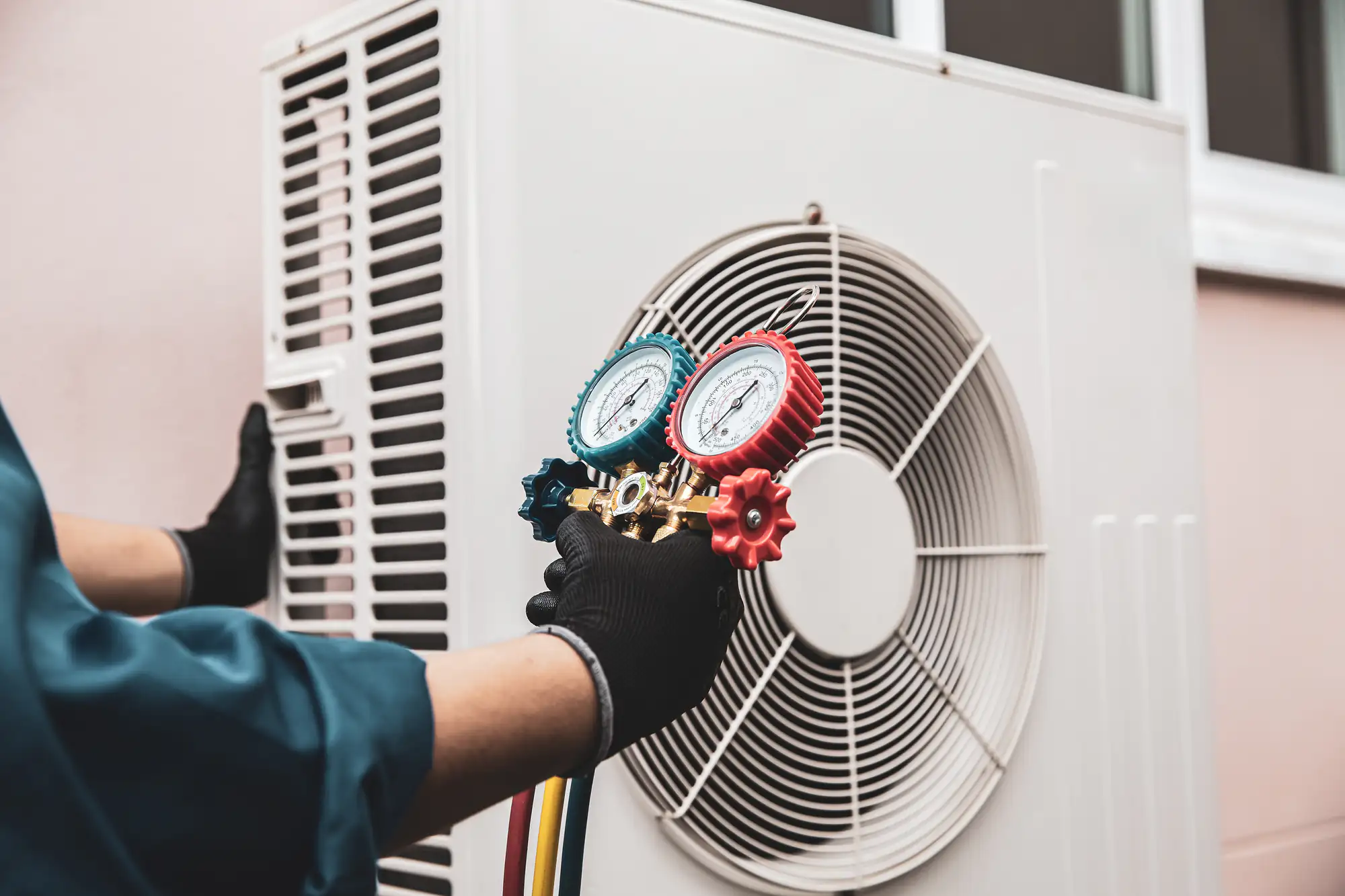
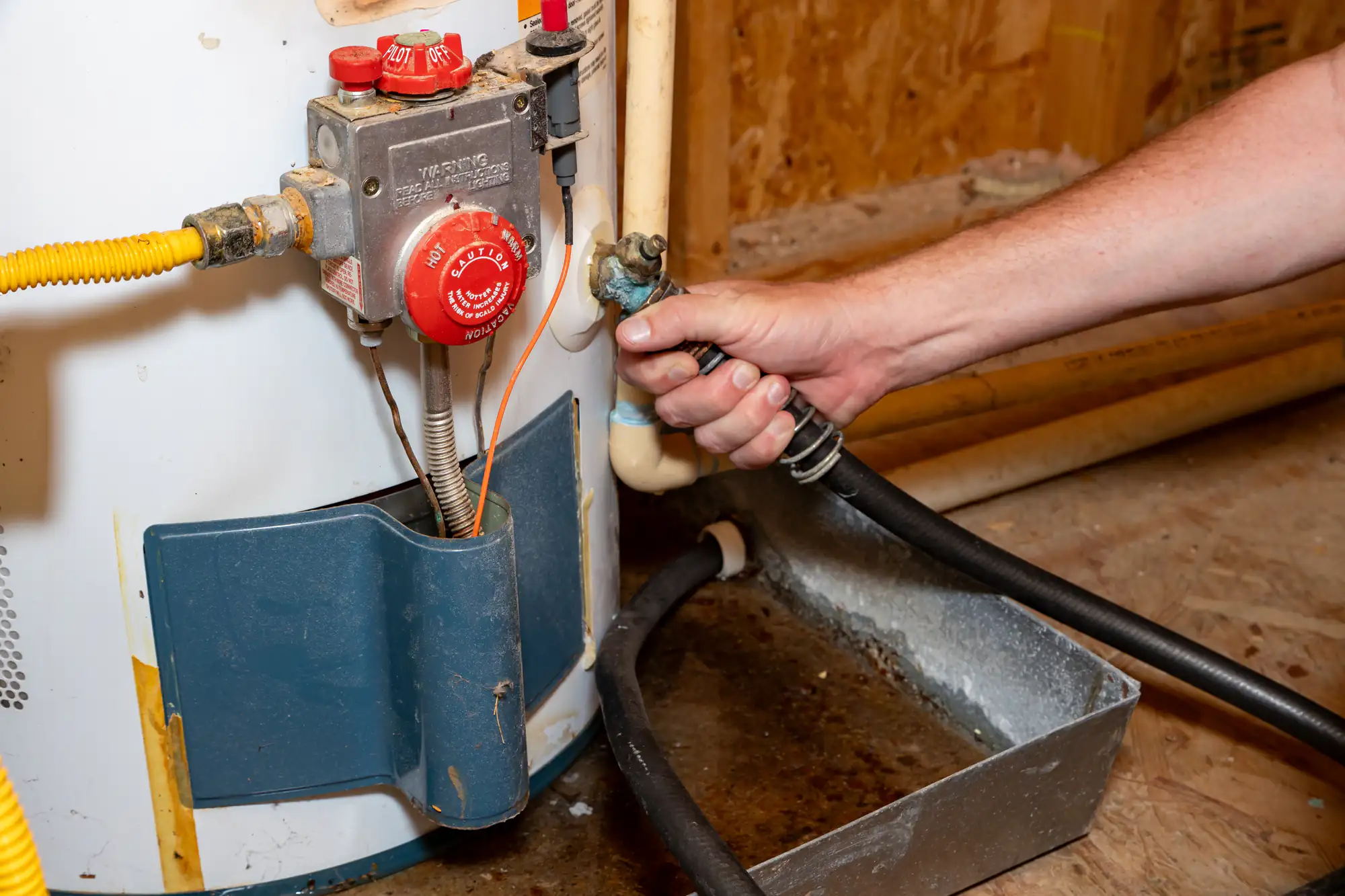
The process starts before we touch anything. We do a full visual inspection of the boiler, the piping, and the connections looking for corrosion, leaks, and anything that shouldn’t be there. In South Jamesport specifically, that inspection includes a close look at components that take a beating from coastal moisture and salt air, things like the flue connector, the chimney cap, and the flashing that seals the roofline.
From there, the heat exchanger, burners, and ignition system get cleaned removing the soot and scale that build up over a heating season and drag down efficiency. A combustion analysis follows, measuring and adjusting the air-to-fuel ratio so the boiler is burning cleanly and completely. Then comes the flue inspection and cleaning: checking for blockages, cracks, nesting material, and anything else that shouldn’t be in the exhaust pathway.
On older North Fork homes where the chimney may have been adapted over the years to serve an oil boiler, this step matters more than most people realize. Safety controls are tested pressure valves, thermostats, electrical connections, and safety shutoffs. Gas or oil pressure gets verified. Burner adjustments are made if needed.
The whole visit typically runs one to two hours for a residential system. When it’s done, you get a clear picture of where things stand, and any repair recommendations are explained plainly before we ask you to spend more money.
Ready to get started?
The boiler cleaning service we provide in South Jamesport is designed around the reality of what’s actually in these homes predominantly oil-fired systems, many of them in houses built in the 1950s and 1960s, connected to masonry chimneys that have been in service for decades. Oil boilers produce more combustion byproducts than gas systems, which means soot accumulates faster and the efficiency penalty of skipping a year hits harder. That’s the baseline for most of the year-round homes here.
For seasonal homeowners and anyone who has purchased an older property in or near the historic district, there’s an additional consideration. A home that sits vacant through the heating season or through the summer, if you rent it out is a home where things can go wrong without anyone noticing. Birds and squirrels nest in unused flues. Moisture collects in chimney systems that aren’t being dried out by regular use. Soot from the previous season sits undisturbed.
Before that boiler goes back into service, a full cleaning and inspection isn’t optional it’s the responsible move. All work is done by technicians operating under Suffolk County licensing, with liability insurance and workers’ compensation in place. Every material used in any installation or repair is UL listed.
Because we cover both the mechanical boiler unit and the chimney flue system, you’re getting a complete picture of your heating system’s health not just the half of it that a plumbing company or oil delivery service checks.

This is one of the most common points of confusion for North Fork homeowners, and it’s worth being direct about. When your oil delivery company sends a technician for an annual tune-up, they’re servicing the burner unit cleaning the nozzle, checking the igniter, adjusting the combustion settings on the mechanical side of the boiler. That’s valuable, and you should keep doing it. But it stops at the boiler itself.
What they don’t do is clean or inspect the chimney flue the exhaust pathway that carries combustion gases from the boiler up through the chimney and out of your home. That flue can accumulate soot, develop cracks in the liner, collect nesting material from birds or squirrels, or show corrosion from the salt air exposure that’s common on Peconic Bay properties. None of that gets addressed during a standard oil company visit.
We cover both sides of the system, which is why homeowners in South Jamesport who’ve been getting annual oil company service are sometimes surprised to find out what’s been building up in the flue.
For most South Jamesport homeowners running an oil-fired boiler, once a year is the right interval and the timing matters. The ideal window is late summer or early fall, before the heating season starts. That way, if anything needs attention a cracked liner, a corroded cap, a blocked flue it can be addressed before you actually need the heat running.
For homes in or near the South Jamesport Historic District, or for any property with a boiler and chimney system that hasn’t been professionally evaluated in several years, the first visit may take longer and uncover more than a routine annual cleaning would. That’s not a bad thing it just means you’re getting an accurate picture of what you’re working with.
From there, annual cleaning keeps the system efficient, keeps the flue clear, and keeps the warranty on most modern boilers intact. Most manufacturers require documented annual professional service to honor warranty coverage, which is another reason not to skip a year.
Yes, and it’s one of the more serious risks that comes with deferred boiler maintenance. When soot and scale build up on the heat exchanger and burner surfaces, combustion becomes less complete. Incomplete combustion produces more carbon monoxide a colorless, odorless gas that can accumulate in a home without any visible warning. A blocked or partially obstructed flue makes the problem worse by preventing those combustion gases from venting properly out of the house.
This risk is particularly relevant for older homes on the North Fork, where chimney systems may have been adapted over the years without full liner installation or where the liner has deteriorated without anyone noticing. A cracked or compromised liner can allow combustion gases to leak into the home rather than exhaust safely through the top of the chimney.
Annual boiler cleaning and flue inspection the kind that actually covers the full exhaust pathway, not just the burner unit is the most direct way to catch these issues before they become a health emergency.
It does, and for a couple of reasons that apply regardless of how new the equipment is. First, most boiler manufacturers require documented annual professional maintenance to keep the warranty valid. Skipping a year doesn’t just mean deferred maintenance it can mean voiding the coverage you paid for when the unit was installed. That’s a straightforward financial risk.
Second, newer boilers are often more sensitive to buildup than older cast iron systems, because they’re engineered to tighter tolerances. Even a modest layer of soot on the heat exchanger affects performance. And the chimney flue connected to a new boiler is still subject to the same conditions as any other flue in South Jamesport salt air corrosion on the cap and connector hardware, moisture accumulation during the off-season, and the possibility of nesting material if the system sits unused for a stretch.
The boiler being new doesn’t make the flue new, and the flue is where a lot of problems actually develop.
Start by calling for an inspection and cleaning before the heating season, not after something goes wrong. If it’s been more than a year or two since the system was last professionally serviced, we’ll do a full assessment first looking at the boiler, the flue, the liner condition, the cap, the flashing, and the connections before any cleaning begins. That way you know exactly what you’re dealing with.
For South Jamesport properties where the home has changed hands recently, or where the boiler and chimney haven’t been touched since the previous owners, that initial assessment is especially important. Older oil-fired systems connected to masonry chimneys can accumulate years of soot and scale, and in some cases the liner may need attention before the system is safe to run at full capacity.
The honest answer is that the first visit after a long gap may uncover more than a routine annual cleaning would but knowing what’s there is always better than running a system blind through a North Fork winter.
Yes. While oil heat is the dominant fuel type on the North Fork heating oil delivery companies like Burts Reliable have been serving this area since 1917 there are homes in South Jamesport and the surrounding Riverhead area running gas boilers as well, and we service both.
The cleaning process is similar in structure but differs in the specifics. Oil-fired boilers typically produce more soot and combustion byproduct than gas systems, so the cleaning is often more intensive and the efficiency recovery from annual service is more pronounced. Gas boilers tend to run cleaner, but they still require annual inspection of the heat exchanger, burners, flue, and safety controls.
The chimney flue connected to a gas boiler is still subject to the same coastal corrosion and potential blockage issues as any other flue in a Peconic Bay community. Whatever fuel your system runs on, the full-system approach we take covering both the boiler unit and the chimney exhaust pathway applies the same way.
Other Services we provide in South Jamesport