


Most Speonk homeowners don’t notice how much a dirty boiler is costing them until something goes wrong. Soot builds up quietly on your heat exchanger surfaces, and just a thin layer we’re talking about a millimeter is enough to raise your flue gas temperature significantly and drop your boiler’s efficiency by 3 to 4 percent. That translates directly into higher oil bills every single month, and oil heat is the dominant fuel type in this part of Suffolk County.
After a proper boiler cleaning and inspection, your system runs the way it was designed to: cleaner combustion, better heat transfer, and less fuel burned to keep your home warm through a Speonk winter.
There’s also the safety side of this that doesn’t get talked about enough. A blocked or soot-caked flue doesn’t just reduce efficiency it creates conditions where combustion gases can’t exit properly. In a 1960s home where the chimney liner may be original to the house, that’s not a theoretical risk. It’s a real one. Annual boiler flue cleaning gives you a clear picture of what’s actually happening inside your system, so you’re not guessing when January temperatures drop into the single digits overnight.
For homeowners near Moriches Bay, there’s another layer to this. The salt air and elevated coastal humidity accelerate corrosion on chimney flashing, metal liner components, and boiler surfaces faster than you’d see in an inland community. Regular professional cleaning catches that deterioration early, before it becomes a repair bill that dwarfs the cost of the service itself.
We’ve earned an “A” rating with the BBB and won Angi awards six consecutive years running. That kind of track record doesn’t come from good marketing it comes from showing up on time, doing the work correctly, and being straight with people about what their system actually needs. More than one customer has been told by an Ageless Chimney technician that they didn’t need the service they called about. That’s the kind of honesty that keeps people coming back.
We’re licensed specifically for Suffolk County, which matters when you’re in Speonk. County-specific licensing isn’t a formality it’s the baseline credential that confirms a contractor is authorized and accountable to work in the Town of Southampton. We also carry full liability insurance and workers’ compensation, so there’s no exposure on your end if something unexpected happens on the job.
When you’re dealing with a 60-year-old home on the South Shore, you want a company that has actually worked on systems like yours not one that’s learning on the job at your expense.
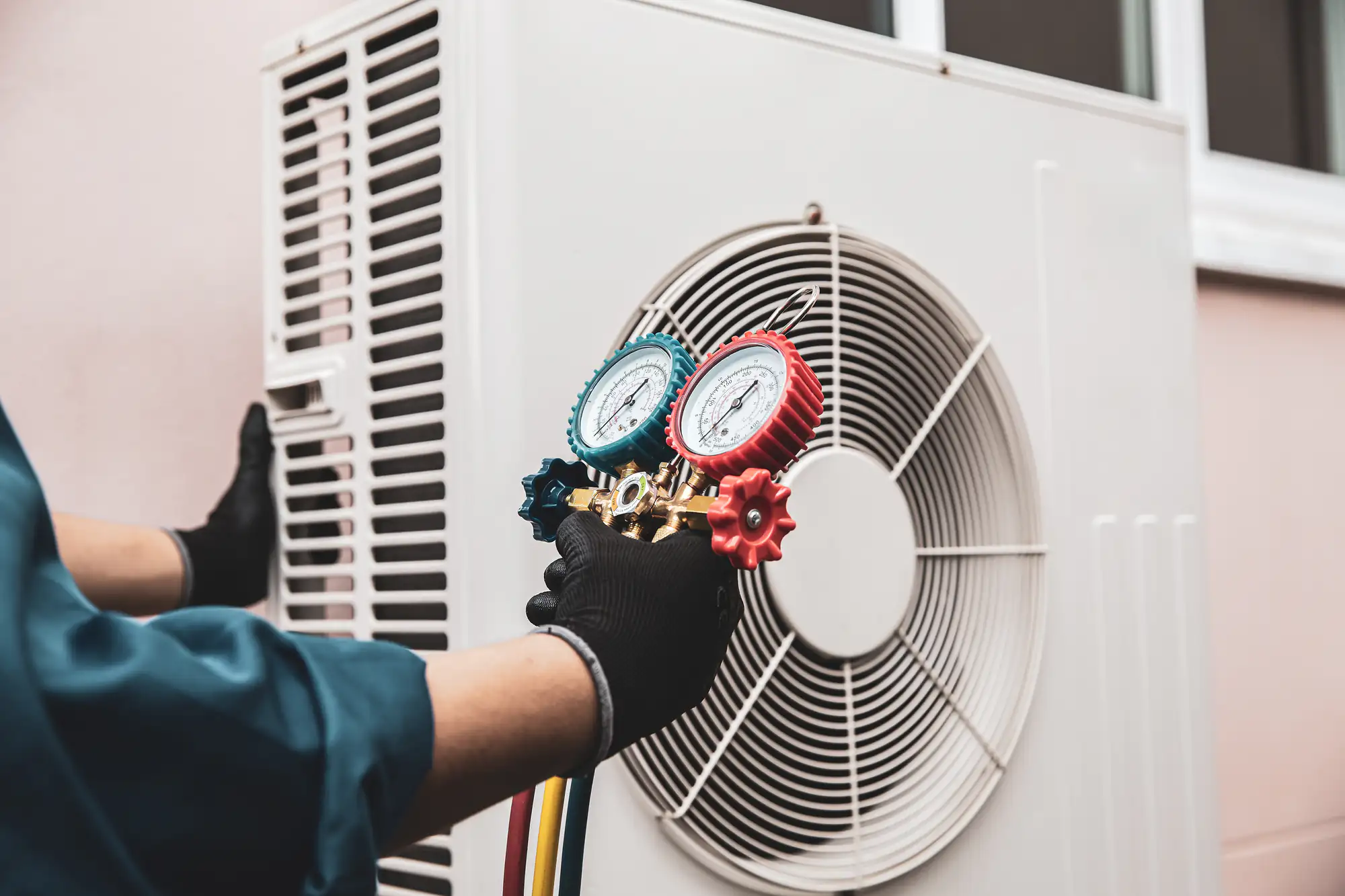
We start with a full visual inspection of your boiler, piping, and connections looking for corrosion, leaks, or anything that’s been quietly developing since the last time someone looked at it. In a home built in the 1960s, this step matters more than it does in a newer build, because aging components don’t always announce themselves before they fail.
From there, we clean the heat exchanger and burners, removing the soot and debris that reduce heat transfer efficiency. A combustion analysis follows this is where the air-to-fuel ratio gets measured and adjusted, which is what actually optimizes your boiler’s performance and keeps emissions in check.
The flue gets inspected for blockages, cracks, and proper venting. Given Speonk’s coastal environment and the wildlife corridor created by the wetlands near Moriches Bay, a blocked flue from a bird or animal nest is not unusual especially if the system sat unused through a summer. We clear any nests or obstructions as part of the service.
We test safety controls pressure valves, seals, thermostats, and shutoffs and walk you through anything that needs attention before you rely on this system for another heating season. Most residential boiler cleanings take roughly one to two hours. Any repair work in Speonk that goes beyond cleaning may require a permit through the Town of Southampton Building Department, and we handle that process correctly.

Ready to get started?
This is where we’re different from every HVAC or plumbing contractor that showed up in your search results. Companies like Domino, Ocean Air Services, and Hardy Plumbing all of which serve the Speonk area are mechanical heating contractors. They service the boiler unit itself. They don’t specialize in cleaning the chimney flue, inspecting the liner, or clearing the exhaust pathway from the boiler to the rooftop. We cover the entire system.
That distinction matters in a community like Speonk, where many homes have original 1960s chimney infrastructure. A cleaned burner connected to a soot-caked, cracked, or animal-blocked flue isn’t a safe system it’s just a partially serviced one. Our boiler cleaning service includes heat exchanger and burner cleaning, combustion analysis, flue inspection and cleaning, safety control testing, nest and obstruction removal when present, and a straightforward assessment of anything that needs follow-up.
All materials we use in any installation work liner components, caps, or fittings are UL listed and meet current code requirements. For Speonk homeowners with older homes, that matters: replacement components installed in a 60-year-old chimney system need to meet today’s safety standards, not whatever was acceptable when the house was built. If your oil delivery company has flagged a chimney or boiler issue recently, this is the call to make next.
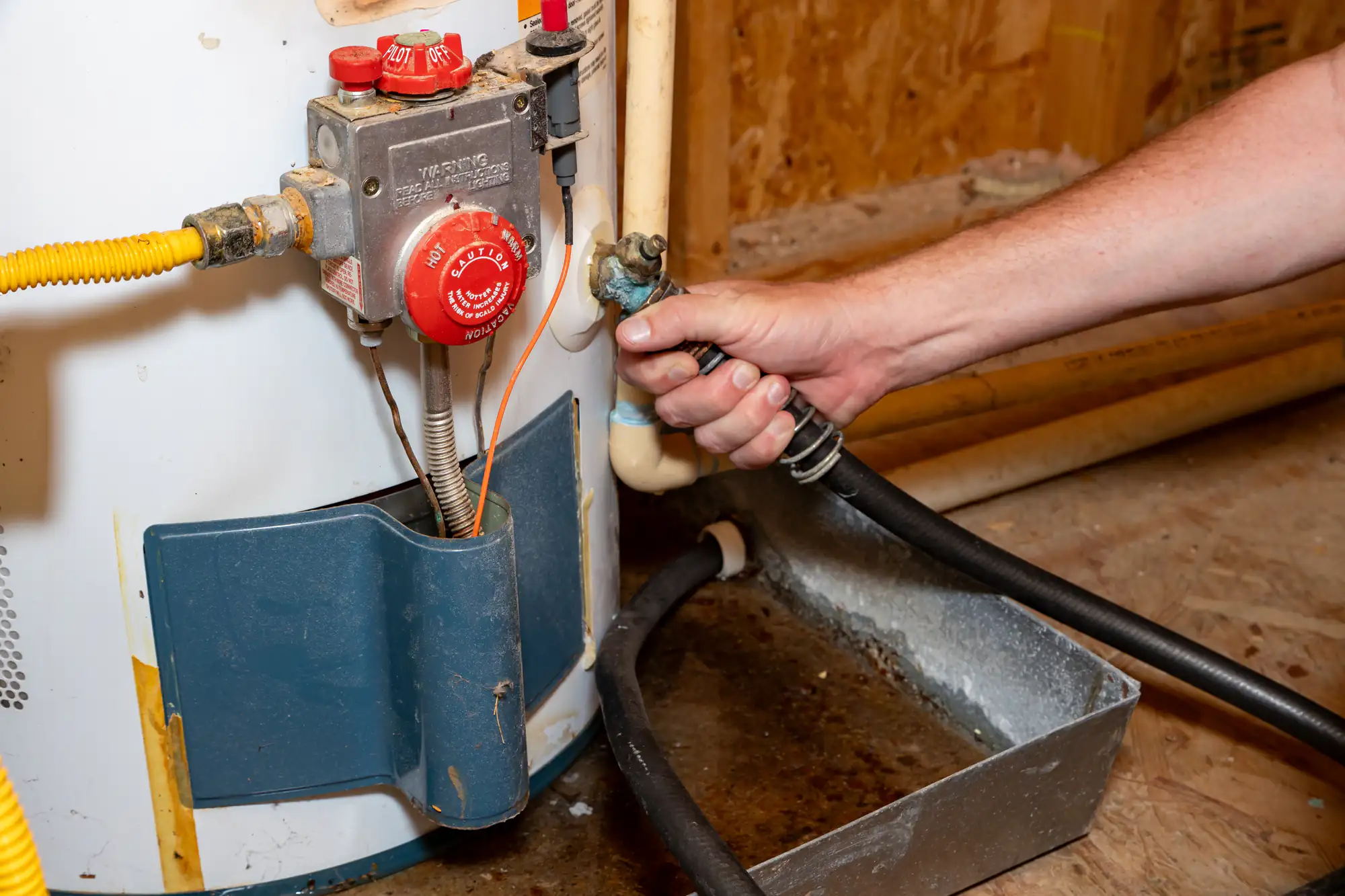
For most homes in Speonk, annual boiler cleaning is the right schedule and ideally, you want it done before the heating season begins rather than after. The reason timing matters here is specific to this area: Speonk homes were built primarily in the 1960s, and older oil boilers accumulate soot and combustion byproducts faster than newer systems. Combine that with the coastal humidity from Moriches Bay, which accelerates corrosion on flue components, and you have a system that genuinely benefits from consistent annual attention rather than the “every couple of years” approach some homeowners take.
Summer is actually the best time to schedule it. Your boiler isn’t running, so our technician can work without interrupting your heat, and any issues discovered a cracked liner tile, a corroded flue connection, a bird nest that moved in over the spring can be addressed before you need the system in October. If you have a seasonal property in Speonk that sits vacant through the warmer months, scheduling before you close up for the season or right when you return in the fall is a smart move.
A proper boiler cleaning isn’t just running a brush through the flue and calling it done. Our service covers the full system: visual inspection of the boiler, piping, and connections for corrosion or damage; cleaning of the heat exchanger, burners, and ignition components; a combustion analysis to measure and adjust the air-to-fuel ratio; flue inspection and cleaning to clear soot, debris, or blockages; safety control testing including pressure valves, thermostats, and shutoffs; and a check for any nests or animal obstructions in the exhaust pathway.
That last item nest and obstruction removal is worth calling out specifically for Speonk. The wetlands and natural habitat around Moriches Bay create an active wildlife corridor, and chimney flues that sit unused through spring and summer are a common nesting target for birds and small mammals. If your system was dormant for several months, there’s a real chance something moved in. The inspection catches that before you fire up the boiler and push combustion gases into a blocked flue.
Yes, and this is one of the most common points of confusion for homeowners on Long Island’s South Shore. Your oil delivery company services the burner unit the mechanical side of the system. They check ignition components, adjust the burner, and make sure fuel is combusting properly. What they don’t do is clean the chimney flue, inspect the liner, or clear the exhaust pathway that carries combustion gases out of your home. Those are two entirely different scopes of work requiring different expertise.
In a Speonk home with a 1960s-era chimney system, this distinction is especially important. The liner in an older home may be clay tile, and clay tiles crack over time particularly in a coastal salt-air environment where freeze-thaw cycles and moisture exposure accelerate deterioration. A cracked liner allows combustion gases, including carbon monoxide, to migrate into the living space rather than venting safely to the exterior. Your oil company isn’t inspecting for that. We are.
Skipping a year doesn’t just mean one year’s worth of soot it means one year of efficiency loss, one year of undetected corrosion, and one more heating season where you’re relying on a system that hasn’t been professionally inspected. Soot buildup is cumulative, and in an oil-heated home, it compounds faster than most people expect. That thin layer of buildup on your heat exchanger surfaces is quietly raising your fuel consumption every month the system runs.
There’s also a financial argument that’s straightforward: annual boiler cleaning typically runs in the range of $200 to $500. A boiler replacement on Long Island costs anywhere from $5,500 to $15,000 installed. Preventive maintenance at the lower end of that first number is what keeps you out of the higher end of the second. Beyond the cost, most boiler warranties require documented annual professional maintenance to remain valid. A skipped year can void that coverage meaning if something fails, you’re paying out of pocket for a repair that should have been covered.
There are some signs you can notice from inside the house: a boiler that cycles on and off more frequently than usual, a heating system that struggles to reach the set temperature even when running, a burning smell when the heat kicks on, or visible soot around the boiler unit or flue connections. Any of these is worth a call. But the honest answer is that a blocked or deteriorating flue often gives no obvious warning signs until there’s a problem which is exactly why waiting for a symptom isn’t a reliable strategy.
In Speonk specifically, two factors increase the likelihood of flue issues: the age of the housing stock and the coastal environment. Homes built in the 1960s have chimney systems that are now over 60 years old. Clay tile liners crack, mortar joints deteriorate, and flue connections corrode especially in a salt-air environment near Moriches Bay. Add the wildlife nesting risk from the surrounding wetlands, and the case for annual professional inspection becomes less about peace of mind and more about basic risk management for an older coastal home.
Yes. We hold licensing specific to Suffolk County, which is the relevant credential for work performed in Speonk and throughout the Town of Southampton. This matters because New York doesn’t operate on a single statewide chimney contractor license Nassau County, Suffolk County, and Queens County each have their own licensing requirements. A company licensed to work in Nassau County isn’t automatically authorized to work in Suffolk County. When you’re hiring someone to inspect and clean a system connected to your home’s structure, county-specific licensing is the baseline you should be confirming before anyone sets foot on your property.
Beyond licensing, we carry full liability insurance and workers’ compensation coverage. That protects you if anything unexpected happens during the job you’re not left holding liability for a contractor working on your roof or inside your home. We also hold BBB and Angi recognition sustained over six consecutive years, both of which are independently verifiable. For a Speonk homeowner doing due diligence before hiring, those credentials are the kind you can actually look up and confirm not just take someone’s word for.
Other Services we provide in Speonk