


When your boiler is running clean, the difference shows up in a few places at once. Your heating runs more efficiently, your fuel isn’t being burned off through a choked flue, and you’re not sitting on a carbon monoxide risk that built up so gradually you never noticed it. That’s what a proper annual boiler cleaning actually delivers not just a checkbox, but a system that’s genuinely ready for whatever the North Shore winter throws at it.
For homes near The Creek Beach, that last part matters more than most people realize. The persistent salt air and coastal humidity coming off Long Island Sound work on masonry and metal chimney components year-round, not just in winter. Moisture infiltrates flue walls, accelerates liner degradation, and compounds the soot buildup that forms when an oil boiler runs hard through a cold season. A house that’s been sitting on this stretch of the Sound for 50 or 60 years and most of them have is dealing with a level of environmental wear that an inland Nassau County property simply isn’t.
Getting your boiler and flue cleaned annually isn’t about being overly cautious. It’s about understanding what your specific home is up against and staying ahead of it before a small problem becomes an expensive one.
We’ve been recognized by both the BBB and Angie’s List every year for six consecutive years. That’s not a one-time snapshot it’s a track record that homeowners across Nassau County have built through real service calls and real results. The kind of recognition that only holds up when the work consistently backs it.
What sets us apart in a community like The Creek Beach isn’t just credentials, though those matter. It’s the approach. Technicians who tell you what you don’t need as readily as what you do. Crews that leave your home exactly as they found it. A company that holds Nassau County licensing, carries liability insurance and workers’ compensation, and uses only UL-listed materials on every job.
We already serve the Locust Valley area the commercial center right at the edge of The Creek Beach and the homes along the waterfront fall squarely within that same service footprint. When you call, you’re not getting a company trying to break into unfamiliar territory. You’re getting one that already knows this neighborhood.

The process starts before anyone touches a burner. A proper boiler cleaning begins with a full visual inspection the boiler itself, the piping, the connections, and the flue pathway looking for corrosion, leaks, cracking, and anything that’s deteriorated since the last time someone looked closely. In older Creek Beach homes where the chimney system may be original to a 1950s build, this step alone can surface issues that have been quietly developing for years.
From there, the actual cleaning covers the heat exchanger, burners, and ignition components removing the soot and debris that reduce heat transfer efficiency with every passing season. Then comes the flue inspection and cleaning, which is where our dual expertise in both boiler systems and chimney work makes a real difference. Most HVAC companies stop at the mechanical unit. We clean the entire exhaust pathway from the burner through the flue to the chimney top, which is the only way to know the full system is clear and venting properly.
The visit wraps with a combustion analysis, safety control testing, and a straightforward summary of what was found and what, if anything, needs attention. For homes near The Creek Beach where salt air exposure is a genuine factor, that flue and liner inspection is not a formality it’s often where the most important findings are. Most residential boiler cleanings take around one to two hours, and the home is left exactly as it was found.

Ready to get started?
Boiler cleaning in The Creek Beach isn’t a single task it’s a complete service that covers every part of the system responsible for heating your home safely and efficiently. That includes the heat exchanger, burners, and ignition components inside the boiler unit, as well as the flue, liner, and chimney exhaust pathway that most companies never touch. For a waterfront property on Long Island Sound, where moisture and salt air are constant, the chimney side of this equation is just as important as the mechanical side.
We also handle nest and obstruction removal when present, which is more common than most homeowners expect especially in older masonry chimneys that have gone a few seasons without inspection. If a stainless steel chimney liner is needed based on what’s found during the cleaning, that’s a service we provide as well, using only UL-listed materials that meet current Nassau County code requirements.
The service covers both oil and gas boilers in residential settings throughout The Creek Beach area, and we hold the Nassau County licensing required to work legally in this market. If your oil delivery company flagged a chimney or exhaust issue on a recent visit a common scenario for Long Island homeowners this is the follow-up call that actually addresses it. The oil company handles the burner unit. We handle the rest of the system.
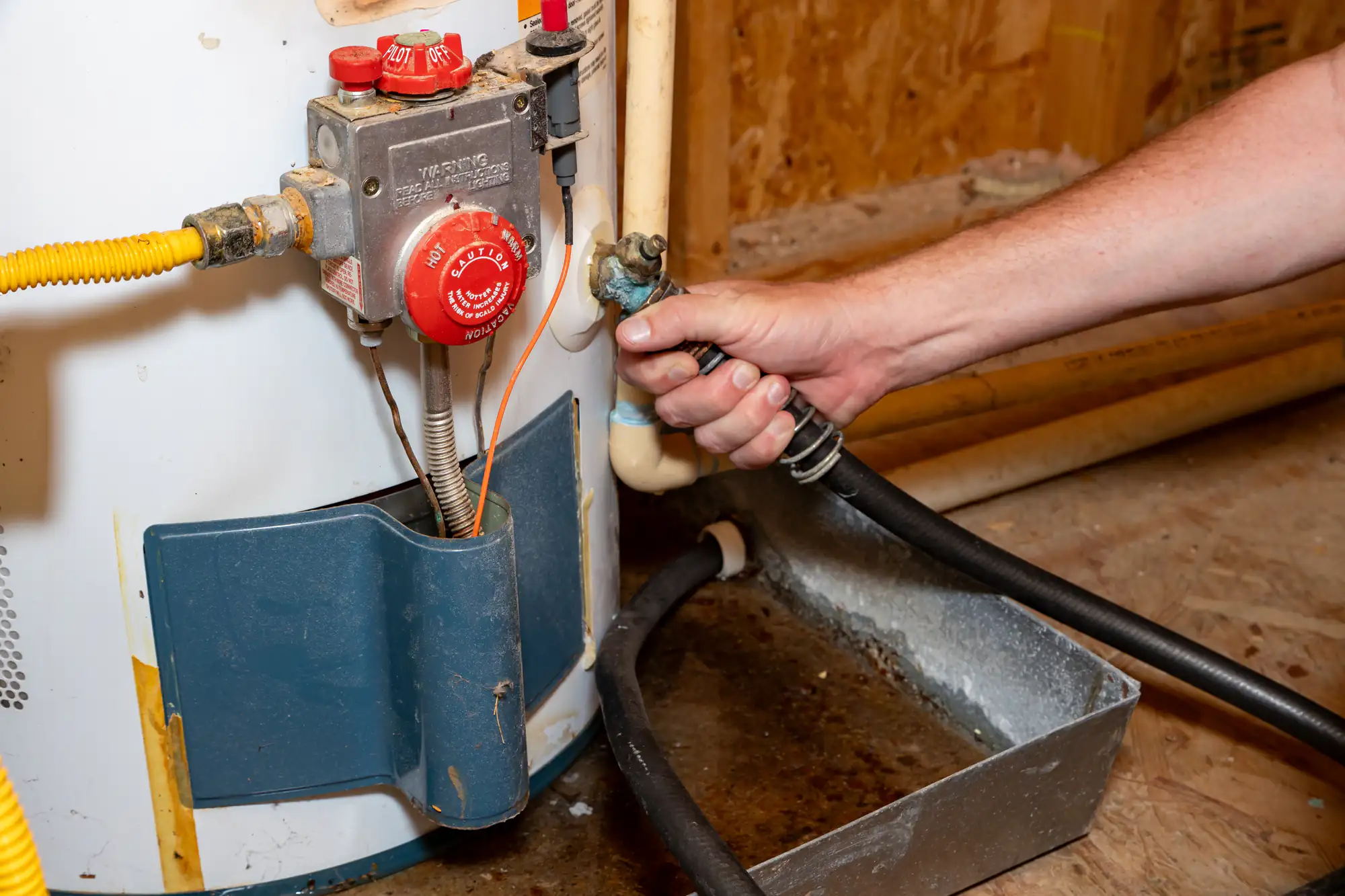
For most homes, once a year is the right cadence and for oil boilers specifically, that annual cleaning is not really optional. Oil combustion produces significantly more soot than gas, and that soot accumulates on heat transfer surfaces, in the flue, and along the chimney liner throughout the heating season. A layer of buildup as thin as one millimeter can reduce your boiler’s efficiency by three to four percent, which adds up quickly when you’re running the system through a full North Shore winter.
For homes near The Creek Beach, there’s an additional factor that inland Nassau County properties don’t share. The salt air and coastal humidity coming off Long Island Sound accelerate corrosion in metal chimney components and promote moisture infiltration in masonry flues. That means the annual inspection that comes with a professional cleaning is doing double duty catching normal soot buildup and catching the kind of moisture-driven deterioration that coastal exposure produces. Scheduling in late summer or early fall, before the heating season starts, gives you time to address anything that’s found before you actually need the heat.
This is one of the most common points of confusion for Long Island homeowners, and it’s worth being clear about. Your oil delivery company if they service the burner at all is typically focused on the mechanical burner unit itself: the nozzle, the filter, the pump, the ignition components. That’s a legitimate and important service, but it stops at the boiler.
What it doesn’t cover is the flue, the chimney liner, or the exhaust pathway that carries combustion gases out of your home. That’s a separate system, and it requires a different kind of expertise specifically, the kind that a chimney professional brings. We clean the full system: the boiler’s internal components and the entire exhaust pathway from the burner through the flue to the chimney top. For older homes in The Creek Beach area where the chimney may be original masonry from the 1950s, that flue and liner inspection is often where the most significant issues are found. If your oil company flagged a chimney problem on a recent visit, that’s exactly the gap this service fills.
Yes, and it’s one of the more serious reasons to stay current on boiler cleaning rather than putting it off. When combustion gases can’t exit through a clean, unobstructed flue, they don’t simply stay in the boiler they can find their way back into the living space. Carbon monoxide is colorless and odorless, and by the time symptoms appear, the exposure has already been happening for a while.
A blocked or deteriorated flue is one of the more common causes of CO infiltration in older homes, and it’s often the result of gradual buildup that nobody noticed because the boiler kept running. Soot accumulation, animal nests, collapsed liner sections, and moisture-driven masonry deterioration can all restrict airflow through the flue without triggering any obvious warning signs. For homes near The Creek Beach, where older chimney systems are common and coastal conditions accelerate liner wear, getting the full exhaust pathway inspected and cleaned annually is the most direct way to know the system is venting safely.
For most modern boilers, yes and it’s a detail that catches homeowners off guard. Most boiler manufacturers require documented annual professional maintenance as a condition of keeping the warranty valid. If the boiler develops a problem and there’s no service record showing regular tune-ups and cleanings, the manufacturer can deny the warranty claim on the grounds that the unit wasn’t properly maintained.
This matters most when the repair cost is significant and on Long Island, boiler repair costs can range considerably depending on what’s failed. The cost of an annual professional cleaning is a fraction of what a major repair or full boiler replacement runs, and keeping that service record current protects both the system and the warranty coverage you paid for when the unit was installed. If you’re not sure whether your current boiler’s warranty requires annual service, the documentation that came with the unit will spell it out and we can provide a written summary of the work completed at each visit.
A few things are worth paying attention to between annual cleanings. If your heating bills have climbed without a clear explanation no unusually cold stretch, no change in usage that’s often a sign that soot buildup is reducing the boiler’s efficiency and it’s burning more fuel to produce the same heat. A boiler that’s cycling on and off more frequently than usual, or one that’s taking longer to bring the house up to temperature, can also point to a dirty heat exchanger or restricted flue.
On the chimney side, visible soot around the base of the flue, a persistent smoky or sulfur-like smell near the boiler, or any sign of dark staining on the exterior of the chimney are all reasons to call sooner rather than later. For homes near The Creek Beach, it’s also worth checking the chimney cap and exterior masonry after a stretch of heavy weather off the Sound storm exposure can dislodge caps and drive water into the flue in ways that accelerate deterioration and create blockages. When in doubt, an inspection costs far less than the problem it might prevent.
Ageless Chimney holds Nassau County licensing and already operates an active service area covering Locust Valley the commercial center directly adjacent to The Creek Beach. The Locust Valley ZIP code covers both communities, which means we’re already working in this neighborhood, not trying to expand into unfamiliar territory.
Beyond proximity, the housing stock in this part of Nassau County’s North Shore is exactly the kind of work we’ve built our reputation on older homes with complex chimney systems, oil boilers, aging masonry flues, and the kind of multi-decade history that makes a thorough inspection genuinely important rather than routine. In a close-knit community this size, reputation travels quickly. Our six consecutive years of BBB and Angie’s List recognition reflect the kind of consistent performance that earns referrals when neighbors talk.
Other Services we provide in The Creek Beach