
Here is the thing about a dirty boiler it does not announce itself. It just quietly burns more oil than it should, month after month, while your heating bills creep up and you assume that is just what winter costs on Long Island. A clean boiler runs at the efficiency it was designed for. That means less fuel consumed per degree of heat delivered, and for households in Willwood spending thousands on heating oil every season, that difference adds up fast.
Long Island’s post-war housing stock is full of older oil-fired systems that have been running for decades. These are not delicate machines, but they do accumulate soot, scale, and combustion byproducts at a faster rate than gas systems and when that buildup coats the heat exchanger surfaces, even a thin layer measurably reduces how well heat transfers from the burner to your home. A 1mm layer of soot can drop boiler efficiency by 3 to 4 percent and drive flue gas temperatures up by 20 to 25 degrees Celsius. That is money leaving your house through the exhaust every time the burner fires.
Beyond the fuel savings, there is the safety side. A blocked or deteriorating flue does not vent combustion gases the way it should. Annual boiler cleaning catches those issues before they become emergencies and on a night in January when temperatures drop into the twenties, catching a problem in October is a very different experience than discovering it when the heat stops working.
We are based in Bethpage about as central to Long Island as you can get and have been serving Nassau County, Suffolk County, and Queens for years, including the Willwood area. We maintain an “A” rating with the BBB and have earned Angie’s List recognition six consecutive years running. That kind of track record does not come from doing the bare minimum. It comes from showing up on time, doing the job right, and leaving the property exactly as clean as we found it.
What sets us apart from a standard HVAC company is the scope of what we actually clean. Most heating contractors service the mechanical unit the burner, the controls, the heat exchanger. We cover the full exhaust pathway: from the firebox through the flue, through the liner, all the way to the chimney top. For Willwood homeowners with older systems connected to aging chimney liners, that distinction matters enormously.
We carry county-specific licensing for Nassau and Suffolk County, liability insurance, and workers’ compensation and every material we install is UL listed. You can verify our credentials before we set foot in your house.

When one of our technicians arrives at your Willwood home, the first thing we do is a full visual inspection not just of the boiler itself, but of the piping, connections, and flue system. We are looking for corrosion, signs of leaks, deterioration in the liner, and anything that suggests the system is not venting properly. On Long Island, where many homes were built in the post-war era and have original or once-replaced chimney liners, this inspection step is not a formality. It is where real problems get caught.
From there, we clean the heat exchanger surfaces, burners, and ignition components removing the soot and combustion deposits that reduce heat transfer efficiency. We run a combustion analysis to check the air-to-fuel ratio and make adjustments that restore the burner to optimal operating conditions. The flue is inspected and cleaned, safety controls are tested, and if there is any nesting material or debris blocking the exhaust pathway, that comes out too.
The whole process typically takes one to two hours for a standard residential system. When it is done, you get a clear picture of what was found and what, if anything, needs attention. No pressure, no invented problems just an honest assessment. If your system is in good shape, we will tell you that too. That kind of straightforwardness is documented in our own customer reviews, and it is one of the reasons Long Island homeowners keep calling us back.

Ready to get started?
A lot of Willwood homeowners assume their annual oil company tune-up covers everything. It does not. Oil delivery companies and standard HVAC contractors service the mechanical unit the burner assembly, ignition system, and controls. What they do not address is the chimney side of the equation: the flue passages, the liner condition, the chimney cap, and the full exhaust pathway that carries combustion gases out of your home. That gap is exactly where we operate.
Our boiler cleaning service covers both sides of the system. On the mechanical side: heat exchanger and burner cleaning, combustion analysis and adjustment, safety control testing, pressure checks, and electrical connection inspection. On the chimney side: flue cleaning, liner inspection, blockage and nest removal, cap inspection, and a full assessment of how well the exhaust system is functioning. For homes in Nassau County and Suffolk County where county-specific licensing requirements apply we hold the proper credentials to perform this work legally and correctly.
We also handle any follow-up repair work that the inspection uncovers: liner installation or replacement, chimney cap installation, pointing and tuck-pointing, flashing repair, and waterproofing. All materials we use are UL listed and up to code. If the cleaning reveals a problem, you do not have to call a second company the same team that found it can fix it.
Once a year is the standard recommendation, and on Long Island that timing matters more than it might elsewhere. The heating season here runs roughly from October through April six months of near-continuous operation for your boiler. That is a long run, and oil-fired systems accumulate combustion byproducts faster than gas systems do. By the time the season ends, there is real soot and scale buildup inside the heat exchanger and flue passages that did not exist in the fall.
The best time to schedule is either late summer before the heating season begins, or in the spring right after it ends. Summer scheduling means the boiler is not in active use, so work can be done without disrupting your heat supply, and any issues found can be repaired before cold weather arrives. If you have been skipping years, do not try to catch up all at once just get it done now and put it on the calendar annually going forward. Most boiler manufacturers also require annual professional service to keep the warranty valid, so there is a practical financial reason to stay consistent beyond the efficiency and safety benefits.
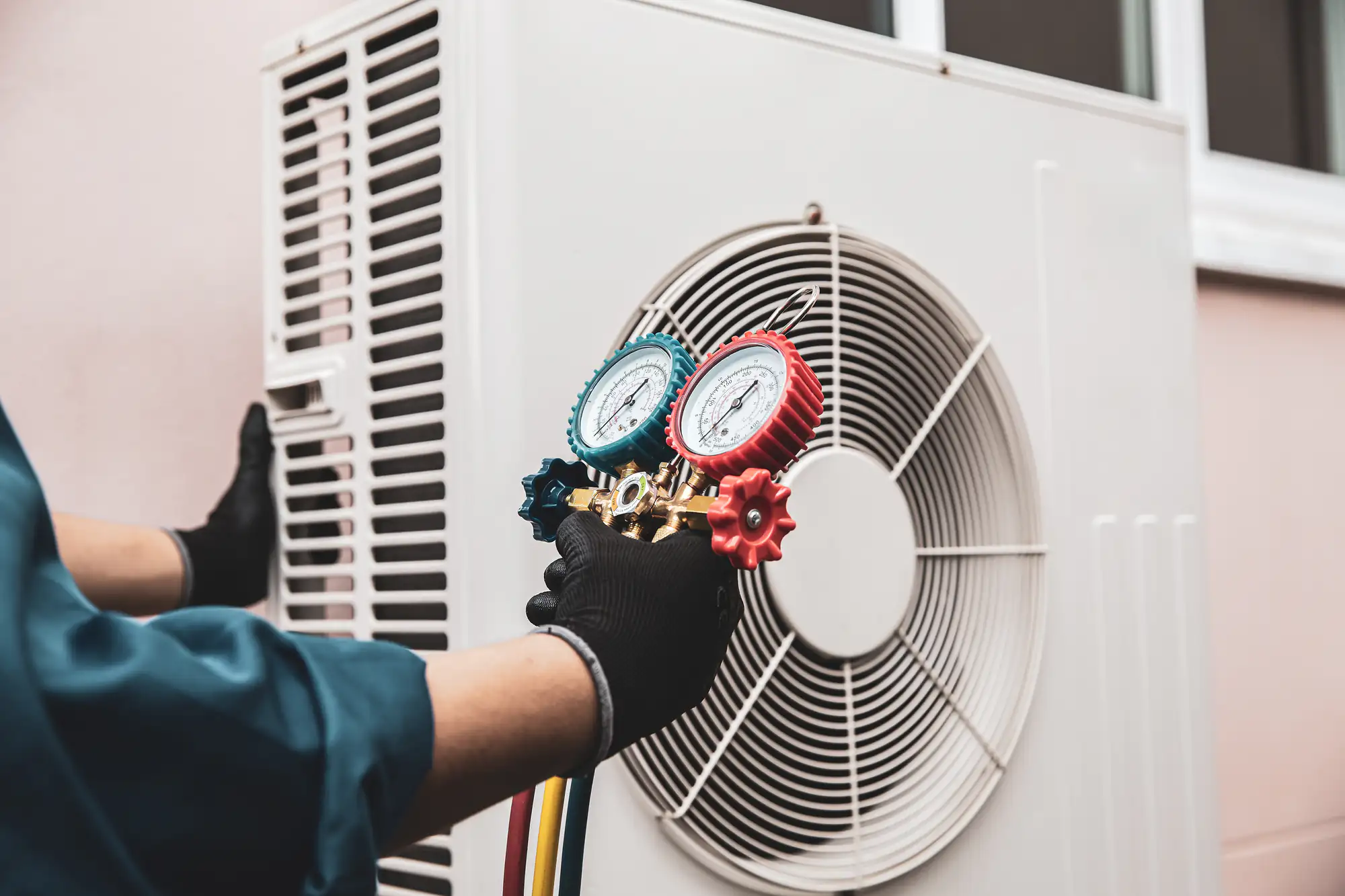
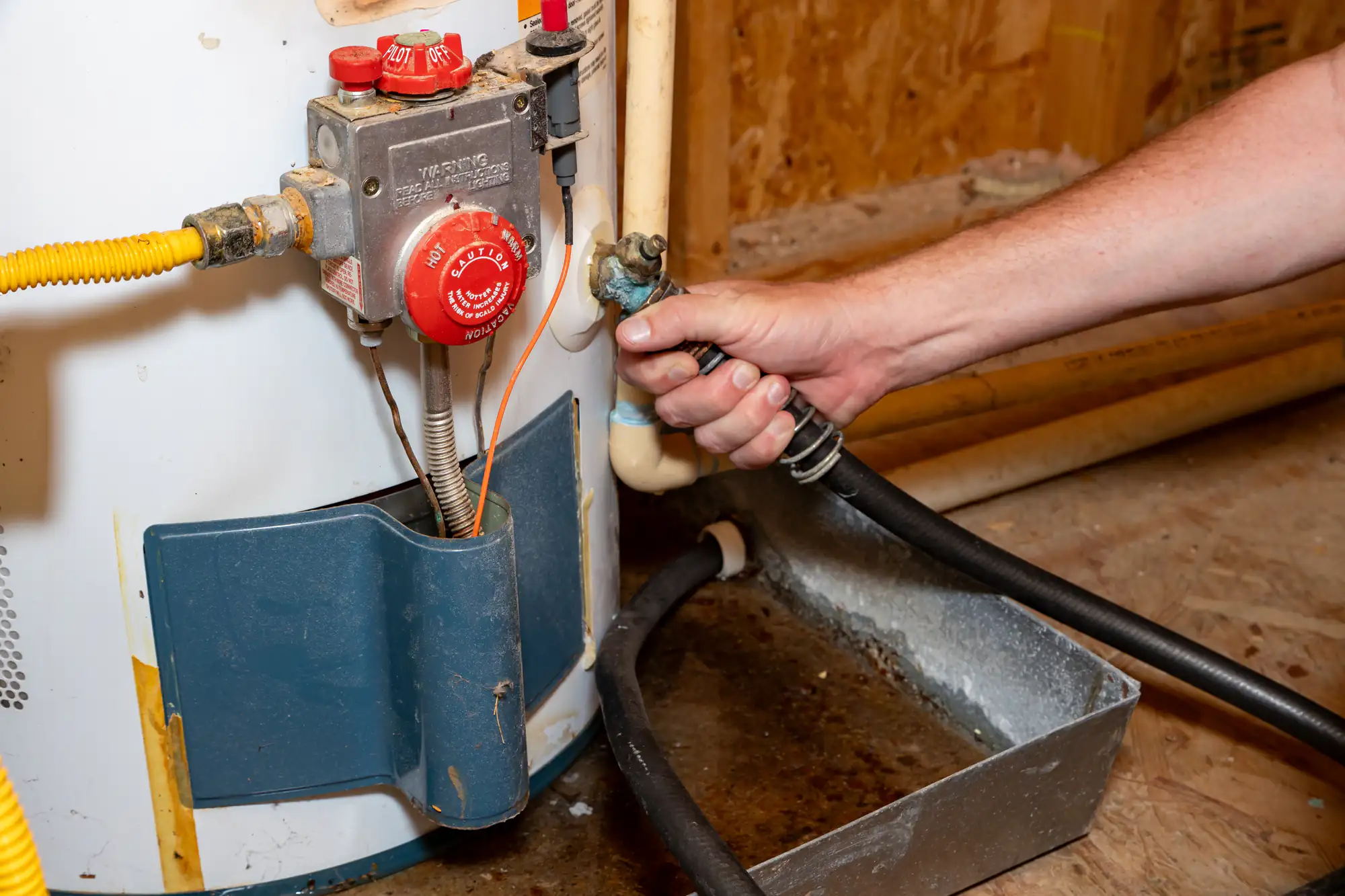
A thorough boiler cleaning covers significantly more than just vacuuming out the firebox. The mechanical side of the service includes cleaning the heat exchanger surfaces and burner assembly, running a combustion analysis to verify the air-to-fuel ratio is properly calibrated, testing safety controls and pressure valves, checking electrical connections, and inspecting for corrosion or signs of wear. These steps restore the boiler to the efficiency it was designed to operate at which directly affects how much fuel it burns to heat your home.
The chimney side is where many homeowners have a gap in their current service. The flue passages, liner, and exhaust pathway need to be inspected and cleaned separately from the mechanical unit and that requires chimney expertise, not just HVAC knowledge. A complete boiler cleaning service checks the full exhaust system from the firebox to the chimney top, removes any blockages or nesting material, and assesses the condition of the liner. For older Willwood homes where the liner may be original to the house, this inspection is often where the most important findings come from.
Yes, and this is one of the more serious consequences of deferred maintenance that does not get talked about enough. Carbon monoxide is produced during combustion, and under normal operating conditions it exits your home through the flue. When the flue is partially blocked by soot buildup, debris, a deteriorating liner, or a nest those gases do not vent the way they should. The result can be elevated CO levels inside the living space, which is a genuine health and safety hazard.
A poorly tuned burner compounds the problem. When the air-to-fuel ratio is off, incomplete combustion produces more CO per firing cycle. Annual cleaning includes a combustion analysis that checks and corrects this, along with a full flue inspection that identifies any blockages or liner damage that could impede proper venting. For Long Island homes that have been running the same system for many years without a thorough inspection, this is exactly the kind of issue that can go undetected until a CO detector triggers or worse, does not.
For most boiler manufacturers, yes. Annual professional maintenance is a standard warranty condition, and skipping a service year can give the manufacturer grounds to deny a warranty claim if something fails. This applies to both newer systems and systems that were recently replaced. If you had a new boiler installed in the last few years which is a common situation on Long Island given the age of the housing stock and the ongoing boiler replacement cycle maintaining that warranty through annual cleaning is worth factoring into your decision.
The math is also straightforward. A new boiler installation on Long Island costs between $5,500 and $15,000 depending on the system and the scope of work. Annual cleaning costs a fraction of that. If a warranty claim gets denied because maintenance records are not in order, the financial exposure is significant. Keeping a consistent annual cleaning schedule is both the right thing to do for the system’s performance and the practical thing to do for your financial protection.
This is one of the most common misconceptions among Long Island homeowners, and it is worth being direct about: your oil company’s annual burner service and a professional boiler cleaning are not the same thing. Oil delivery companies and their service technicians work on the mechanical unit the burner assembly, ignition system, nozzle, and controls. That is their expertise, and it is genuinely valuable. But it stops at the boiler itself.
The chimney flue, liner, exhaust passages, and the full pathway from the boiler to the rooftop are not part of a standard oil company service call. Soot accumulates in those passages. Liners deteriorate. Nests get built in chimney caps during the off-season. None of that gets addressed unless someone with chimney expertise specifically inspects and cleans it. Several of our customers in the Willwood area first called us after their oil company flagged a chimney or flue issue they were not equipped to handle that referral pattern is real, and it reflects a genuine gap in what standard burner service covers.
Licensing is the first thing to check, and on Long Island it is more specific than people realize. Nassau County and Suffolk County each have their own licensing requirements for chimney and boiler cleaning contractors. A license that covers one county does not automatically apply to the other. Ask any company you are considering to confirm which county licenses they hold before scheduling anything.
Beyond licensing, ask for proof of liability insurance and workers’ compensation coverage not just a verbal confirmation, but an actual Certificate of Insurance. This protects you if anything goes wrong on your property during the job. From there, look at the track record: how long have they been operating, what do their reviews actually say, and do they have any sustained recognition from platforms like the BBB or Angi that reflects consistent performance over multiple years, not just a handful of recent reviews. The difference between a company with a six-year award streak and one with a good month is meaningful. Finally, make sure the company covers the full system both the mechanical boiler and the chimney flue so you are not left with a gap in your service coverage after they leave.
Other Services we provide in Willwood