


When your boiler is clean and running the way it should, you notice it in your fuel bills first. A layer of soot just one millimeter thick on your heat exchanger can drop boiler efficiency by three to four percent and in Wood Tick Island and throughout the Springs area, where heating oil is the primary fuel source for nearly half of all East Hampton households, that loss adds up fast over a Long Island winter.
For homes near Wood Tick Island, there’s an additional factor that inland towns don’t deal with the same way: salt air. The moisture and salt coming off Accabonac Harbor and Three Mile Harbor don’t just affect your chimney cap and flashing they work into the metal components of your entire exhaust pathway, accelerating corrosion in ways that aren’t visible until something fails. Annual boiler chimney cleaning catches that deterioration early, before it becomes a liner issue or a safety concern.
If your property sits empty for part of the year, a pre-season boiler cleaning before you fire the system back up is one of the most straightforward ways to protect both the equipment and the people inside. Dormant boilers accumulate condensation, internal scale, and sometimes nesting debris in the flue over a long off-season. Getting it inspected and cleaned before that first cold night isn’t overcautious it’s practical.
We’ve earned the Angie’s List award and a BBB “A” rating six consecutive years running. That kind of track record doesn’t happen by accident it comes from showing up on time, doing the work correctly, and being straight with people about what they actually need. We’ve had real customers from Wood Tick Island and the Springs area call expecting to need a boiler sweep and been told, honestly, that they didn’t. That’s not a common thing in this industry.
We carry Suffolk County licensing the specific credential required for chimney and boiler flue work in the East Hampton area along with liability insurance and workers’ compensation coverage. All materials we use are UL listed and up to code. For homeowners in Wood Tick Island and the Springs community, that means you’re working with a company that’s properly credentialed for your county, not just licensed somewhere else and hoping it carries over.
When something goes wrong in the middle of January and sometimes it does we offer 24/7 emergency service. That’s been documented by real customers, not just listed on a website.
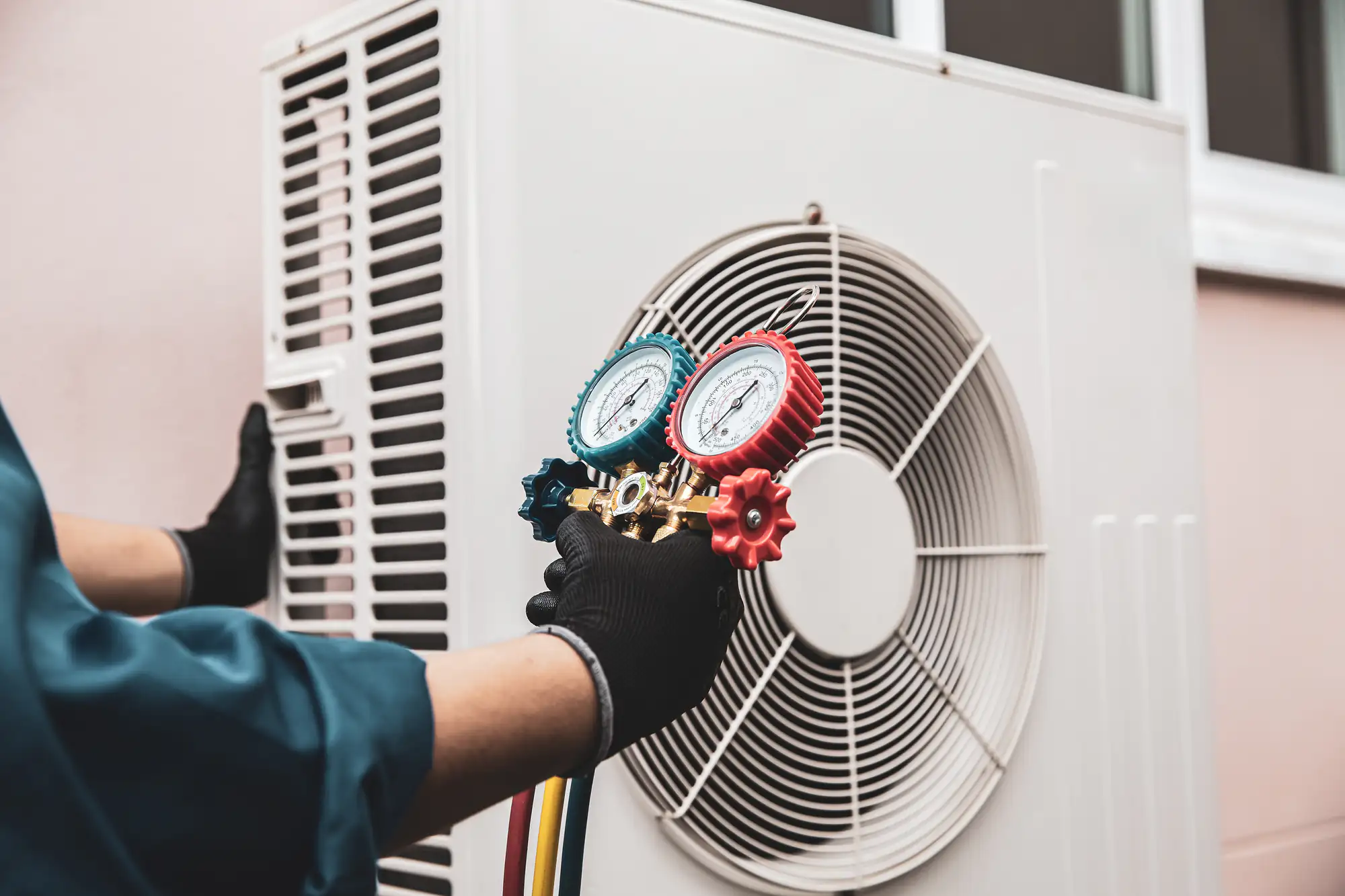
When one of our technicians arrives at your Wood Tick Island home, the first thing we do is a full visual inspection not just of the boiler unit itself, but of the entire exhaust pathway from the burner through the flue to the chimney. This matters especially for homes near the water, where salt air accelerates wear on metal liner components and mortar joints in ways that aren’t always obvious from the outside.
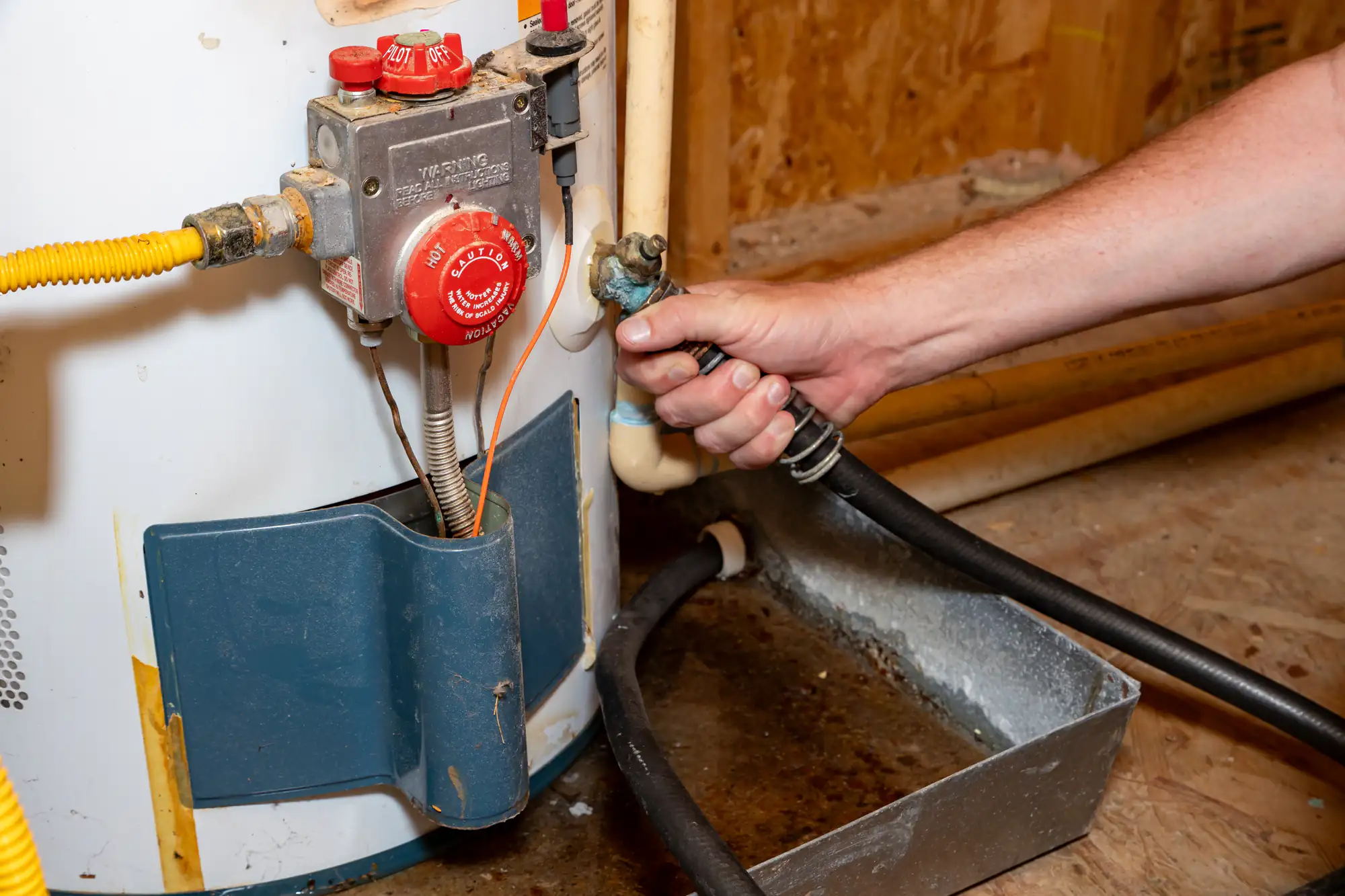
From there, the heat exchanger and burners get cleaned removing the soot and combustion deposits that reduce efficiency and put more strain on the system than necessary. We run a combustion analysis, which checks the air-to-fuel ratio and makes sure the boiler is burning cleanly. The flue gets inspected for blockages, cracks, and proper venting. Safety controls are tested: pressure valves, seals, thermostats, and shutoffs. If there are nesting materials or debris in the chimney not uncommon in a wooded, waterfront area like Wood Tick Island we clear those out as well.
Most residential boiler cleanings take one to two hours. When the work is done, we clean up after ourselves. Multiple customers have specifically mentioned this in their reviews the property was left exactly as they found it. For seasonal homeowners who aren’t always on-site to supervise, that matters.

Ready to get started?
Most HVAC companies that offer boiler service stop at the mechanical unit. They clean the burner, check the pressure, and call it done. What they don’t address is the chimney flue the exhaust pathway that connects your boiler to the outside air. For homes in Wood Tick Island, that flue runs through a coastal environment where salt air, seasonal temperature swings, and moisture create conditions that demand more attention than a standard inland boiler setup.
We cover the complete system. That includes heat exchanger and burner cleaning, combustion analysis, flue inspection and cleaning, safety control testing, gas or oil pressure verification, and nest or obstruction removal when needed. Every component we install liners, caps, any replacement parts is UL listed and meets Suffolk County code requirements. If the Town of East Hampton requires a permit for any structural chimney work identified during the visit, we can walk you through that process.
For seasonal homeowners along Springs Fireplace Road or Old Stone Highway who are opening up a property after months away, this full-system approach is what gives you an honest answer about where things stand not just a cleaned burner and a bill. For year-round residents in Wood Tick Island who rely on oil heat through a Long Island winter, knowing the whole system has been checked is worth more than a partial tune-up.
Yes, and it’s one of the more underappreciated maintenance factors for homes in Wood Tick Island and the Accabonac Harbor area. Salt-laden air off the water doesn’t just affect what you can see on the outside of your chimney it works into the metal components of your flue liner, accelerates corrosion on chimney caps and dampers, and can deteriorate mortar joints faster than in inland locations. Over time, a liner that looks fine from the outside can develop cracks or gaps that allow combustion gases to escape into the living space rather than vent properly to the outside.
This is why annual boiler chimney cleaning for homes near Wood Tick Island isn’t just about soot removal. A thorough inspection of the full exhaust pathway from the boiler connection through the flue to the chimney top is what catches salt-driven corrosion before it becomes a liner failure or a carbon monoxide concern. If your property is close to the water and hasn’t had a full flue inspection in a year or more, that’s worth addressing before the heating season starts.
Once a year is the standard recommendation, and for most homes in the East Hampton area, that means scheduling in late summer or early fall before you actually need the heat. If your property is occupied year-round, a pre-season cleaning in September or October gives you time to address anything that comes up before temperatures drop. If you’re on oil heat, which the majority of East Hampton households are, annual cleaning is especially important because oil combustion produces more soot per BTU than gas, and that buildup accumulates on your heat exchanger surfaces faster.
For seasonal homeowners in Wood Tick Island who close the property from spring through fall, the timing is a little different. A boiler that has been dormant since April needs to be inspected and cleaned before it’s restarted not after. Condensation, internal scale, and sometimes nesting materials in the flue can accumulate over a long off-season. Scheduling a pre-season boiler cleaning before your first fall arrival is the most straightforward way to make sure the system is actually ready when you need it.
Soot and combustion deposits are cumulative. A single missed year doesn’t just mean double the buildup the following year it means that buildup has been sitting on your heat exchanger surfaces longer, reducing efficiency and potentially causing corrosion that wouldn’t have developed with regular cleaning. A layer of soot just one millimeter thick can reduce boiler efficiency by three to four percent. For a household in the Springs area paying Long Island oil prices through a full heating season, that efficiency loss translates directly into higher fuel costs every single month.
There’s also a warranty consideration worth knowing. Most boiler manufacturers require documented annual professional maintenance to keep the warranty valid. If you skip a cleaning and something fails, you may find the repair isn’t covered. A dirty boiler with a partially blocked or deteriorating flue creates conditions where combustion gases don’t vent completely which is the scenario that leads to carbon monoxide buildup. Skipping a year is rarely worth the risk when you weigh it against the cost of an annual cleaning.
This is one of the most common points of confusion for Long Island homeowners on oil heat. Your oil delivery company typically services the burner unit they check the nozzle, filter, and ignition system, and make sure the mechanical components that burn the fuel are working. What they don’t do is clean the chimney flue, inspect the liner, or address the exhaust pathway that carries combustion gases out of your home. Those are two different scopes of work, and they require different expertise.
Our specialty is the chimney side of that system the flue, the liner, the connections between your boiler and the outside air. In the East Hampton area, where older homes often have aging chimney infrastructure and where coastal conditions accelerate wear on flue components, that part of the system needs its own annual attention. Having your oil company service the burner and having us clean and inspect the flue aren’t redundant they cover different parts of the same system.
Based on current industry data, annual boiler cleaning and service in the New York area generally runs between $200 and $500, depending on the scope of work, the size of the system, and what’s found during the inspection. That range covers the cleaning itself along with the inspection, combustion analysis, and safety checks that a thorough visit includes. If additional work is identified a damaged liner, a blocked flue, a cap that needs replacement that would be quoted separately before any work is done.
The more relevant comparison for most homeowners is what deferred maintenance costs. A new boiler installation on Long Island runs anywhere from $5,500 to $15,000 depending on the system. An annual cleaning at a fraction of that cost is straightforward preventive maintenance, not an optional add-on. We’ve been noted by multiple customers as coming in considerably less than competitor quotes for the same work and we’re upfront about what’s needed rather than recommending services that aren’t necessary.
Yes. We carry Suffolk County licensing, which is the specific credential required for chimney and home improvement work in the East Hampton area, including Wood Tick Island and the Springs community. Suffolk County has its own consumer affairs licensing requirements that are separate from Nassau County or a general statewide license so a company licensed to work in Nassau County isn’t automatically qualified to work in Suffolk County. We hold the county-specific credentials for the markets we serve.
Beyond licensing, we carry both liability insurance and workers’ compensation coverage, and all materials we use on any installation are UL listed and up to code. For homeowners in the Town of East Hampton where local building standards and code compliance matter, especially for any chimney liner or structural work that combination of county licensing, insurance, and certified materials is what you want to verify before any contractor starts work on your property. We make those credentials available, not just verbally, but as a verifiable matter of record.
Other Services we provide in Wood Tick Island