Chimney Repair in Patchogue, NY

Stop Chimney Problems Before They Stop You

Fast, reliable chimney repair that actually lasts – no surprises, no overselling, just honest work.

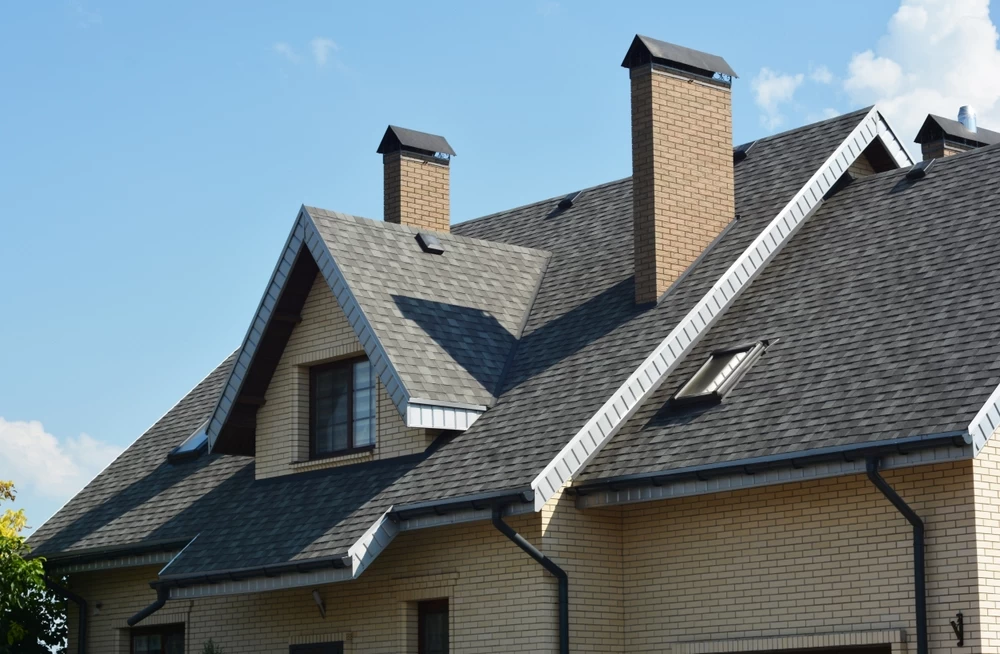
A modern house with a steep gray shingle roof, multiple chimneys, and dormer windows. The exterior walls are light-colored brick.

What our clients say

Bill S
Bill S
I highly recommend these guys. (Bob/Christian)They came right on time and were extremely neat and professional. They did a great job at a reasonable price.
Tommy Glenn
Tommy Glenn
I have been using Bobby and Sherwood for years. I highly recommend them. They did chimney repair and chimney sweep. Great work, great guys.
Ingrid V.
Ingrid V.
Highly recommend Ageless chimney. They were polite, professional and got the job done in one day, left my property as clean as they found it. Very happy!
Brian Nolin
Brian Nolin
Outstanding work, great service, and extremely reliable!!
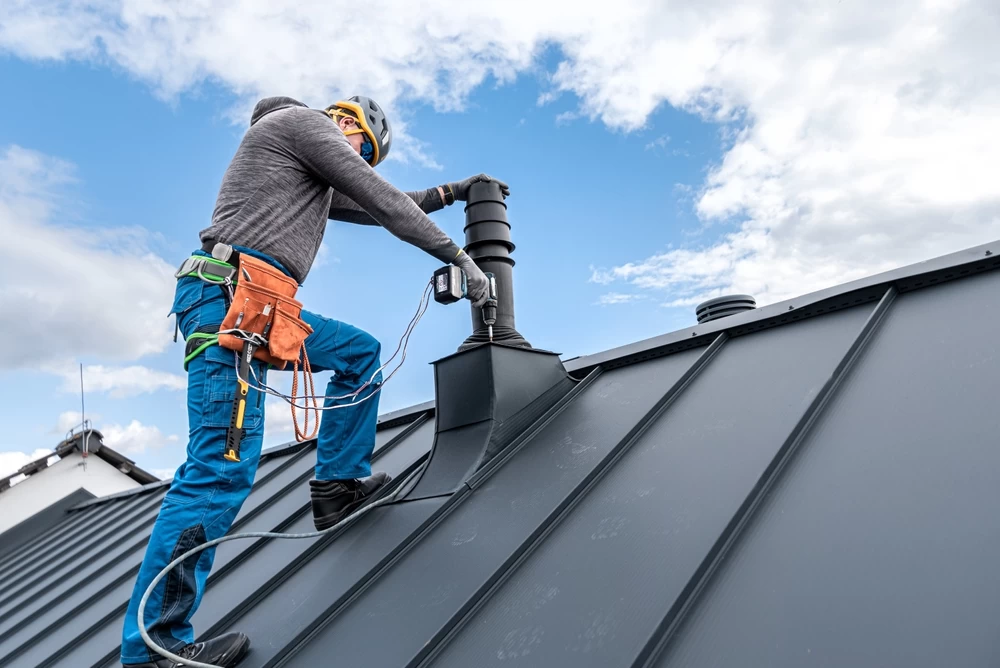
A person wearing safety gear and a tool belt works on a gray metal roof under a partly cloudy sky. They are using a power tool near a chimney vent.

Professional Chimney Masonry Repair Services

Your Chimney Works Like It Should

You get a chimney that does its job without the headaches. No more water stains on your ceiling or wondering if that crack is actually dangerous.

When your chimney works properly, you stop worrying about carbon monoxide, water damage, or surprise repair bills. You use your fireplace when you want to, knowing everything is safe and sound.

The problems that kept you up at night are handled. Your home stays dry, your family stays safe, and you move on to more important things than chimney stress.

Trusted Patchogue Chimney Repair Experts

We Actually Know Chimneys

Ageless Chimney has been fixing chimneys across Long Island for years, and we understand what works in this climate. The freeze-thaw cycles, the coastal moisture, the way brick behaves in Patchogue weather – we’ve seen it all.

We’re not the guys who show up and immediately tell you that you need a complete rebuild. We assess what’s actually wrong, fix what needs fixing, and explain why.

Licensed, insured, and focused on getting your chimney working properly without the runaround you’ve probably gotten from other contractors.

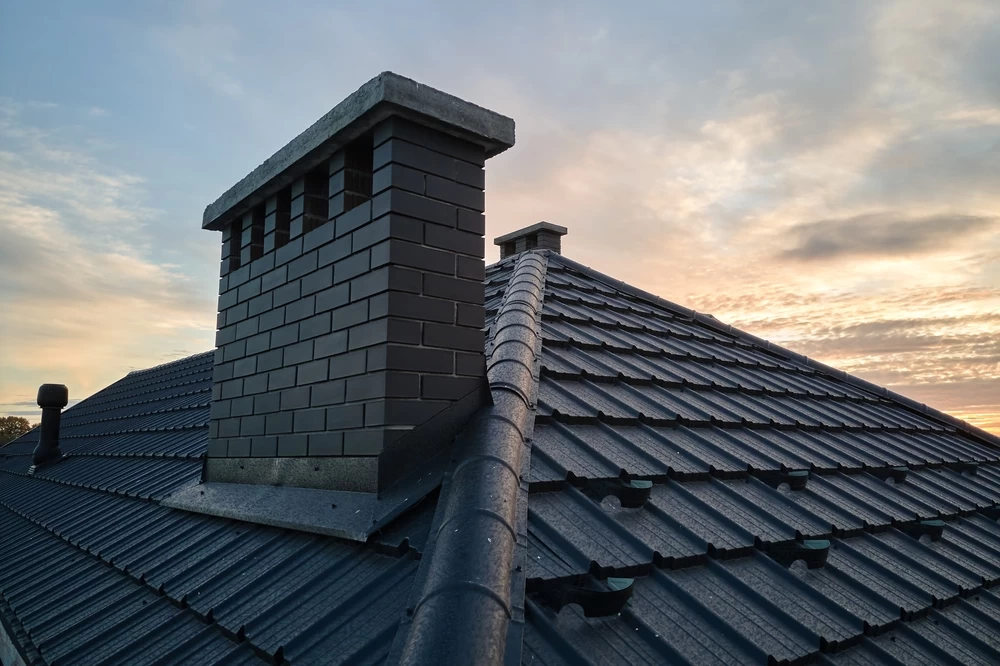
A close-up view of a modern house rooftop with a dark tiled surface and a brick chimney under a cloudy sky during sunset. The angle captures the roof's slope and texture, highlighting the structure's clean lines and neat design.

Our Chimney Repair Process

Here's Exactly What Happens

First, we inspect your chimney inside and out. You get a clear assessment of what’s wrong, what’s urgent, and what can wait. No mystery problems or vague estimates.

Next, we handle the actual repair work. Whether it’s repointing mortar joints, fixing flashing leaks, or rebuilding damaged sections, we use materials that match your existing chimney and hold up to Long Island weather.

Finally, we clean up and show you exactly what was done. You get documentation of the work and straight talk about maintaining your chimney going forward. No surprises, no hidden issues discovered halfway through the job.

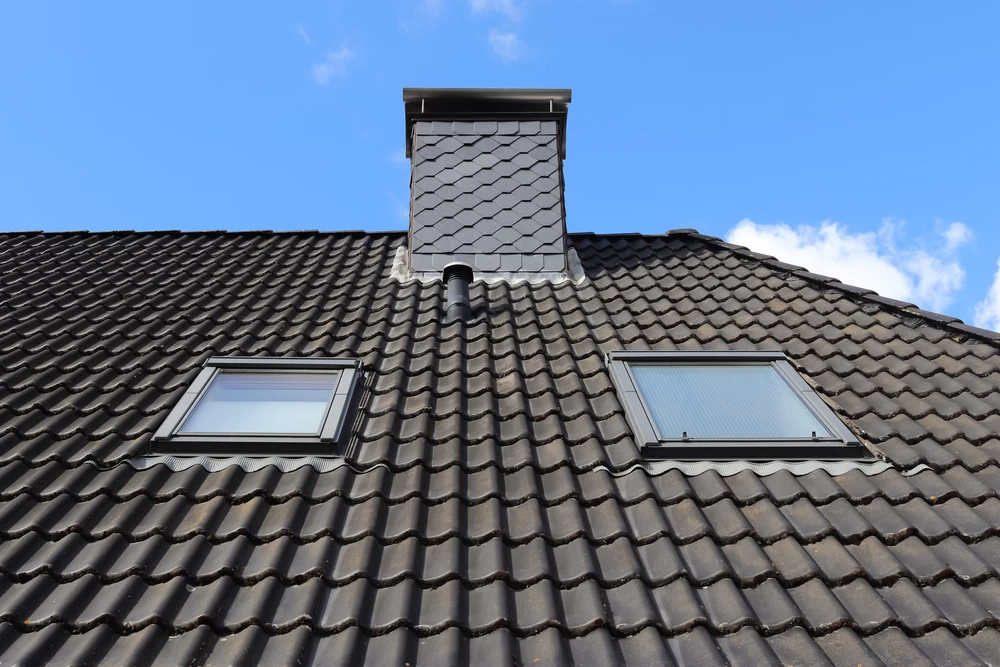
The image shows a building roof with dark gray shingles against a blue sky. Two square skylights are evenly spaced on the roof, and a gray chimney extends upward in the center.

Ready to get started?

Explore More Services

About Ageless Chimney

Get a Free Consultation

Complete Chimney Repair Solutions

Everything Your Chimney Actually Needs

You get comprehensive chimney repair that addresses the real problems. Chimney crown repair stops water from getting into your masonry. Flashing repair eliminates those persistent leaks where your chimney meets the roof.

Brick and mortar restoration fixes structural issues before they become dangerous. Chimney waterproofing protects against Long Island’s harsh weather cycles. Tuckpointing restores both the strength and appearance of deteriorated mortar joints.

Emergency chimney repair is available when you can’t wait – like when a storm damages your chimney or you discover a serious safety issue. We handle both residential and commercial properties throughout Patchogue and surrounding areas.

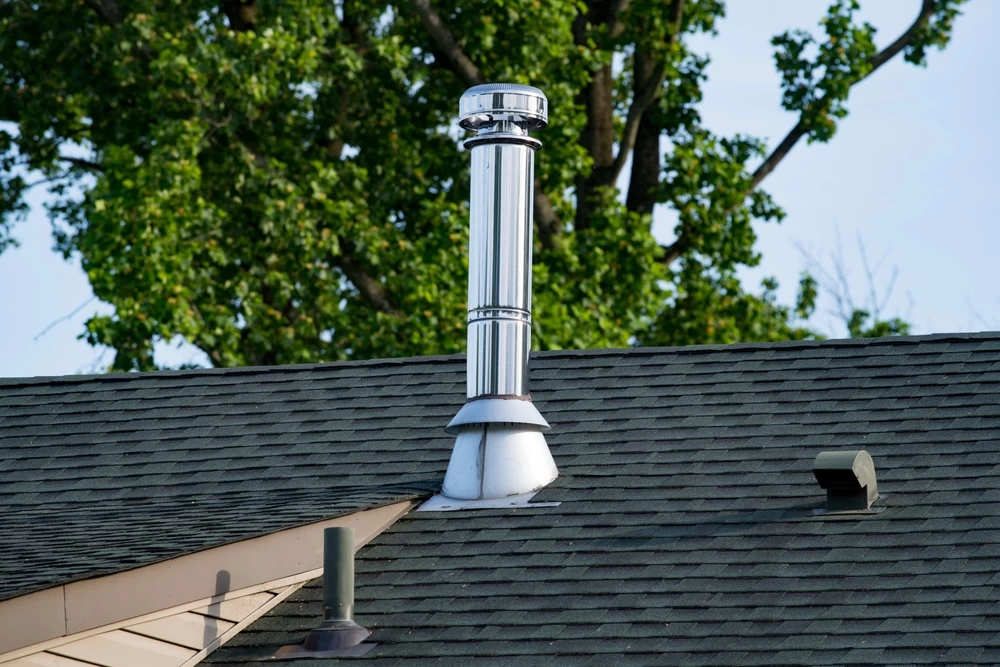
A shiny metal chimney pipe extends from the dark shingled roof of a house, with green trees visible in the background.

How do I know if my chimney leak is serious?

Any water getting into your chimney is serious, but some situations need immediate attention. If you see water stains on walls or ceilings near your chimney, white staining on the outside bricks, or rust on your damper or firebox, you have active water infiltration. These problems get worse fast in Long Island’s freeze-thaw climate. The water expands when it freezes, cracking masonry and creating bigger entry points for more water. Even small leaks can cause thousands in structural damage if left alone, so it’s worth having someone take a look sooner rather than later.
Repointing removes old, damaged mortar and replaces it with new mortar that matches the strength of your existing masonry. It’s about function – stopping water infiltration and restoring structural integrity. Tuckpointing is more detailed work that also focuses on appearance, using contrasting mortar colors to create clean, precise joint lines. Most Long Island chimneys need repointing when the mortar starts crumbling or pulling away from the bricks. Tuckpointing is usually done on historic or high-end properties where the visual result matters as much as the structural repair. Both processes require matching the original mortar composition to avoid damaging your bricks.
Chimney repair costs depend on what’s actually wrong and how extensive the damage is. Minor mortar repairs might run a few hundred dollars, while major structural work can cost several thousand. Chimney crown replacement typically costs more than simple crack sealing. Flashing repair is usually less expensive than full chimney rebuilds. The key is getting an honest assessment of what needs immediate attention versus what can wait. Many contractors will try to sell you a complete rebuild when targeted repairs would solve your problems. A proper inspection should give you a clear breakdown of necessary work versus optional improvements, so you can make informed decisions about your budget.
It depends on what’s wrong with your chimney. If you have structural damage, loose bricks, or damaged flue liner, using your fireplace could be dangerous. Water leaks don’t necessarily make your fireplace unsafe to use, but they’ll get worse if you don’t address them. Carbon monoxide risks come from cracks in the flue or blockages that prevent proper venting. If you’re unsure, don’t risk it – have someone inspect your chimney before your next fire. A professional can tell you if it’s safe to use while you schedule repairs, or if you need to avoid fires until the work is done. Your family’s safety isn’t worth the risk of assuming everything is fine.
Quality chimney repairs should last 15-25 years in Long Island’s climate, assuming proper materials and workmanship. The key is using mortar that matches your original masonry’s strength and composition. Mortar that’s too hard will crack your bricks; mortar that’s too soft won’t protect against water infiltration. Flashing repairs can last 20+ years if done correctly with proper materials. Chimney crowns should be built with adequate slope and proper drainage to handle our freeze-thaw cycles. Waterproofing treatments typically need reapplication every 5-10 years. The biggest factor in repair longevity is addressing the root cause of problems, not just the symptoms. Proper drainage and ventilation prevent most chimney issues from recurring.
Chimney problems always get worse, never better. Water infiltration leads to structural damage, mold growth, and interior repairs that cost far more than fixing the original leak. Cracked masonry becomes loose masonry, which becomes falling bricks and potential injury. Damaged flashing turns small leaks into major water damage affecting your roof, walls, and ceilings. In Long Island’s climate, freeze-thaw cycles accelerate deterioration every winter. What might cost a few hundred dollars to fix today could easily become a several-thousand-dollar problem next year. Beyond the money, you’re risking carbon monoxide exposure, house fires, and structural damage that affects your home’s value and your family’s safety.
Other Services