Chimney Repair in Thomaston, NY

Stop Chimney Problems Before They Damage Your Home

Professional chimney repair that fixes the problem right the first time, protecting your family and your investment.

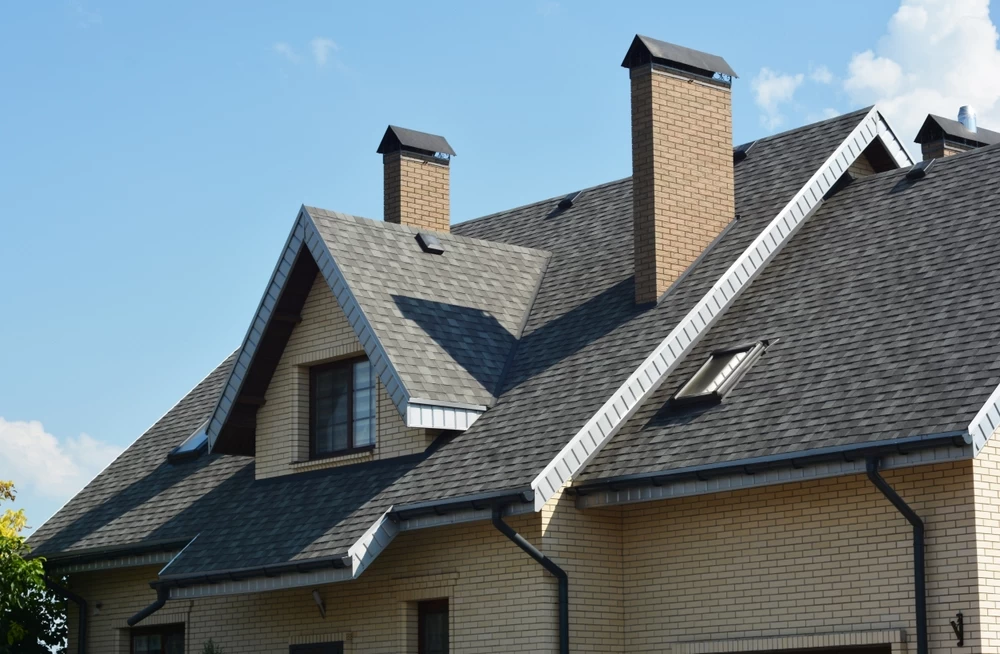
A modern house with a steep gray shingle roof, multiple chimneys, and dormer windows. The exterior walls are light-colored brick.

What our clients say

Bill S
Bill S
I highly recommend these guys. (Bob/Christian)They came right on time and were extremely neat and professional. They did a great job at a reasonable price.
Tommy Glenn
Tommy Glenn
I have been using Bobby and Sherwood for years. I highly recommend them. They did chimney repair and chimney sweep. Great work, great guys.
Ingrid V.
Ingrid V.
Highly recommend Ageless chimney. They were polite, professional and got the job done in one day, left my property as clean as they found it. Very happy!
Brian Nolin
Brian Nolin
Outstanding work, great service, and extremely reliable!!
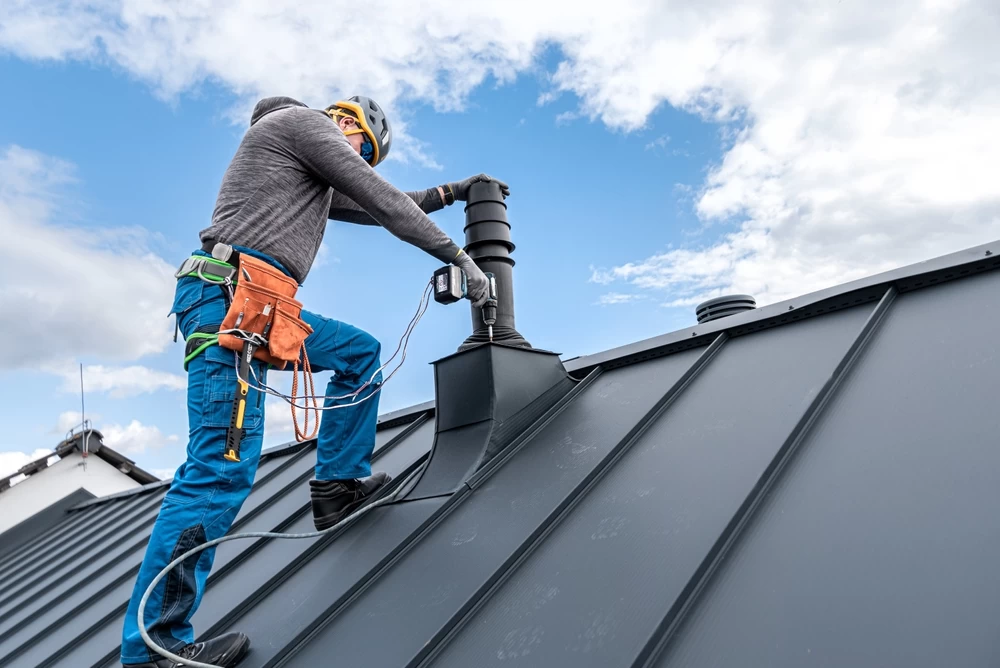
A person wearing safety gear and a tool belt works on a gray metal roof under a partly cloudy sky. They are using a power tool near a chimney vent.

Professional Chimney Masonry Repair Services

What You Get When Your Chimney Works Right

You sleep better knowing your family isn’t breathing carbon monoxide or facing fire hazards. Your heating system works efficiently because air flows properly through a structurally sound chimney.

Water stays outside where it belongs instead of seeping through cracks into your walls, ceiling, or foundation. You avoid the headache and expense of emergency repairs during the worst possible weather.

Your home value stays protected. A well-maintained chimney signals to buyers that the property has been cared for, while a deteriorating one raises red flags about what other problems might be lurking.

Experienced Thomaston Chimney Repair Contractors

We Know Chimneys in This Climate

We’ve been fixing chimneys throughout the Hudson Valley for years. We understand how Northeast winters affect masonry and what it takes to make repairs that last.

We’re licensed, insured, and familiar with local building codes. When we assess your chimney, you get straight answers about what needs fixing and what can wait.

Our team has seen every type of chimney problem common to this area. We know which materials hold up to freeze-thaw cycles and which shortcuts lead to callbacks.

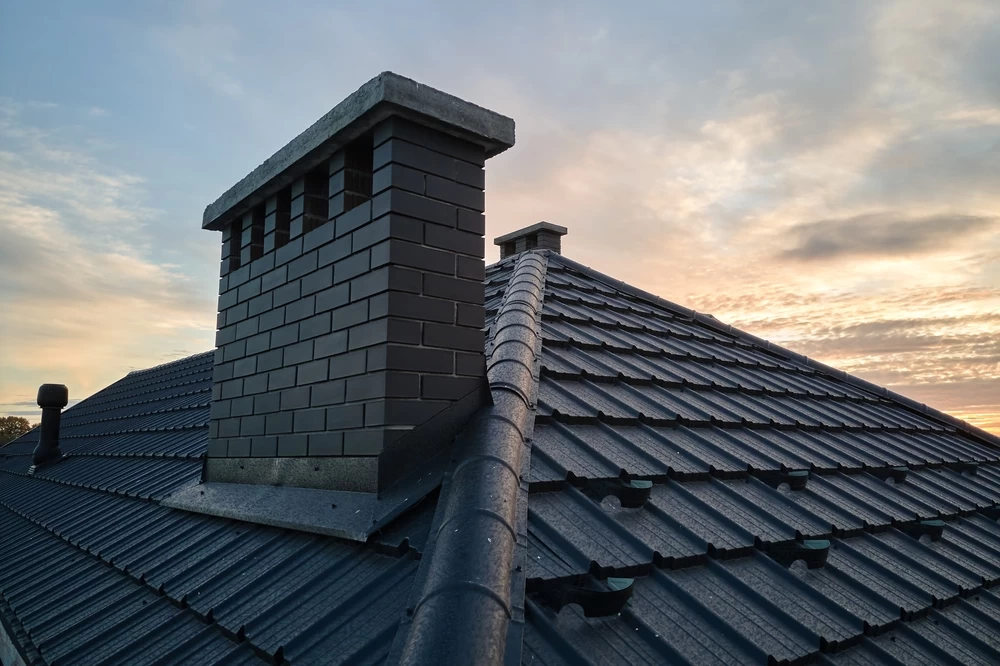
A close-up view of a modern house rooftop with a dark tiled surface and a brick chimney under a cloudy sky during sunset. The angle captures the roof's slope and texture, highlighting the structure's clean lines and neat design.

Our Chimney Repair Process

Here's How We Fix Your Chimney Right

First, we inspect your entire chimney system from top to bottom. We look at the crown, flashing, mortar joints, bricks, and interior components to identify all issues, not just the obvious ones.

You get a detailed written estimate that explains what we found, what needs immediate attention, and what you can plan for down the road. No surprises, no pressure tactics.

During repairs, we protect your property and clean up thoroughly each day. We use quality materials designed for our climate and follow proper techniques that prevent future problems. You’ll know exactly what we’re doing and why.

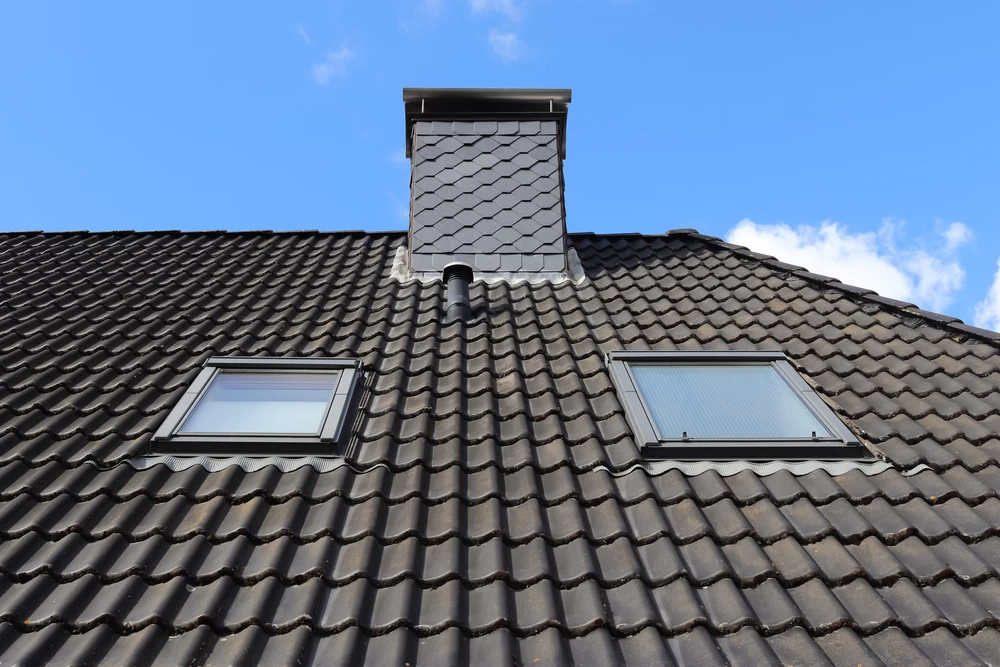
The image shows a building roof with dark gray shingles against a blue sky. Two square skylights are evenly spaced on the roof, and a gray chimney extends upward in the center.

Ready to get started?

Explore More Services

About Ageless Chimney

Get a Free Consultation

Complete Chimney Repair Solutions

Everything Your Chimney Needs to Work Safely

Our chimney repair services cover everything from minor mortar joint repairs to complete structural rebuilds. We handle chimney crown repair, flashing replacement, brick replacement, and waterproofing.

Thomaston’s freeze-thaw cycles are particularly hard on masonry. We see a lot of tuckpointing work where old mortar has cracked and fallen out. We also repair chimney caps that have shifted or broken, creating entry points for water and animals.

Emergency repairs are available when you have active leaks or safety concerns. We understand that chimney problems don’t wait for convenient timing, especially during heating season when your system is working hardest.

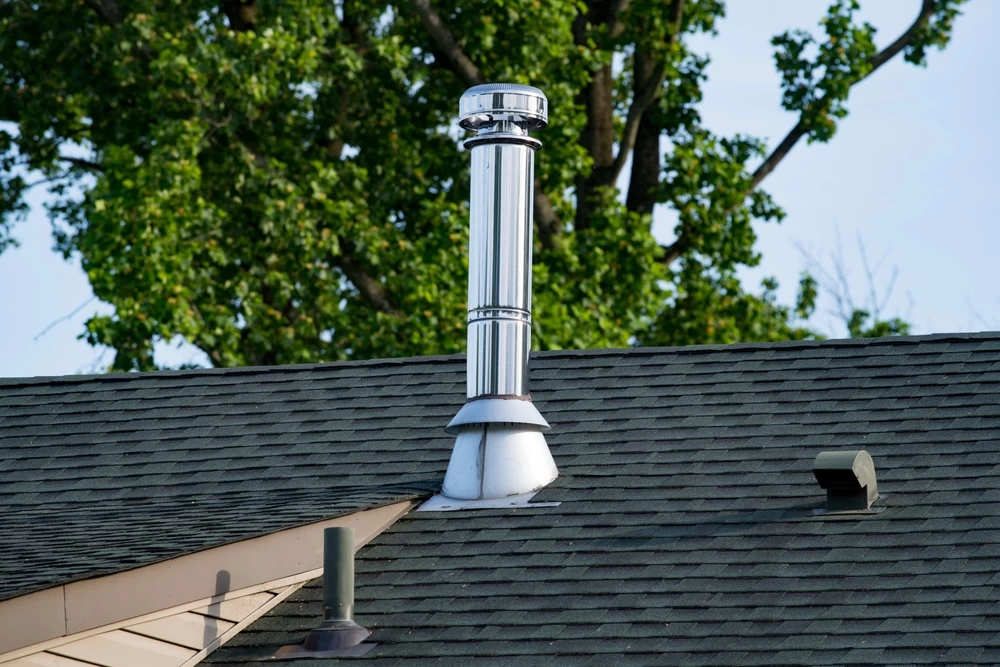
A shiny metal chimney pipe extends from the dark shingled roof of a house, with green trees visible in the background.

How do I know if my chimney needs repair or replacement?

Most chimney problems can be repaired if caught early enough. Look for white staining on the outside bricks, which indicates water penetration. Check for loose or missing mortar between bricks, especially near the roofline where weather exposure is greatest. Inside your home, water stains on walls or ceilings near the chimney are red flags. If you see rust on the damper or firebox, moisture is getting in somewhere. A professional inspection can determine whether repairs will solve the problem or if the damage is too extensive. Generally, if more than 25% of the chimney structure is compromised, replacement becomes more cost-effective than repeated repairs.
Chimney leaks usually start with damaged flashing, cracked chimney crowns, or deteriorated mortar joints. Flashing is the metal barrier between your chimney and roof – when it fails, water pours straight into your home. Crown damage happens when the concrete cap on top of your chimney cracks, allowing water to penetrate the entire structure. We fix leaks by identifying the source first, then repairing or replacing the damaged components. This might involve reflashing, crown repair, tuckpointing, or waterproofing treatments. The key is addressing the root cause, not just the symptoms. A proper repair stops water at its entry point and includes preventive measures to avoid future problems.
Chimney repair costs vary widely depending on the extent of damage and type of work needed. Minor mortar repairs might run a few hundred dollars, while major structural work can cost several thousand. Tuckpointing typically ranges from $500-1500 depending on the area affected. Crown repairs usually fall between $300-800, while complete crown replacement can cost $1000-2000. Flashing repairs range from $200-600 for minor fixes to $800-1500 for complete replacement. The best approach is getting a detailed inspection and written estimate. This lets you prioritize urgent repairs and plan for future maintenance. Remember that addressing problems early almost always costs less than waiting until they become emergencies.
Spring and summer are ideal for non-emergency chimney repairs. The weather is more predictable, materials cure properly, and you’re not disrupting heating season. However, don’t wait if you have active leaks or safety concerns – these need immediate attention regardless of season. Fall can work for repairs, but it’s often our busiest time as homeowners prepare for winter. Winter repairs are possible but weather-dependent and may cost more due to challenging conditions. If you notice problems during heating season, at least get an inspection so you understand what you’re dealing with. Some temporary measures can help you get through winter safely, then permanent repairs can be scheduled for better weather.
This depends entirely on what type of repairs we’re doing and where the damage is located. If we’re working on exterior masonry or flashing, your fireplace might be safe to use. However, if there are structural issues, damaged flue liners, or problems with the crown, using the fireplace could be dangerous. We’ll give you specific guidance based on your situation. Safety is always the priority – carbon monoxide poisoning and house fires are real risks with compromised chimney systems. When in doubt, don’t use the fireplace until repairs are complete and we’ve given you the all-clear. Most repairs can be completed quickly enough that you won’t lose much heating season, and it’s worth the temporary inconvenience for long-term safety and functionality.
Regular maintenance is your best defense against costly chimney problems. Have your chimney inspected annually, especially before heating season. Keep gutters clean so water doesn’t overflow onto the chimney structure. Install a quality chimney cap if you don’t have one – it keeps out water, animals, and debris. Watch for early warning signs like white staining on bricks, rust on metal components, or water stains inside your home. Address small problems quickly before they become major issues. Consider waterproofing treatments every few years, especially if your chimney gets heavy weather exposure. Finally, burn only seasoned hardwood in your fireplace – wet or treated wood creates more creosote and accelerates deterioration. A little preventive care goes a long way toward avoiding expensive emergency repairs.

Other Services