I highly recommend these guys. (Bob/Christian)They came right on time and were extremely neat and professional. They did a great job at a reasonable price.
Tommy Glenn
I have been using Bobby and Sherwood for years. I highly recommend them. They did chimney repair and chimney sweep. Great work, great guys.
Ingrid V.
Highly recommend Ageless chimney. They were polite, professional and got the job done in one day, left my property as clean as they found it. Very happy!
Brian Nolin
Outstanding work, great service, and extremely reliable!!
Professional Fireplace Cleaning Services
What Clean Fireplaces Give You
Your fireplace works the way it should. No more smoke rolling into your living room when you light a fire. No more worrying about creosote buildup causing a chimney fire that could destroy your home.
You get peace of mind every time you use your fireplace. The flue draws properly, sending smoke and gases safely outside where they belong. Your family breathes cleaner air, and you eliminate those lingering smoke odors that stick to furniture and walls.
Clean fireplaces also burn more efficiently. You’ll use less wood, get better heat output, and reduce your heating costs. Plus, you’re protecting your home’s value with documented maintenance that insurance companies want to see.
We’ve been cleaning fireplaces and chimneys throughout Nassau County for years. We understand how Long Island’s coastal climate affects your chimney system and what problems homeowners face here.
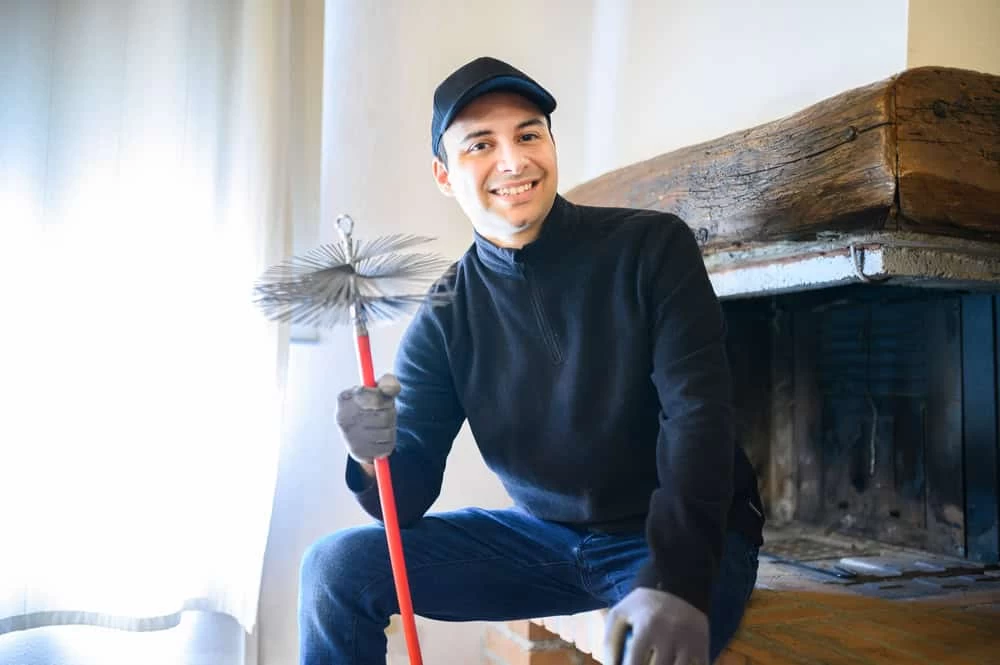
Our certified technicians use professional-grade equipment to remove creosote, soot, and debris that builds up over time. We’re licensed, insured, and trained to handle both wood-burning and gas fireplace systems safely.
You’re not getting a quick brush-through. You’re getting a thorough cleaning from professionals who take your family’s safety seriously.
We start with a complete inspection of your fireplace and chimney system. This tells us what we’re dealing with and identifies any problems that need attention beyond cleaning.
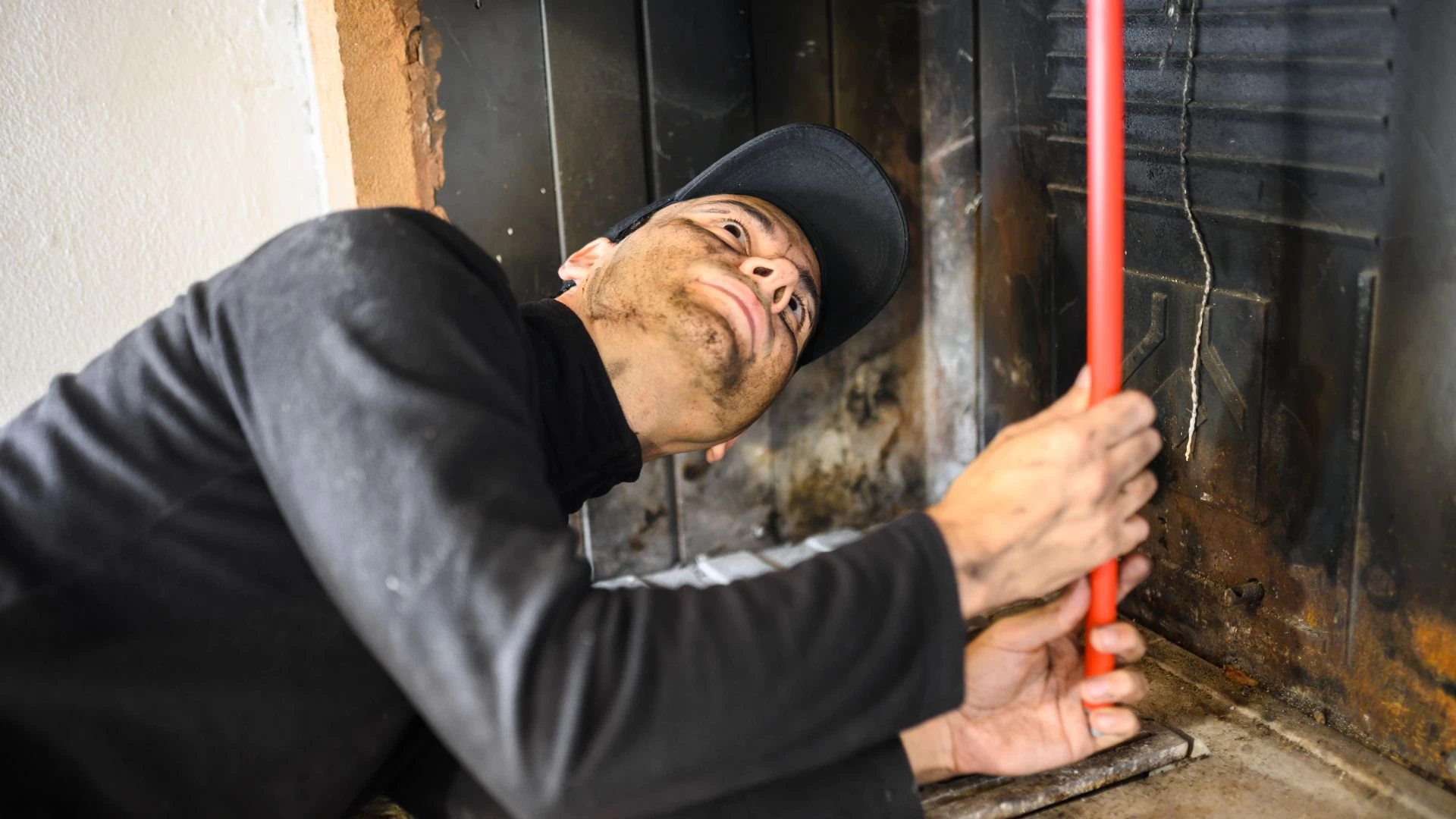
Next, we protect your home with drop cloths and seal off the fireplace area to contain dust and debris. We use specialized brushes and vacuum systems to remove creosote, soot, and blockages from the flue and firebox.
We clean from top to bottom, making sure the entire system is clear. Before we finish, we inspect our work and provide you with a detailed report of what we found and what we cleaned. You’ll know exactly what condition your fireplace is in.
Every fireplace cleaning includes thorough removal of creosote, soot, and debris from the firebox, smoke chamber, and flue. We clean the damper area and check that it opens and closes properly.
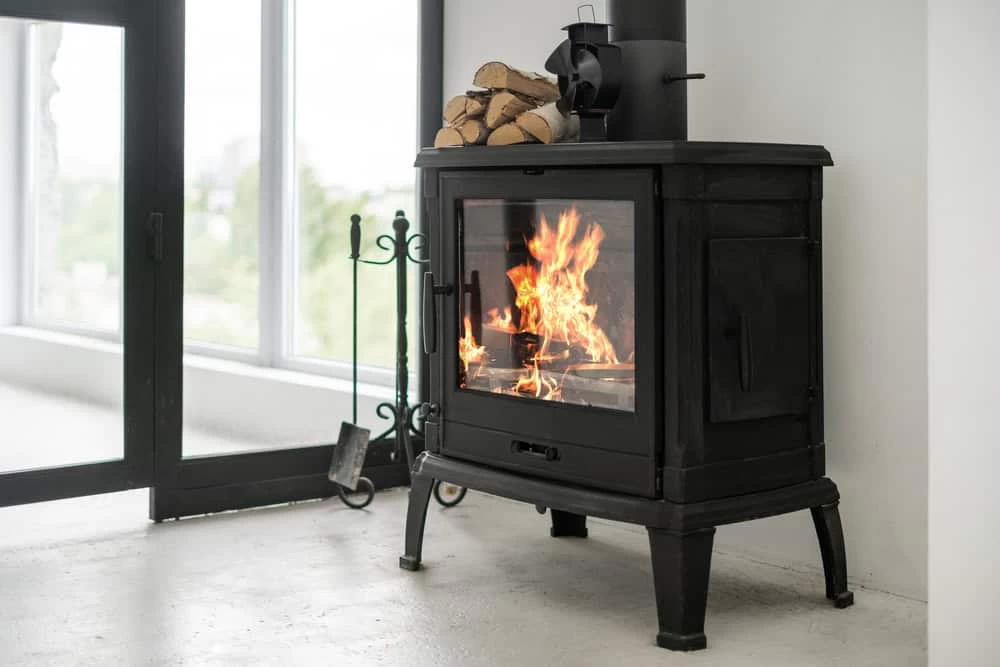
For wood-burning fireplaces, we pay special attention to creosote buildup, which is the leading cause of chimney fires. Gas fireplaces get different treatment—we focus on removing dust, debris, and any obstructions that could affect proper venting.
We also inspect the chimney cap, screen, and exterior components during our service. You’ll receive a written report detailing what we cleaned, what we found, and any recommendations for repairs or maintenance. This documentation is crucial for insurance purposes and aids in monitoring the condition of your fireplace.
How often should I have my fireplace professionally cleaned?
Most wood-burning fireplaces need professional cleaning once a year if you use them regularly. If you burn more than a cord of wood per season, you might need cleaning twice a year. Gas fireplaces typically need cleaning every 2-3 years, but annual inspection is still smart. The key factor is usage—more fires mean more buildup. Creosote accumulates faster when you burn unseasoned wood or have incomplete combustion. Don’t wait until you notice problems like smoke entering the room or strong odors. By then, you already have significant buildup that could be dangerous.
What's the difference between cleaning wood and gas fireplaces?
Wood-burning fireplaces create creosote, a tar-like substance that builds up in the flue and can ignite, causing chimney fires. These require aggressive cleaning with specialized brushes to remove this dangerous buildup. Gas fireplaces don’t produce creosote, but they still accumulate dust, debris, spiderwebs, and other obstructions that can block proper venting. Gas fireplace cleaning focuses on ensuring clear airflow and checking that carbon monoxide vents properly outside your home. Both types need professional attention, but the cleaning methods and frequency differ based on what they’re burning and what byproducts they create.
How do I know if my fireplace needs cleaning?
Several signs indicate your fireplace needs professional cleaning. Smoke entering your room instead of going up the chimney is a clear warning. White staining on the outside of your chimney, strong odors coming from the fireplace when not in use, and rust on the damper or firebox also signal problems. If you see animals or birds in your fireplace, or if it’s been more than a year since your last cleaning, it’s time to call professionals. Don’t wait for obvious problems—creosote buildup and blockages develop gradually and can become dangerous before you notice symptoms.
Will fireplace cleaning make a mess in my house?
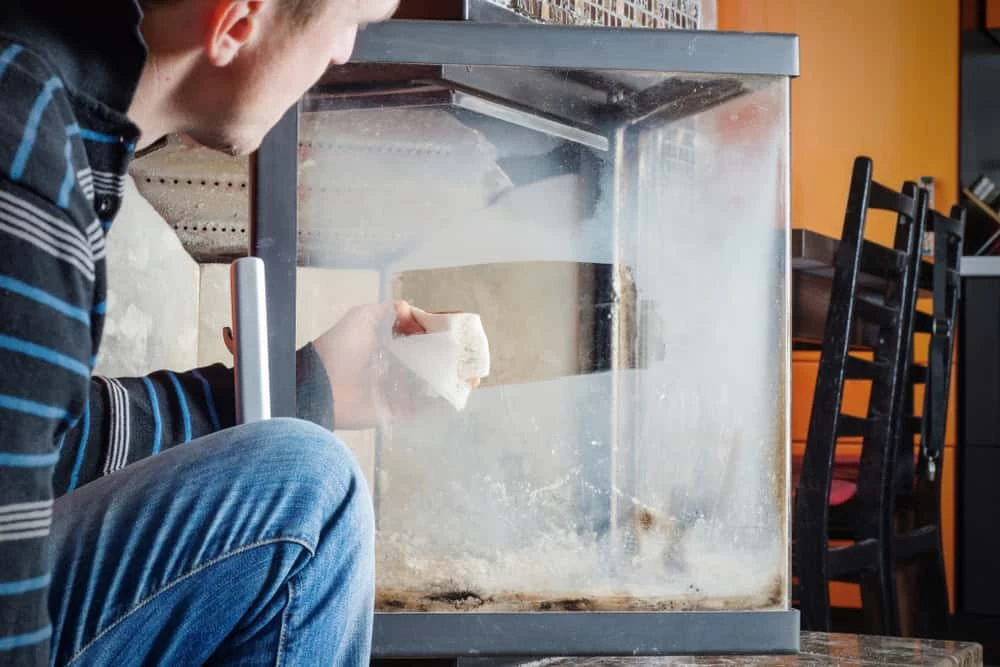
Professional fireplace cleaning shouldn’t create a mess in your home when done properly. We use drop cloths, plastic sheeting, and high-powered vacuum systems specifically designed for chimney work. The fireplace area gets sealed off to contain dust and debris. Most of the cleaning happens from the roof down, with powerful vacuums capturing particles before they enter your living space. You might notice some dust in the immediate fireplace area, but your furniture and floors should stay clean. DIY cleaning is where homeowners typically create major messes—professional equipment and techniques prevent that problem.
Can I clean my fireplace to save money?
Fireplace cleaning requires specialized equipment, safety knowledge, and experience that most homeowners don’t have. Creosote removal needs professional-grade brushes and techniques—standard cleaning tools won’t remove dangerous buildup effectively. You also need proper safety equipment for roof work and knowledge of how chimney systems function. Many homeowners who attempt DIY cleaning miss critical areas, don’t remove enough creosote, or create safety hazards. Professional cleaning costs far less than dealing with a chimney fire, carbon monoxide poisoning, or insurance claims denied due to improper maintenance. The risk-to-savings ratio doesn’t make sense for most homeowners.
What happens if I don't clean my fireplace regularly?
Skipping regular fireplace cleaning creates serious safety and financial risks. Creosote buildup can ignite, causing chimney fires that spread to your home’s structure. These fires burn extremely hot and can destroy your house quickly. Blocked flues can also cause carbon monoxide to enter your living space instead of venting outside—this invisible, odorless gas can be fatal. Additionally, many insurance companies require documented chimney maintenance. If you cannot demonstrate regular professional cleaning, insurance companies may deny your claims for fire damage. Neglected fireplaces also lose efficiency, cost more to operate, and eventually need expensive repairs that proper maintenance would have prevented.