Fireplace Cleaning in Dix Hills, NY

Safe, Clean Fireplaces Every Season

Professional fireplace cleaning that removes dangerous buildup and keeps your family safe all winter long.

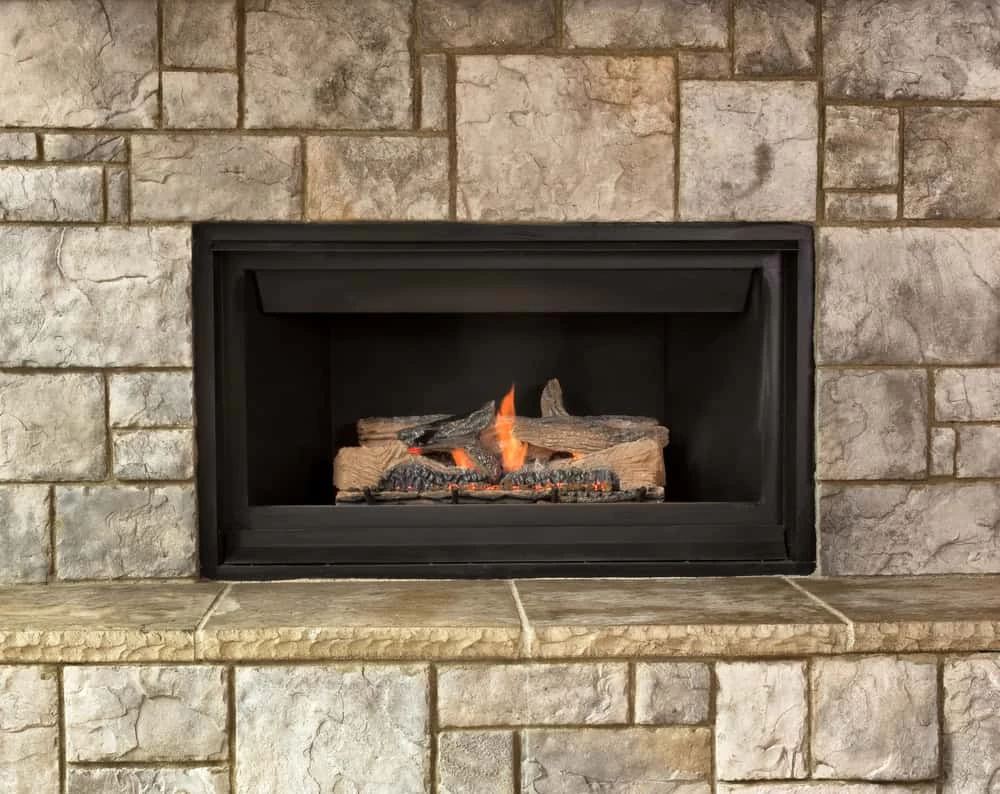
A stone fireplace with a modern black frame, featuring burning logs and small, bright orange flames. The stonework has a rustic appearance, with varied shapes and sizes, creating a cozy and warm atmosphere.

What our clients say

Bill S
Bill S
I highly recommend these guys. (Bob/Christian)They came right on time and were extremely neat and professional. They did a great job at a reasonable price.
Tommy Glenn
Tommy Glenn
I have been using Bobby and Sherwood for years. I highly recommend them. They did chimney repair and chimney sweep. Great work, great guys.
Ingrid V.
Ingrid V.
Highly recommend Ageless chimney. They were polite, professional and got the job done in one day, left my property as clean as they found it. Very happy!
Brian Nolin
Brian Nolin
Outstanding work, great service, and extremely reliable!!
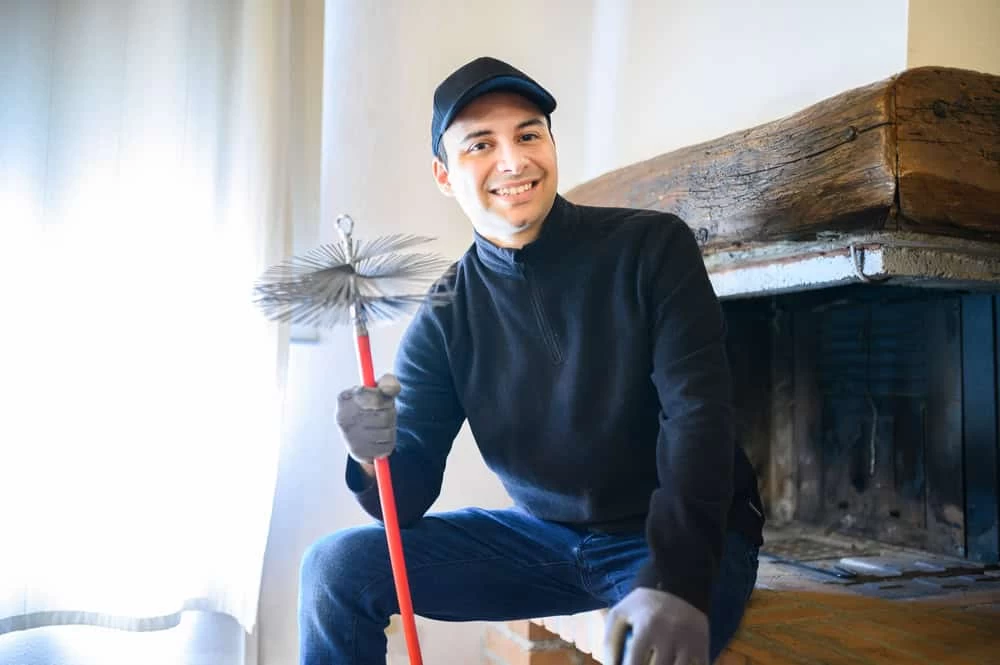
A person in a black cap and sweater smiles while holding a chimney cleaning brush. They are seated next to a rustic fireplace with exposed wood and brick. Soft daylight filters through a nearby window.

Professional Fireplace Cleaning Services

What Clean Fireplaces Actually Give You

You get to use your fireplace without wondering if something’s wrong. No more smoke backing up into your living room. No more worrying about creosote buildup or carbon monoxide.

Your fireplace works the way it should. Better heat output, cleaner burning, proper ventilation. You’re not dealing with poor performance or safety concerns every time you want to enjoy a fire.

Most importantly, you have peace of mind. Your family’s safe, your home’s protected, and your fireplace maintenance is handled by professionals who know what they’re doing. That’s what regular fireplace cleaning actually delivers.

Certified Fireplace Cleaners Dix Hills

We Know Long Island Fireplaces

Ageless Chimney has been cleaning fireplaces throughout Long Island for years. We understand the specific challenges that come with older homes in Dix Hills and the seasonal demands of Northeast winters.

Our technicians are certified and experienced with both gas and wood-burning fireplaces. We’ve seen every type of buildup, blockage, and maintenance issue that affects Long Island homes. When you call us, you’re working with professionals who know exactly what your fireplace needs.

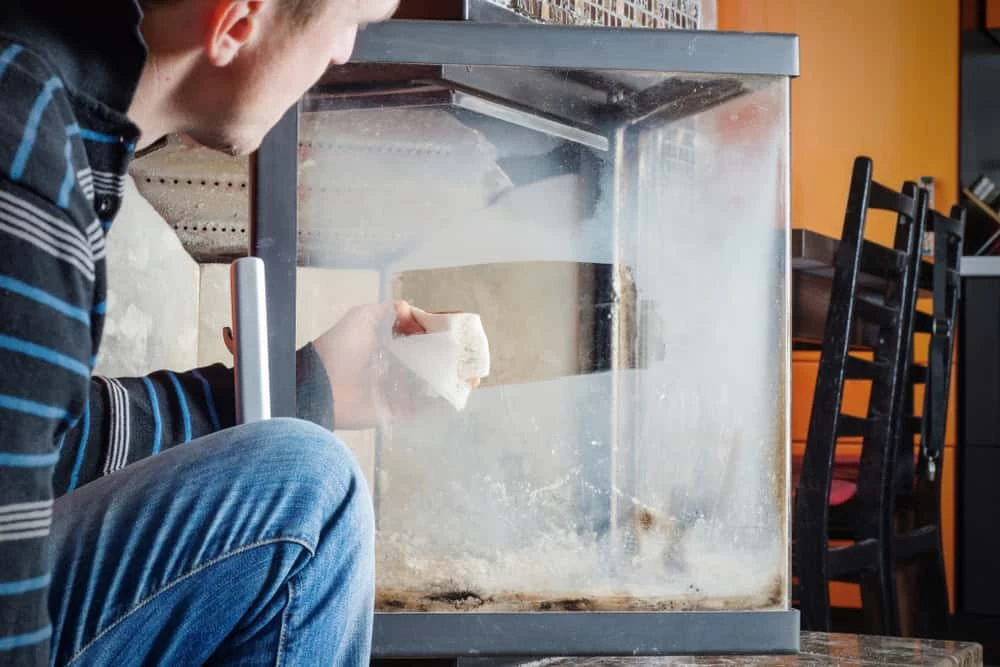
A person in a striped sweater is cleaning the glass of a fish tank using a white cloth while kneeling on the floor. The room has an orange wall and dark chairs in the background.

Fireplace Cleaning Process Dix Hills

Here's How We Clean Your Fireplace

First, we protect your home. Drop cloths go down, furniture gets covered, and the work area is contained so you don’t end up with soot throughout your house.

Next comes the actual cleaning. We remove all debris, scrub away creosote and soot buildup, and clean the firebox, damper, and accessible flue areas. For gas fireplaces, we clean the burner assembly and check gas connections.

Finally, we inspect everything. You get a clear picture of your fireplace’s condition, any issues that need attention, and recommendations for maintenance. The whole process typically takes 1-2 hours, and you’re left with a clean, safe fireplace ready for use.

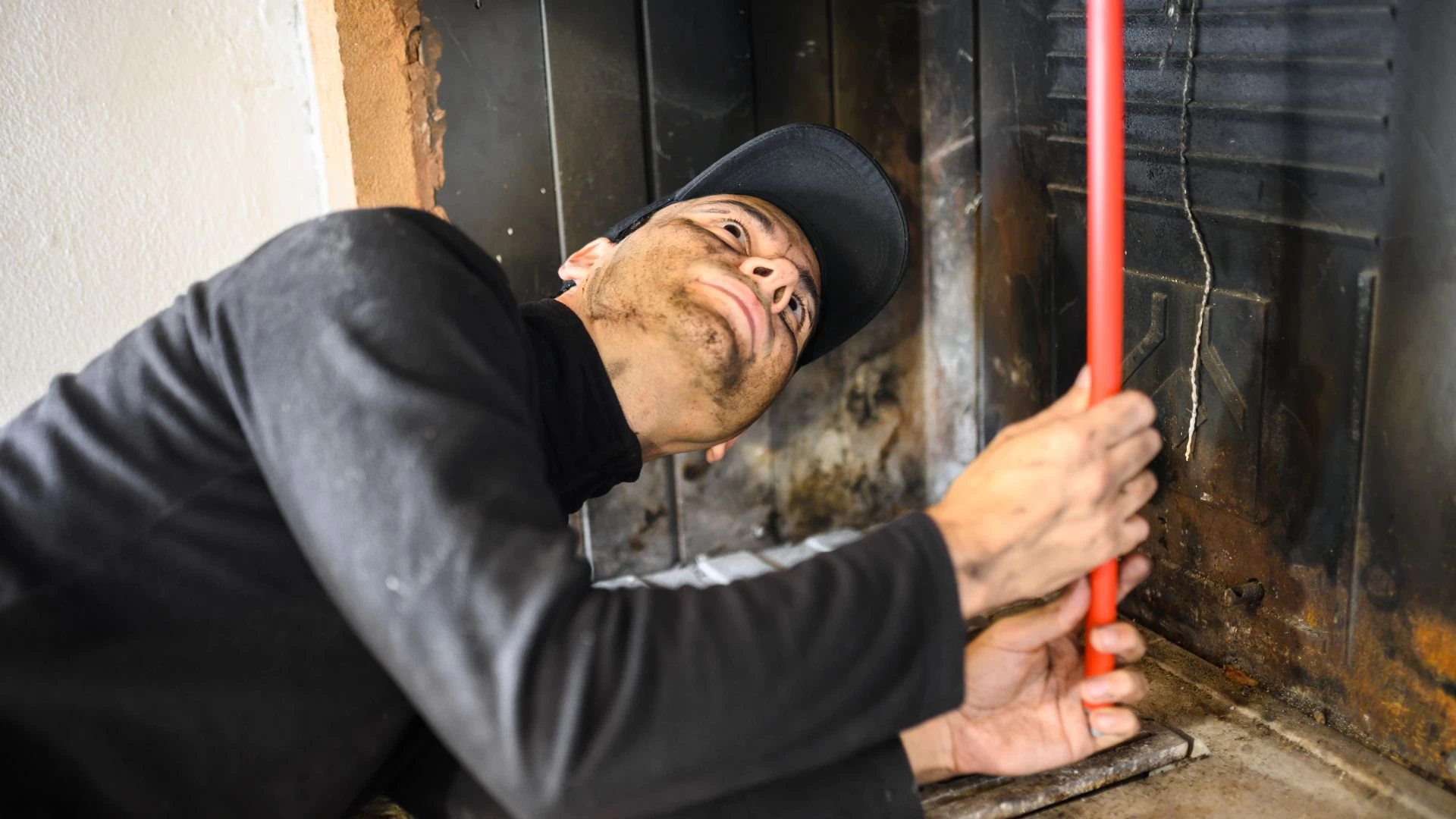
Person performing fireplace cleaning with a red brush inside a chimney. Their face and hands are smudged with soot, indicating they've been working.

Ready to get started?

Explore More Services

About Ageless Chimney

Get a Free Consultation

Complete Fireplace Cleaning Service

What's Included in Every Cleaning

Every fireplace cleaning includes removal of all soot, ash, and debris from the firebox and accessible flue areas. For wood-burning fireplaces, this means scraping away dangerous creosote buildup that can ignite and cause chimney fires.

Gas fireplace cleaning covers the burner assembly, gas logs, and ventilation system. We check for proper gas flow, clean the pilot light area, and ensure all connections are secure and functioning correctly.

You also get a basic safety inspection with every cleaning. We check the damper operation, look for cracks or damage, and identify any issues that could affect safety or performance. This isn’t just cleaning—it’s comprehensive fireplace maintenance that keeps your system working properly year after year.

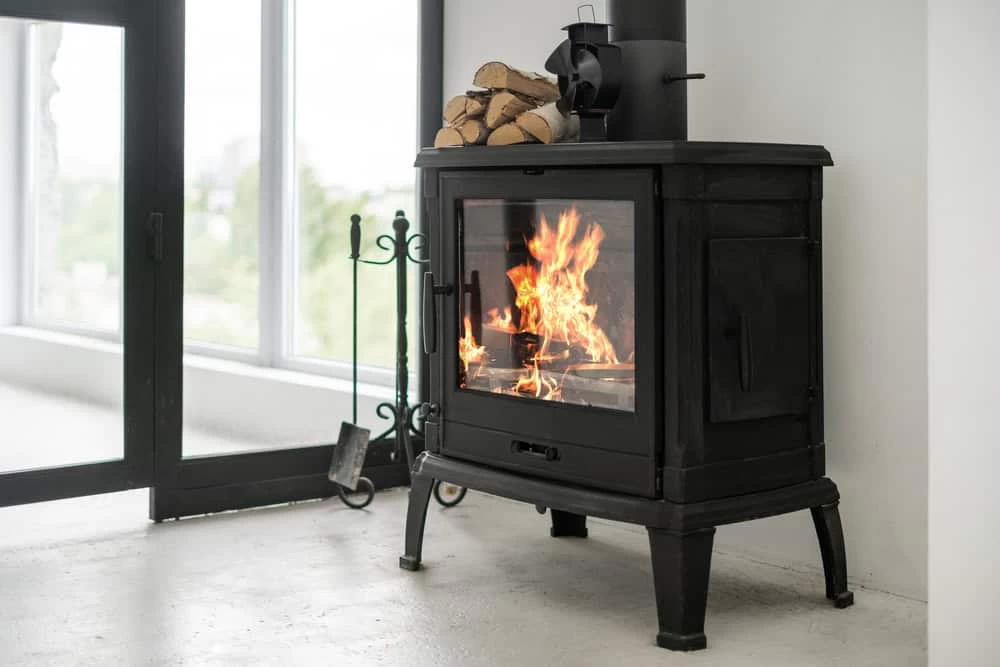
A black wood-burning stove with a glass door, showing a bright, orange fire inside. A stack of firewood is on top of the stove, and a set of fireplace tools is nearby. Large windows in the background let in natural light.

How often should I have my fireplace professionally cleaned?

Most fireplace experts recommend annual cleaning for regularly used fireplaces. If you burn fires more than twice a week during winter, you might need cleaning twice a year. Gas fireplaces typically need less frequent cleaning than wood-burning ones, but they still require annual maintenance to ensure safe operation. The key is consistency—regular cleaning prevents dangerous buildup and catches small problems before they become expensive repairs. If you notice smoke entering your room, poor draft, or white staining on your chimney exterior, don’t wait for your regular cleaning schedule.
Wood fireplace cleaning focuses heavily on removing creosote, a tar-like substance that builds up from burning wood and can ignite, causing chimney fires. This requires scraping, brushing, and sometimes chemical treatment to remove completely. Gas fireplace cleaning is less intensive but equally important—it involves cleaning the burner assembly, checking gas connections, and ensuring proper ventilation. Gas systems don’t produce creosote, but they can accumulate dust, spider webs, and other debris that affects performance. Both types need professional attention, but the techniques and focus areas are different based on how they operate and what they produce.
Professional fireplace cleaning in the Dix Hills area typically ranges from $150 to $300, depending on the type of fireplace, level of buildup, and additional services needed. Wood-burning fireplaces usually cost more to clean than gas fireplaces due to creosote removal requirements. The price includes cleaning, basic inspection, and a report on your fireplace’s condition. Additional services like damper repair, cap replacement, or extensive flue cleaning will increase the cost. Most homeowners find that regular annual cleaning is much more affordable than dealing with emergency repairs or damage from neglected maintenance. Get a clear estimate upfront so you know exactly what you’re paying for.
You can handle basic maintenance like removing ashes and debris from the firebox, but professional cleaning goes much deeper. Creosote removal requires specialized tools and techniques that most homeowners don’t have access to. More importantly, professional cleaners know how to identify safety issues like cracks in the flue liner, damaged dampers, or improper ventilation that could put your family at risk. We also have the equipment to clean areas you can’t safely reach. While DIY maintenance can help between professional cleanings, it’s not a substitute for annual professional service. The investment in professional cleaning is worth it for the safety, thoroughness, and peace of mind you get.
Skipping regular fireplace cleaning creates serious safety risks and expensive problems. In wood-burning fireplaces, creosote buildup can ignite and cause chimney fires that damage your home or spread to other structures. Even without fires, buildup restricts airflow, causing smoke to back up into your living space and potentially exposing your family to carbon monoxide. Neglected fireplaces also develop structural problems—cracks in the flue liner, damaged dampers, and deteriorated mortar that lead to costly repairs. Your homeowner’s insurance may not cover damage from unmaintained fireplaces. Regular cleaning prevents these problems and actually saves money by catching issues early when they’re still manageable and affordable to fix.
Several warning signs indicate your fireplace needs immediate professional attention. If smoke enters your room instead of going up the chimney, that’s a clear sign of blockage or buildup. White staining on your chimney exterior means water is mixing with creosote and damaging your chimney structure. Strange odors from your fireplace, especially during humid weather, indicate creosote buildup. For gas fireplaces, yellow flames instead of blue flames, or the smell of gas when the fireplace isn’t running, require immediate professional service. If you hear animals or notice birds around your chimney, you likely have blockages that need removal. Don’t ignore these signs—they indicate safety issues that professional cleaning can resolve before they become dangerous or expensive.

Other Services