I highly recommend these guys. (Bob/Christian)They came right on time and were extremely neat and professional. They did a great job at a reasonable price.
Tommy Glenn
I have been using Bobby and Sherwood for years. I highly recommend them. They did chimney repair and chimney sweep. Great work, great guys.
Ingrid V.
Highly recommend Ageless chimney. They were polite, professional and got the job done in one day, left my property as clean as they found it. Very happy!
Brian Nolin
Outstanding work, great service, and extremely reliable!!
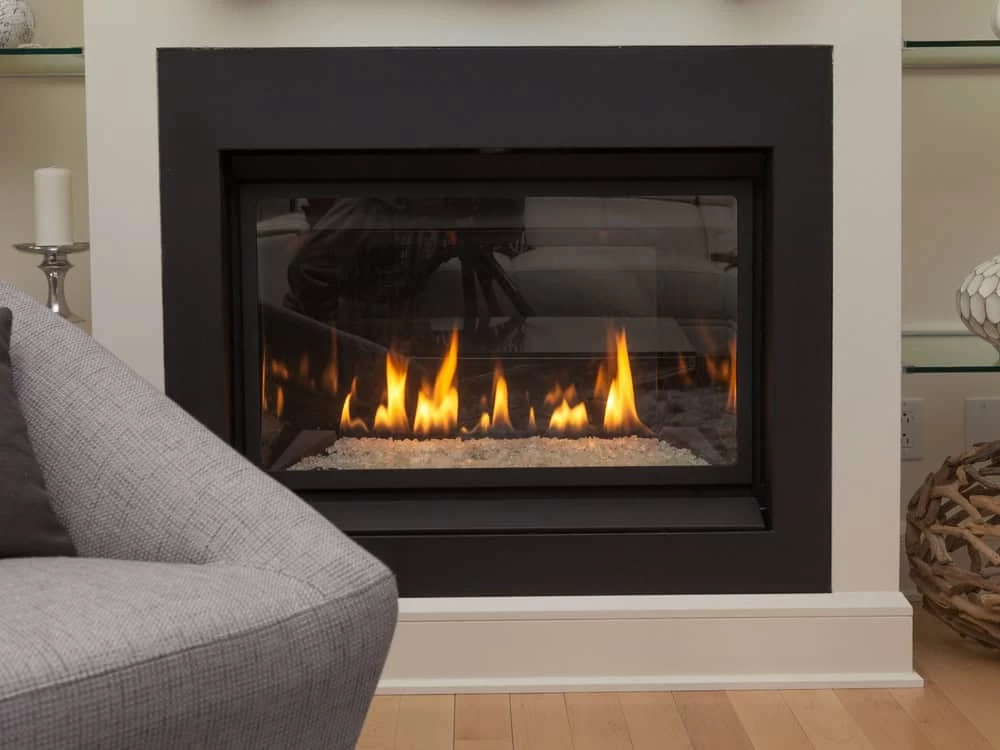
Benefits of Fireplace Remodeling
Improve Your Living Space
Add to your home value with custom fireplace designs.
Enjoy energy with modern fireplace conversions.
Revitalize your space with a fireplace mantel replacement.
Feel the comfort and style with our fireplace upgrades.
We provide top-level fireplace remodeling services in Alphabet City, NY. Our team of skilled fireplace remodelers specializes in custom fireplace design, enabling your vision to come to life. With years of experience in New York City, our focus on quality and customer satisfaction sets us apart. Trust us to upgrade your home with elegance and functionality.
Fireplace remodeling is more than just an upgrade; it’s a transformation. Our expertise in modern fireplace conversions and custom designs helps your fireplace complement your home’s aesthetic and improve its functionality. Serving New York City, Ageless Chimney is your trusted partner for all fireplace needs. Contact us at 516-795-1313 to start your remodeling journey today.
Prior to development, most of present-day Alphabet City was a salt marsh, regularly flooded by the tides of the East River (technically an estuary, not a river). Marshes played a critical role in the food web and protected the coast. The Lenape Native Americans who inhabited Manhattan before European contact presided over similar ecosystems from New York Bay to Delaware Bay. They tended to settle in forest clearings. In summer, however, they foraged shellfish, gathered cordgrass for weaving, and otherwise exploited the wetlands.
Dutch settlers brought a different model of land ownership and use. In 1625, representatives of the Dutch West India Company set their sights on lower Manhattan, with plans for a fortified town at its tip served by farms above. In 1626, they “purchased” the island from a local Lenape group and began parceling the land into boweries (from the Dutch for “farm”). The northern half of the Alphabet City area was part of Bowery Number 2. The southwest quarter was part of Bowery Number 3. Both belonged initially to the company but were soon sold to individuals. By 1663, a year before surrendering the colony to England, Director General Peter Stuyvesant had acquired the relevant part of Number 2 and much of Number 3 from other settlers. The company divided the southeast quarter of Alphabet City into small lots associated with larger parcels further away from the shore. In this way, upland farmers gained access to the unique tidal ecosystem-“salt meadow” as they called it-and with it, “salt hay,” a cordgrass species valued as fodder. In his influential Description of New Netherland (1655), Adriaen van der Donck informed his fellow Dutchmen:
There [are] salt meadows; some so extensive that the eye cannot oversee the same. Those are good for pasturage and hay, although the same are overflowed by the spring tides, particularly near the seaboard. These meadows resemble the lows and outlands of the Netherlands. Most of them could be dyked and cultivated.