I highly recommend these guys. (Bob/Christian)They came right on time and were extremely neat and professional. They did a great job at a reasonable price.
Tommy Glenn
I have been using Bobby and Sherwood for years. I highly recommend them. They did chimney repair and chimney sweep. Great work, great guys.
Ingrid V.
Highly recommend Ageless chimney. They were polite, professional and got the job done in one day, left my property as clean as they found it. Very happy!
Brian Nolin
Outstanding work, great service, and extremely reliable!!
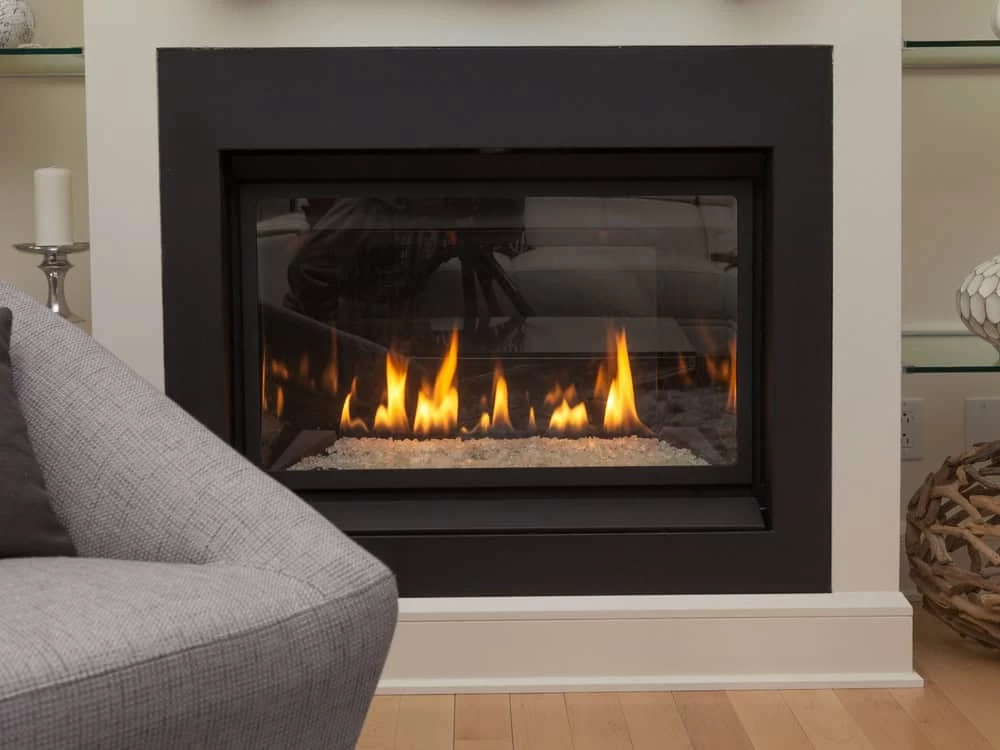
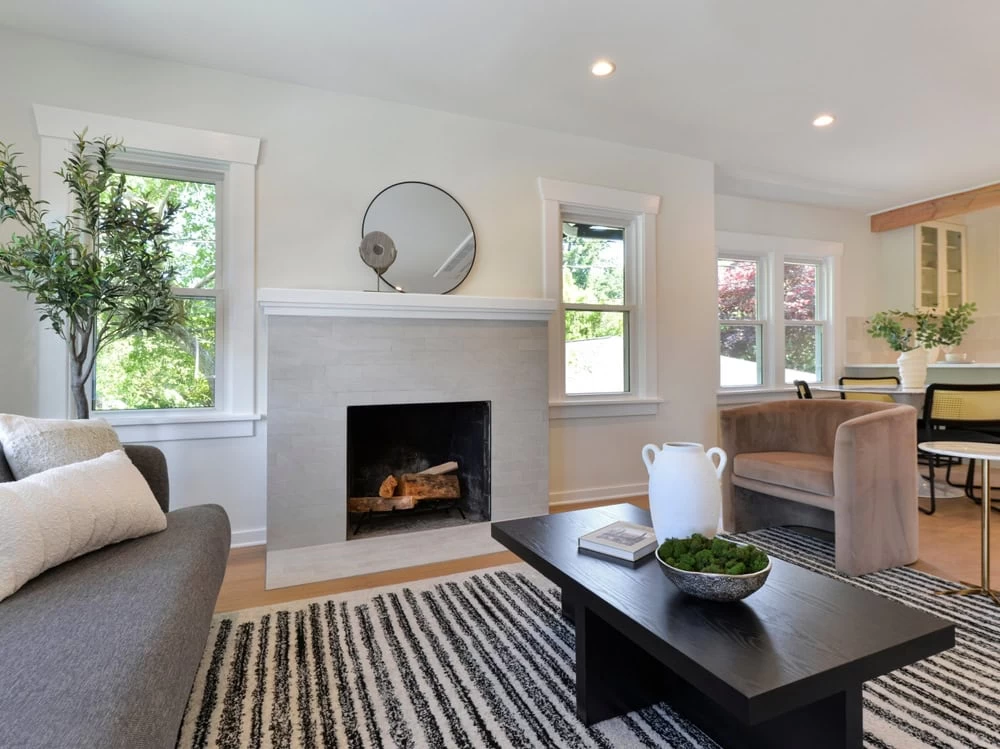
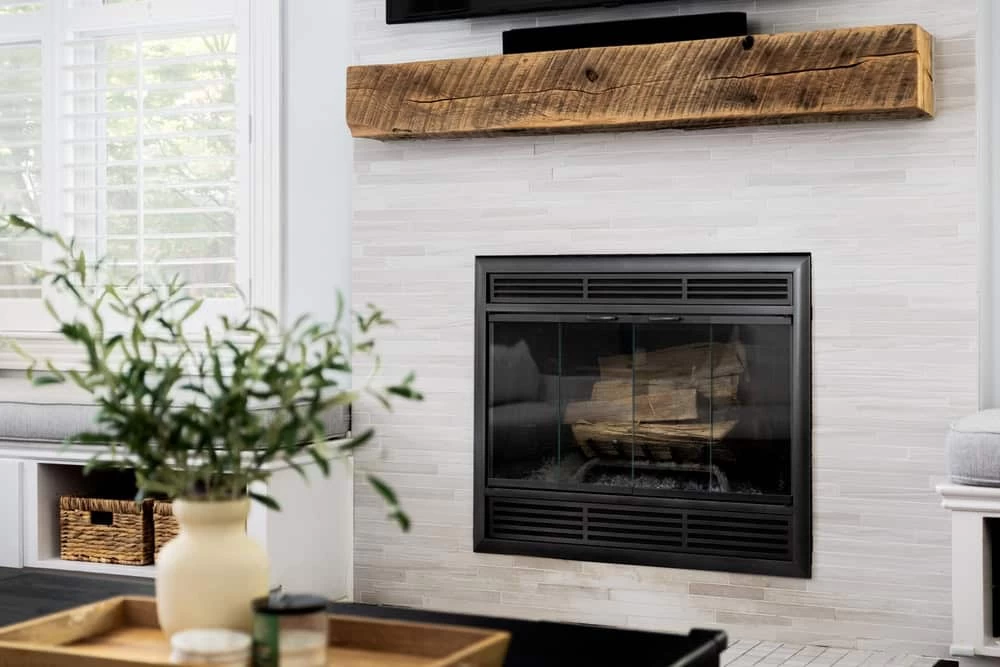
Benefits of Fireplace Remodeling
Improve Your Living Space
Add to your home value with custom fireplace designs.
Enjoy energy with modern fireplace conversions.
Revitalize your space with a fireplace mantel replacement.
Feel the comfort and style with our fireplace upgrades.
We provide top-level fireplace remodeling services in East Village, NY. Our team of skilled fireplace remodelers specializes in custom fireplace design, enabling your vision to come to life. With years of experience in New York City, our focus on quality and customer satisfaction sets us apart. Trust us to upgrade your home with elegance and functionality.
Fireplace remodeling is more than just an upgrade; it’s a transformation. Our expertise in modern fireplace conversions and custom designs helps your fireplace complement your home’s aesthetic and improve its functionality. Serving New York City, Ageless Chimney is your trusted partner for all fireplace needs. Contact us at 516-795-1313 to start your remodeling journey today.
The area that is today known as the East Village was originally occupied by the Lenape Native Americans. The Lenape relocated during different seasons, moving toward the shore to fish during the summers, and moving inland to hunt and grow crops during the fall and winter. Manhattan was purchased in 1626 by Peter Minuit of the Dutch West India Company, who served as director-general of New Netherland.
The population of the Dutch colony of New Amsterdam was located primarily below the current Fulton Street, while north of it were a number of small plantations and large farms that were then called bouwerij (anglicized to “boweries”; modern Dutch: boerderij). Around these farms were a number of enclaves of free or “half-free” Africans, which served as a buffer between the Dutch and the Native Americans. One of the largest of these was located along the modern Bowery between Prince Street and Astor Place, as well as the “only separate enclave” of this type within Manhattan. These black farmers were some of the earliest settlers of the area.
There were several “boweries” within what is now the East Village. Bowery no.2 passed through several inhabitants, before the eastern half of the land was subdivided and given to Harmen Smeeman in 1647. Peter Stuyvesant, the director-general of New Netherland, owned adjacent bowery no.1 and bought bowery no.2 in 1656 for his farm. Stuyvesant’s manor, also called Bowery, was near what is now 10th Street between Second and Third Avenues. Though the manor burned down in the 1770s, his family held onto the land for over seven generations, until a descendant began selling off parcels in the early 19th century.