Transform Your Fireplace, Locally, in New York City
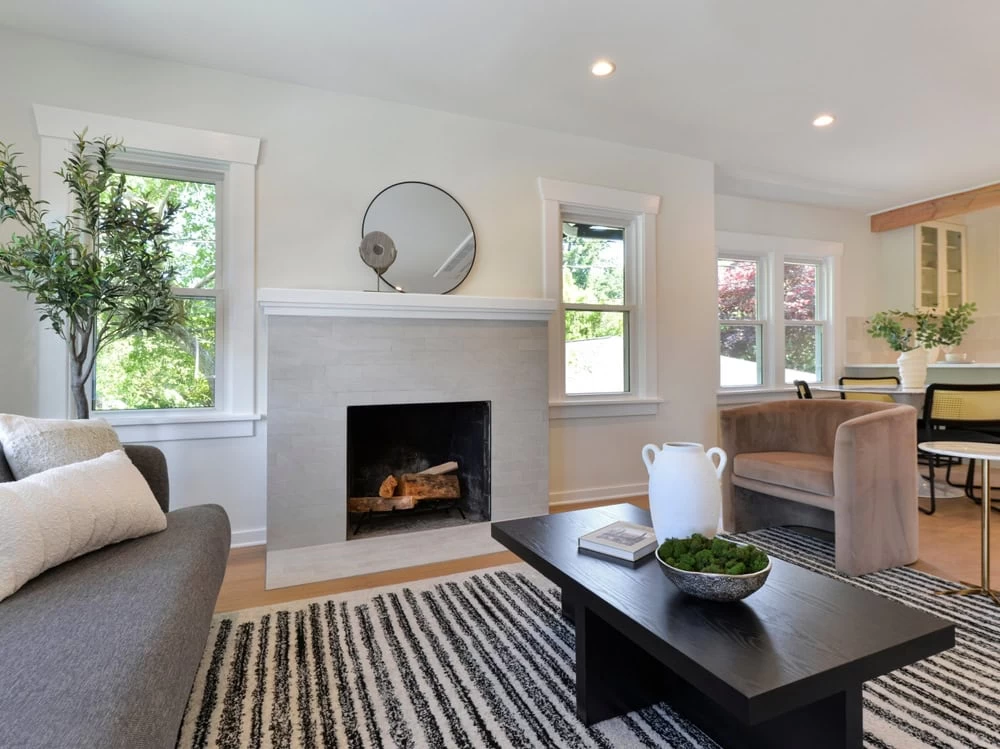
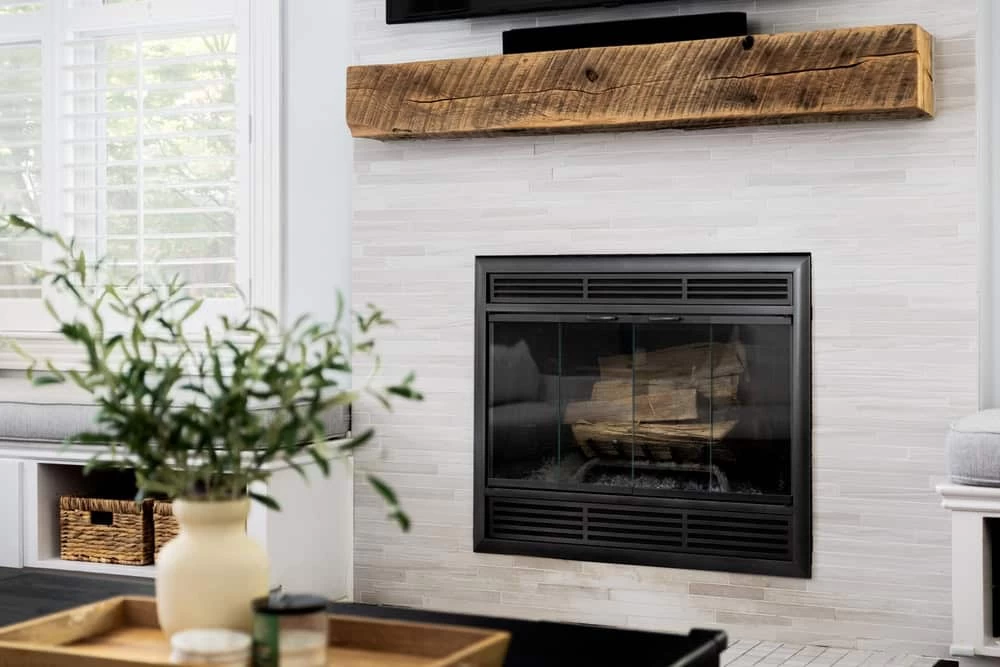
Appreciate a stunning fireplace transformation in Harlem, NY, with Ageless Chimney. We’ll help you create a fireplace that perfectly complements your home’s style.
I highly recommend these guys. (Bob/Christian)They came right on time and were extremely neat and professional. They did a great job at a reasonable price.
Tommy Glenn
I have been using Bobby and Sherwood for years. I highly recommend them. They did chimney repair and chimney sweep. Great work, great guys.
Ingrid V.
Highly recommend Ageless chimney. They were polite, professional and got the job done in one day, left my property as clean as they found it. Very happy!
Brian Nolin
Outstanding work, great service, and extremely reliable!!
Remodel Your Fireplace
Unlock the Full Potential of Your Fireplace
Modernize Your Aesthetic: Update your home with a modern conversion that matches your style.
Reduce Heating Costs: Save money with upgrades that improve energy savings.
Add Value to Your Home: A custom fireplace design can make your home more appealing to potential buyers.
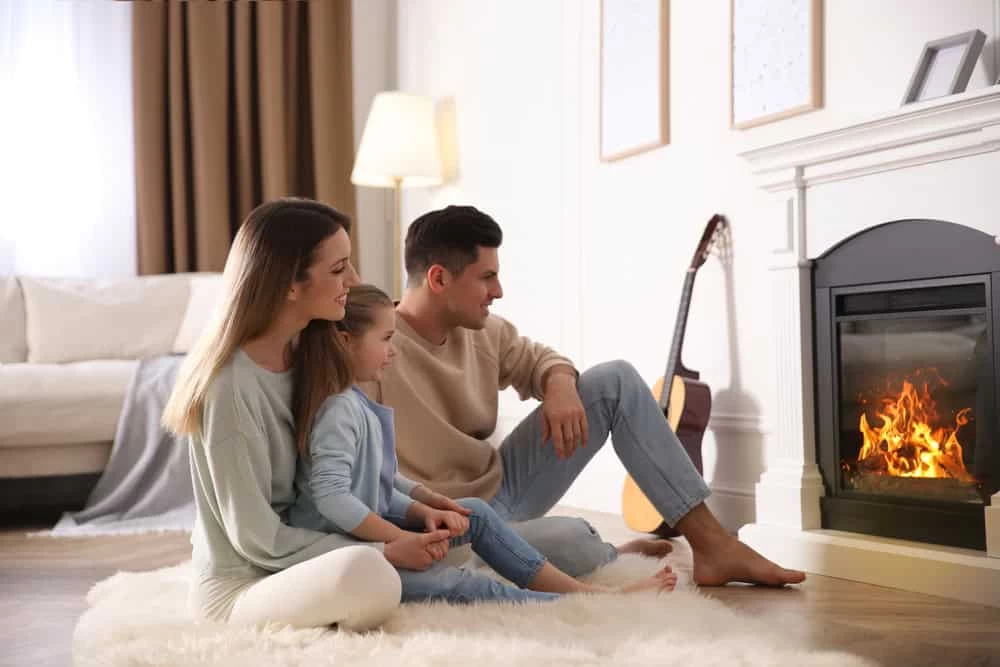
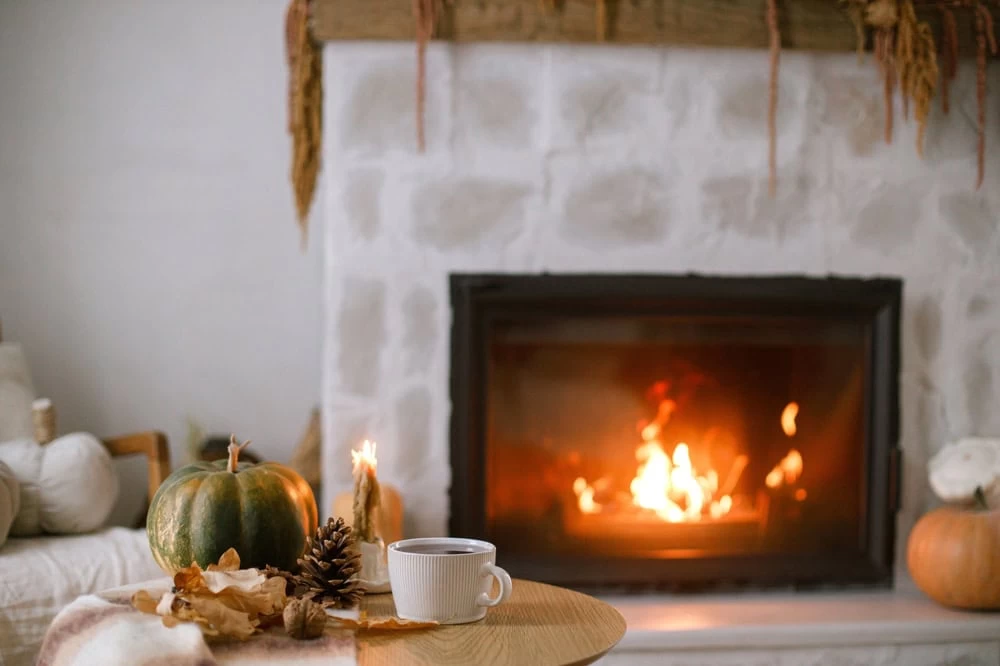
Create a Cozy Atmosphere: Enjoy a warm and inviting space with our fireplace mantel replacement services.
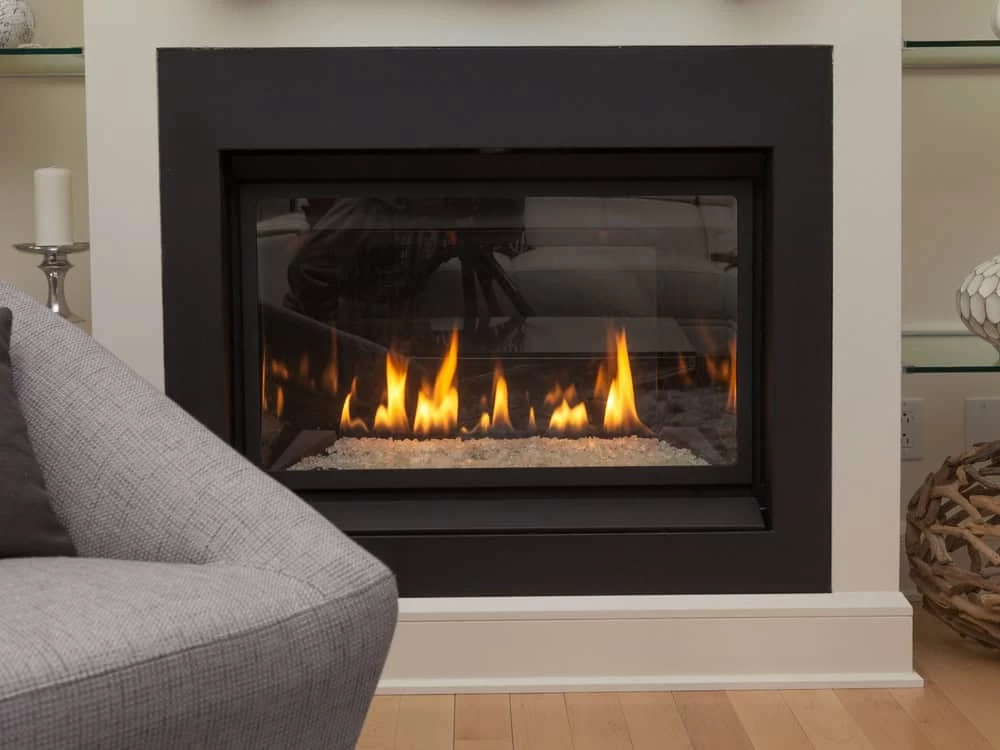
We specialize in transforming fireplaces across New York City. Our team of skilled fireplace remodelers will fulfill your expectations. We focus on custom fireplace designs and modern fireplace conversions that meet your needs.
Your fireplace should be a source of comfort and style, a place to relax and unwind. But if your fireplace needs to be updated or repaired, it can detract from your home’s appeal.
Ageless Chimney specializes in fireplace remodeling in Harlem, NY. Our skilled craftsmen can revitalize your fireplace, transforming it into a captivating focal point for your living space. Contact Ageless Chimney today at 516-795-1313 to schedule a consultation and discuss your fireplace remodeling project.
Before the arrival of European settlers, the area that would become Harlem (originally Haarlem) was inhabited by a Native American band, the Wecquaesgeek, dubbed Manhattans or Manhattoe by Dutch settlers, who along with other Native Americans, most likely Lenape, occupied the area on a semi-nomadic basis. As many as several hundred farmed the Harlem flatlands. Between 1637 and 1639, a few settlements were established. The settlement of Harlem was formally incorporated in 1660 under the leadership of Peter Stuyvesant.
During the American Revolution, the British burned Harlem to the ground. It took a long time to rebuild, as Harlem grew more slowly than the rest of Manhattan during the late 18th century. After the American Civil War, Harlem experienced an economic boom starting in 1868. The neighborhood continued to serve as a refuge for New Yorkers, but increasingly those coming north were poor and Jewish or Italian. The New York and Harlem Railroad, as well as the Interborough Rapid Transit and elevated railway lines, helped Harlem’s economic growth, as they connected Harlem to lower and midtown Manhattan.
The Jewish and Italian demographic decreased, while the black and Puerto Rican population increased in this time. The early-20th century Great Migration of black people to northern industrial cities was fueled by their desire to leave behind the Jim Crow South, seek better jobs and education for their children, and escape a culture of lynching violence; during World War I, expanding industries recruited black laborers to fill new jobs, thinly staffed after the draft began to take young men. In 1910, Central Harlem population was about 10% black people. By 1930, it had reached 70%.