Transform Your Fireplace, Locally, in New York City
Appreciate a stunning fireplace transformation in Hudson Heights, NY, with Ageless Chimney. We’ll help you create a fireplace that perfectly complements your home’s style.
I highly recommend these guys. (Bob/Christian)They came right on time and were extremely neat and professional. They did a great job at a reasonable price.
Tommy Glenn
I have been using Bobby and Sherwood for years. I highly recommend them. They did chimney repair and chimney sweep. Great work, great guys.
Ingrid V.
Highly recommend Ageless chimney. They were polite, professional and got the job done in one day, left my property as clean as they found it. Very happy!
Brian Nolin
Outstanding work, great service, and extremely reliable!!
Remodel Your Fireplace
Unlock the Full Potential of Your Fireplace
Modernize Your Aesthetic: Update your home with a modern conversion that matches your style.
Reduce Heating Costs: Save money with upgrades that improve energy savings.
Add Value to Your Home: A custom fireplace design can make your home more appealing to potential buyers.
Create a Cozy Atmosphere: Enjoy a warm and inviting space with our fireplace mantel replacement services.
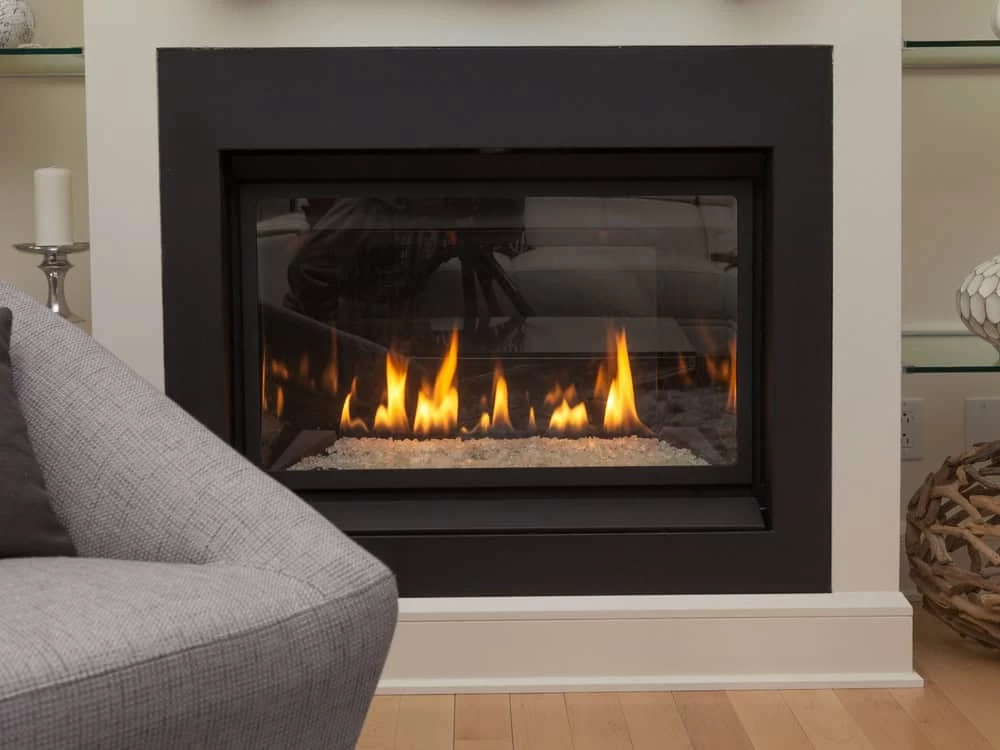
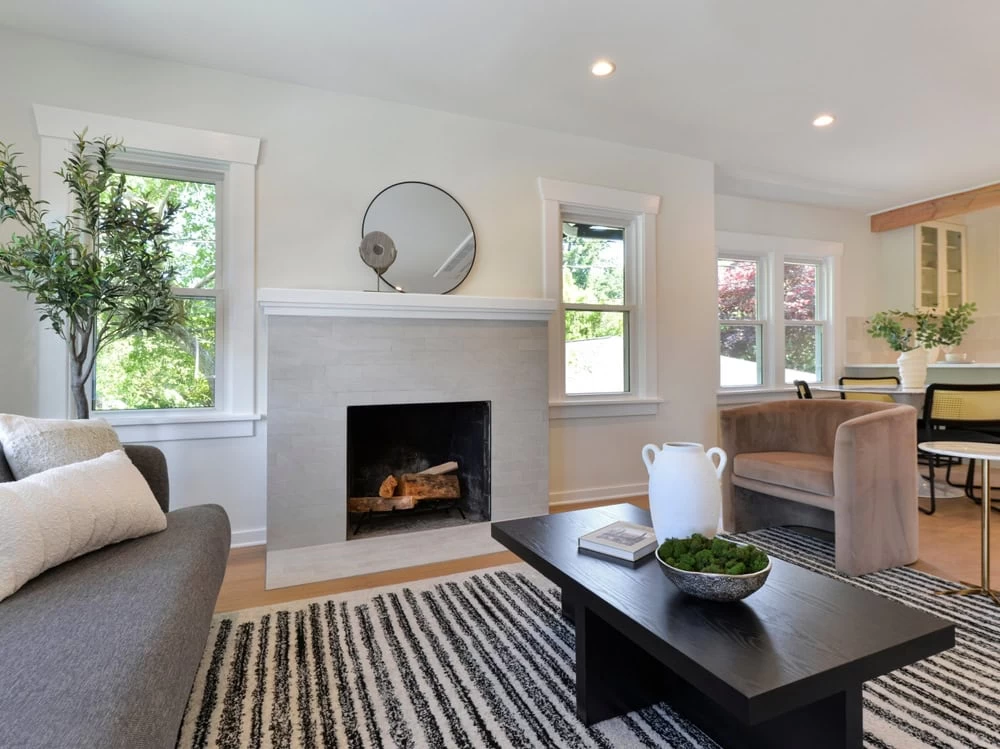
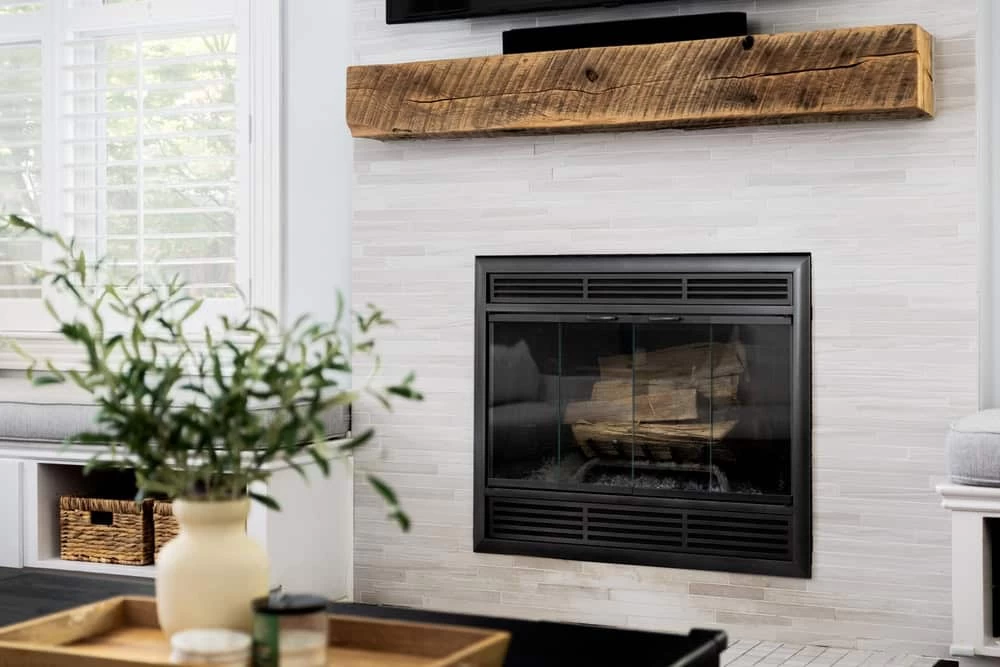
We specialize in transforming fireplaces across New York City. Our team of skilled fireplace remodelers will fulfill your expectations. We focus on custom fireplace designs and modern fireplace conversions that meet your needs.
Your fireplace should be a source of comfort and style, a place to relax and unwind. But if your fireplace needs to be updated or repaired, it can detract from your home’s appeal.
Ageless Chimney specializes in fireplace remodeling in Hudson Heights, NY. Our skilled craftsmen can revitalize your fireplace, transforming it into a captivating focal point for your living space. Contact Ageless Chimney today at 516-795-1313 to schedule a consultation and discuss your fireplace remodeling project.
Before European explorers and settlers, the Lenape Indians lived on the island they called Mannahatta. Just to the north of Hudson Heights, in what is now Inwood Hill Park, the Lenape tribe exchanged the island for items worth about 60 Dutch Gilders in a deal with Peter Minuit in 1626. He named the island New Amsterdam. The area north of central Manhattan was called Niew Haarlem until the British gained control of the area during the Revolutionary War. They renamed the area Lancaster, and gave it a northern border near what is now 129th Street. The ridge that overlooks the Hudson River was once inhabited by the Wecquaesgeek Indians and called Chquaesgeck. Later it was called Lange Bergh (Long Hill) by Dutch settlers until the 17th century.
In the 18th century, only the southern portion of the island was settled by Europeans, leaving the rest of Manhattan largely untouched. Among the many unspoiled tracts of land was the highest spot on the island, which provided unsurpassed views of what would become the New York metropolitan area.
When the Revolutionary War came to New York, the British had the upper hand. General George Washington and troops from his Continental Army camped on the high ground, calling it Fort Washington, to monitor the advancing Redcoats. The Continental Army retreated from its location after their defeat on November 16, 1776, in the Battle of Fort Washington. The British took the position and renamed it Fort Knyphausen in honor of the leader of the Hessians, who had taken a major part in the British victory. Their location was in the spot now called Bennett Park. Fort Washington had been established as an offensive position to prevent British vessels from sailing north on the Hudson River. Fort Lee, across the river, was its twin, built to assist in the defense of the Hudson Valley.