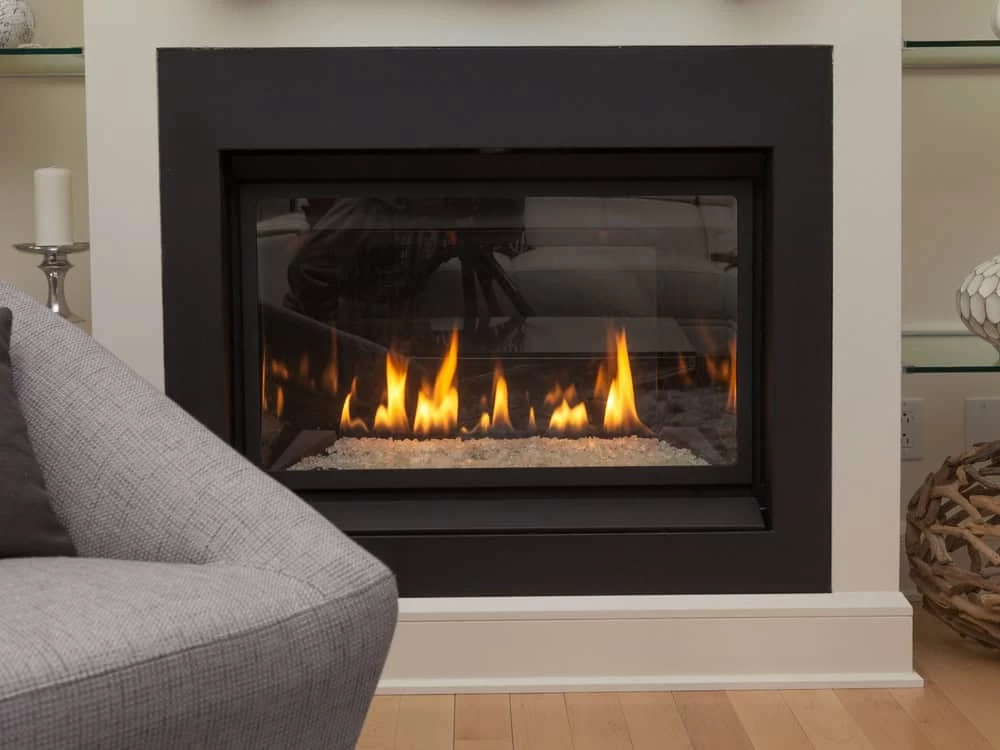
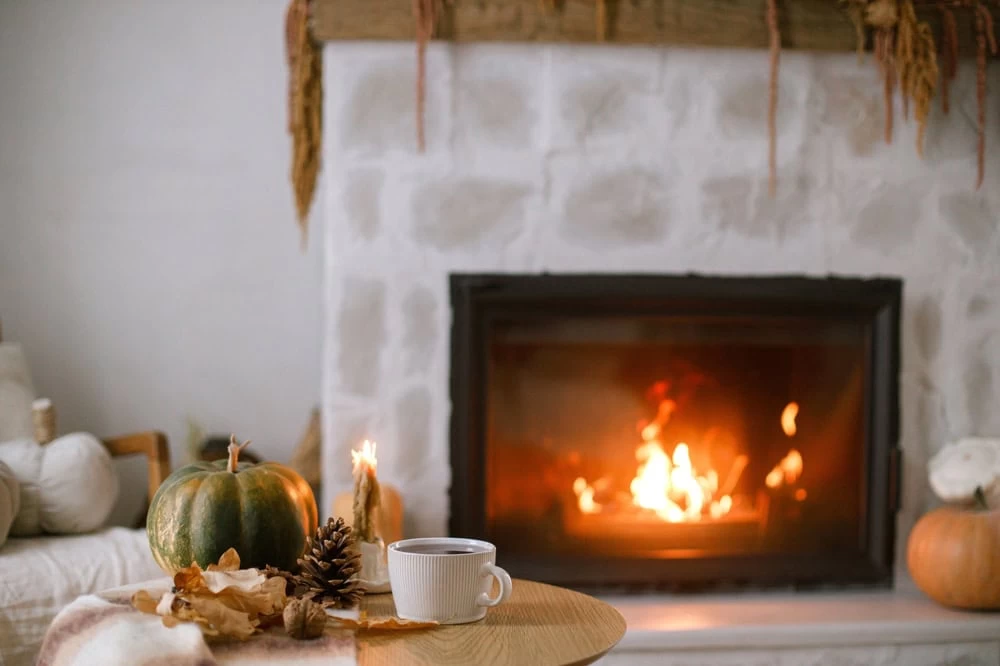
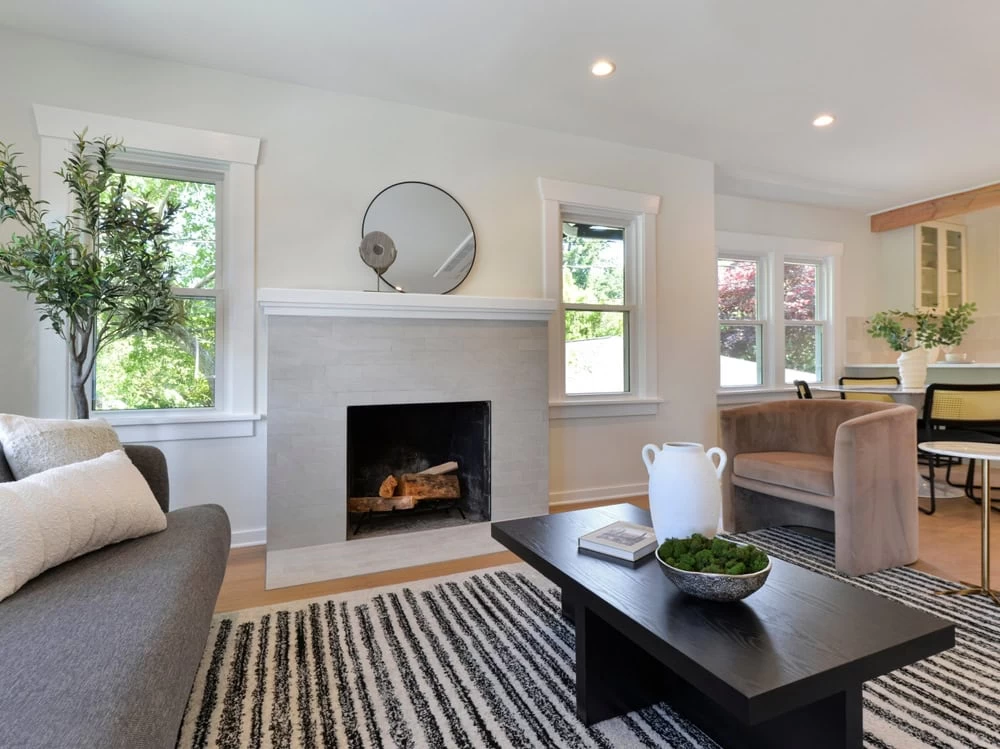
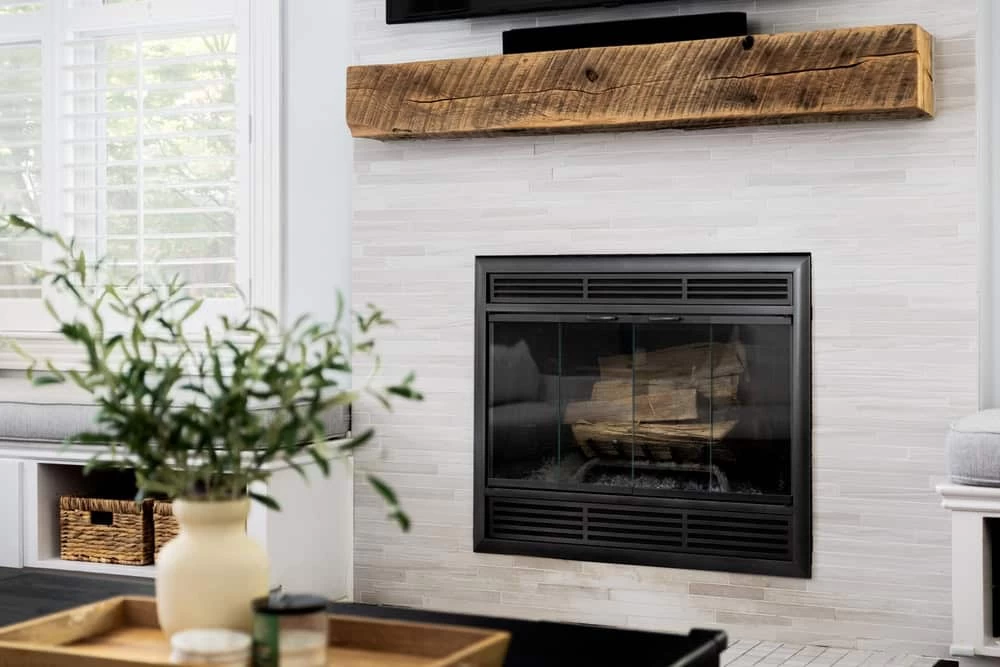
Appreciate a stunning fireplace transformation in Kew Gardens Hills, NY, with Ageless Chimney. We’ll help you create a fireplace that perfectly complements your home’s style.
I highly recommend these guys. (Bob/Christian)They came right on time and were extremely neat and professional. They did a great job at a reasonable price.
Tommy Glenn
I have been using Bobby and Sherwood for years. I highly recommend them. They did chimney repair and chimney sweep. Great work, great guys.
Ingrid V.
Highly recommend Ageless chimney. They were polite, professional and got the job done in one day, left my property as clean as they found it. Very happy!
Brian Nolin
Outstanding work, great service, and extremely reliable!!
Remodel Your Fireplace
Unlock the Full Potential of Your Fireplace
Modernize Your Aesthetic: Update your home with a modern conversion that matches your style.
Reduce Heating Costs: Save money with upgrades that improve energy savings.
Add Value to Your Home: A custom fireplace design can make your home more appealing to potential buyers.
Create a Cozy Atmosphere: Enjoy a warm and inviting space with our fireplace mantel replacement services.
We specialize in transforming fireplaces across Queens. Our team of skilled fireplace remodelers will fulfill your expectations. We focus on custom fireplace designs and modern fireplace conversions that meet your needs.
Your fireplace should be a source of comfort and style, a place to relax and unwind. But if your fireplace needs to be updated or repaired, it can detract from your home’s appeal.
Ageless Chimney specializes in fireplace remodeling in Kew Gardens Hills, NY. Our skilled craftsmen can revitalize your fireplace, transforming it into a captivating focal point for your living space. Contact Ageless Chimney today at 516-795-1313 to schedule a consultation and discuss your fireplace remodeling project.
In the northwestern part of the neighborhood was the location of the 120 acres (49 ha) Spring Hill Farm. The farm was part of the Francis Lewis estate during colonial times. By 1762 the farm was owned by Colonel Thomas Willet, High Sheriff of Flushing, and was sold to Cadwallader Colden, lieutenant governor for the Province of New York. In 1763 Colden built the Spring Hill House on the property. In 1783 the property was confiscated by the government because Cadwallader’s son David was a loyalist to the monarchy. By 1894 the Durkee family owned the property and sold it to the Cedar Grove Cemetery Corporation. The Spring Hill House became the office of the Cedar Grove Cemetery, until the house was later destroyed by a fire.
In the 19th century the area of Kew Gardens Hills was known as Head of the Fly, for its location at the headwaters of the Flushing Creek (or Flushing River). Fly or vly, being the Dutch word for swamp. One of the oldest roads through the area was called the Vleigh Road, and still exists today as Vleigh Place.
Timothy Jackson operated a horse boarding stable near where the intersection of Park Drive East and Union Turnpike, or the Kew Gardens Interchange is today. On what is now the Jamaica subway yard was previously a horse race course, built by Timothy Jackson, and was known as Whitepot Race & Track. Although the train yard is not in Jamaica, it is named Jamaica because the yard feeds the subway lines which begin (or end) in Jamaica. This area was an extension of Timothy Jackson’s Willow Glen Farm for which the farmhouse was located south of Union Turnpike in the neighborhood of Jamaica that is now called Briarwood. In the 1750s, William Furman was the owner of the farm he named Willow Glen. Today Willow Lake, at the southern end of Flushing Meadows-Corona Park, retains the Willow name.