Transform Your Fireplace, Locally, in New York City
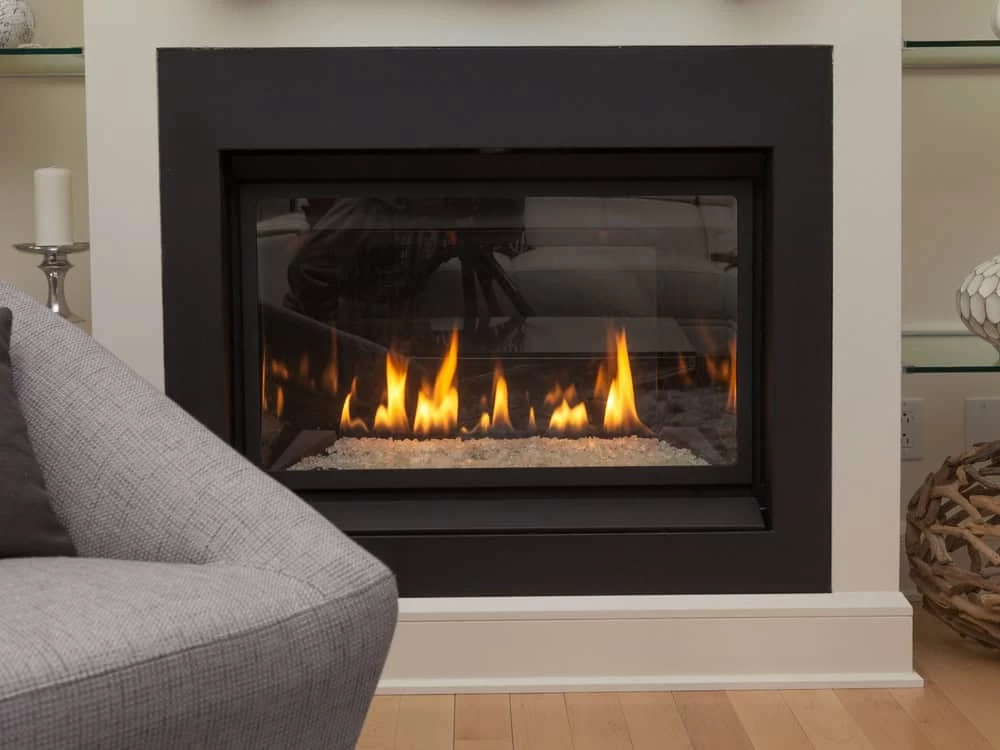
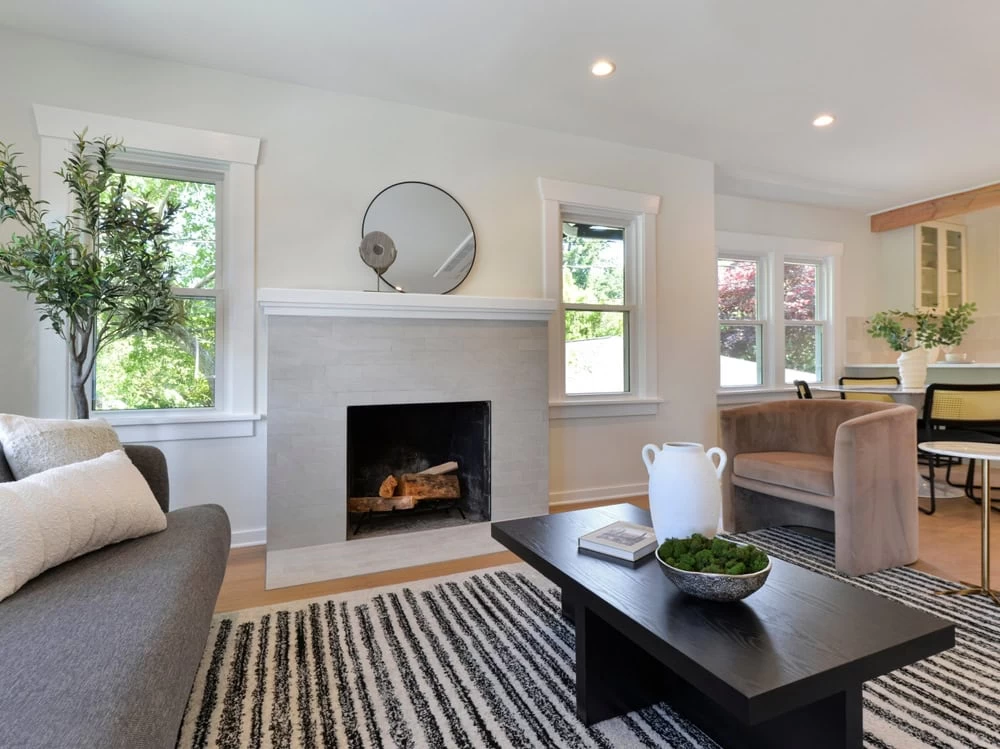
Upgrade to a stunning fireplace transformation in Manhattan, NY with Ageless Chimney. We’ll help you create a fireplace that perfectly complements your home’s style.
I highly recommend these guys. (Bob/Christian)They came right on time and were extremely neat and professional. They did a great job at a reasonable price.
Tommy Glenn
I have been using Bobby and Sherwood for years. I highly recommend them. They did chimney repair and chimney sweep. Great work, great guys.
Ingrid V.
Highly recommend Ageless chimney. They were polite, professional and got the job done in one day, left my property as clean as they found it. Very happy!
Brian Nolin
Outstanding work, great service, and extremely reliable!!
Reasons to Remodel Your Fireplace
Unlock the Full Potential of Your Fireplace
Modernize Your Aesthetic: Update your home with a modern fireplace conversion that matches your style.
Reduce Heating Costs: Save money with fireplace upgrades that improve energy efficiency.
Add Value to Your Home: A custom fireplace design can make your home more appealing to potential buyers.
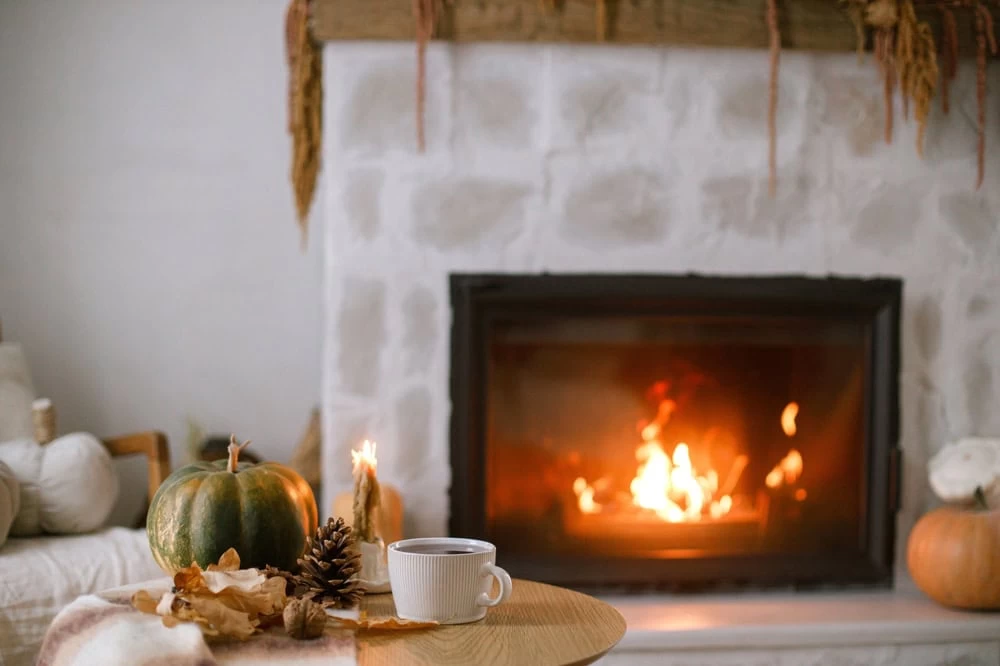
Create a Cozy Atmosphere: Enjoy a warm and inviting space with our fireplace mantel replacement services.
We specialize in transforming fireplaces across New York City. Our talented group of fireplace remodelers has a great deal of experience making your vision happen. We focus on providing custom fireplace designs and modern fireplace conversions that meet your needs. We’re dedicated to delivering quality craftsmanship in every detail.
Complete Remodeling Services at varCompanynameFull
The Importance of Professional Remodeling
Fireplace remodeling services are essential for the functionality and aesthetic of your home. We serve Manhattan, NY, and surrounding areas in New York City, and we offer a range of services, from fireplace upgrades to fireplace mantel replacement. Our knowledge and skills will help your fireplace look great and operate perfectly. Contact us at 516-795-1313 to start your fireplace transformation today.
Manhattan was historically part of the Lenapehoking territory inhabited by the Munsee, Lenape, and Wappinger tribes. There were several Lenape settlements in the area including Sapohanikan, Nechtanc, and Konaande Kongh, which were interconnected by a series of trails. The primary trail on the island, which would later become Broadway, ran from what is now Inwood in the north to Battery Park in the south. There were various sites for fishing and planting established by the Lenape throughout Manhattan. The name Manhattan originated from the Lenape’s language, Munsee, manaháhtaan (where manah- means “gather”, -aht- means “bow”, and -aan is an abstract element used to form verb stems). The Lenape word has been translated as “the place where we get bows” or “place for gathering the (wood to make) bows”. According to a Munsee tradition recorded by Albert Seqaqkind Anthony in the 19th century, the island was named so for a grove of hickory trees at its southern end that was considered ideal for the making of bows.
History of New York City
Lenape and New Netherland, to 1664New AmsterdamBritish and Revolution, 1665-1783Federal and early American, 1784-1854Tammany and Consolidation, 1855-1897(Civil War, 1861-1865)Early 20th century, 1898-1945Post-World War II, 1946-1977Modern and post-9/11, 1978-present
In April 1524, Florentine explorer Giovanni da Verrazzano, sailing in service of Francis I of France, became the first documented European to visit the area that would become New York City. Verrazzano entered the tidal strait now known as The Narrows and named the land around Upper New York Harbor New Angoulême, in reference to the family name of King Francis I; he sailed far enough into the harbor to sight the Hudson River, and he named the Bay of Santa Margarita – what is now Upper New York Bay – after Marguerite de Navarre, the elder sister of the king.
Manhattan was first mapped during a 1609 voyage of Henry Hudson. Hudson came across Manhattan Island and the native people living there, and continued up the river that would later bear his name, the Hudson River. Manhattan was first recorded in writing as Manna-hata, in the logbook of Robert Juet, an officer on the voyage.