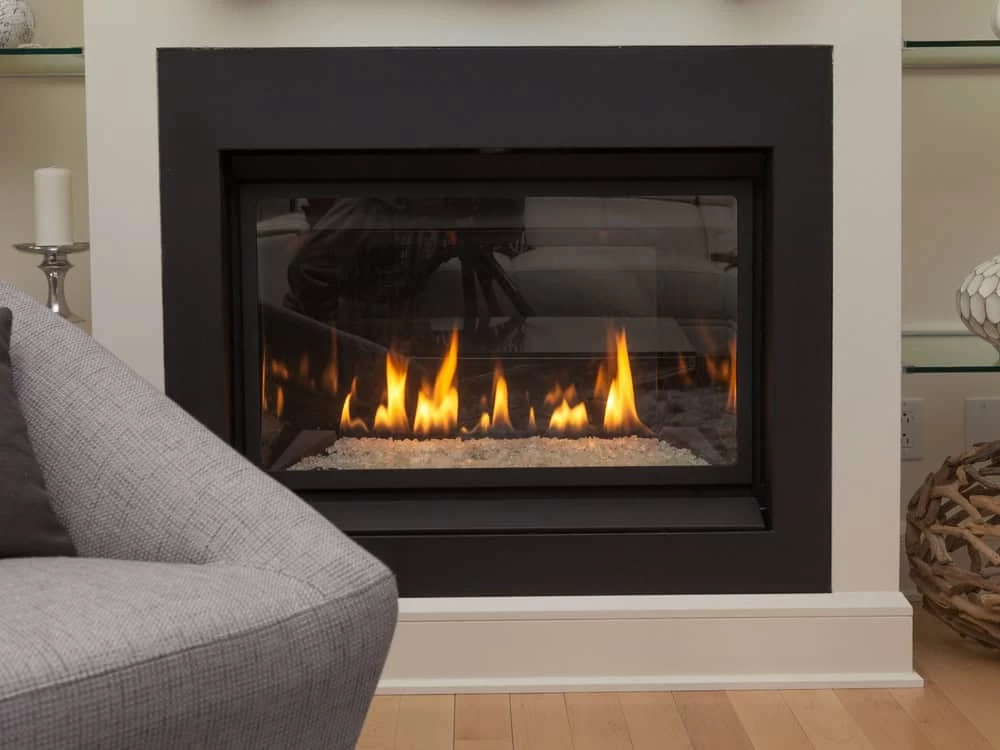
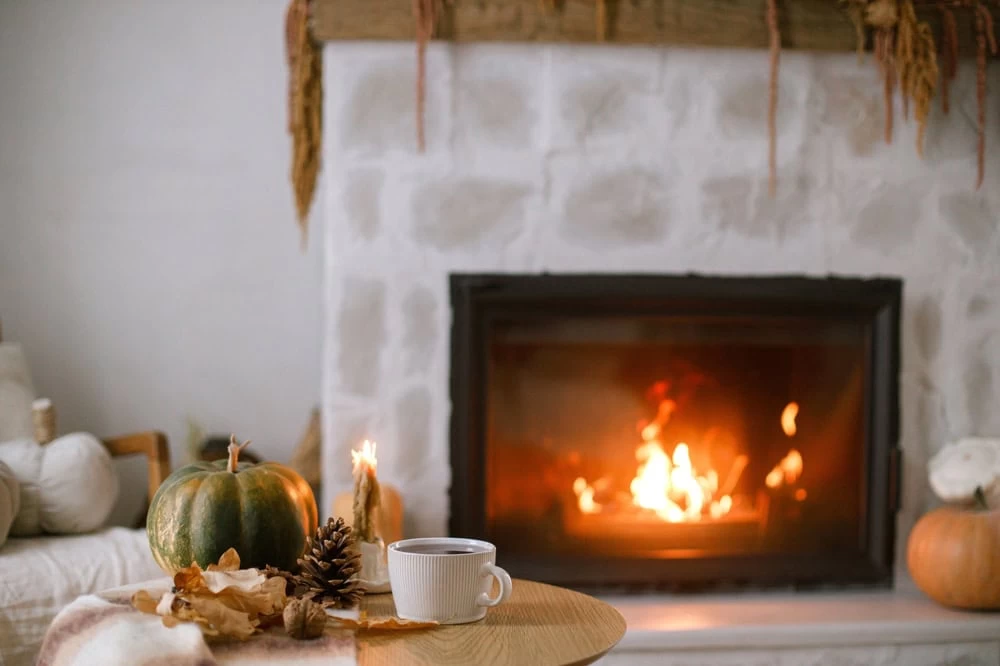
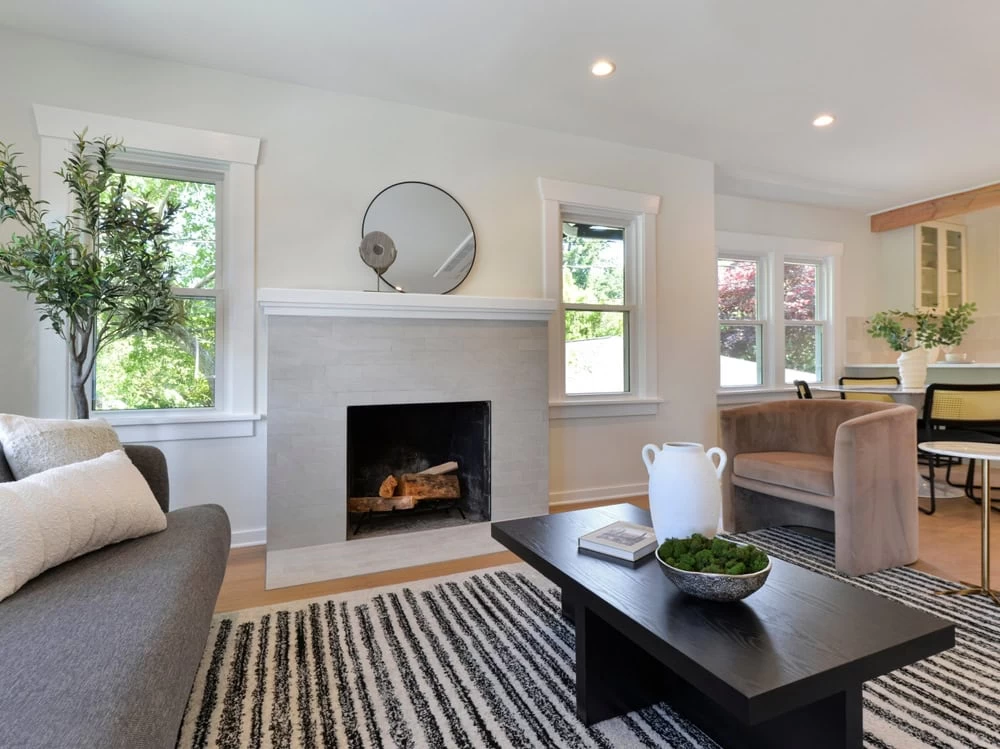
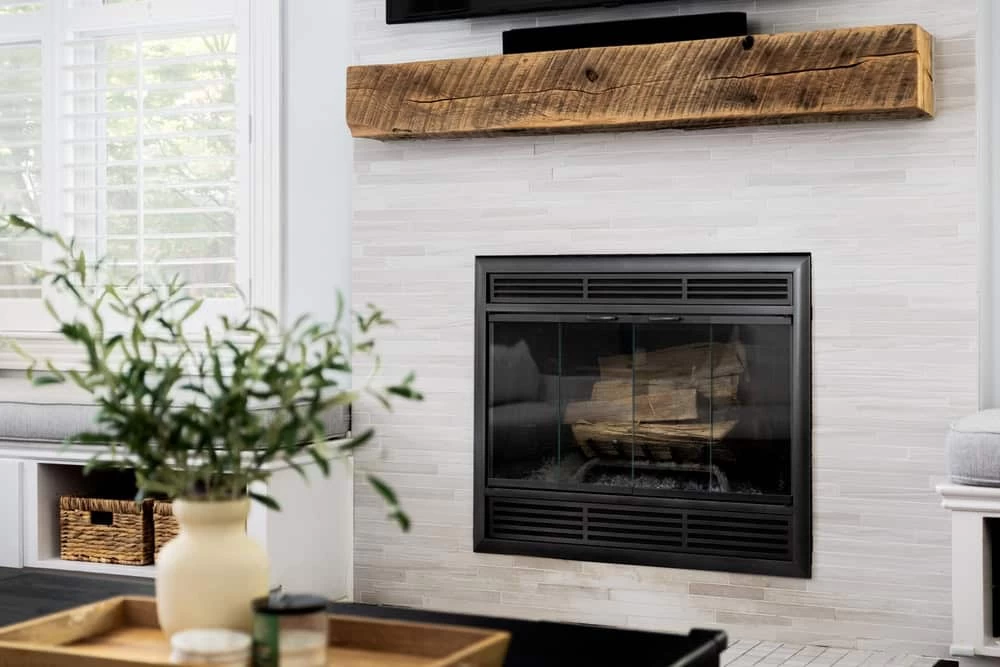
Looking for a stunning fireplace transformation in New York City? Ageless Chimney offers exceptional fireplace remodeling services in Meatpacking District NY to upgrade your home with Ageless Chimney.
I highly recommend these guys. (Bob/Christian)They came right on time and were extremely neat and professional. They did a great job at a reasonable price.
Tommy Glenn
I have been using Bobby and Sherwood for years. I highly recommend them. They did chimney repair and chimney sweep. Great work, great guys.
Ingrid V.
Highly recommend Ageless chimney. They were polite, professional and got the job done in one day, left my property as clean as they found it. Very happy!
Brian Nolin
Outstanding work, great service, and extremely reliable!!
Fireplace Remodeling
Benefits of a Fireplace Makeover
Upgrade Your Style: Enrich your home’s aesthetic with a custom fireplace design that reflects your taste.
Modernize and Save: Improve energy savings with modern fireplace conversions that can lower your heating costs.
Add to your Home Value: Make a smart investment with professional fireplace upgrades that attract potential buyers.
Create a Cozy Retreat: Enjoy a warm and inviting atmosphere with a fireplace mantel replacement that complements your living space.
Crafting Exceptional Fireplaces in Meatpacking District
We’re passionate about creating fireplaces that transform houses into homes. Our skilled fireplace remodelers in Meatpacking District, NY specialize in custom fireplace designs and modern conversions, using high-quality materials. We’re dedicated to bringing your vision to life with meticulous attention to detail.
Fireplace remodeling is more than just a home improvement project; it’s an opportunity to redefine your living space. We offer a full range of fireplace remodeling services, including upgrades and mantel replacements, to suit any style. Our team in Meatpacking District, NY, and the surrounding New York City is dedicated to providing you with a fireplace that meets and exceeds your expectations. For inquiries, contact us at 516-795-1313 today!
A Lenape trading station called Sapohanikan was on the riverbank, which, accounting for landfill, was located about where Gansevoort Street meets Washington Street today. The footpath that led from Sapohanikan inland to the east became the foundation for Gansevoort Street, which by accident or design aligns, within one degree, so that the Manhattanhenge phenomenon, where the setting sun crosses the horizon looking down the street, occurs at the spring and autumnal equinoxes. In recognition of this history, petitions were made to call the 14th Street Park “Saphohanikan Park”, although it appears no formal recognition was given.
The earliest development of the area now known as the Meatpacking District came in the mid-19th century. Before that it was the location of Fort Gansevoort and of the upper extension of Greenwich Village, which had been a vacation spot until overtaken by the northward movement of New York City. The irregular street patterns in the area resulted from the clash of the Greenwich Village street system with that of the Commissioners’ Plan of 1811, which sought to impose a regular grid on the undeveloped part of Manhattan island.
Construction of residences in the neighborhood – primarily rowhouses and town houses, some of which were later converted into tenements – began around 1840, primarily in the Greek Revival style which was prominent at the time. By mid-century, with Fort Gansevoort replaced by freight yards of the Hudson River Railroad, a neighborhood developed which was part heavy industry and part residential – a pattern which was more typical of an earlier period in the city’s history but which was becoming less usual, as industry and residences began to be isolated in their own districts. In the western portion of the neighborhood, heavy industry such as iron works and a terra cotta manufacturer could be found, while lighter industry such as carpentry and woodworking, lumber yards, paint works, granite works and a plaster mill blended into the residential area. At the time of the Civil War the part of the district west of Ninth Avenue and Greenwich Street and above 10th Street was the location of numerous distilleries making turpentine and camphene, a lamp fuel.