I highly recommend these guys. (Bob/Christian)They came right on time and were extremely neat and professional. They did a great job at a reasonable price.
Tommy Glenn
I have been using Bobby and Sherwood for years. I highly recommend them. They did chimney repair and chimney sweep. Great work, great guys.
Ingrid V.
Highly recommend Ageless chimney. They were polite, professional and got the job done in one day, left my property as clean as they found it. Very happy!
Brian Nolin
Outstanding work, great service, and extremely reliable!!
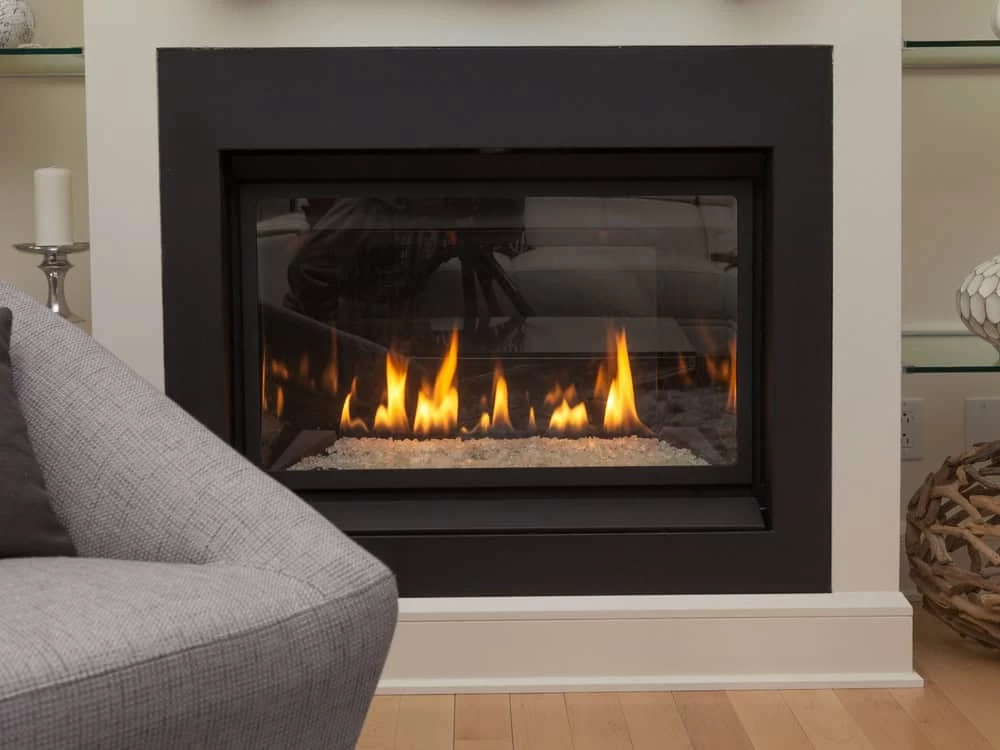
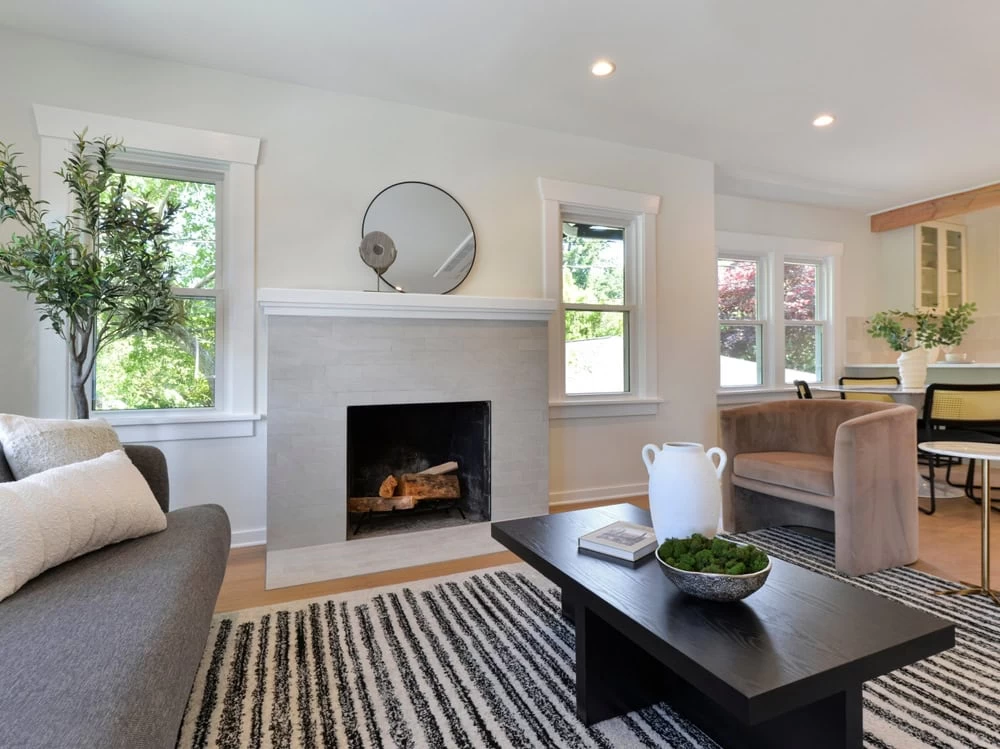
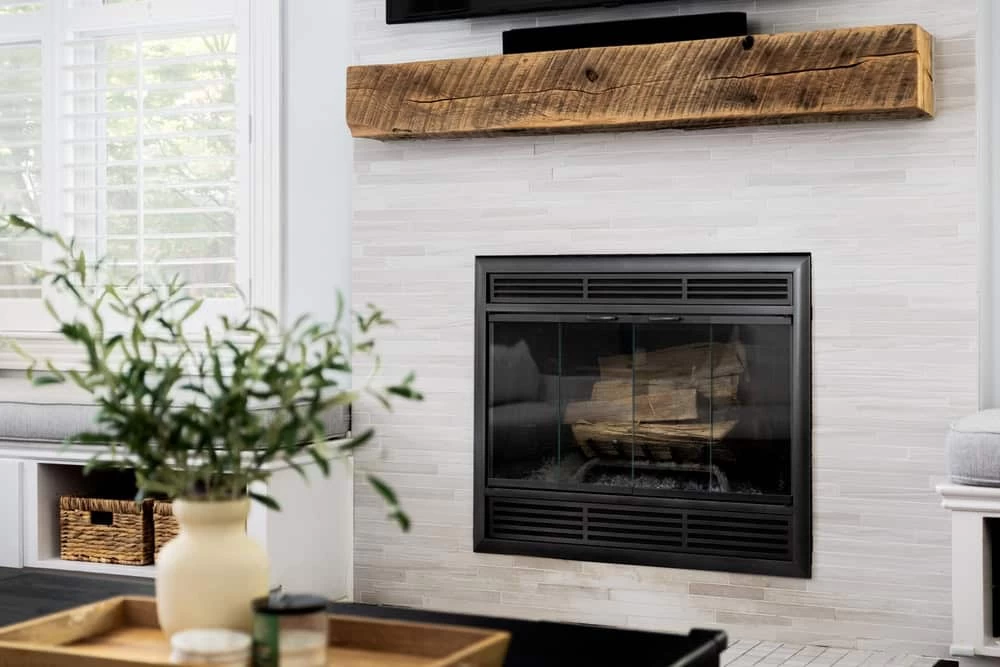
We deliver the best fireplace remodeling services in Upper East Side, NY. Our team of skilled fireplace remodelers combines years of experience and passion for creating stunning, custom fireplace designs. Serving New York City, we focus on quality craftsmanship and customer satisfaction for your fireplace to be your home’s centerpiece.
Fireplace remodeling is more than just an upgrade; it’s about transforming your living space into a warm and inviting area. We specialize in modern fireplace conversions that enrich aesthetics and improve energy savings and safety. With our skills, your fireplace will become a focal point of comfort and style. Ready to begin your transformation? Contact us at 516-795-1313 today! Serving New York City, we are your trusted partner in Upper East Side, NY, for all fireplace remodeling needs.
Before the arrival of Europeans, the mouths of streams that eroded gullies in the East River bluffs are conjectured to have been the sites of fishing camps used by the Lenape, whose controlled burns once a generation or so kept the dense canopy of oak-hickory forest open at ground level.
In the 19th century the farmland and market garden district of what was to be the Upper East Side was still traversed by the Boston Post Road and, from 1837, the New York and Harlem Railroad, which brought straggling commercial development around its one station in the neighborhood, at 86th Street, which became the heart of German Yorkville. The area was defined by the attractions of the bluff overlooking the East River, which ran without interruption from James William Beekman’s “Mount Pleasant”, north of the marshy squalor of Turtle Bay, to Gracie Mansion, north of which the land sloped steeply to the wetlands that separated this area from the suburban village of Harlem. Among the series of villas a Schermerhorn country house overlooked the river at the foot of present-day 73rd Street and another, Peter Schermerhorn’s at 66th Street, and the Riker homestead was similarly sited at the foot of 75th Street. By the mid-19th century the farmland had largely been subdivided, with the exception of the 150 acres (61 ha) of Jones’s Wood, stretching from 66th to 76th Streets and from the Old Post Road (Third Avenue) to the river and the farmland inherited by James Lenox, who divided it into blocks of houselots in the 1870s, built his Lenox Library on a Fifth Avenue lot at the farm’s south-west corner, and donated a full square block for the Presbyterian Hospital, between 70th and 71st Streets, and Madison and Park Avenues. At that time, along the Boston Post Road taverns stood at the mile-markers, Five-Mile House at 72nd Street and Six-Mile House at 97th, a New Yorker recalled in 1893.
The fashionable future of the narrow strip between Central Park and the railroad cut was established at the outset by the nature of its entrance, in the southwest corner, north of the Vanderbilt family’s favored stretch of Fifth Avenue from 50th to 59th Streets. A row of handsome townhouses was built on speculation by Mary Mason Jones, who owned the entire block bounded by 57th and 58th Streets and Fifth and Madison. In 1870 she occupied the prominent corner house at 57th and Fifth, though not in the isolation described by her niece, Edith Wharton, whose picture has been uncritically accepted as history, as Christopher Gray has pointed out: