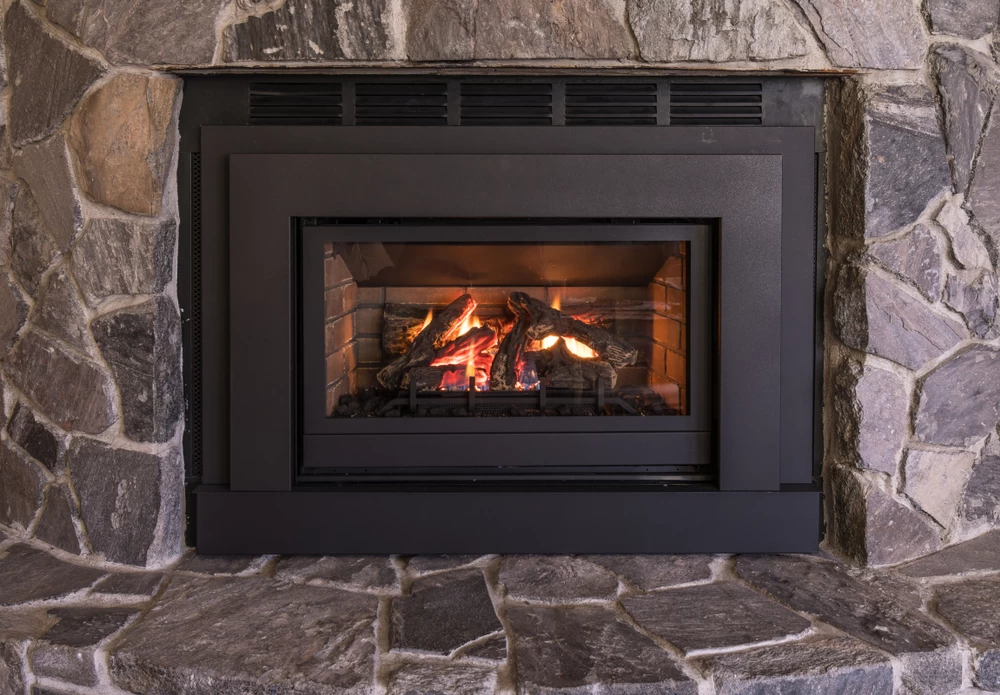
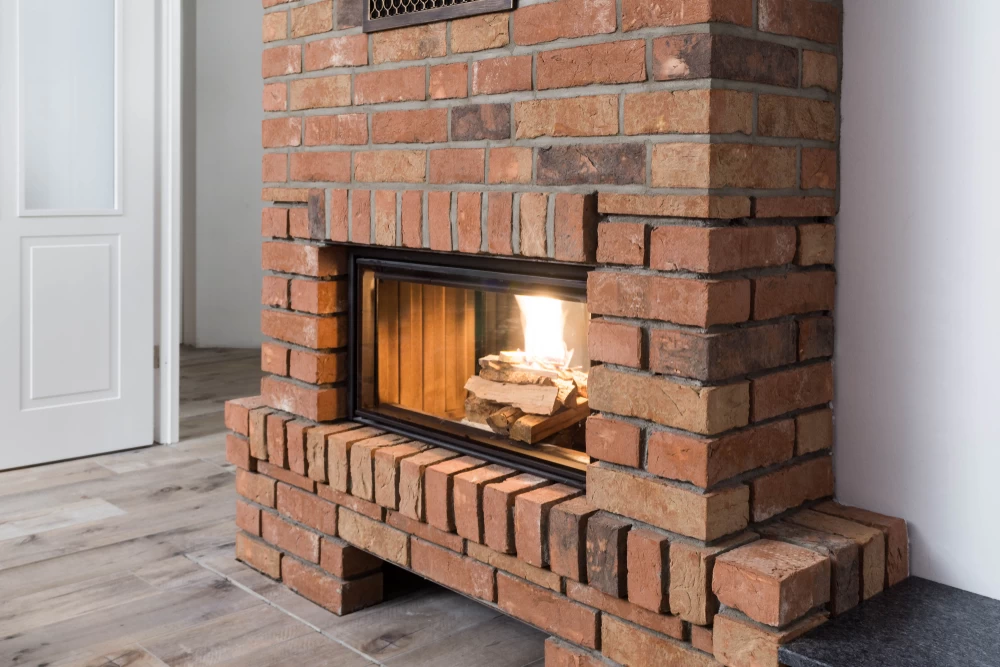
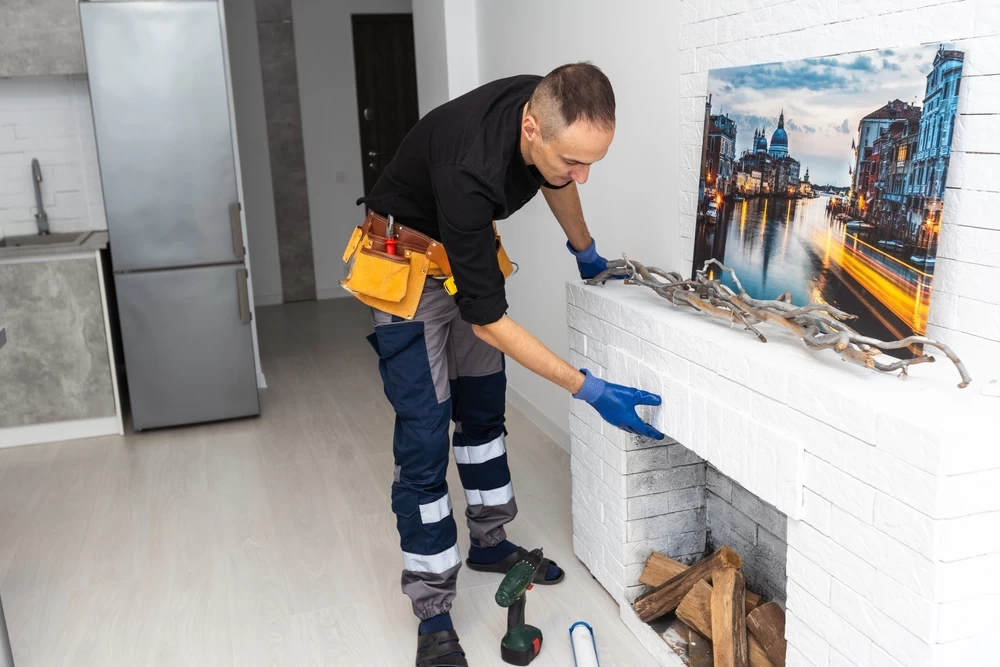
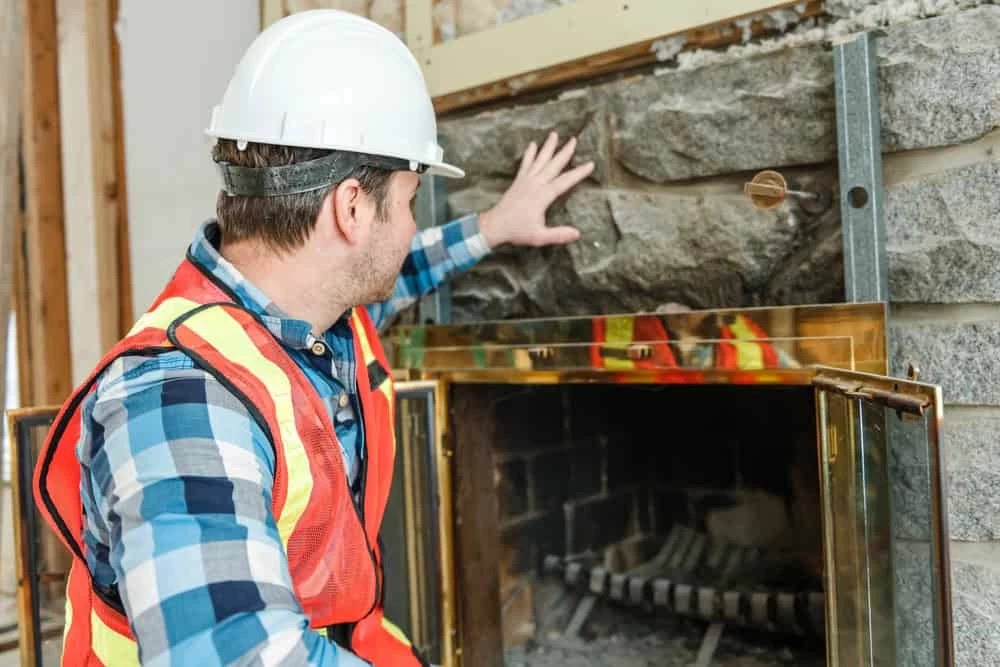
Is your fireplace feeling the chill of neglect? Ageless Chimney rekindles hearths throughout Financial District, bringing warmth and charm back to your home.
I highly recommend these guys. (Bob/Christian)They came right on time and were extremely neat and professional. They did a great job at a reasonable price.
Tommy Glenn
I have been using Bobby and Sherwood for years. I highly recommend them. They did chimney repair and chimney sweep. Great work, great guys.
Ingrid V.
Highly recommend Ageless chimney. They were polite, professional and got the job done in one day, left my property as clean as they found it. Very happy!
Brian Nolin
Outstanding work, great service, and extremely reliable!!
Fireplace Repair Options in Financial District?
Ageless Chimney; Reigniting New York City Fireplaces
Breathe easy with our chimney cleaning and creosote removal services for a safe and efficient fireplace.
Enjoy effortless control and optimal airflow with our damper repair or replacement solutions.
Fortify your chimney’s structure and prevent future damage with our thorough mortar joint repointing.
Safeguard your home from the elements and unwelcome guests with our chimney cap and crown repair.
At Ageless Chimney, we’re not just repairing fireplaces; we’re restoring family traditions. Our skilled masons in Financial District, NY, combine generations of knowledge with modern techniques to revitalize your fireplace. We’re committed to using authentic materials, like hand-formed firebricks and time-tested mortar, so your fireplace remains a cherished centerpiece for years to come. With Ageless Chimney, you’re not just getting a repair; you’re investing in lasting memories.
A fireplace is more than just a source of heat; it’s a gathering place, a storyteller, and a symbol of home. But neglecting its care can lead to drafts, smoky rooms, and even dangerous structural issues. Our specialized services, like firebox repair and flue liner replacement, address these concerns head-on. We understand exactly what New York City fireplaces face, and we’re equipped to handle them all. Trust Ageless Chimney in Financial District, NY, to restore your fireplace to its full glory and ensure cozy gatherings for years to come. Contact us at 516-795-1313 to schedule your consultation today.
What is now the Financial District was once part of New Amsterdam, situated on the strategic southern tip of the island of Manhattan. New Amsterdam was derived from Fort Amsterdam, meant to defend the fur trade operations of the Dutch West India Company in the North River (Hudson River). In 1624, it became a provincial extension of the Dutch Republic and was designated as the capital of the province of New Netherland in 1625. By 1655, the population of New Netherland had grown to 2,000 people, with 1,500 living in New Amsterdam. By 1664, the population of New Netherland had skyrocketed to almost 9,000 people, 2,500 of whom lived in New Amsterdam, 1,000 lived near Fort Orange, and the remainder in other towns and villages. In 1664 the English took over New Amsterdam and renamed it New York City.
In the late 19th and early 20th centuries, the corporate culture of New York was a primary center for the construction of early skyscrapers, and was rivaled only by Chicago on the American continent. There were also residential sections, such as the Bowling Green section between Broadway and the Hudson River, and between Vesey Street and the Battery. The Bowling Green area was described as “Wall Street’s back yard” with poor people, high infant mortality rates, and the “worst housing conditions in the city”. As a result of the construction, looking at New York City from the east, one can see two distinct clumps of tall buildings-the Financial District on the left, and the taller Midtown neighborhood on the right. The geology of Manhattan is well-suited for tall buildings, with a solid mass of bedrock underneath Manhattan providing a firm foundation for tall buildings. Skyscrapers are expensive to build, but the scarcity of land in the Financial District made it suitable for the construction of skyscrapers.
Business writer John Brooks in his book Once in Golconda considered the start of the 20th century period to have been the area’s heyday. The address of 23 Wall Street, the headquarters of J. P. Morgan & Company, known as The Corner, was “the precise center, geographical as well as metaphorical, of financial America and even of the financial world”.