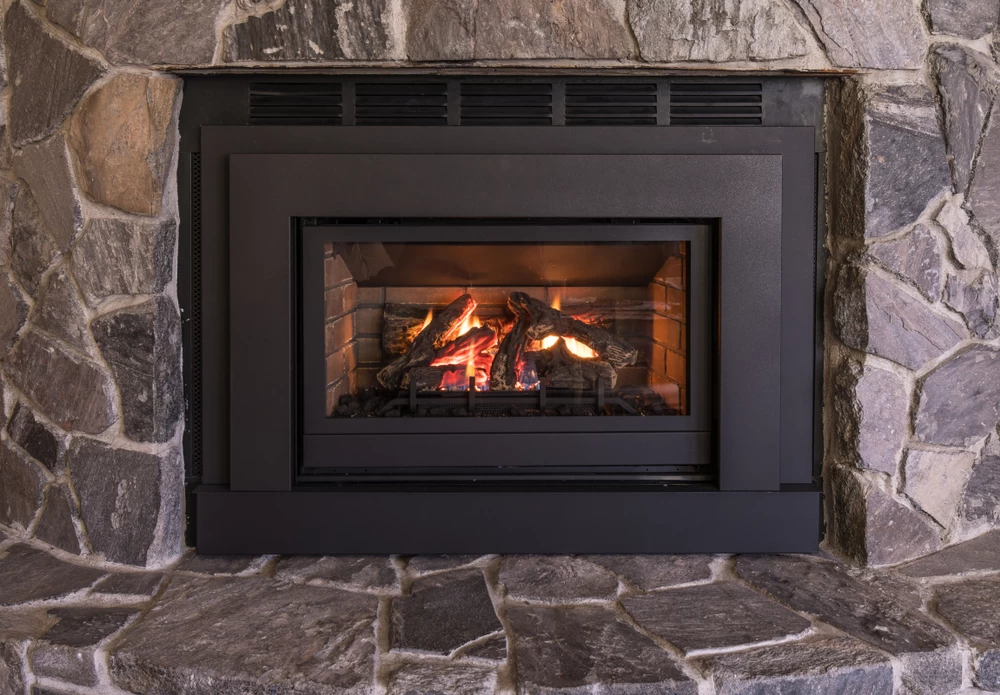
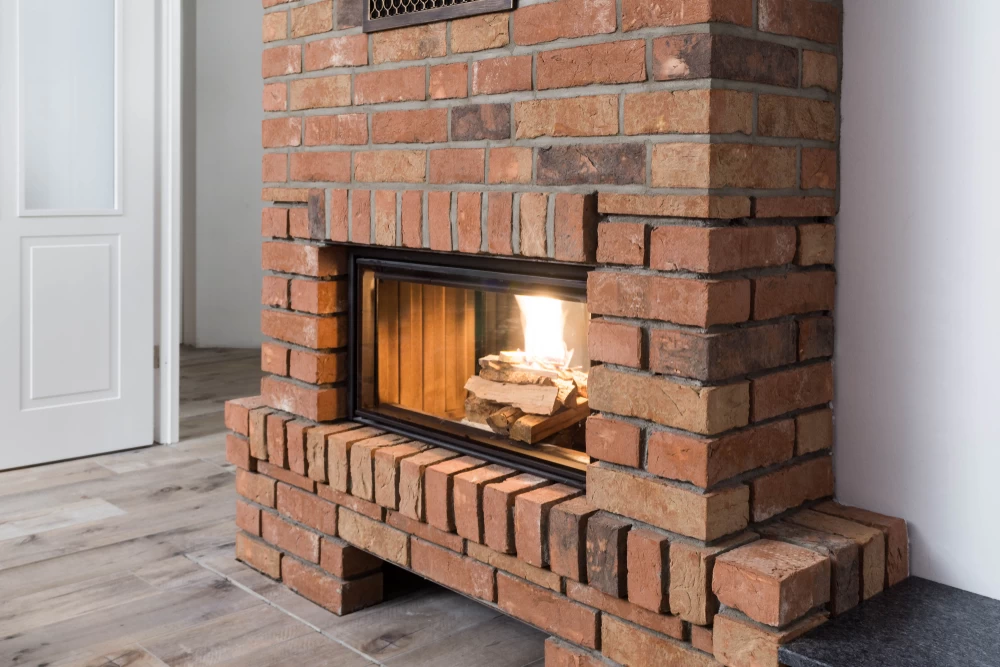
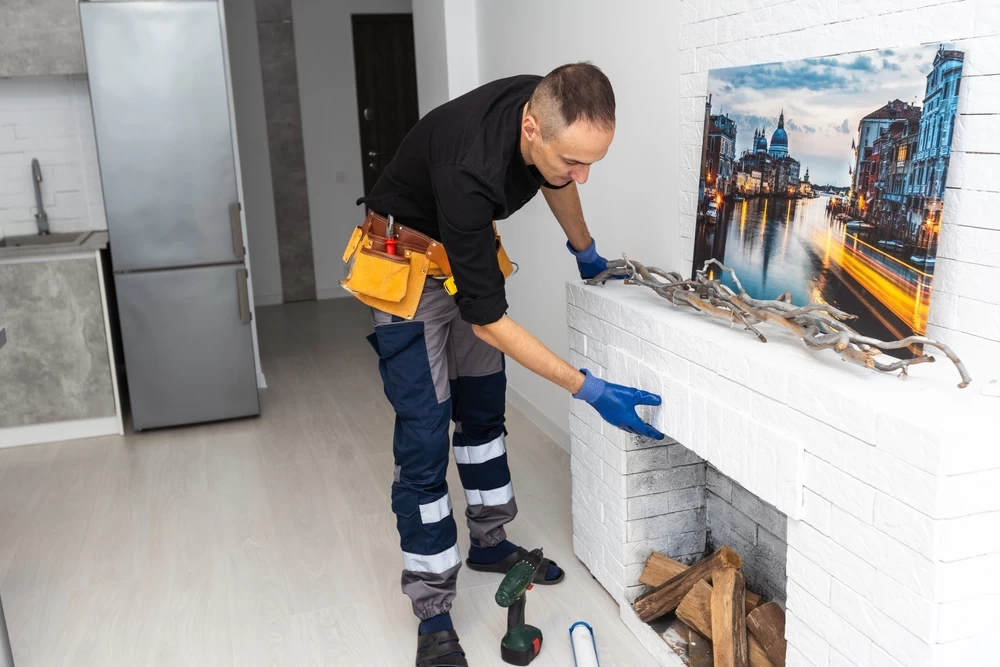
Is your fireplace feeling the chill of neglect? Ageless Chimney rekindles hearths throughout South Street Seaport, bringing warmth and charm back to your home.
I highly recommend these guys. (Bob/Christian)They came right on time and were extremely neat and professional. They did a great job at a reasonable price.
Tommy Glenn
I have been using Bobby and Sherwood for years. I highly recommend them. They did chimney repair and chimney sweep. Great work, great guys.
Ingrid V.
Highly recommend Ageless chimney. They were polite, professional and got the job done in one day, left my property as clean as they found it. Very happy!
Brian Nolin
Outstanding work, great service, and extremely reliable!!
Fireplace Repair Options in South Street Seaport?
Ageless Chimney; Reigniting New York City Fireplaces
Breathe easy with our chimney cleaning and creosote removal services for a safe and efficient fireplace.
Enjoy effortless control and optimal airflow with our damper repair or replacement solutions.
Fortify your chimney’s structure and prevent future damage with our thorough mortar joint repointing.
Safeguard your home from the elements and unwelcome guests with our chimney cap and crown repair.
At Ageless Chimney, we’re not just repairing fireplaces; we’re restoring family traditions. Our skilled masons in South Street Seaport, NY, combine generations of knowledge with modern techniques to revitalize your fireplace. We’re committed to using authentic materials, like hand-formed firebricks and time-tested mortar, so your fireplace remains a cherished centerpiece for years to come. With Ageless Chimney, you’re not just getting a repair; you’re investing in lasting memories.
A fireplace is more than just a source of heat; it’s a gathering place, a storyteller, and a symbol of home. But neglecting its care can lead to drafts, smoky rooms, and even dangerous structural issues. Our specialized services, like firebox repair and flue liner replacement, address these concerns head-on. We understand exactly what New York City fireplaces face, and we’re equipped to handle them all. Trust Ageless Chimney in South Street Seaport, NY, to restore your fireplace to its full glory and ensure cozy gatherings for years to come. Contact us at 516-795-1313 to schedule your consultation today.
The first pier in the area appeared in 1625, when the Dutch West India Company founded an outpost there. With the influx of the first settlers, the area was quickly developed. One of the first and busiest streets in the area was today’s Pearl Street, so named for a variety of coastal pearl shells. Due to its location, Pearl Street quickly gained popularity among traders. The East River was eventually narrowed. By the second half of the 17th century, the pier was extended to Water Street, then to Front Street, and by the beginning of the 19th century, to South Street. The pier was well reputed, as it was protected from the westerly winds and ice of the Hudson River.
In 1728, the Schermerhorn Family established trade with the city of Charleston, South Carolina. Subsequently, rice and indigo came from Charleston. At the time, the port was also the focal point of delivery of goods from England. In 1776, during the American Revolutionary War, the British occupied the port, adversely affecting port trade for eight years. In 1783, many traders returned to England, and most port enterprises collapsed. The port quickly recovered from the post-war crisis. From 1797 until the middle of 19th century, New York had the country’s largest system of maritime trade. From 1815 to 1860 the port was called the Port of New York.
On February 22, 1784, the Empress of China sailed from the port to Guangzhou and returned to Philadelphia on May 15, 1785, bringing along, in its cargo, green and black teas, porcelain, and other goods. This operation marked the beginning of trade relations between the newly formed United States and the Qing Empire.