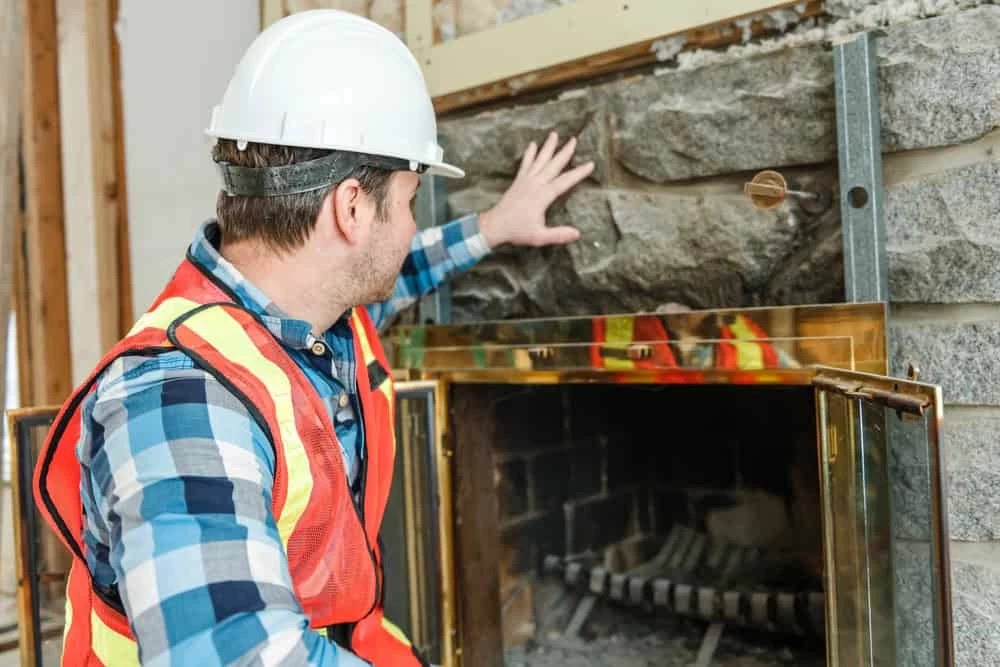
Fireplace Repair in St. Nicholas Historic District, NY
Fireplace Repair in New York City
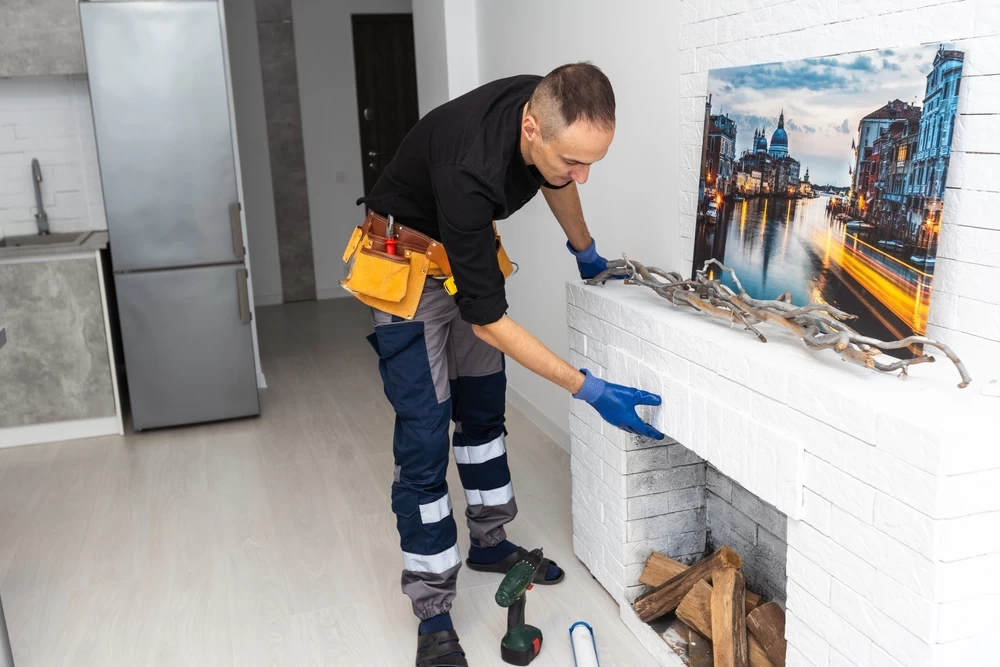
Is your fireplace showing signs of wear? Ageless Chimney provides professional repair services in St. Nicholas Historic District, restoring your fireplace to its former glory.
I highly recommend these guys. (Bob/Christian)They came right on time and were extremely neat and professional. They did a great job at a reasonable price.
Tommy Glenn
I have been using Bobby and Sherwood for years. I highly recommend them. They did chimney repair and chimney sweep. Great work, great guys.
Ingrid V.
Highly recommend Ageless chimney. They were polite, professional and got the job done in one day, left my property as clean as they found it. Very happy!
Brian Nolin
Outstanding work, great service, and extremely reliable!!
Fireplace Repair Services in St. Nicholas Historic District?
Ageless Chimney; Your Fireplace Repair Solution
A well-maintained fireplace adds a touch of elegance and coziness to your NY home.
Fireplace repair safeguards your property by addressing potential hazards.
Enjoy efficient heating and ambiance with a properly functioning fireplace.
Investing in repairs can boost your home’s value and aesthetic appeal.
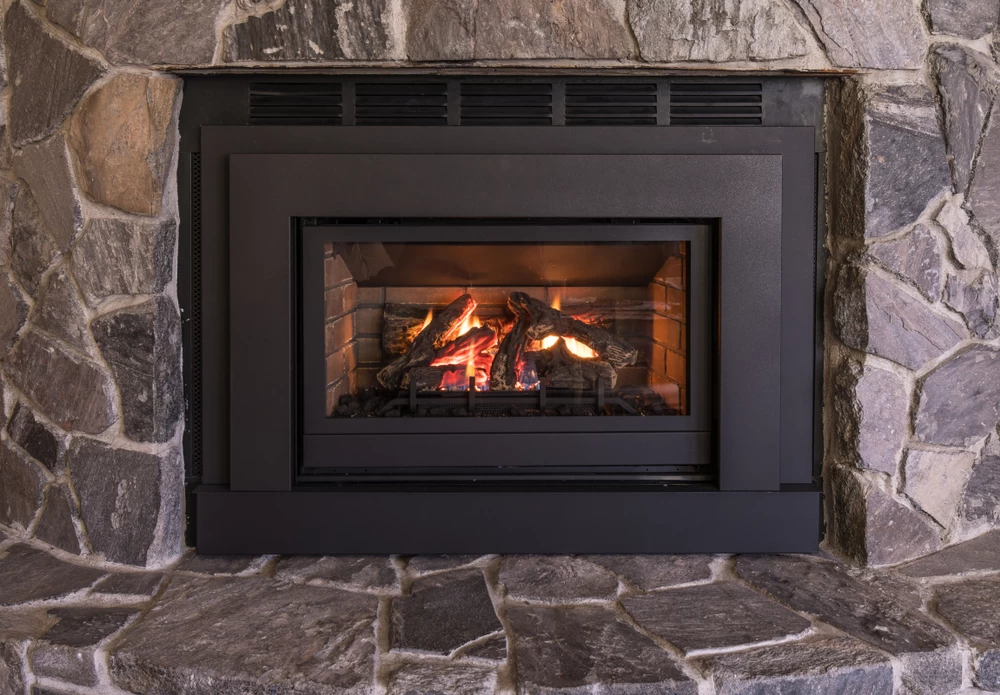
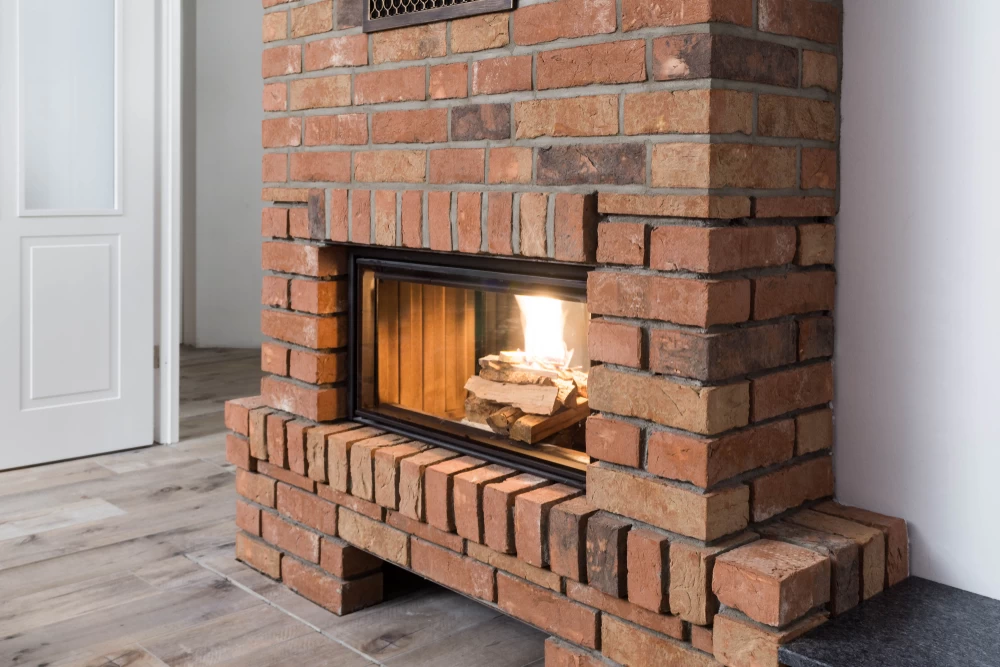
Ageless Chimney is a trusted name in fireplace repair in St. Nicholas Historic District. We specialize in revitalizing hearths, ensuring they are both functional and visually appealing. Our skilled technicians work with various materials, from classic brick and mortar to modern gas and electric components. We’re not just fixing fireplaces; we’re restoring warmth and comfort to New York City homes.
Ageless Chimney; Your New York City Fireplace Experts
Fireplace Repair is essential for maintaining a safe and inviting home in NY. Neglecting repairs can lead to structural damage, decreased efficiency, and even fire hazards. At Ageless Chimney, we understand the importance of a well-functioning fireplace. Our services range from fixing cracks and leaks to restoring damaged brickwork. Contact Ageless Chimney at 516-795-1313 for expert fireplace repair in St. Nicholas Historic District.
David H. King Jr., the developer of what came to be called “Striver’s Row”, had previously been responsible for building the 1870 Equitable Building, the 1889 New York Times Building, the version of Madison Square Garden designed by Stanford White, and the Statue of Liberty’s base. The townhouses in his new project, which were originally called the “King Model Houses”, were intended for upper-middle-class whites, and featured modern amenities, dark woodwork, and views of City College. King’s idea was that the project would be “on such a large scale and with such ample resources as to ‘Create a Neighborhood’ independent of surrounding influences.”
The houses sit back-to-back, which allowed King to specify that they would share rear courtyards. The alleyways between them – a rarity in Manhattan – are gated off; some entrance gates still have signs that read “Walk Your Horses”. At one time, these alleys allowed discreet stabling of horses and delivery of supplies without disrupting activities in the main houses. Today, the back areas are used almost exclusively for parking.
King sold very few houses and the development failed, with Equitable Life Assurance Society, which had financed the project, foreclosing on almost all the units in 1895, during an economic depression. By this time, Harlem was being abandoned by white New Yorkers, yet the company would not sell the King houses to blacks, and so they sat empty until 1919-20, when they were finally made available to African Americans for $8,000 each. Some of the units were turned into rooming houses, but generally they attracted both leaders of the black community and upwardly-mobile professionals, or “strivers”, who gave the district its colloquial name.