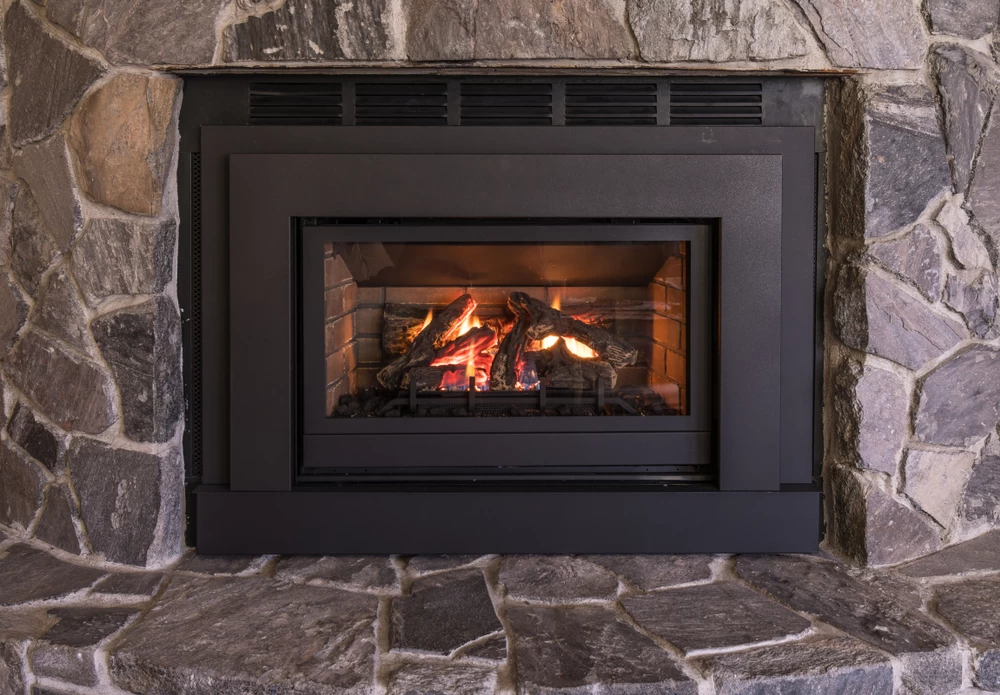
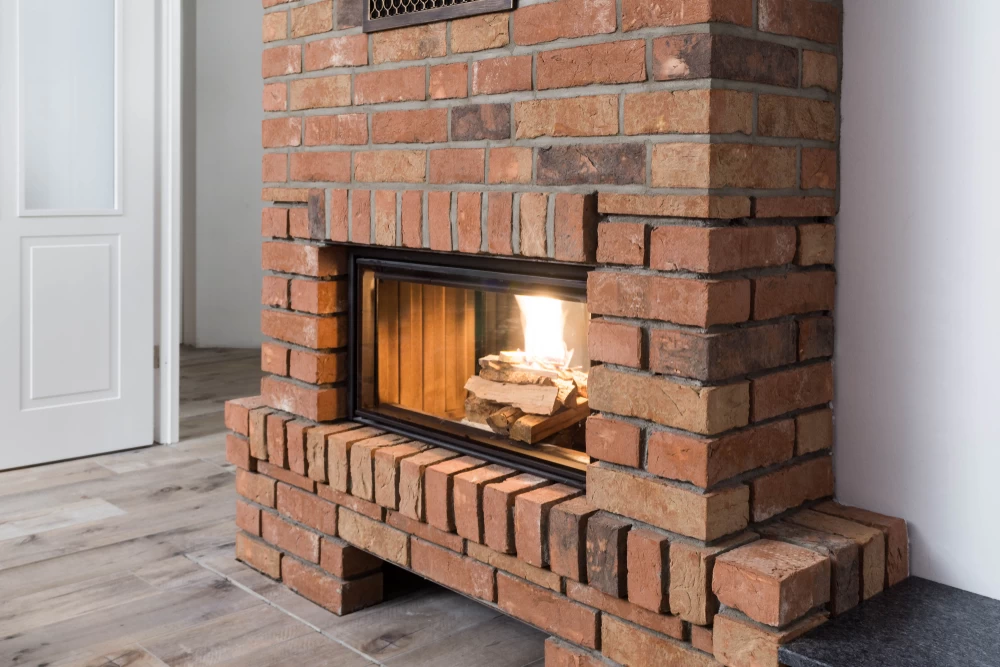
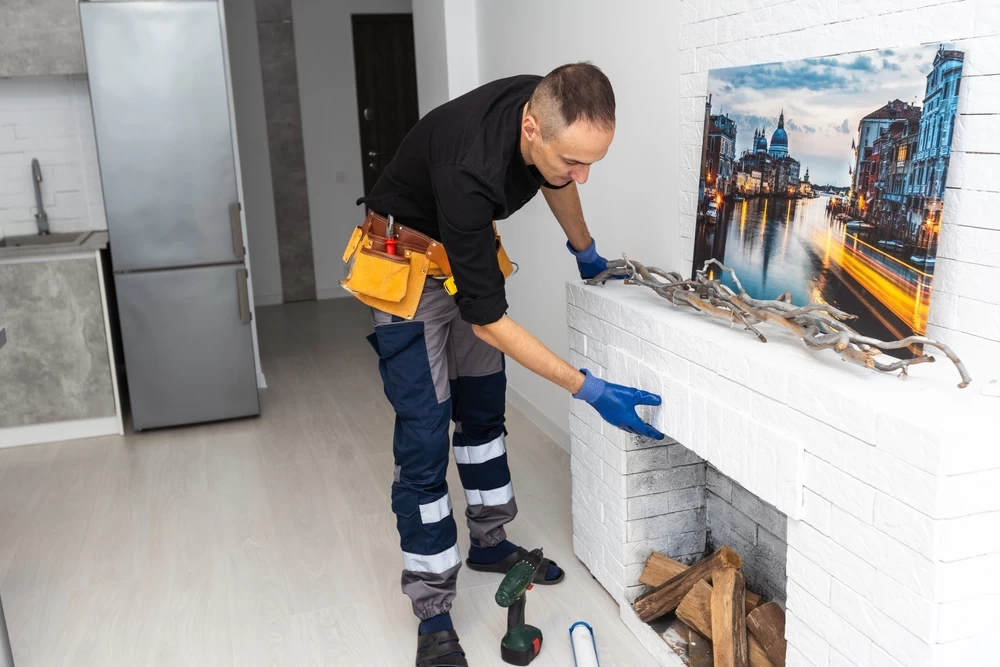
Is your fireplace showing signs of wear? Ageless Chimney provides professional repair services in Stuyvesant Square, restoring your fireplace to its former glory.
I highly recommend these guys. (Bob/Christian)They came right on time and were extremely neat and professional. They did a great job at a reasonable price.
Tommy Glenn
I have been using Bobby and Sherwood for years. I highly recommend them. They did chimney repair and chimney sweep. Great work, great guys.
Ingrid V.
Highly recommend Ageless chimney. They were polite, professional and got the job done in one day, left my property as clean as they found it. Very happy!
Brian Nolin
Outstanding work, great service, and extremely reliable!!
Fireplace Repair Services in Stuyvesant Square?
Ageless Chimney; Your Fireplace Repair Solution
A well-maintained fireplace adds a touch of elegance and coziness to your NY home.
Fireplace repair safeguards your property by addressing potential hazards.
Enjoy efficient heating and ambiance with a properly functioning fireplace.
Investing in repairs can boost your home’s value and aesthetic appeal.
Ageless Chimney is a trusted name in fireplace repair in Stuyvesant Square. We specialize in revitalizing hearths, ensuring they are both functional and visually appealing. Our skilled technicians work with various materials, from classic brick and mortar to modern gas and electric components. We’re not just fixing fireplaces; we’re restoring warmth and comfort to New York City homes.
Ageless Chimney; Your New York City Fireplace Experts
Fireplace Repair is essential for maintaining a safe and inviting home in NY. Neglecting repairs can lead to structural damage, decreased efficiency, and even fire hazards. At Ageless Chimney, we understand the importance of a well-functioning fireplace. Our services range from fixing cracks and leaks to restoring damaged brickwork. Contact Ageless Chimney at 516-795-1313 for expert fireplace repair in Stuyvesant Square.
In 1836, Peter Gerard Stuyvesant (1778-1847) – the great-great-grandson of Peter Stuyvesant – and his wife Helen (or Helena) Rutherfurd reserved four acres of the Stuyvesant farm and sold it for a token five dollars to the City of New York as a public park, originally to be called Holland Square, with the proviso that the City of New York build a fence around it. As time passed, however, no fence was constructed, and in 1839, Stuyvesant’s family sued the City to cause it to enclose the land. Not until 1847 did the City begin to improve the park by erecting the magnificent, 2800 foot long cast-iron fence, which still stands as the oldest cast-iron fence in New York City. (The oldest fence in New York is that around Bowling Green.) In 1850 two fountains completed the landscaping, and the park was formally opened to the public. The public space joined St. John’s Square (no longer extant), the recently formed Washington Square and the private Gramercy Park as residential squares around which it was expected New York’s better neighborhoods would be built.
In the early 1900s, Stuyvesant Square was among the city’s most fashionable addresses. The Stuyvesant Building, at 17 Livingston Place on the eastern edge of the square, was home to the publisher George Putnam, Harper’s Bazaar editor Elizabeth Jordan and Elizabeth Custer, the widow of General George Armstrong Custer.
The opening of St. George’s Church, located on Rutherford Place and 16th Street (built on land obtained from Peter Stuyvesant, 1848-1856; burnt down in 1865; remodeled by C.O.Blesch and L. Eidlitz, 1897) and the Friends Meeting House and Seminary (to the southwest) (1861, Charles Bunting) attracted more residents to the area around the park. The earliest existing houses in the district, in the Greek Revival style, date to 1842-43, when the city’s residential development was first moving north of 14th Street, but the major growth in the area occurred in the 1850s. Fashionable houses were still being built as late as 1883, when Richard Morris Hunt’s Sidney Webster House at 245 East 17th Street – now the East End Temple synagogue – was completed, but already German and Irish immigrants, had begun moving into new rowhouses and brownstones in the neighborhood, followed by Jewish, Italian and Slavic immigrants.