

You’re looking at your backyard right now and seeing wasted space. Maybe the kids are bored by July. Maybe you’re tired of packing up the car every weekend just to cool off somewhere decent.
An in-ground pool changes that. It turns your property into the spot where your family actually wants to hang out. Where you host instead of travel. Where summer feels longer because you’re not rushing to make the most of it somewhere else.
But here’s what matters more than the pool itself: how it’s built. Long Island soil doesn’t cooperate like other places. You’ve got sand that shifts, clay that holds water, and setback rules that vary by county. If your pool isn’t designed with that in mind, you’re looking at drainage problems, cracking, and repairs that cost more than the install. We account for all of it upfront so the only surprise you get is how much you actually use the thing.
Ageless started in masonry and outdoor construction nearly twenty years ago. We’ve worked on hundreds of properties across Nassau and Suffolk Counties, so we know what works here and what doesn’t.
Pool construction is a natural extension of what we’ve always done: concrete work, grading, drainage, patios, retaining walls. The difference now is we’re bringing all of that together into one project instead of handing pieces off to someone else.
You’re not working with a crew that showed up last season. You’re working with people who’ve pulled permits in your town, dealt with your soil conditions, and know which inspectors are going to show up on site. That experience saves you time, stress, and money you didn’t know you’d be spending.
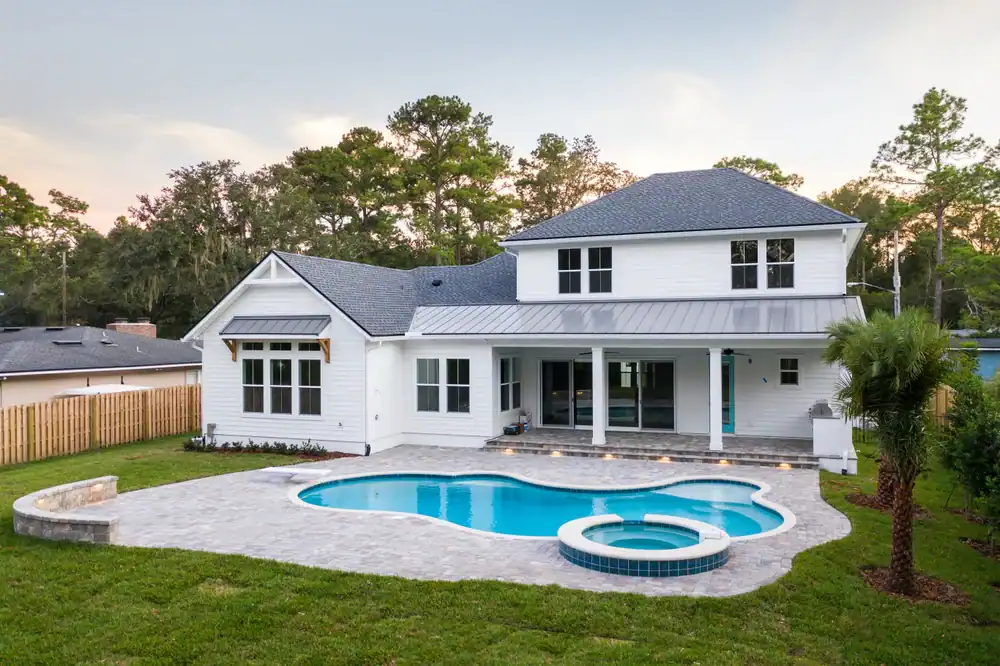
We start with a site visit. You show us the yard, we talk through what you want, and we tell you what’s realistic given your space, budget, and local requirements. If there’s a drainage issue or a setback problem, you’ll know before we draw anything up.
Once the design is locked in, we handle the permits. That means working with your town’s building department, submitting surveys if needed, and making sure everything’s approved before we dig. In Nassau and Suffolk Counties, this step matters more than people think—it’s where most delays happen if you don’t know what you’re doing.
Then we excavate, pour, and build. Depending on your pool type and site conditions, this takes anywhere from a few weeks to a couple months. We coordinate the plumbing, electrical, and any masonry work like coping, patios, or retaining walls. You get updates as we go, and we don’t disappear between phases.
When it’s done, we walk you through everything: how the equipment works, what maintenance looks like, and when to call us if something feels off. You’re not guessing your way through the first season.
Ready to get started?
Every project starts with design and layout. We’re not handing you a catalog and asking you to pick. We’re measuring your yard, talking through how you’ll actually use the space, and designing something that fits your property and your routine.
From there, we manage the permits and approvals. Bellerose falls under Nassau County jurisdiction, which means specific requirements for setbacks, drainage, and inspections. We handle the paperwork, the submissions, and the follow-up so you’re not sitting on hold with the building department.
The build itself includes excavation, pool installation (gunite, vinyl, or fiberglass depending on what you choose), plumbing, electrical, and all the finishing work. That means coping, tile, decking, and any masonry or grading needed to make the whole area functional. If you want a patio, retaining walls, or custom pool surrounds, that’s part of the same project—not something you’re coordinating with another company six months later.
You also get a walkthrough on maintenance and equipment. Pool pumps, filters, heaters—it all needs to run efficiently, especially with Long Island’s energy costs. We’ll show you how to keep things running right and what to watch for as the seasons change.
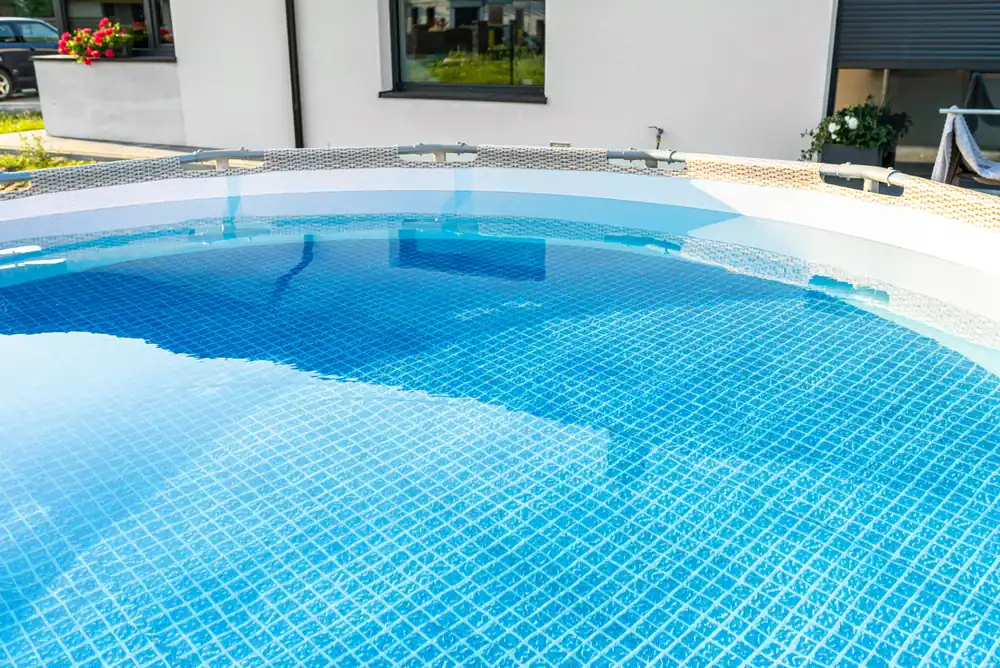
Most in-ground pool projects take between 8 and 12 weeks from the day we break ground to the day you’re swimming. That timeline depends on a few things: your pool type, site conditions, weather, and how fast permits move through Nassau County.
Gunite pools take longer than vinyl or fiberglass because there’s more custom work involved—steel installation, shotcrete application, curing time. Vinyl and fiberglass pools can go faster, but they still need proper excavation, plumbing, electrical, and decking work.
Permitting is usually the wildcard. If your property is in a flood zone or requires a variance, add a few extra weeks. We stay on top of that process so it doesn’t drag out longer than it needs to, but it’s not something we control entirely. Once we’re building, the timeline is predictable. Weather delays happen, but they’re usually short. If we say 10 weeks, that’s what you should plan for unless something unusual comes up.
Nassau County has stricter permitting requirements than a lot of other places. You’ll need a building permit for the pool itself, an electrical permit for any equipment, and sometimes a topographic survey if your property has grading issues or sits in a flood zone.
Setback rules are also specific. Your pool has to be a certain distance from property lines, septic systems, and structures. If your yard is tight or oddly shaped, that affects where the pool can go and how big it can be. We measure all of that during the site visit so there are no surprises later.
Soil conditions vary a lot across Long Island. Bellerose and surrounding areas can have sandy soil, clay, or a mix of both. Sandy soil drains well but shifts easily, so the pool base needs proper compaction. Clay holds water, which means we need to plan drainage carefully to avoid hydrostatic pressure that can crack the shell or lift the pool. A crew that doesn’t know Long Island soil will either overbuild or underbuild—and both cause problems. We’ve done this enough to know what your yard needs before we dig.
No. We handle pool patio masonry, concrete pool surrounds, and any other hardscaping as part of the same project. That’s one of the advantages of working with a company that does both pool installation and masonry—you’re not coordinating between two or three different contractors.
Most pool projects include some kind of decking or patio work. It’s not just aesthetic—it’s functional. You need a stable, non-slip surface around the pool, proper drainage so water doesn’t pool near the coping, and grading that directs runoff away from your house and yard.
We also handle custom pool coping and tile if you want something beyond the standard options. Coping is the cap that sits on top of the pool edge, and it takes a beating from weather, water, and traffic. If it’s not installed right, it cracks or shifts within a few years. Same goes for tile—if the substrate isn’t prepped correctly, tiles pop off. We do this work every day, so it’s done right the first time. You’re not calling someone else a year later to fix what should’ve been solid from the start.
Most custom in-ground pools in Nassau County run between $50,000 and $100,000, depending on size, materials, and how much site work is involved. If your yard needs significant grading, retaining walls, or drainage work, that adds to the cost. Same goes for high-end finishes, custom shapes, or added features like waterfalls or built-in spas.
Gunite pools tend to be on the higher end because they’re fully customizable and built on-site. Vinyl liner pools are usually less expensive upfront but need liner replacements every 7 to 10 years. Fiberglass pools fall somewhere in the middle—they’re durable and low-maintenance, but you’re limited to pre-made shapes and sizes.
We give you a detailed estimate after the site visit. That estimate includes everything: permits, excavation, pool installation, plumbing, electrical, decking, and cleanup. No line items that mysteriously appear later. If something comes up during the job—like unexpected ledge rock or a drainage issue—we talk to you before we proceed. You’ll know what you’re spending and why. The goal is no surprises, just a clear number you can plan around.
Long Island’s climate means your pool goes through real seasonal changes. You’ll open it in late April or early May once nighttime temps stay above 50 degrees, and you’ll close it in late September or October before the first freeze.
During the season, you’re looking at weekly tasks: skimming debris, checking chemical levels, backwashing the filter, and making sure the pump is running efficiently. Pool pumps are one of the biggest energy users in your home during summer, so keeping them clean and running on a timer saves you money.
Off-season maintenance matters just as much. Winterizing protects your pool from freeze damage, which is a real issue here. That means draining the lines, adding antifreeze where needed, covering the pool, and making sure the cover stays secure through snow and ice. A lot of Northeast pools suffer winter damage because this step gets rushed or skipped. Come spring, you’re dealing with cracked pipes, damaged tiles, or a cover full of algae that’s contaminated the water. We walk you through the process so you know what to do, or we can handle it for you if you’d rather not deal with it.
Yes. In fact, most Long Island properties have some kind of drainage or grading challenge. Flat yards that don’t drain, sloped yards that need retaining walls, low spots that collect water—we’ve dealt with all of it.
The key is addressing it during the design phase, not after the pool is in. If your yard doesn’t drain properly, water will collect around the pool, which can cause hydrostatic pressure under the shell. That pressure can crack gunite, lift vinyl liners, or even pop a fiberglass pool out of the ground. It’s not common, but it happens when drainage isn’t planned correctly.
We handle grading as part of the project. That might mean resloping areas of your yard, installing drainage pipes, or building retaining walls to manage water flow. Pool retaining walls and grading aren’t just about looks—they’re about making sure your pool stays structurally sound for decades. If we see a drainage issue during the site visit, we’ll tell you what needs to happen and what it’ll cost. You won’t find out halfway through the job that your yard needs another $10,000 in work.
Other Services we provide in Bellerose