


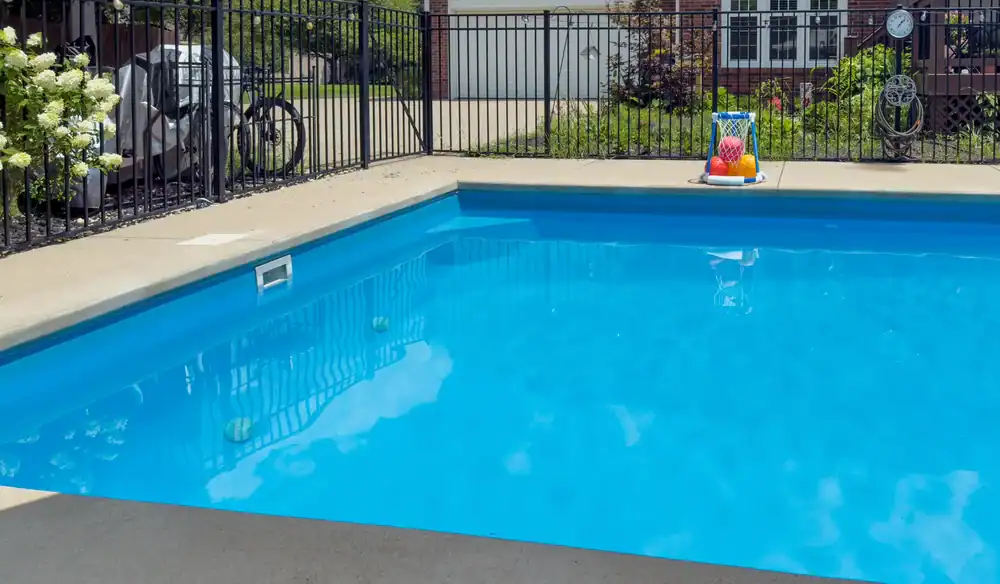
You’re not just getting a hole filled with water. You’re getting a backyard that finally makes sense for how you want to live—whether that’s weekend pool parties, morning laps, or just a place to cool off without driving anywhere.
The difference shows up in how the deck sits level after two winters. How the drainage actually works when it rains. How the tile stays put and the coping doesn’t crack when the ground shifts underneath it, which it will, because this is Long Island.
Most contractors learn about Suffolk County soil conditions the hard way. We’ve been handling sandy soil that shifts and clay that doesn’t drain for years. That means your pool gets built right the first time, with proper excavation and grading that accounts for what’s actually under your yard—not what someone hopes is there.
We’ve been serving Long Island homeowners since 2006. We’re owner-operated, which means Bobby or Sherwood is on your job—not just during the estimate, but while the work is happening. That’s how we’ve earned an A+ rating with the BBB and why we’ve gotten the kind of reviews that actually mean something.
We handle the entire process: excavation, plumbing, electrical, masonry, hardscaping. No subcontractors showing up who’ve never worked together before. Just our crews, who know exactly how to navigate Suffolk County and Nassau County permit requirements, setback rules, and the ground conditions that make building pools here different than anywhere else.
East Shoreham homeowners deal with the same challenges the rest of Long Island does—zoning laws that vary by town, soil that doesn’t always cooperate, and a short building season. We’ve built enough pools in this area to know what works and what doesn’t.
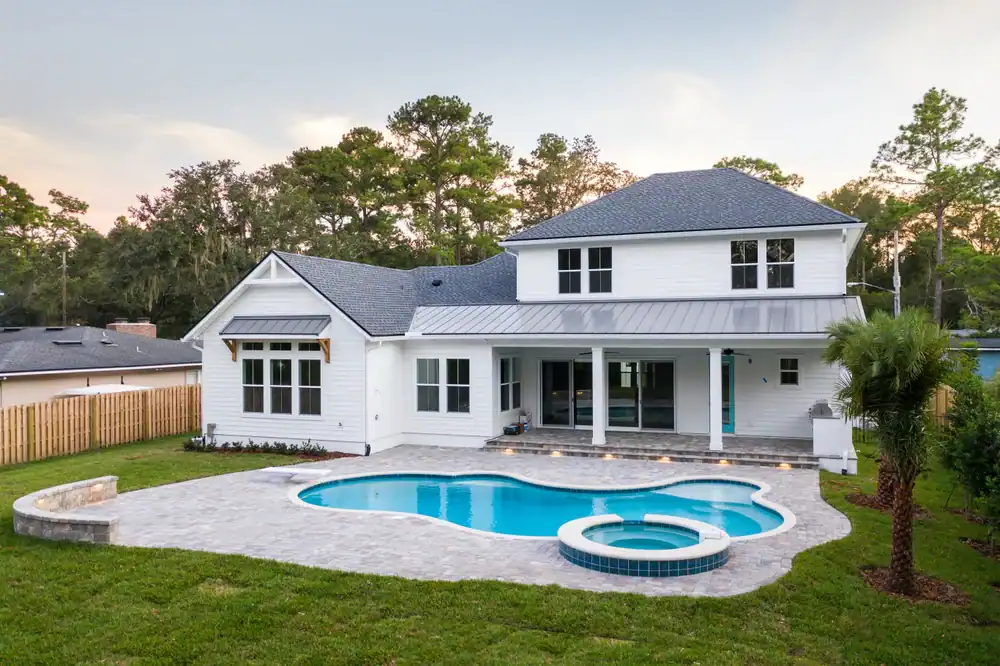
First, we come out and look at your yard. Not just measurements—we’re checking slope, drainage, access for equipment, and what’s realistic given your property lines and local setback requirements. Then we talk about what you actually want: lap pool, family-friendly shallow end, built-in spa, waterfalls, lighting.
Once the design is locked in, we handle the permits. Suffolk County has specific regulations, and every town adds its own layer. We know what the inspectors are looking for, so you’re not dealing with delays or rejections because something wasn’t filed correctly.
Excavation comes next. We’re digging based on what’s actually in your yard—rock, sand, clay, high water table—and adjusting as we go. Then it’s plumbing, electrical, and the shell. After that, we’re installing your pool patio masonry in Suffolk County, whether that’s pavers, concrete surrounds, or custom pool coping and tile in Suffolk County that ties everything together visually.
Final grading, cleanup, and inspection. Then you’re swimming.
Ready to get started?
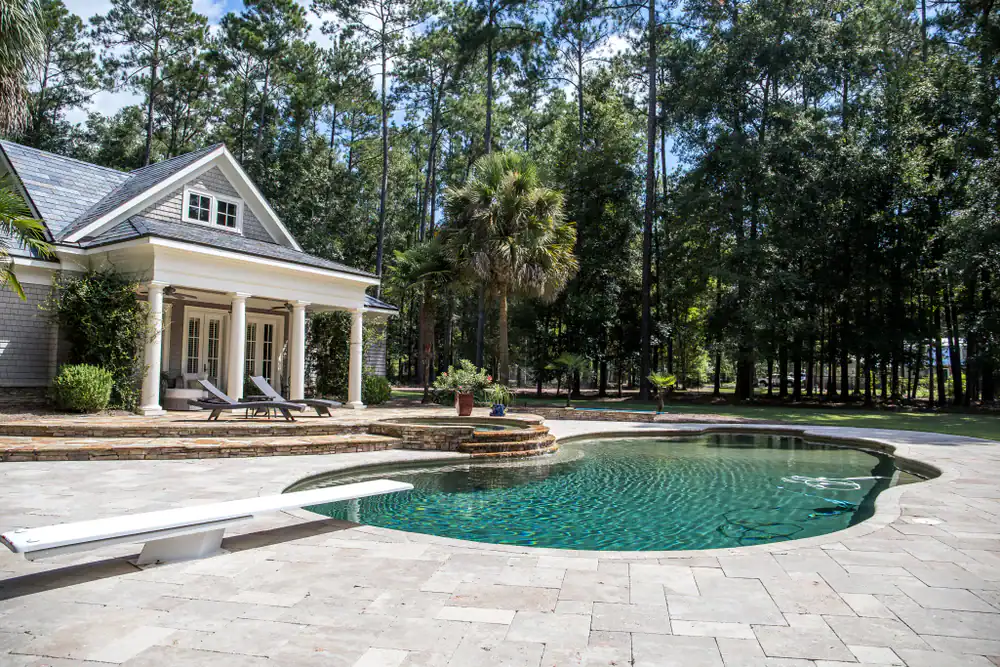
You’re not just getting a pool dropped into your yard. You’re getting a complete backyard poolscape in Suffolk County that makes sense as a whole: the deck, the patio, the grading, the retaining walls if your yard has elevation changes.
We install pool patio masonry in Nassau County and Suffolk County using materials that hold up to freeze-thaw cycles and the kind of traffic a pool deck sees every summer. That includes custom pool coping and tile in Nassau County that doesn’t just look good in photos—it stays intact after a few winters. Concrete pool surrounds in Suffolk County get poured with proper slope for drainage, so water doesn’t pool on your deck or run back toward your house.
If your yard needs leveling or you’re dealing with a slope, we handle pool retaining walls and grading as part of the project. Long Island properties aren’t always flat, and that means extra work to make sure your pool area is stable and functional long-term. About 70% of pools on Long Island use sand bottom construction instead of gunite, which is now mostly reserved for luxury builds. We’ll walk you through what makes sense for your budget and your property.
Most in-ground pool installations in Suffolk County take 8 to 12 weeks from permit approval to final inspection. That timeline assumes normal ground conditions, no permit delays, and decent weather.
Spring is the best season to start because contractors are in high demand once summer hits. If you’re planning a pool for next year, getting the design and permits done in late winter puts you at the front of the line when digging season opens.
The actual construction time depends on complexity. A simple rectangular pool with a basic concrete surround goes faster than a custom shape with waterfalls, integrated spa, and extensive hardscaping. Weather also plays a role—heavy rain delays excavation and concrete work, and we’re not pouring in freezing temperatures.
You’ll need a building permit from your town, and possibly additional approvals depending on your property’s zoning and proximity to wetlands or flood zones. Each town in Suffolk County has its own requirements on top of county regulations.
Most towns require a site plan showing the pool location, setbacks from property lines, and how drainage will be handled. Some require a fence permit if you’re adding or modifying perimeter fencing to meet pool safety codes. If your pool includes electrical work or gas lines for a heater, those need separate permits and inspections.
We handle the permit process as part of the job. That means preparing the applications, submitting the plans, and coordinating inspections so you’re not trying to figure out what the building department wants or waiting weeks because something was filled out wrong.
In-ground pool costs in Nassau County typically range from $50,000 to $100,000+ depending on size, materials, and what you’re including beyond the pool itself. A basic vinyl liner pool with a simple concrete deck sits at the lower end. Custom shapes, gunite construction, premium coping and tile, and extensive patio masonry push costs higher.
Ground conditions affect the price. If we hit rock during excavation or need to address a high water table, that adds to the labor and materials. Retaining walls, grading work, and upgraded decking also increase the total.
The biggest cost swings come from early decisions: pool size, construction method, and how much hardscaping you want. We give you a detailed estimate upfront so you know what you’re paying for and why. No hidden fees or surprise charges when we’re halfway through the job.
Pool maintenance on Long Island changes with the seasons. Summer means more frequent cleaning, chemical checks, and filter maintenance because you’re using the pool constantly and dealing with pollen, leaves, and higher temperatures that affect water chemistry.
Spring requires opening the pool, which includes removing the cover, cleaning out any debris that got in over winter, checking equipment for freeze damage, and balancing the water chemistry before it’s safe to swim. Fall means closing it down properly—lowering the water level, adding winterizing chemicals, and covering it so you’re not dealing with a mess when spring comes around.
You’ll also need to monitor your pool deck and coping for cracks or shifting, especially after winter. Long Island’s freeze-thaw cycles can cause movement in the ground, which affects anything built on top of it. Catching small issues early—a loose paver, a crack in the coping—prevents bigger repairs later.
Yes. Sloped yards are common on Long Island, and they’re not a dealbreaker—they just require more grading and possibly retaining walls to create a level area for the pool and deck.
We’ll evaluate how much elevation change you’re working with and whether it makes sense to cut into the slope, build up the low side, or a combination of both. Retaining walls hold back soil and prevent erosion, which is critical if your pool is going into a hillside or if there’s a significant grade change across your property.
The advantage of a sloped yard is that it can create natural opportunities for visual interest—tiered patios, elevated decks, or water features that work with the terrain instead of fighting it. The downside is added cost for excavation, grading, and structural work. We’ll walk you through what’s required and give you options that fit your budget and your yard.
Because not all pool installations are the same. The cheapest bid usually means shortcuts—thinner concrete, minimal rebar, skipped steps in the permit process, or subcontractors who’ve never worked together and don’t communicate.
You’re paying for experience with Suffolk County and Nassau County ground conditions, proper drainage systems that prevent water from undermining your pool or deck, and materials that hold up to freeze-thaw cycles. You’re also paying for a contractor who handles permits correctly, shows up when they say they will, and doesn’t disappear halfway through the job.
We’re not the cheapest option. But you’re getting an owner on-site, crews who’ve been doing this for years, and a pool that’s still level and intact five years from now. That’s worth more than saving a few thousand upfront and dealing with cracks, leaks, or a deck that’s sinking because the grading wasn’t done right.
Other Services we provide in East Shoreham