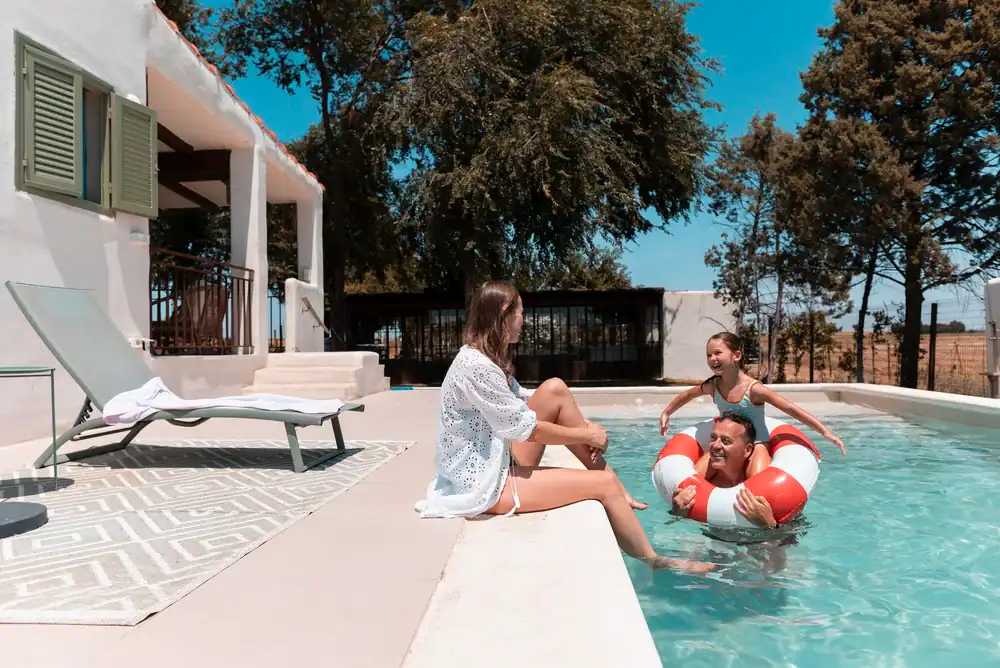

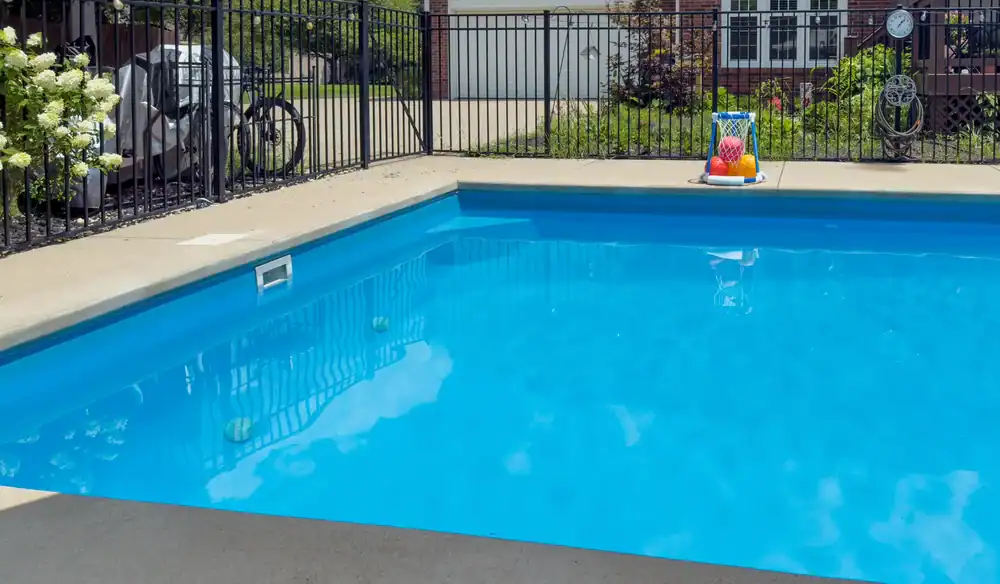
You want a backyard that works for your family without becoming a second job. That means a pool that doesn’t crack after the first winter, patio masonry that drains properly when it rains, and coping that stays level even with Long Island’s freeze-thaw cycles.
Most pool projects fail because the contractor doesn’t understand Suffolk County ground conditions. Rocky soil and high water tables aren’t just inconveniences—they determine whether your investment lasts five years or fifty. When the base isn’t prepped correctly, you’re looking at settling, cracking, and drainage problems that cost thousands to fix.
You also want someone who shows up when they say they will and finishes the job without adding surprise costs halfway through. That’s not a luxury—it’s the baseline. But it’s rare enough that homeowners in Halesite, NY spend weeks vetting contractors just to avoid getting burned.
Ageless started as a masonry company serving Nassau County and Suffolk County. Over twenty years, we’ve handled everything from chimneys to custom poolscapes, and we’ve learned that the homeowners who call us aren’t looking for the cheapest bid—they’re looking for someone who won’t disappear or cut corners.
Every project is handled by an owner, not a rotating crew of subcontractors. That matters when you’re dealing with permits, inspections, and the kind of details that separate a pool that lasts from one that becomes a liability. We’re licensed, insured, and we’ve built a reputation on doing what we say we’ll do.
Halesite homeowners deal with specific challenges: tight lots, zoning restrictions, and soil that doesn’t cooperate. We’ve worked through all of it, and we know which suppliers, inspectors, and processes will keep your project moving without unnecessary delays.
First, we walk your property and talk through what you’re trying to build. That includes checking for ledge rock, drainage issues, and setback requirements that could affect your design. You’ll know upfront if there are complications—not three weeks into excavation.
Next, we handle permits. Suffolk County and Nassau County both have specific regulations for pool installations, and if you miss something, you’re looking at delays or fines. We submit everything, coordinate inspections, and make sure you’re compliant before we break ground.
Then comes excavation and base prep. This is where most problems start if it’s done wrong. We grade for drainage, address water table issues, and build a base that won’t shift or settle. After that, we install your pool, build out your patio masonry, add coping and tile, and finish any retaining walls or grading work.
The timeline depends on your project scope, but most custom in-ground pools in Suffolk County take 8-12 weeks from permit to completion. Weather, inspections, and material availability can shift that, but we keep you updated at every step.
Ready to get started?
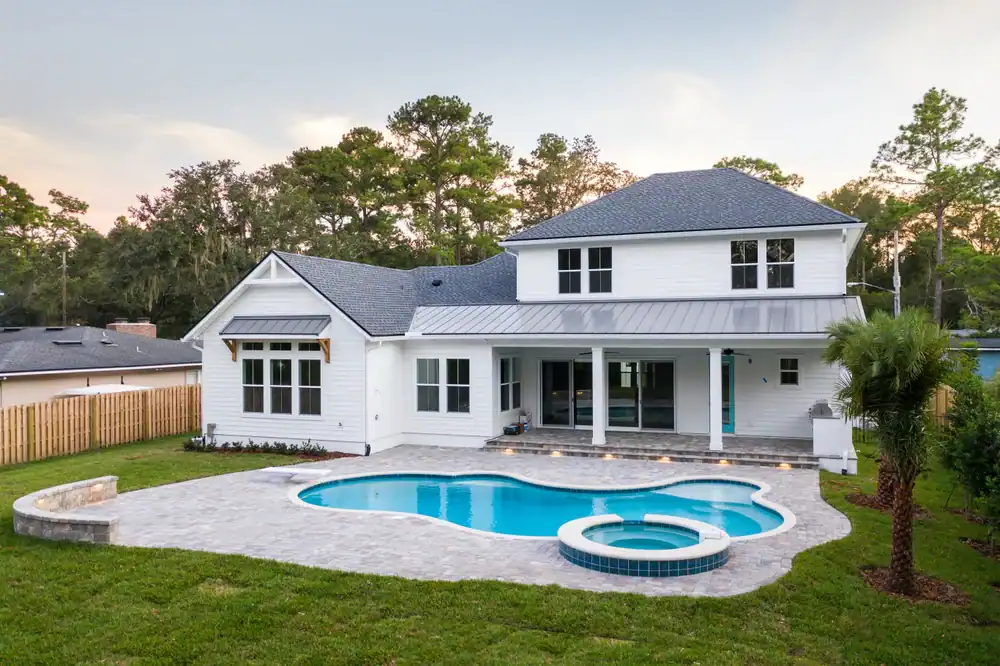
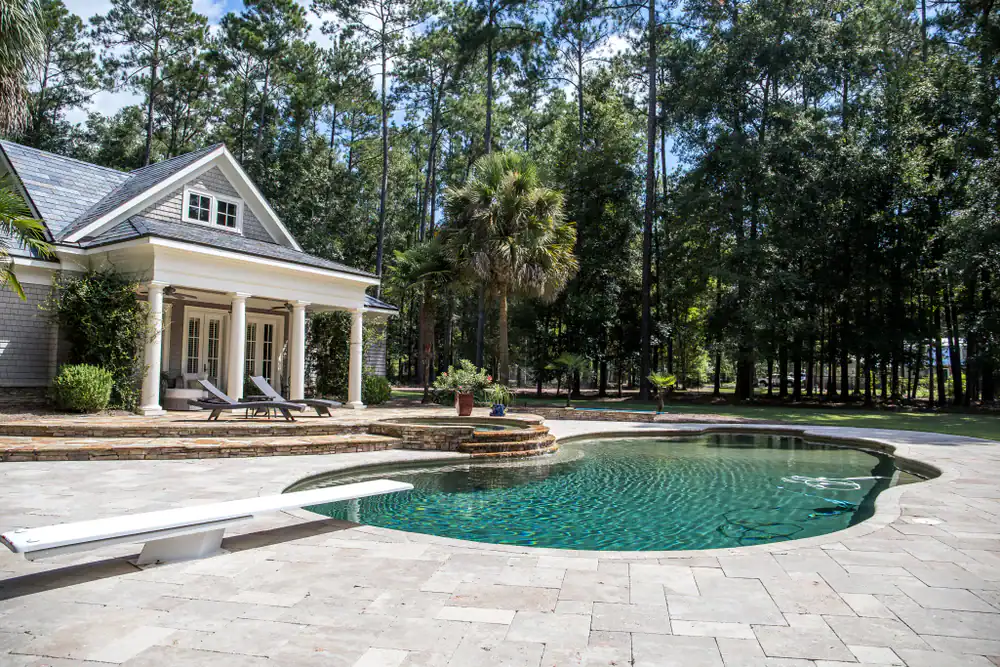
You’re not just getting a hole filled with water. A complete backyard poolscape includes the pool itself, concrete pool surrounds or paver patios, custom pool coping and tile, and any grading or retaining walls needed to manage drainage and elevation changes.
In Nassau County and Suffolk County, drainage is critical. Spring storms and summer downpours can flood a poorly graded pool deck, and winter freeze-thaw cycles will crack any surface that wasn’t installed with proper base preparation. We build for Long Island weather, not generic conditions.
We also handle pool patio masonry—whether that’s stamped concrete, pavers, or natural stone. The material you choose affects maintenance, slip resistance, and how well it holds up to salt, chlorine, and temperature swings. We’ll walk you through options based on how you’ll actually use the space, not just what looks good in a catalog.
If your yard has elevation changes, we’ll build pool retaining walls to create usable space and prevent erosion. And if you want a complete outdoor living setup—fire pits, outdoor kitchens, seating walls—we handle that too. It’s all part of creating a backyard that works the way you need it to.
Most custom in-ground pools in Suffolk County run between $50,000 and $90,000, depending on size, materials, and site conditions. That includes excavation, the pool shell, basic coping and tile, and a concrete surround. If you’re adding a full patio, outdoor kitchen, or dealing with difficult ground conditions like ledge rock or high water tables, expect that number to go up.
Vinyl liner pools are the most affordable option, usually starting around $40,000 to $60,000. Concrete and fiberglass pools cost more upfront but tend to last longer and require less frequent resurfacing. The real cost driver isn’t the pool itself—it’s site prep, permits, and how much masonry work is needed to make your yard functional.
You’ll also want to budget for ongoing costs. Weekly maintenance in Nassau County typically runs $120 to $180 per month. Winterization, opening, and occasional repairs add another $1,000 to $2,000 per year. If something major breaks—like cracked tile or damaged plumbing from freeze-thaw cycles—you’re looking at $5,000 to $15,000 in emergency repairs.
Plan on 8 to 12 weeks from permit approval to completion for most custom in-ground pools in Suffolk County. That timeline assumes normal weather, no major site complications, and timely inspections. If you hit ledge rock during excavation or run into permit delays, it can stretch longer.
Permits alone can take 2 to 4 weeks depending on your town and whether you need variances for setbacks or zoning. Once we’re approved and break ground, excavation and base prep usually take a week. Pool installation is another 1 to 2 weeks, and then we’re into masonry work—patios, coping, tile, and any retaining walls or grading. That’s where the timeline varies most, depending on how much hardscape you’re adding.
Weather plays a role too. Spring and summer projects move faster because we’re not dealing with frozen ground or delayed material shipments. If you’re starting in late fall, expect delays. The best time to begin planning is winter or early spring so you’re ready to go as soon as the ground thaws.
You’ll need a building permit from the Town of Huntington, which covers Halesite, NY. That includes submitting site plans, engineering drawings, and proof that your pool meets setback requirements—typically 10 feet from side and rear property lines, though that varies by zoning district. You’ll also need to show how you’re handling drainage and fencing to meet safety codes.
Suffolk County requires pools to be enclosed by a fence at least 4 feet high with a self-closing, self-latching gate. If your pool has a deck or patio, that needs to be included in the permit application. Some neighborhoods also have homeowner association rules that add extra restrictions on pool size, style, or placement.
Electrical work requires a separate permit, and you’ll need inspections at multiple stages—after excavation, after plumbing and electrical rough-ins, and before final approval. If any of this isn’t done correctly, you’ll fail inspection and have to redo work, which delays everything and costs more. We handle the entire permit process so you don’t have to chase down paperwork or deal with town offices.
It can, if it wasn’t built to handle freeze-thaw cycles. Long Island winters aren’t extreme, but temperatures regularly drop below freezing, and that’s enough to crack tiles, damage plumbing, and cause surface wear if the pool wasn’t installed correctly. The biggest issue is water that gets into small cracks or gaps—when it freezes, it expands and makes those cracks worse.
Proper winterization prevents most problems. That means draining water below the skimmer and return lines, blowing out the plumbing, and adding antifreeze to prevent any remaining water from freezing. The pool cover also matters—a solid cover that’s properly secured keeps debris out and reduces the freeze-thaw cycle on the surface.
But winterization only works if the pool was built right in the first place. If the base wasn’t compacted correctly or the coping wasn’t installed with expansion joints, you’re going to see cracking no matter how well you winterize. That’s why base prep and material selection matter so much in Suffolk County and Nassau County. We build for the climate, not just for the summer.
Concrete pools are fully custom. You can build any shape, depth, or size, and they last the longest—30 to 50 years with proper maintenance. The downside is cost and maintenance. Concrete needs to be resurfaced every 10 to 15 years, and the surface is rougher, which means more algae growth and more chemicals to keep it clean.
Vinyl liner pools are the most affordable option and they’re smooth, so they’re easier on your feet and require fewer chemicals. But the liner needs to be replaced every 7 to 10 years, and it’s vulnerable to tears, fading, and damage from sharp objects. If you’re on a tighter budget and want a pool fast, vinyl is a solid choice.
Fiberglass pools are pre-molded shells that get dropped into the excavation. They’re quick to install, low-maintenance, and the smooth surface resists algae. The tradeoff is limited shapes and sizes—you’re choosing from existing molds, not designing something custom. They also cost more upfront than vinyl but less than concrete. For most homeowners in Halesite, NY, it comes down to budget and how much customization you want.
If your yard has any slope or elevation change, probably. Retaining walls serve two purposes: they create level space for your pool and patio, and they prevent erosion that can undermine your pool’s base over time. Even a slight grade can cause drainage problems if it’s not managed correctly.
Suffolk County soil tends to be rocky with variable drainage, so water management is critical. A retaining wall helps control where water goes during heavy rain, keeping it away from your pool and preventing washouts that could damage the structure. If you’re building on a hillside or near a property line with elevation changes, a retaining wall isn’t optional—it’s part of making the site functional.
The height and design depend on your yard. Small grade changes might only need a 2- to 3-foot wall, while steeper slopes require taller, engineered walls with proper drainage and reinforcement. We handle pool retaining walls and grading as part of the overall project, so everything is coordinated and built to last. It’s not just about holding back dirt—it’s about protecting your investment.
Other Services we provide in Halesite