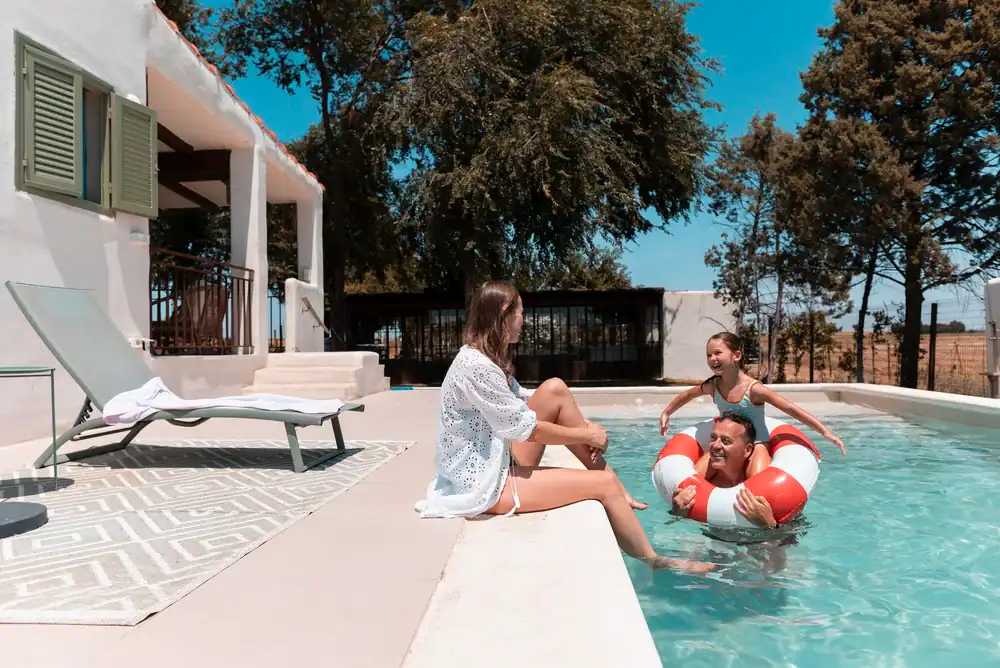

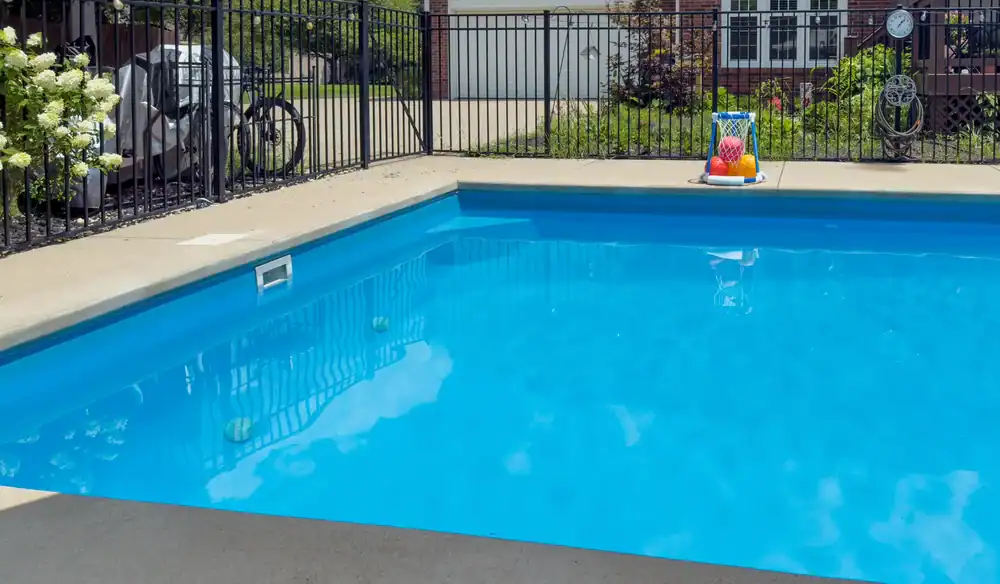
You’re looking at a backyard that actually gets used. Not just during the first summer, but years down the line when the kids are older and the neighbors still ask who built it.
That happens when the excavation accounts for Nassau County’s high water table. When the permits are pulled correctly the first time. When the pool coping and tile work can handle freeze-thaw cycles without cracking by year three.
Most contractors will get you a pool. What you need is someone who understands that Long Island soil isn’t forgiving, that town codes here are stricter than most of the country, and that cutting corners now means expensive fixes later. You’re not just paying for a hole in the ground—you’re paying for a contractor who knows what Nassau County throws at you and builds accordingly.
We’ve been handling masonry and outdoor construction across Nassau County long enough to know which neighborhoods hit bedrock at four feet and which ones need dewatering pumps before you can even start digging. That’s not something you learn from a manual.
We’re local. We’ve worked with the same town inspectors, pulled hundreds of permits, and we know exactly what Nassau County requires before the first shovel breaks ground. You won’t find us scrambling mid-project because we didn’t plan for soil conditions or setback requirements.
When you’re spending this kind of money on a complete backyard poolscape in Malverne Park Oaks, NY, you need a contractor who’s done it here before—and done it right.
First, we walk your property and talk through what you want. Then we handle the engineering and permits—that’s typically $1,500 to $4,500 in Nassau County depending on your town’s requirements. You’ll know the full cost upfront.
Once permits clear, excavation starts. If we hit high groundwater or rocky soil, we adjust on the spot with the right equipment. That’s common in Nassau County, and it’s already factored into how we plan the job. The pool shell goes in, then we move to grading, retaining walls if needed, and drainage that actually works.
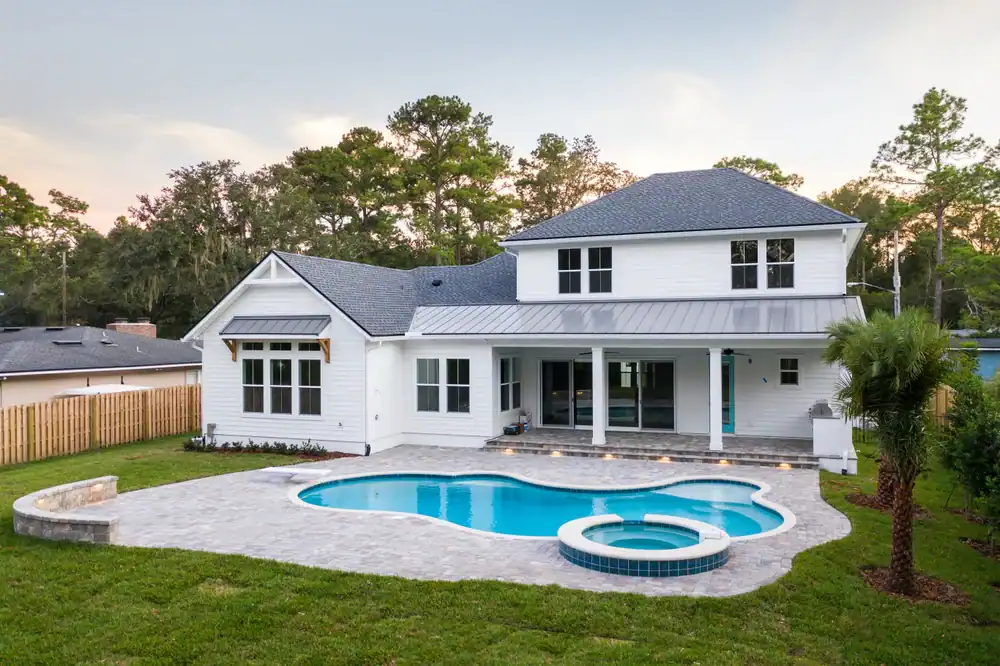
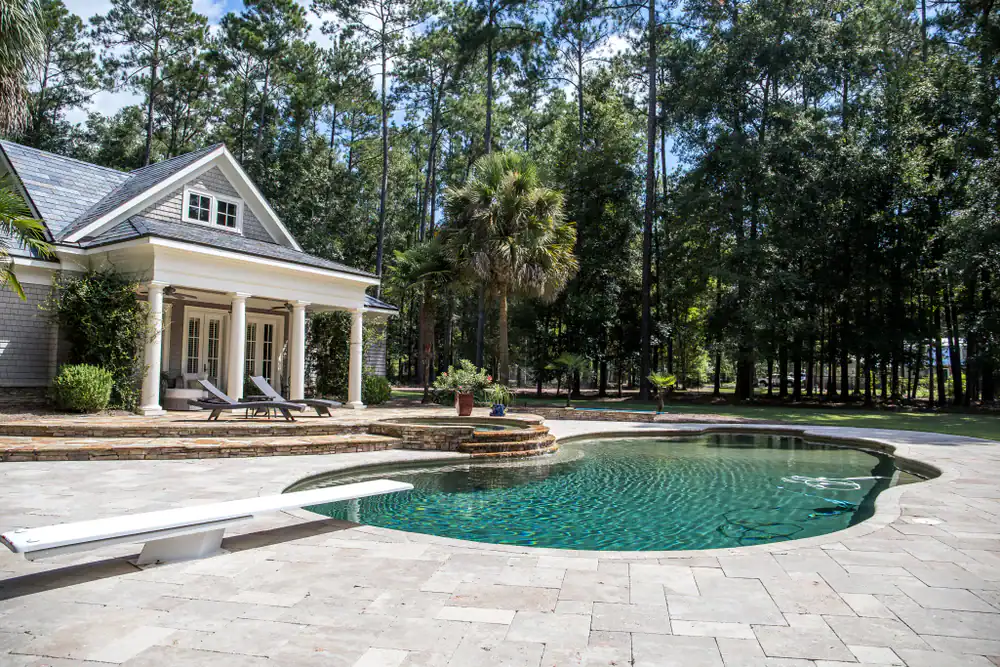
After the structure’s set, we build out your pool patio masonry, install custom pool coping and tile, and finish the concrete pool surrounds. Everything’s inspected and code-compliant before we call it done. You’re not waiting three weeks for someone to come back and fix bracket issues or improper installations.
Ready to get started?
You’re getting full project management—permits, engineering, excavation, pool installation, and all the masonry work that makes it look finished. We’re handling pool retaining walls and grading so water drains away from your house, not toward it.
The custom pool coping and tile work isn’t just aesthetic. It’s selected to hold up against Long Island’s winters without cracking or shifting. Same goes for concrete pool surrounds and patio masonry—we’re using materials and techniques that last.
In Malverne Park Oaks, NY, where property values average over $450,000, you’re protecting an investment. A properly installed pool can add up to 7% to your home’s value. But only if it’s built to code, installed correctly, and designed to handle Nassau County’s soil and weather. That’s what you’re paying for—not just the pool, but the work that makes sure it’s still in good shape a decade from now.
You’re looking at a wide range depending on size, materials, and site conditions. In Nassau County, expect anywhere from $50,000 to $100,000+ for a complete installation with patio masonry and proper grading.
What drives the cost up? Soil conditions, mostly. If your property has high groundwater, you’ll need dewatering equipment during excavation. Rocky soil means more labor and potentially heavier machinery. Permits and engineering in Nassau County add another $1,500 to $4,500 depending on your town’s requirements.
Custom features like upgraded pool coping and tile, retaining walls, or expanded concrete pool surrounds will also increase the price. But those aren’t upsells—they’re often necessary to make the installation work correctly on Long Island properties. You want a number that includes everything, not a low estimate that balloons once the work starts.
Nassau County has some of the strictest pool codes in the country. You’ll need a building permit, and depending on your property, possibly engineering drawings and a variance if you’re close to setback limits.
Each town handles it differently. Some require detailed site plans and inspections at multiple stages. Others want proof of proper fencing and drainage before they’ll sign off. The permit process typically takes a few weeks, and fees vary by municipality.
This is where having a local contractor matters. We know what Nassau County towns require, we’ve worked with the inspectors, and we handle the paperwork so you’re not figuring it out yourself. Skipping permits or doing it wrong means fines, delays, or being forced to tear out work and start over.
Plan on 8 to 12 weeks from permit approval to finished pool, assuming normal weather and no major site complications. That includes excavation, installation, masonry work, and final inspections.
Weather’s the biggest wildcard. Heavy rain delays excavation. Cold snaps in early spring can push timelines back. That’s why most people start planning in late winter or early spring—so the pool’s ready by summer.
If your property has challenging soil conditions or needs significant grading and retaining wall work, add a few more weeks. We’ll give you a realistic timeline upfront based on what we see during the site visit. The contractors who promise four weeks are either cutting corners or haven’t accounted for Nassau County’s inspection requirements.
Soil and regulations. Long Island’s ground conditions vary wildly depending on whether you’re North Shore or South Shore. You might hit bedrock, sandy soil, or high groundwater—all within a few miles of each other.
Nassau County’s building codes are stricter than most of the country. Setback requirements, fencing rules, drainage specifications—it’s all more rigorous here. That’s actually a good thing for you as a homeowner, because it means the pool has to be built right or it won’t pass inspection.
Then there’s the weather. Freeze-thaw cycles are tough on pool materials. If your contractor’s using the same tile and coping they’d use in Florida, you’ll see cracking within a few years. Local contractors know which materials hold up and which ones don’t.
Yes. Poor drainage is one of the most common reasons pools fail inspections or cause property damage later. Water needs to flow away from your pool, your house, and your neighbor’s property.
In Nassau County, where heavy rain and snowmelt are common, proper grading isn’t optional. We slope the area around your pool so water drains correctly. If your yard has elevation changes, you might need retaining walls to manage runoff and prevent erosion.
This is also where high groundwater becomes an issue. If the water table’s close to the surface, we need to account for that during excavation and installation. Skipping this step means your pool could shift, crack, or develop leaks within a few years. It’s not exciting work, but it’s the difference between a pool that lasts and one that becomes a headache.
License, insurance, and local experience. In Nassau County, pool builders are required by law to be certified. If they can’t show you proof, walk away.
Ask how many pools they’ve installed in your area. Long Island soil and codes are specific—you want someone who’s handled them before, not a contractor learning on your property. Check references, and if possible, look at completed projects that are a few years old. That’ll tell you how their work holds up.
Transparent pricing matters too. You should get a detailed estimate that includes permits, engineering, excavation, materials, and labor. If the number seems too low, it probably is. Hidden fees and change orders are how cheap bids turn into expensive projects. You want a contractor who’s upfront about costs from the start.
Other Services we provide in Malverne Park Oaks