


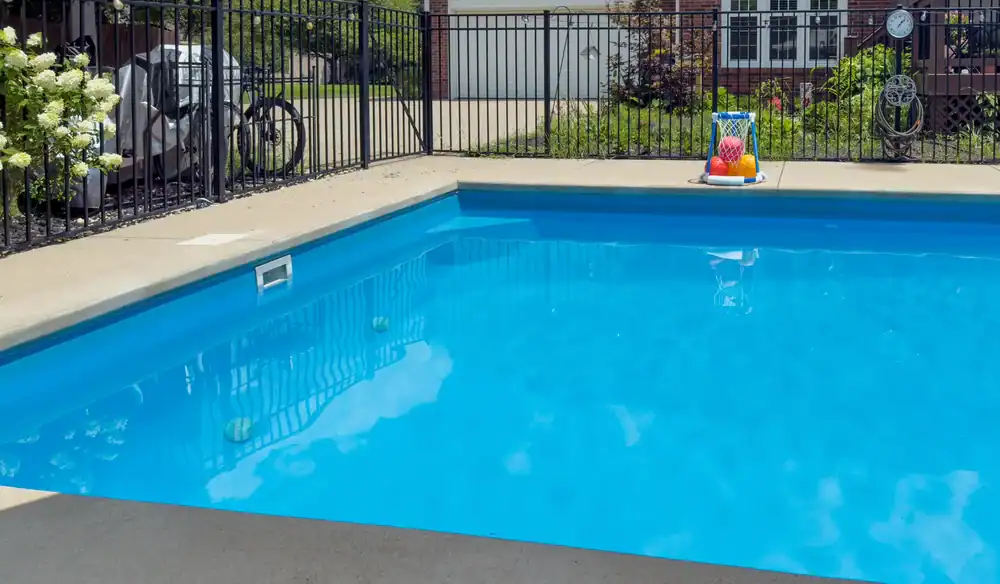
Your pool should increase your property value by 8-15%, not become a maintenance headache or permit nightmare. That’s what happens when you work with in-ground pool builders in Nassau County who actually understand the soil conditions here.
Long Island isn’t like other places. The sandy soil shifts. The clay doesn’t drain. And both Nassau and Suffolk County have setback requirements that can kill your project before it starts if you don’t know what you’re doing.
When your pool is done right, you’re looking at May through October swimming instead of just July and August. You’re hosting barbecues where people actually want to be. And you’re not calling contractors every spring to fix freeze damage that shouldn’t have happened in the first place.
We’ve worked in Plainedge, NY and across Nassau County long enough to know which townships require health department approval and which don’t. We know the inspectors. We know the soil conditions in your neighborhood.
That matters because most contractors learn Long Island’s challenges the hard way—on your project, with your timeline, and your budget. We already went through that learning curve years ago.
When you’re ready to move forward, you need someone who handles permits, manages trades, and understands that your backyard isn’t just a construction site. It’s where your kids will learn to swim and where you’ll spend your weekends for the next twenty years.
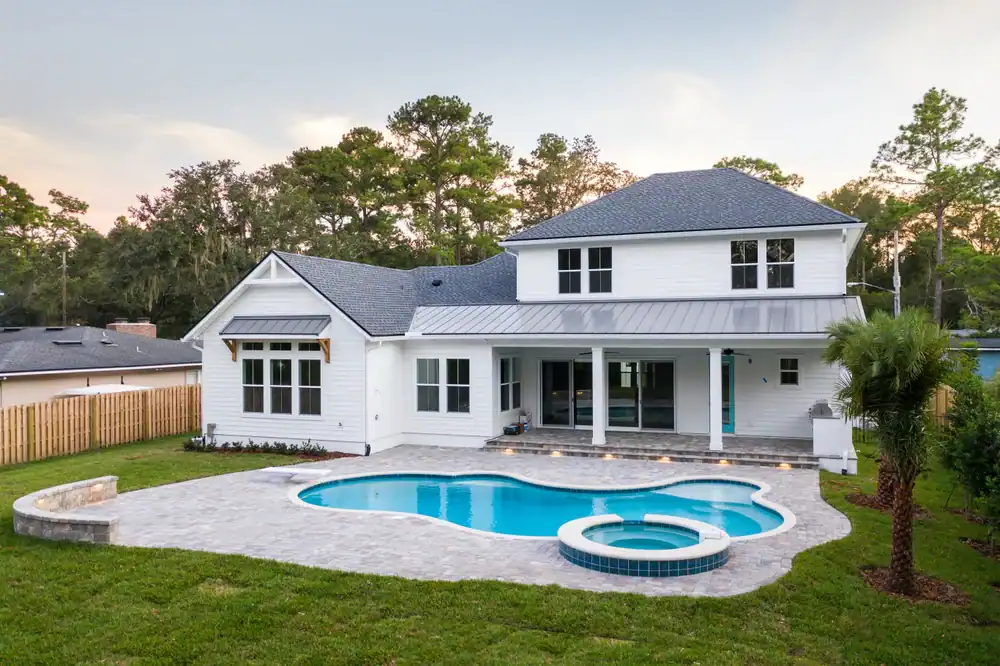
First, we handle your permit applications for Nassau and Suffolk County. That includes building permits, electrical permits, and fence permits if needed. This typically takes 4-6 weeks, and we manage all of it so you don’t have to track down inspectors or resubmit paperwork.
Next comes excavation and dealing with whatever ground conditions your property has. If it’s sandy soil, we account for shifting. If it’s clay, we build in proper drainage systems. This is where most contractors run into problems they didn’t plan for.
Then we install your pool shell, whether that’s fiberglass or concrete, and handle all the finishing work—coping, tile, decking. If you want custom pool coping and tile in Suffolk County that actually holds up to freeze-thaw cycles, we source materials that work in this climate. Finally, we coordinate electrical, plumbing, and any additional features like heating systems that extend your season from May to October instead of just summer months.
The whole process runs 12-16 weeks from contract to completion, assuming weather cooperates and permits come through on schedule.
Ready to get started?
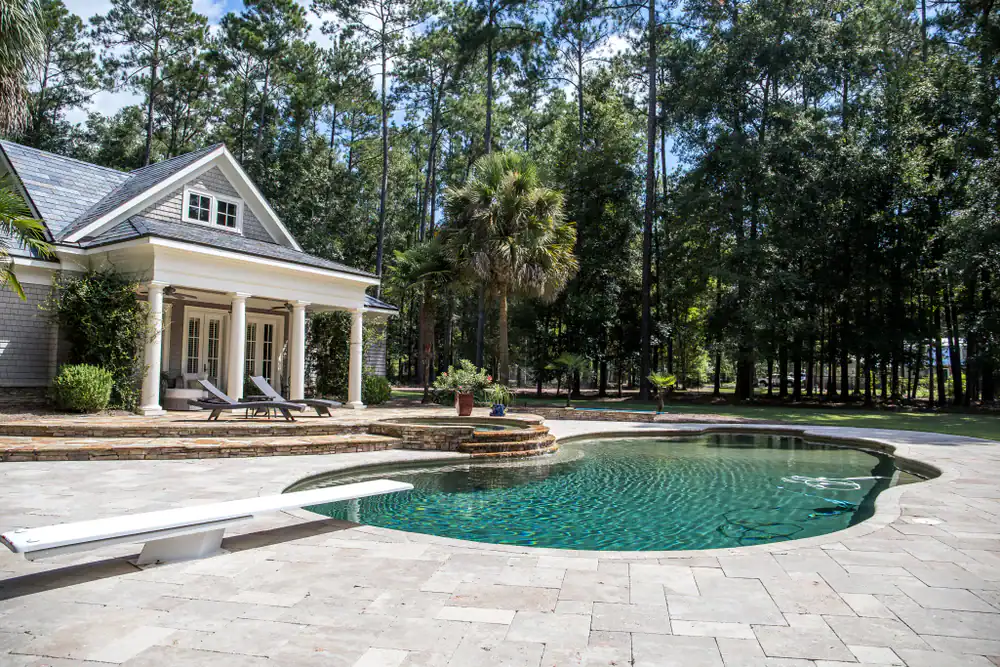
You’re not just getting a pool. You’re getting the entire outdoor space designed and built to work together—concrete pool surrounds in Nassau County, pool retaining walls and grading, masonry work for patios and fire pits.
Most homeowners in Plainedge, NY want their backyard to function as an actual living space, not just a pool with some grass around it. That means thinking through traffic flow, drainage, privacy, and how you’ll actually use the space when you have guests over.
We handle pool patio masonry in Suffolk County that ties into your pool design. If your yard has elevation changes, we build retaining walls that solve drainage problems while creating defined spaces. If you want a fire pit or outdoor kitchen, we integrate those features so everything looks intentional, not like it was added piecemeal over five years.
The goal is a finished backyard where you’d rather be than inside. That requires planning the whole space upfront, not just focusing on the pool and figuring out the rest later.
Plan on 12-16 weeks from signing your contract to swimming in your pool. That breaks down into roughly 4-6 weeks for permits through Nassau County, then another 8-10 weeks for actual construction depending on your pool size and any custom features you’re adding.
Weather affects timing more than most people expect. If we hit a stretch of heavy rain during excavation, that can push things back a week or two. Same with extreme cold if you’re trying to finish concrete work in late fall.
The permit phase is the part you can’t rush. Nassau and Suffolk County both require building permits, electrical permits, and sometimes health department approval depending on your township. We handle all of that, but the county works on their timeline, not ours. Starting your project in early spring gives you the best chance of swimming by July.
You’ll need a building permit for the pool itself, an electrical permit for all the equipment, and a fence permit if you’re installing new fencing to meet safety codes. Some areas also require health department approval, especially if you’re in a village with its own regulations.
Each township in Nassau County has slightly different setback requirements—how far your pool needs to be from property lines, septic systems, and your house. We know these requirements for Plainedge and surrounding areas, which keeps your project from getting rejected and resubmitted.
The permit process also includes inspections at different phases. You’ll have a footing inspection, electrical inspection, and final inspection before you can fill your pool. We coordinate all of these so you’re not waiting around for inspectors or scrambling to fix something that wasn’t built to code.
Most in-ground pools in Suffolk County run between $30,000 and $70,000 depending on size, materials, and how much additional work your yard needs. A basic fiberglass pool on flat ground with good drainage sits at the lower end. A custom concrete pool with retaining walls, extensive grading, and upgraded finishes pushes toward the higher end.
Your specific property conditions affect cost more than most homeowners expect. If we’re dealing with clay soil that requires extra drainage work, or if your yard has elevation changes that need retaining walls, those aren’t optional upgrades—they’re necessary to prevent problems down the road.
Heating systems add another $4,000-$8,000 but extend your swimming season by 10-12 weeks each year. Custom features like waterfalls, swim-up bars, or integrated spa areas increase costs but also significantly boost your property value. The National Association of Realtors puts pool-related property value increases at 8-15% when the work is done right.
Fiberglass pools handle Long Island’s freeze-thaw cycles better than concrete. The flexible material expands and contracts with temperature changes without cracking, while concrete pools often develop structural issues after a few harsh winters.
The gel coat surface on fiberglass also resists salt air corrosion better than concrete, which matters if you’re anywhere near the coast in Nassau or Suffolk County. You’ll spend less time and money on resurfacing over the pool’s lifetime.
That said, concrete gives you more design flexibility if you want a custom shape or size that fiberglass shells don’t offer. If you go that route, the concrete needs to be properly reinforced and finished with materials that hold up in our climate. We’ve seen too many concrete pools that looked great for three years, then started showing cracks and surface deterioration because the contractor used materials meant for warmer climates.
If you want to swim before July and after Labor Day, yes. A properly sized heating system extends your pool season from May through October—nearly doubling your usable time from roughly 12 weeks to 24 weeks each year.
Most families in Nassau County who skip the heater end up regretting it after the first season. You’ve invested $50,000+ in a pool, but you can only comfortably use it for three months. That math doesn’t work for most people once they realize what they’re missing.
Heat pumps are the most efficient option for Long Island’s climate. They cost more upfront than gas heaters but cost less to run over time. Solar heating works but isn’t reliable enough as a primary heat source given our weather patterns. We typically recommend a heat pump as your main system, with solar as a supplement if you want to reduce operating costs.
Start with licensing and insurance. Any legitimate contractor should carry proper Nassau County licensing, liability insurance, and workers’ comp. Ask to see proof, not just their word that they have it.
Next, look at how they handle permits. If a contractor tells you permits are optional or that you can pull them yourself to save money, walk away. That’s a red flag that they either don’t know the local requirements or they’re trying to avoid accountability when inspections reveal substandard work.
Check their experience with Long Island’s specific conditions—sandy soil, clay, drainage issues, and local building codes that vary by township. Ask how they handle ground conditions and what their plan is if they hit unexpected clay or groundwater during excavation. If they don’t have a clear answer, they’re learning on your project. Finally, get references from recent projects in your area and actually call them. Ask about timeline, communication, and whether the contractor handled problems professionally when they came up.
Other Services we provide in Plainedge