
You want a pool that lasts through harsh winters and doesn’t crack after two seasons. That means proper excavation for Long Island soil, the right concrete mix for freeze-thaw cycles, and masonry work that doesn’t settle or shift.
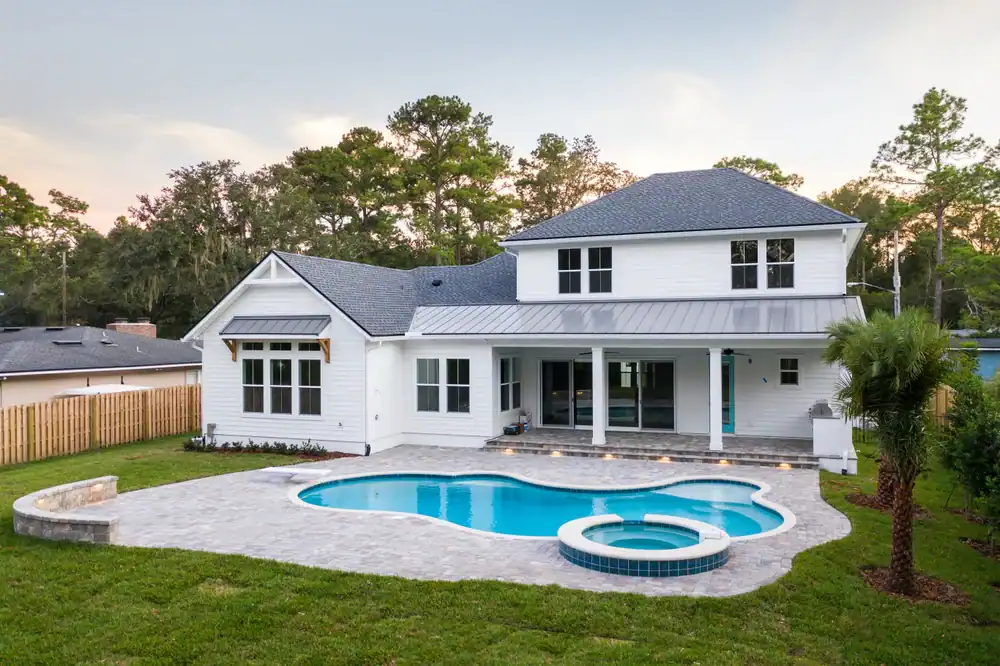
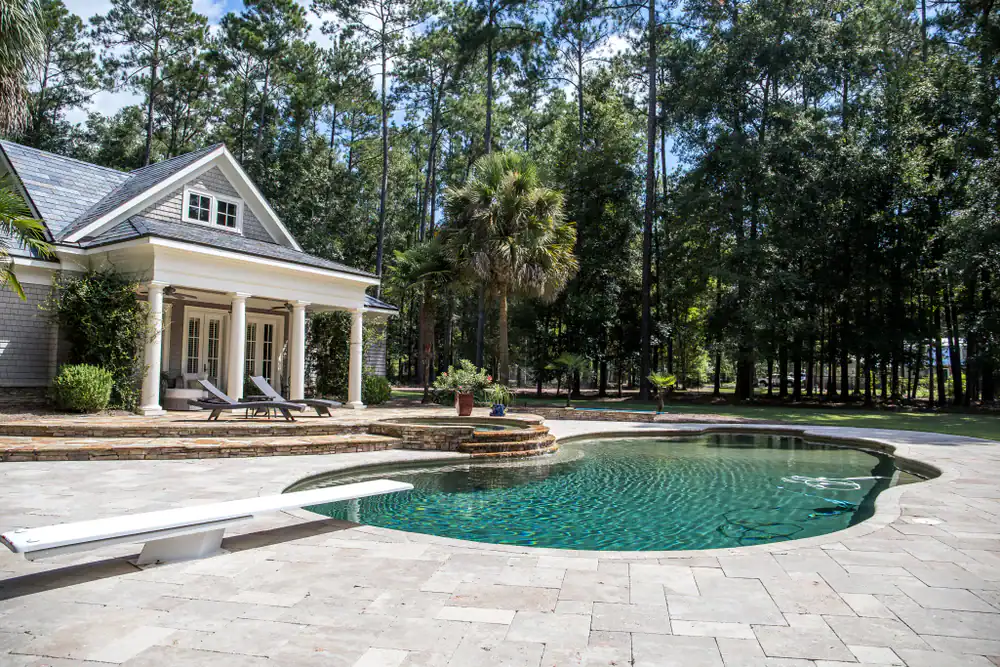
When we finish a pool installation in Saddle Rock, NY, you’re not just getting water in your backyard. You’re getting a complete backyard poolscape—coping that drains correctly, patio masonry that handles foot traffic, and grading that keeps water where it belongs.
Most importantly, you’re getting a pool you can actually use from May through October without constant repairs. The equipment works. The surface holds up. And you’re not calling us back out every spring to fix what should’ve been done right the first time.
We’ve been working in Nassau County and Suffolk County long enough to know which villages move permits faster and which soil conditions you’re likely to hit in Saddle Rock. We’re not learning on your project.
We handle the full scope—excavation, concrete, masonry, coping, tile, grading. That means one crew, one timeline, and one point of contact. You’re not coordinating between a pool company, a mason, and a landscaper who all blame each other when something goes wrong.
We’ve built custom in-ground pools on the North Shore where you hit rock, and on the South Shore where groundwater is the issue. Both require different approaches, and we adjust the process based on what your property actually needs.
First, we come out and look at your yard. We’re checking slope, drainage, soil type, and how close you are to property lines. That tells us what permits you’ll need and whether you’ll need retaining walls or dewatering equipment during excavation.
Then we handle the permit process. In Nassau and Suffolk counties, every town has different zoning rules. Some move in two weeks, others take two months. We know which departments to work with and what documentation they actually want to see.
Once permits clear, excavation starts. If you’re in Saddle Rock, we’re likely dealing with either rocky soil or high groundwater depending on where you sit between the North and South Shore. We bring the right equipment for the conditions—not the equipment we happen to have that day.
After excavation, we build the pool structure, install plumbing and electrical, and pour the concrete. Then comes the finish work—coping, tile, patio masonry, and any retaining walls or grading needed to tie everything together. The whole process typically runs 8 to 12 weeks if permitting goes smoothly and weather cooperates.
Ready to get started?
You’re getting the pool itself—excavation, steel framework, plumbing, concrete shell, and interior finish. But a pool without proper surrounds is a problem waiting to happen.
We include custom pool coping and tile work that’s designed for Long Island weather. That means materials that handle freeze-thaw cycles without cracking and coping that’s pitched to drain water away from the pool, not into it.
The patio masonry and concrete pool surrounds get the same attention. We’re not just laying pavers on sand and hoping they stay level. Proper base preparation, edge restraints, and grading mean your patio isn’t sinking or shifting after the first winter. If your yard has elevation changes, we build pool retaining walls that are actually engineered for the load—not stacked stone that looks good for six months.
You also get the grading work needed to manage water flow around the pool. Poor grading means standing water, erosion, and drainage problems that cost more to fix later than they would’ve cost to do correctly during installation.
The actual construction takes 8 to 12 weeks once we break ground. But the timeline starts earlier than that.
Permitting is the wildcard. Depending on which village or town jurisdiction you’re in, permits can take anywhere from two weeks to two months. We submit everything, but we don’t control how fast the building department moves.
Then there’s scheduling. If you call in April wanting a pool by July, you’re competing with everyone else who had the same idea. Pool construction in Nassau County and Suffolk County runs from spring through fall—winter weather shuts everything down. The earlier you start planning, the better your chances of swimming the same year.
Soil conditions and weather. If you’re on the North Shore near Saddle Rock, you’re more likely to hit rock or deal with hilly terrain. That means extra excavation work and possibly retaining walls. South Shore properties often have high groundwater, which requires dewatering equipment during the dig.
Permits are also more complex here. Long Island is a patchwork of villages and towns, each with its own zoning laws and setback requirements. What’s allowed in one area might be restricted in another, even if you’re only a few miles apart.
And the weather matters for materials. Concrete needs to be mixed for freeze-thaw durability. Coping and patio materials need to handle winter without cracking. A pool built for Florida doesn’t hold up here, and contractors who don’t work in this climate regularly tend to find that out the hard way—on your dime.
It depends on size, features, and what we find when we dig. A basic rectangular pool with standard finishes costs less than a custom shape with built-in seating, water features, and high-end tile.
Soil conditions affect price too. If we hit rock or high groundwater, that requires additional equipment and labor. If your yard has significant slope, you’ll need retaining walls and more extensive grading work.
The other cost factor is what you want around the pool. Just the pool itself is one number. Adding custom coping, a full patio, outdoor kitchen area, or landscape integration changes the scope. We give you a clear estimate after seeing your property and understanding what you actually want—not a ballpark number that doubles once we start.
Yes. Every town and village in Nassau and Suffolk counties requires permits for in-ground pool installation. The requirements vary depending on your exact location.
You’ll typically need a building permit, and possibly additional approvals for electrical, plumbing, and fencing. Some areas also have specific setback requirements—minimum distances from property lines, septic systems, or wells.
We handle the permit applications and work directly with your local building department. That includes submitting plans, scheduling inspections, and making sure everything meets code. Trying to skip permits or doing it yourself usually just adds time and headaches when the building inspector shows up and red-tags the project.
Concrete pools hold up best here. They’re built on-site, which means we can customize the shape and size to fit your yard. More importantly, concrete handles freeze-thaw cycles better than vinyl liners or fiberglass shells.
The key is using the right concrete mix and proper steel reinforcement. Cheap concrete cracks. Inadequate rebar means structural problems down the line. We’re building something that needs to survive winters where the ground freezes and summers where it’s in constant use.
The finish matters too. Plaster, aggregate, or tile all have different lifespans and maintenance needs. We walk you through the options based on how you’ll actually use the pool and how much maintenance you want to deal with. A pool that looks great in a photo but requires resurfacing every five years isn’t a good investment.
Yes, and that’s usually the smarter approach. Building them together means one excavation, one equipment mobilization, and one timeline. It’s more efficient than doing the pool now and coming back later for the patio.
It also means the grading and drainage are designed as a complete system from the start. When you add a patio later, you’re working around existing grades and trying to tie into drainage that wasn’t planned for the additional hardscape. That often creates problems with water pooling or running toward the house.
We handle pool patio masonry, concrete surrounds, coping, and tile as part of the same project. You get a finished backyard poolscape, not a pool surrounded by dirt with a promise that you’ll deal with it next year. The equipment’s already here, the crew knows your property, and you’re not paying mobilization costs twice.
Other Services we provide in Saddle Rock