
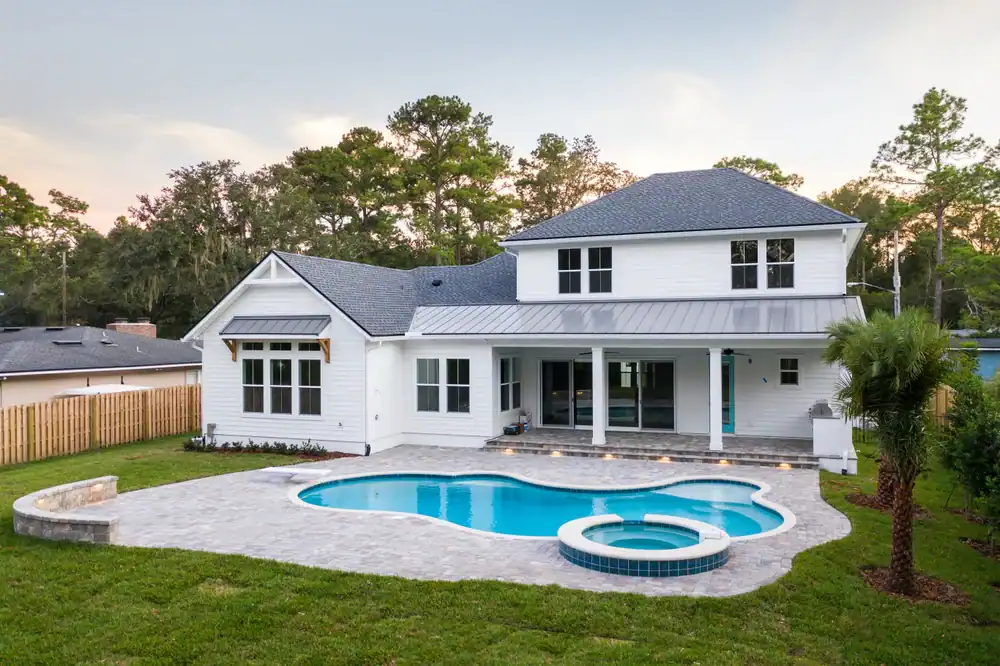
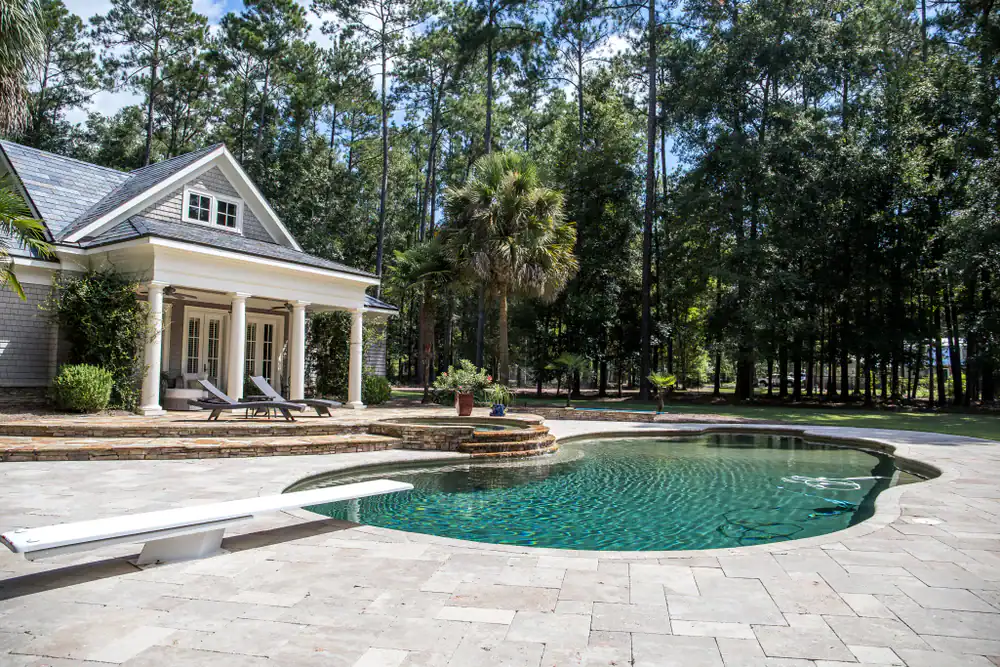
You’re looking at a pool that actually gets finished on schedule. No disappearing crews. No surprise bills three weeks in. Just a complete backyard poolscape that’s ready when we say it’ll be ready.
The difference shows up in how the concrete pool surrounds handle Long Island winters without cracking. In how the custom pool coping and tile work stays level because we dealt with your soil conditions before pouring anything. In how your pool retaining walls actually hold back water instead of becoming a drainage nightmare by July.
Most Sayville homeowners we work with have already talked to two or three other pool installation companies. They’ve heard the estimates that sound too good to be true. They’ve met the contractors who can start “next week” but can’t explain their permit process. You’re here because you want to know what actually happens when someone builds an in-ground pool the right way in Suffolk County.
We’ve been building outdoor spaces in Suffolk County for nearly two decades. We’re licensed and insured for Nassau and Suffolk Counties, which matters more than most people realize when you’re dealing with local building departments.
Sayville properties come with their own challenges. Sandy soil in some areas. Clay drainage issues in others. Setback requirements that change depending on which side of Montauk Highway you’re on. We’ve handled enough Suffolk County pool installations to know what your building inspector will flag before we even submit plans.
You’re not getting a national franchise that subcontracts everything. You’re getting the same crews who’ve been working together for years, who know how Long Island ground behaves, and who’ll be here after your pool is finished.
We start with your property. Soil testing tells us if we’re dealing with high water tables or drainage problems before excavation starts. That determines whether you need additional grading work or pool retaining walls to handle runoff.
Permits come next. Suffolk County requires specific documentation for pool installations, and the approval process typically takes two to three weeks. We handle all of that—the applications, the inspections, the back-and-forth with the building department.
Excavation happens once permits clear. For most Sayville properties, we’re looking at six to eight weeks from excavation to completion. That includes all the pool patio masonry work, the plumbing and electrical installation, and the final landscaping around your concrete pool surrounds.
You’ll know what’s happening each week. No guessing when crews will show up or whether they’re coming back tomorrow. Most problems happen because contractors don’t communicate until something goes wrong. We tell you what’s happening before you have to ask.
Ready to get started?
You’re getting complete design services that account for your property’s specific layout and drainage patterns. That includes all the engineering work needed for Suffolk County permit approval.
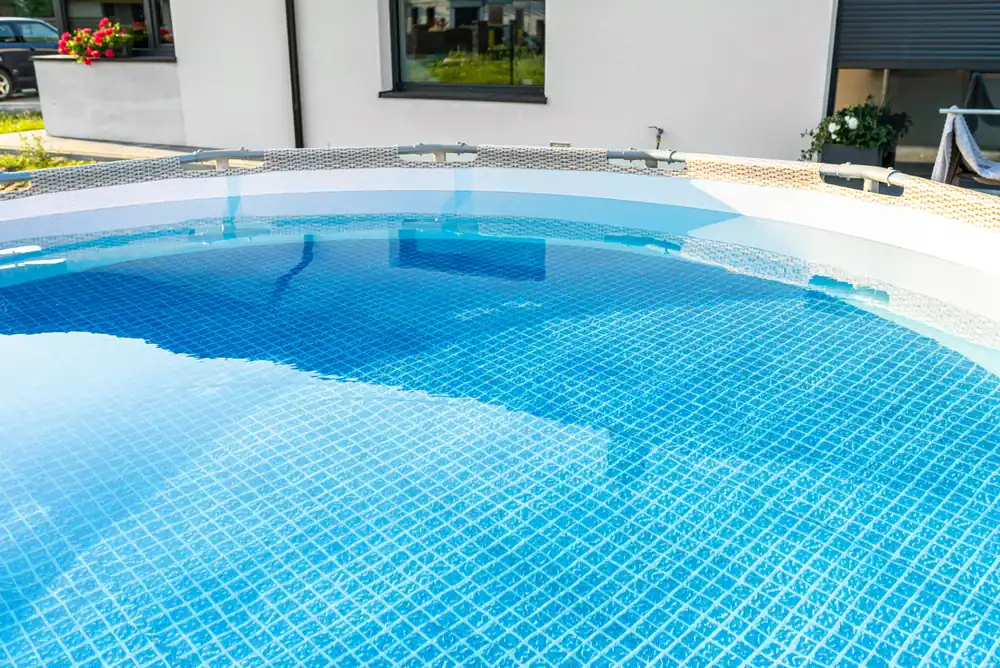
The construction covers excavation, gunite or vinyl liner installation depending on what makes sense for your budget and timeline, and all plumbing and electrical systems installed to code. Custom pool coping and tile work gets handled by the same crews doing your pool patio masonry, so everything matches and gets finished together.
We include the final grading and landscaping work around your pool area. That matters in Sayville because improper grading creates drainage problems that won’t show up until the first heavy rain. Your complete backyard poolscape should handle water correctly from day one.
Most in-ground pool builders in Suffolk County will subcontract the masonry work separately. We don’t. Same team handles your pool structure, your concrete pool surrounds, and any retaining walls you need. That eliminates the coordination problems that stretch projects into fall.
Suffolk County permit approval typically takes two to three weeks once we submit your complete application. That timeline assumes your property doesn’t have any zoning complications or easement issues that need additional review.
Sayville properties near water or in certain residential zones sometimes require additional documentation. If your lot has wetlands within 100 feet or you’re in a flood zone, expect the process to take closer to four weeks. We identify those issues during the initial site visit so you know the realistic timeline upfront.
The permit process gets delayed when contractors submit incomplete applications or don’t include required engineering documents. We handle all of that documentation as part of your pool installation, so you’re not waiting around because someone forgot to include soil test results or didn’t properly mark setback distances on the site plan.
Sandy soil and high water tables are the two main issues we deal with in Sayville. Sandy soil drains well but doesn’t provide great structural support, which affects how we approach excavation and what type of pool construction works best for your property.
High water tables show up more often than most homeowners expect. If groundwater sits close to the surface, you’ll need a dewatering system during construction and possibly a permanent drainage solution after installation. That’s not optional—building a pool in high water table conditions without proper drainage leads to structural problems within a few years.
Clay pockets create different headaches. Clay doesn’t drain, so water collects around your pool instead of filtering away. We test your soil before excavation specifically to identify these conditions. If we find clay, we’ll include proper drainage systems and potentially adjust the pool depth or location to avoid the worst areas. Most problems happen because contractors skip soil testing and discover drainage issues after they’ve already started digging.
Most custom in-ground pools in Suffolk County run between $50,000 and $85,000 depending on size, construction type, and how much masonry work your property needs. That includes permits, excavation, the pool structure, all plumbing and electrical, and basic concrete pool surrounds.
Vinyl liner pools cost less upfront—usually $45,000 to $60,000 for a standard rectangular design. Gunite pools start around $60,000 and go up from there depending on shape and features. The construction type affects your long-term costs too. Vinyl liners need replacement every 7-10 years at $4,000-$6,000 each time. Gunite requires resurfacing every 10-15 years at $8,000-$12,000.
Your actual cost depends heavily on site conditions. Rocky soil increases excavation costs. Poor drainage means additional grading work and possibly retaining walls. Properties with difficult access for equipment add time and labor. We give you a detailed estimate after seeing your property because those variables make a bigger difference than the pool size itself. Anyone quoting you a firm price over the phone hasn’t accounted for what actually affects installation costs in Suffolk County.
Pool patio masonry needs to handle constant water exposure, pool chemicals, and Long Island’s freeze-thaw cycles without cracking or settling. Regular concrete driveways don’t face those same conditions, so the installation requirements are completely different.
Your pool patio masonry starts with proper base preparation. We excavate deeper than standard concrete work and include drainage systems that direct water away from your pool area. The concrete itself gets reinforced differently and uses specific mix designs that resist chemical damage from chlorine and salt systems.
Custom pool coping and tile work creates the finished edge where your pool meets the patio. That’s not just decorative—it’s a critical waterproofing detail that prevents water from getting behind your pool structure. Poor coping installation is one of the main reasons pools develop leaks and structural cracks within five years. We handle both the structural masonry and the finish work together, which eliminates the coordination problems that happen when you’re using separate contractors for different parts of your complete backyard poolscape.
Most Sayville properties need at least some grading work, and many require pool retaining walls depending on your yard’s slope and drainage patterns. If your property slopes toward your house or toward neighboring properties, you’ll need retaining walls to manage water runoff and prevent erosion around your pool area.
Retaining walls serve two purposes in pool installations. They create level areas for your pool patio masonry and concrete pool surrounds when you’re working with sloped property. More importantly, they control drainage so water flows away from your pool structure instead of collecting around it or running toward your foundation.
Suffolk County has specific requirements about how water drains off your property. You can’t just grade everything toward your neighbor’s yard or toward the street without proper drainage systems. We include grading and retaining wall design as part of your pool installation plan, and we handle the engineering calculations needed for permit approval. Most drainage problems happen because contractors treat grading as an afterthought instead of planning it from the beginning. Your property’s drainage pattern determines where your pool can go and what site work you’ll need—not the other way around.
Gunite costs more upfront but gives you complete design flexibility and typically lasts longer before needing major work. Vinyl liner pools cost less initially and install faster, but you’re limited to standard shapes and you’ll replace that liner multiple times over the pool’s life.
Budget matters, but so does timeline. Gunite pools take 8-10 weeks from excavation to completion in Suffolk County. Vinyl liner installations finish in 4-6 weeks. If you’re trying to have your pool ready for summer and it’s already April, vinyl might be your only realistic option.
About 70% of Long Island pools use vinyl liner construction, partly because of cost and partly because our soil conditions work well with that installation method. Gunite makes more sense when you want a custom shape, plan to include features like beach entries or built-in spas, or you’re building a high-end complete backyard poolscape where the pool needs to match extensive masonry work. Neither option is automatically better—it depends on what you’re trying to build and what your property can support. We’ll tell you which construction type makes sense for your specific situation after we see your property and understand your drainage conditions.
Other Services we provide in Sayville