

You shouldn’t have to patch potholes every spring or watch water pool near your foundation. A properly installed driveway handles drainage from day one and stands up to the temperature swings that crack weaker surfaces.
When we handle your driveway installation in Baywood, NY, the base gets compacted right, the grade slopes away from your home, and the materials match your property and your budget. That means fewer cracks, no sinking sections, and a surface that doesn’t turn into an ice rink every January.
The difference shows up in year three when your neighbors are calling for repairs and you’re not. It shows up when you sell and buyers see a driveway that actually looks maintained. Most of all, it shows up in what you don’t have to deal with—standing water, crumbling edges, and that sinking feeling that you’ll need to redo the whole thing in five years.
We started in 2006 serving Long Island homeowners who needed masonry work done right the first time. We’ve worked on over 200 properties across Nassau and Suffolk County, and we show up to every job—not a crew you’ve never met.
You’re working with licensed, insured contractors who know what Long Island weather does to driveways. We’ve seen what happens when drainage gets ignored, when base prep gets rushed, and when the wrong materials get used. That’s why every job gets handled by an owner who’s been doing this for nearly two decades.
We’re A+ rated with the BBB, we’ve earned recognition from Angie’s List, and we guarantee we won’t be undersold. If you’ve got a written estimate, we’ll beat it—and we’ll do the work better.
First, we come out to assess your property. We look at the existing driveway, check the drainage, measure everything, and talk through what you actually need. No upselling, no vague estimates—just a clear breakdown of the work and the cost.
Once you approve the estimate, we schedule the job and start with demolition if you’re replacing an existing driveway. We remove the old surface, excavate to the right depth, and haul everything away. Then comes the base layer—this is where most contractors cut corners, and it’s why driveways fail early. We compact the base properly so your driveway doesn’t settle or shift.
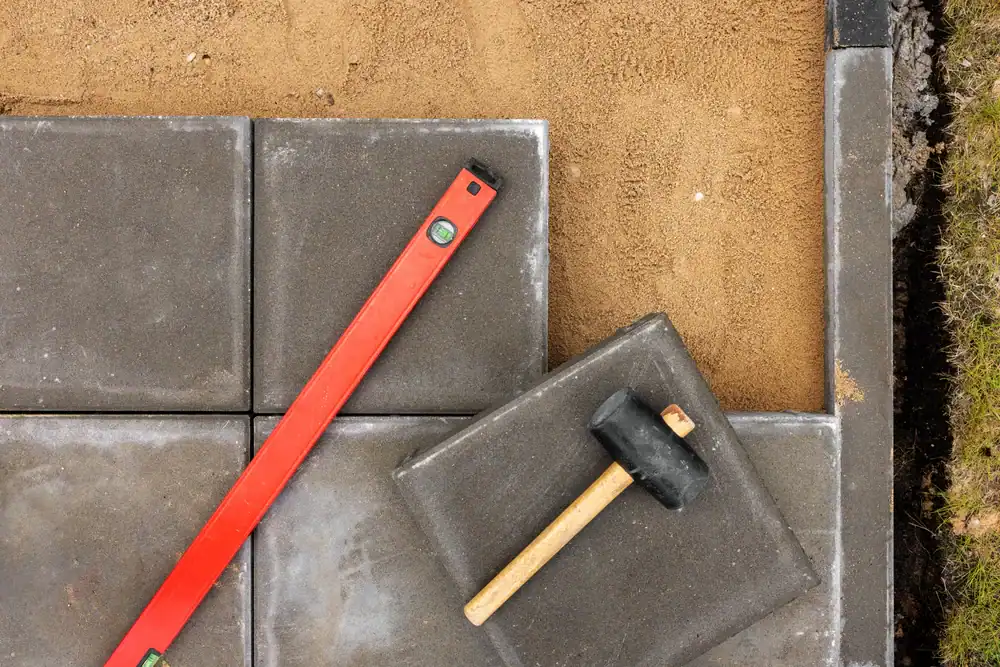
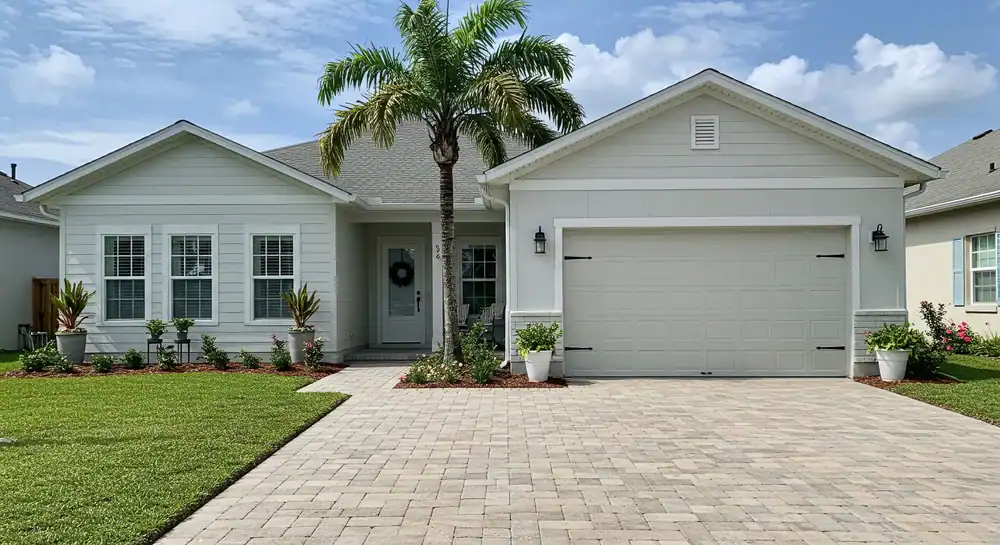
Next, we install your chosen material. Whether it’s paver driveway installation, concrete driveway work in Suffolk County, or brick driveway replacement, the process involves precise grading for drainage and attention to edges and borders. Belgian block borders and cobblestone driveway aprons get set with the same care as the main surface.
Finally, we clean up, walk you through the finished work, and make sure you know how to maintain it. The whole process typically takes a few days depending on size and complexity, and we keep you updated the entire time.
Ready to get started?
We handle full driveway installations, complete replacements, and targeted repairs. That includes paver driveways, concrete driveways, asphalt, brick, stone, and granite. If your driveway is sinking, cracking, or holding water, we fix it—or we replace it if that’s what makes sense.
Baywood homeowners deal with specific challenges. The soil conditions here, combined with Suffolk County’s freeze-thaw cycles, mean your driveway needs proper drainage solutions and a base that won’t shift. We address both during every installation. If you’ve got a low spot that floods every time it rains, we regrade it. If your driveway edges are crumbling, we rebuild them with proper support.
We also handle the details that affect how your property looks. Cobblestone aprons at the street, Belgian block borders along garden beds, and matching walkway materials all get coordinated so everything flows. You’re not just getting a functional driveway—you’re getting something that actually improves your curb appeal and holds up to Long Island weather for the next 15 to 20 years.
Spring and fall are the best times for driveway work here. Temperatures stay consistent enough for proper curing, and you avoid the summer heat or winter freeze that can compromise installation quality.
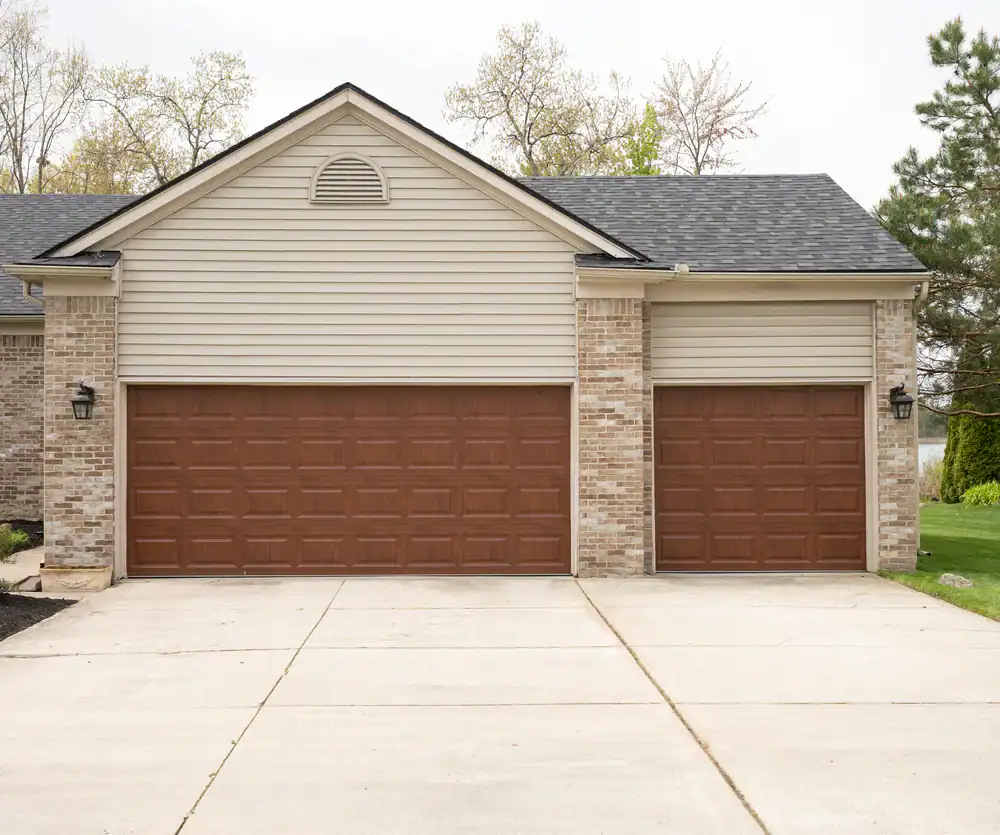
Cost depends on material, size, and site conditions. Asphalt typically runs $7 to $15 per square foot. Concrete costs a bit more. Paver and brick driveways range from $18 to $23 per square foot because of the labor and material quality involved.
For a standard two-car driveway around 480 square feet, you’re looking at $8,600 to $11,000 for pavers or brick, and less for asphalt or basic concrete. But here’s what matters more than the upfront number—how long it lasts and what you spend on maintenance.
Cheaper installations often mean repairs within three to five years. Potholes cost $150 to $300 each to fix. Do that a few times and you’ve spent more than if you’d installed quality materials from the start. We give free estimates and we’ll beat any written quote, but we won’t cut corners that cost you more later.
Poor drainage and freeze-thaw cycles cause most driveway damage in Suffolk County. Water gets under the surface, freezes when temperatures drop, and expands by about 9%. That pressure cracks pavers, shifts sections, and creates potholes.
If your driveway wasn’t graded properly during installation, water pools instead of running off. That standing water seeps into the base, weakens the foundation, and leads to sinking. Once a section sinks, more water collects there and the problem accelerates.
Soil conditions in Baywood also play a role. If the base wasn’t compacted correctly or if the excavation depth was too shallow, the driveway settles unevenly. Fixing sinking driveway issues in Baywood, NY means addressing the base, not just patching the surface. Otherwise, the same problem comes back within a year.
Most driveway installations take three to five days depending on size, material, and site conditions. Demo and excavation happen on day one. Base prep and compaction take another day or two—this can’t be rushed if you want the driveway to last.
Material installation happens next. Paver driveways take longer than poured concrete because each piece gets set individually. Concrete needs time to cure before you can drive on it—usually about a week. Pavers can handle light traffic sooner.
Weather affects timing. If it rains during installation, we pause until conditions are right. Laying concrete or compacting a base in wet conditions leads to problems down the road. We’d rather delay a day than compromise the quality of your driveway. You’ll know the timeline upfront, and we’ll keep you updated if anything changes.
It depends on how bad the damage is and what’s causing it. Small cracks from normal settling can be repaired. But if your driveway has multiple large cracks, sections that have sunk, or widespread surface damage, replacement usually makes more sense than patching.
Here’s why—fixing cracked concrete driveways only works if the base is still solid. If water has compromised the foundation or if the driveway is sinking because of poor compaction, repairs are temporary. You’ll spend money now and still need a replacement in a year or two.
We assess the damage honestly during the estimate. If repairs will hold up, we’ll tell you. If replacement is the smarter move, we’ll explain why and show you what’s happening under the surface. Most homeowners appreciate knowing the real situation instead of paying for a fix that won’t last.
Pavers and concrete both handle Long Island’s freeze-thaw cycles well if they’re installed correctly. Pavers have an advantage because individual pieces can shift slightly without cracking, and if one gets damaged, you replace that piece instead of cutting into a slab.
Concrete is durable and costs less than pavers upfront, but cracks are harder to repair and more visible. Asphalt is the most budget-friendly option, but it requires more maintenance—seal coating every few years and faster deterioration from temperature swings.
Brick driveways offer a classic look and hold up well, but they’re on the higher end cost-wise. The best material for your property depends on your budget, how long you plan to stay in the home, and how much maintenance you want to deal with. We walk through the pros and cons of each option during your estimate so you can make the call that fits your situation.
Yes, and drainage is one of the most important parts of any driveway project. Poor drainage destroys driveways faster than anything else. If water doesn’t run off properly, it pools, seeps into the base, and causes cracking, sinking, and frost heave during winter.
We address drainage during every installation by grading the driveway so water flows away from your home and toward the street or a drainage system. If your property has specific drainage challenges—like a low spot or heavy runoff from a slope—we design solutions that handle it. That might mean installing a channel drain, adjusting the grade more aggressively, or adding a catch basin.
For existing driveways with drainage problems, we evaluate what’s causing the issue and fix it. Sometimes that means regrading sections. Other times it requires adding drainage infrastructure. Driveway drainage solutions in Long Island aren’t optional—they’re the difference between a driveway that lasts 15 years and one that needs major repairs in three.