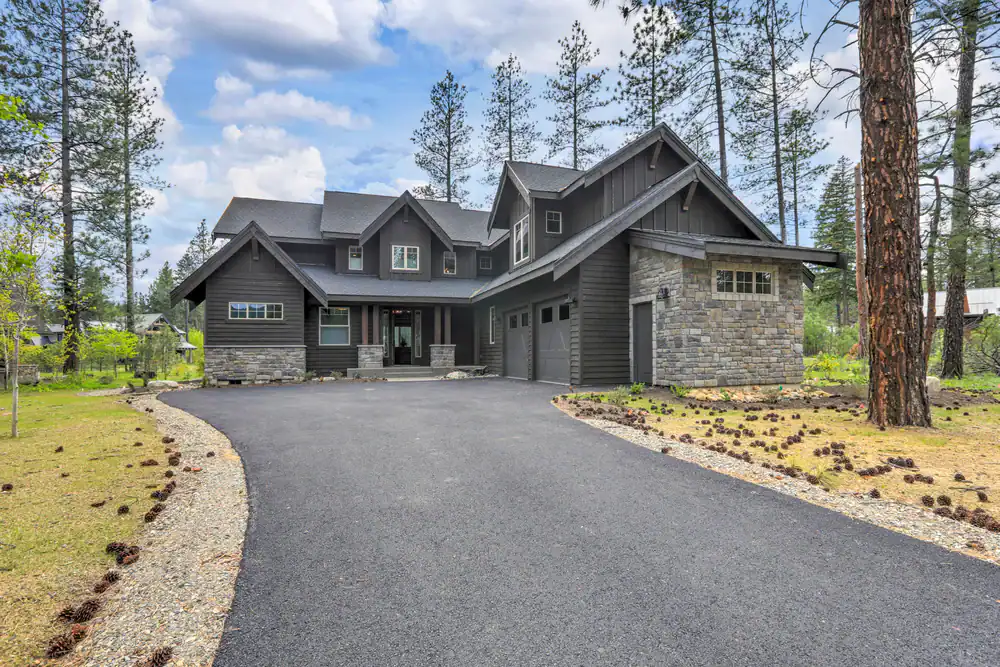

You pull into your driveway without worrying about potholes damaging your car. Water drains away from your foundation instead of pooling near your garage or seeping into your basement. Your property looks sharp from the street, and you’re not calling for repairs every spring.
That’s what happens when your driveway is built for Long Island’s conditions. The base is compacted properly so it doesn’t sink near your garage. The grading keeps water moving in the right direction. The materials flex with temperature changes instead of cracking apart.
Most driveways in Calverton fail because of poor preparation, not bad materials. When the base shifts or water sits, even expensive pavers won’t save you. We handle the excavation, drainage, and compaction that actually matter. You get a driveway that works for 15 to 20 years, not just until the next hard winter.
Ageless Chimney started as a masonry company serving Long Island, and we’ve been handling driveways, patios, and walkways in Calverton and Nassau County for nearly two decades. One of the owners is on every job. Not a foreman, not a crew lead—an actual owner who makes sure the work is done right.
We know Calverton’s soil. We know how properties settle here, especially in the older developments where compaction wasn’t done properly the first time. We’ve seen what happens when driveways are installed without proper drainage, and we’ve torn out enough failed work to know exactly what not to do.
You’re not getting a sales pitch or a crew that disappears after demo day. You’re getting people who’ve been doing this long enough to spot problems before they become expensive mistakes.
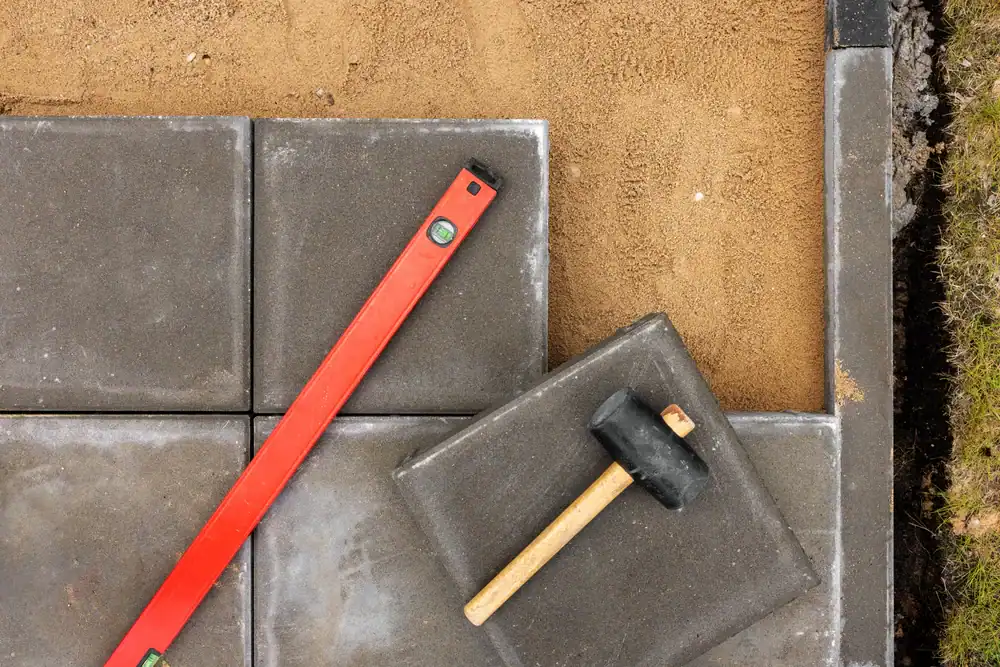
We start with excavation. That means removing your old driveway and digging down to stable soil. If the base isn’t solid, nothing else matters. We compact the base in layers so it doesn’t shift when the ground freezes and thaws.
Next is grading and drainage. Water needs to move away from your house, not toward it. We slope the driveway correctly and add drainage solutions if your property needs them. This step prevents the pooling and ice patches that make driveways dangerous in winter.
Then we install your material—asphalt, pavers, or concrete, depending on what you chose. For paver driveways, we add concrete edging and polymeric sand to lock everything in place. For asphalt, we make sure the thickness is right for Long Island’s climate. We handle permits if your town requires them, coordinate material delivery, and clean up completely when we’re done. You get a driveway that’s ready to use, not a project you have to finish yourself.
Ready to get started?
You’re getting full-service installation. That means excavation, base preparation, material installation, drainage work, and cleanup. We’re not subbing out parts of the job or leaving you to coordinate with other contractors.
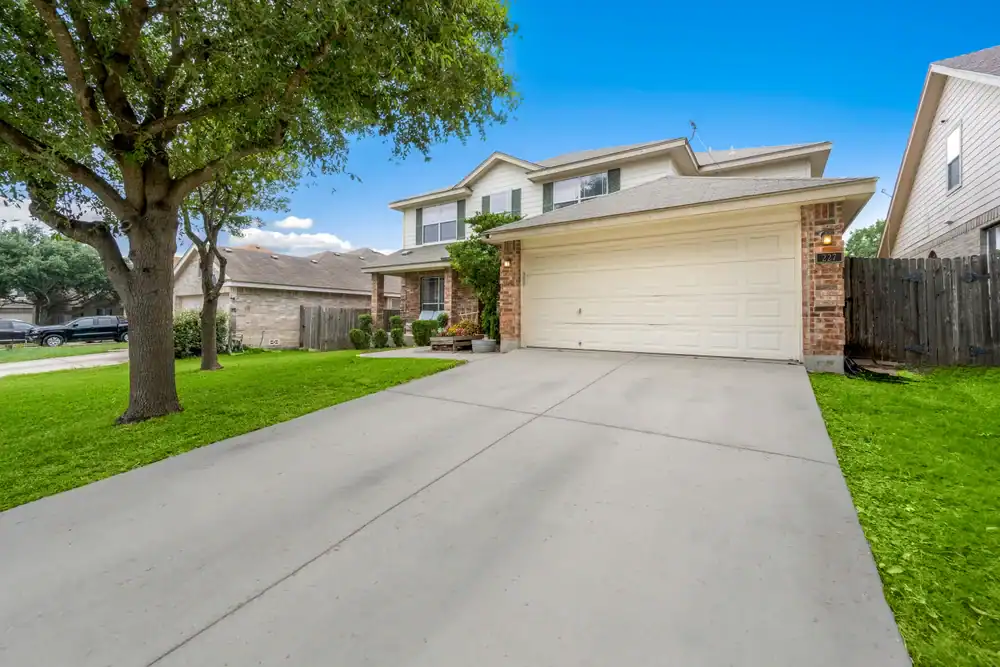
If you’re in Calverton’s older neighborhoods where homes sit on larger lots with long driveways, we handle the full length. If you’re in one of the 55-and-over communities with shorter driveways and tighter spaces, we work within those constraints. We also connect driveways to existing patios or walkways so everything flows together.
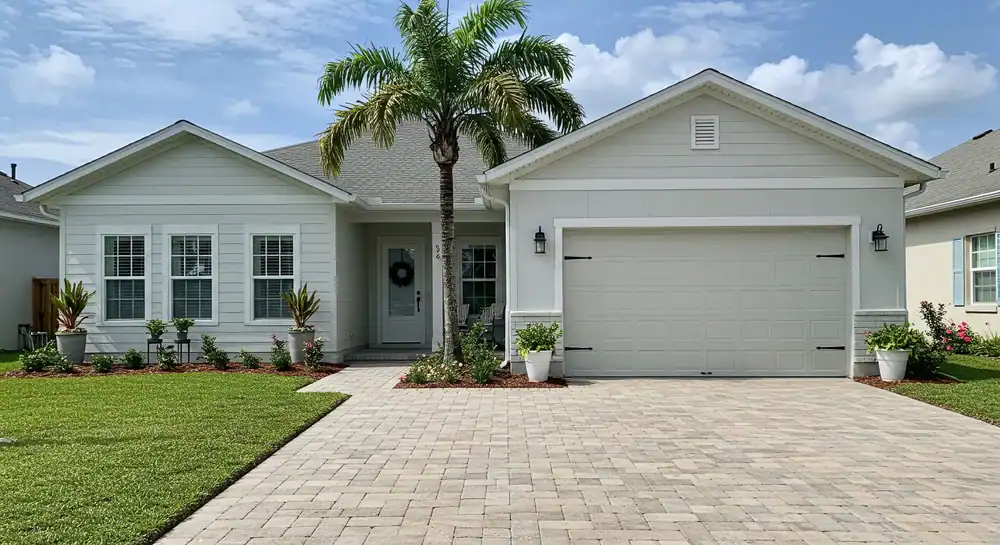
For materials, you’ve got options. Asphalt is the most flexible and handles freeze-thaw cycles better than concrete. Pavers give you more design options and are easier to repair if one section settles. Concrete is durable but cracks more easily in New York’s climate. We’ll walk you through what makes sense for your property and budget. Typical costs in Nassau County run $5 to $8 per square foot for asphalt, $18 to $23 for brick pavers, and $7 to $13 for concrete.
We also handle repairs if you’re not ready for a full replacement. That includes fixing sinking sections near garages, patching cracks, and addressing drainage problems before they damage your foundation.
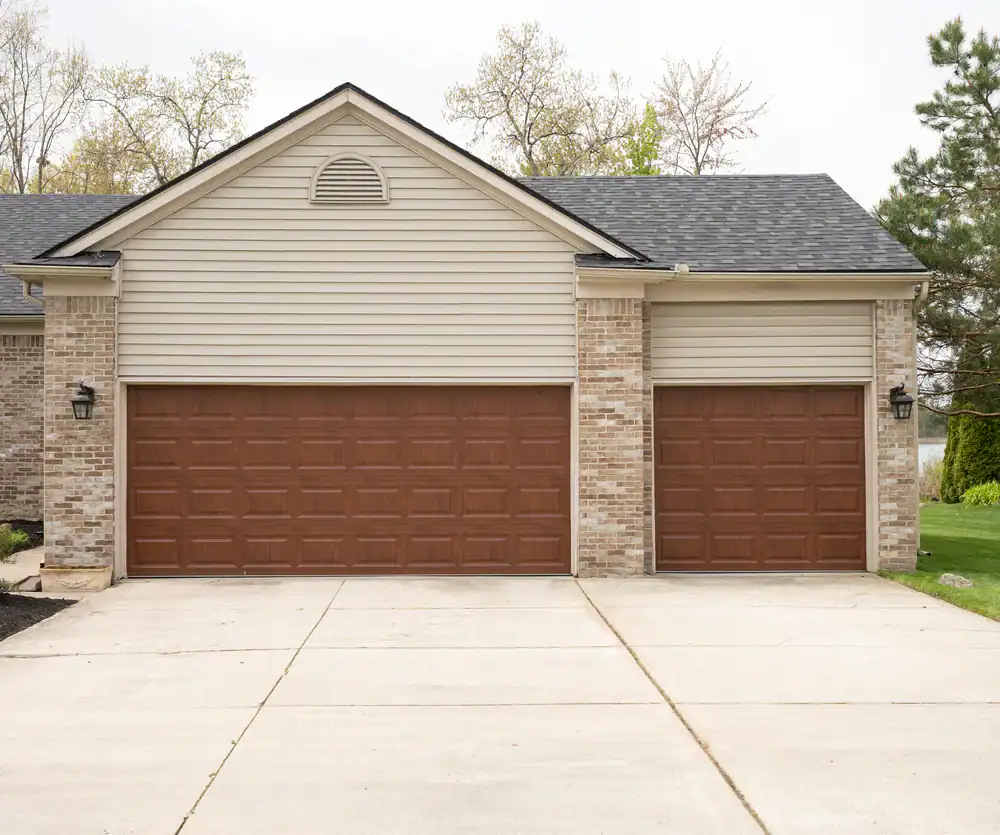
Asphalt driveways last 15 to 20 years in Nassau County if they’re installed correctly and maintained. That means sealing every few years and fixing small cracks before they spread. Paver driveways can last even longer because individual pavers can be replaced without redoing the whole surface.
Concrete driveways are durable, but they crack more easily here because of freeze-thaw cycles. Water gets into small cracks, freezes, expands, and makes the damage worse. If you go with concrete, you need to stay on top of sealing and repairs.
The biggest factor isn’t the material—it’s the base. If the base isn’t compacted properly or drainage isn’t handled, your driveway will fail early no matter what’s on top. That’s why we focus on preparation before we even talk about materials.
Sinking happens when the base wasn’t compacted properly during installation or when water washes away the base material over time. In Calverton, this is especially common in newer developments where the ground is still settling or in older neighborhoods where the original driveway was installed without proper base preparation.
When the driveway sinks near your garage, it can pull away from the foundation and create gaps where water gets in. That leads to foundation cracks, basement leaks, and expensive repairs—often $10,000 to $40,000 if the damage is severe.
Fixing a sinking driveway usually means tearing out the affected section, recompacting the base, and reinstalling the surface. Temporary fixes like mudjacking or patching don’t address the root problem. If the base is unstable, the sinking will come back.
Drainage starts with proper grading. Your driveway needs to slope away from your house so water doesn’t flow toward the foundation. We also look at where water goes after it leaves the driveway—if it’s pooling in your yard or running into your neighbor’s property, we need to address that.
In some cases, we install drainage systems like French drains or catch basins to move water away from problem areas. This is especially important in Calverton’s flatter areas where water doesn’t naturally drain well.
Poor drainage doesn’t just create puddles and ice patches. It undermines your driveway’s base, causes settling, and can lead to foundation damage. If you’re seeing standing water after rain or ice in specific spots every winter, your drainage needs to be fixed before you replace the driveway. Otherwise, you’re just going to have the same problems with the new surface.
It depends on how much damage you have and what’s causing it. If you’ve got a few small cracks and the rest of the driveway is solid, repairs make sense. But if you’re dealing with widespread cracking, drainage problems, and sections that are sinking, replacement is usually the better investment.
Here’s why: fixing cracked concrete driveways only works if the base is stable. If the cracks are happening because the base is shifting or water is getting underneath, patching them won’t stop the problem. You’ll be back to the same situation in a year or two.
In Calverton, concrete cracks are often caused by freeze-thaw cycles. Water gets into small cracks, freezes, expands, and makes the damage worse. Once that cycle starts, it’s hard to stop. If your driveway is more than 15 years old and showing multiple issues, replacement usually costs less in the long run than repeated repairs.
Asphalt is more flexible, which helps it handle freeze-thaw cycles without cracking. It’s also less expensive—typically $5 to $8 per square foot compared to $18 to $23 for pavers. Asphalt needs to be sealed every few years to protect it from water and UV damage, but maintenance is straightforward.
Pavers give you more design options and are easier to repair. If one section settles or a paver cracks, you can replace just that area without redoing the whole driveway. Pavers also don’t need sealing, though you do need to refill the polymeric sand between them every few years.
The downside of pavers is cost and installation time. A paver driveway takes longer to install because each piece has to be set individually. If you’re looking for durability and flexibility in Long Island’s climate, asphalt is hard to beat. If you want something that looks more custom and you’re okay with the higher price, pavers are a solid choice.
It depends on the scope of work and your property’s location. In most cases, replacing an existing driveway in the same footprint doesn’t require a permit. But if you’re expanding the driveway, changing the drainage, or working near wetlands or protected areas, you’ll likely need approval from the town.
Calverton is in the Town of Riverhead, and they have specific requirements for driveway work, especially related to stormwater management. If your property is in a flood zone or near environmentally sensitive areas, there are additional regulations.
We handle permit applications when they’re required. We know what the town is looking for, and we make sure the paperwork is done correctly so you don’t have to deal with delays or rejections. If you’re not sure whether you need a permit, we’ll check before we start work.
Other Services we provide in Calverton