

You’re looking at your cracked, sinking driveway and wondering how long you can put this off. The pooling water near your foundation isn’t going anywhere on its own. And every winter makes it worse.
Here’s what changes when your driveway is installed correctly from the start. Water drains away from your foundation instead of pooling in low spots. Your base doesn’t shift during spring thaw because it was excavated and compacted properly for Suffolk County soil conditions. And you’re not calling for repairs every few years because the installation accounted for Long Island’s freeze-thaw cycles.
Most driveway problems start during installation, not years later. Poor drainage planning, inadequate base preparation, or wrong material choice for our climate creates issues that only get more expensive. When you install it right the first time, you’re looking at 15-20 years of reliable performance instead of constant patching and premature replacement.
We’ve been serving homeowners throughout Suffolk and Nassau County with masonry and exterior work that holds up to coastal weather. Every project is owner-managed, which means your driveway installation gets direct oversight instead of being handed off to whoever’s available.
We’re licensed, insured, and we’ve seen what happens when driveways are installed without accounting for Long Island’s high water table and freeze-thaw cycles. That’s why we focus on drainage solutions and proper base preparation before any material goes down. Your driveway is an investment, and we treat it like one.
You’ll get a written estimate, straight answers about what your property needs, and work that’s finished on time and on budget.
We start with your property’s drainage situation because that’s what determines whether your driveway lasts 10 years or 20. We evaluate slope, water flow, and where runoff currently goes. If you need French drains or regrading, we identify that before excavation starts.
Next comes excavation and base preparation. We remove old material, excavate to proper depth for your soil conditions, and install a compacted aggregate base. This is where most driveway failures start, so we don’t rush it. The base needs to be stable before any surface material goes down.
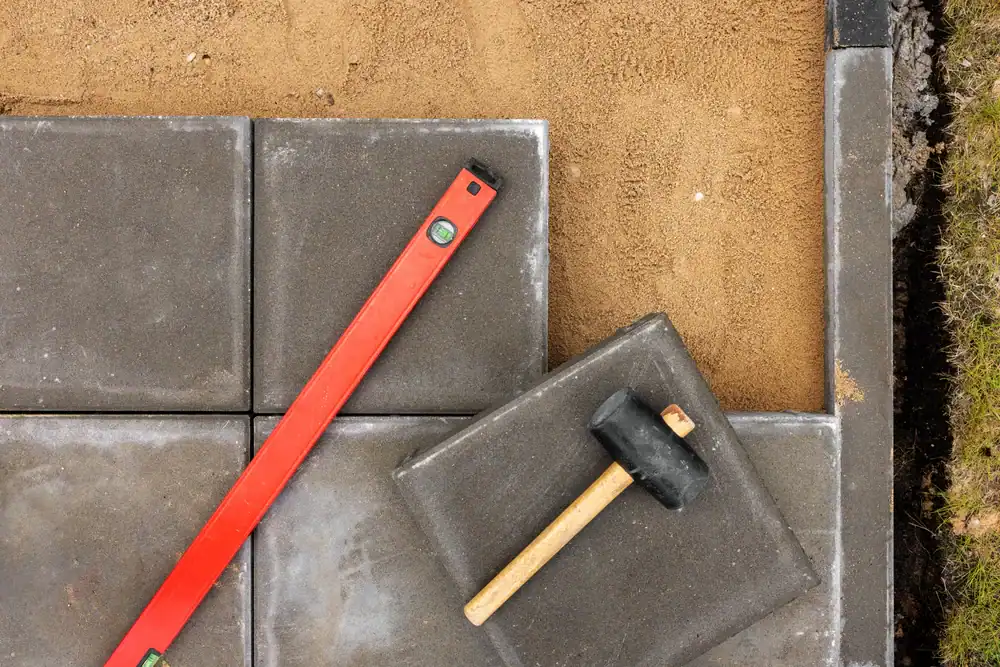
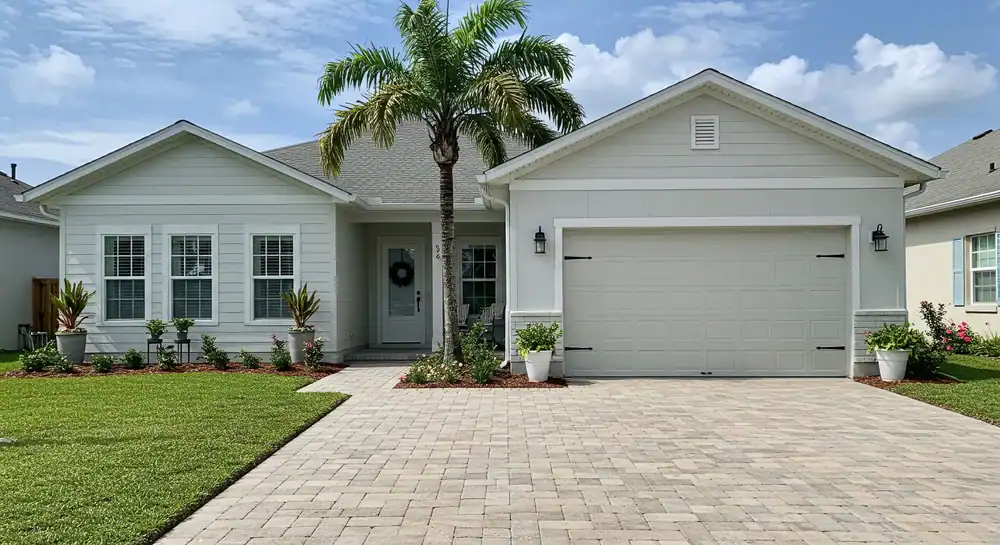
Then we install your chosen material—asphalt, concrete, or pavers—with proper thickness and compaction for Long Island traffic loads and weather. For asphalt driveways in Centereach, NY, that means hot mix asphalt laid and compacted while it’s still workable. For paver installations, it means edge restraints and joint sand that lock everything in place.
You’ll know the timeline before we start, and you’ll have a driveway that handles water correctly from day one.
Ready to get started?
You’re not just getting material laid down. You’re getting a system that manages water, handles freeze-thaw cycles, and protects your foundation.
That includes proper excavation depth for Suffolk County soil conditions—usually 8-12 inches depending on your property. You get a compacted aggregate base that won’t shift during spring thaw. And you get drainage solutions designed for your specific property, whether that’s French drains, catch basins, or regrading to direct water away from your foundation.
For concrete driveway installation in Suffolk County, you get proper thickness (typically 4-6 inches for residential) with control joints to manage cracking. For paver driveways, you get edge restraints, polymeric sand, and a base that prevents sinking. And for asphalt, you get proper compaction and thickness that flexes with temperature changes instead of cracking like rigid concrete in cold weather.
Long Island’s coastal weather, high water table, and freeze-thaw cycles require installation methods that account for these conditions. You’re also getting materials sourced locally, which keeps costs competitive and ensures hot mix asphalt arrives at the right temperature for proper compaction.
It depends entirely on installation quality and material choice. A properly installed asphalt driveway in Centereach, NY lasts 15-20 years with basic maintenance like sealcoating every 2-3 years. Concrete driveways can last 25-30 years, and paver driveways can go 25-75 years with minimal maintenance.
But those numbers assume correct installation from the start. Poor drainage, inadequate base preparation, or wrong material thickness cuts that lifespan in half. Most driveways that fail early don’t fail because of the surface material—they fail because water got underneath and compromised the base during freeze-thaw cycles.
Long Island’s weather is particularly hard on driveways. We get freeze-thaw cycles that cause expansion and contraction, coastal moisture that accelerates deterioration, and occasional heavy storms that test drainage systems. Your driveway needs to be installed with these conditions in mind, not just generic best practices.
Water and poor base preparation. When water gets under your driveway surface, it softens the soil underneath. During freeze-thaw cycles, that water expands and contracts, creating voids and causing the base to settle unevenly. You end up with low spots that collect more water, which accelerates the problem.
This is especially common in Suffolk County because of our high water table and clay-heavy soils that don’t drain well naturally. If your driveway wasn’t installed with proper drainage solutions—French drains, catch basins, or adequate slope—water has nowhere to go except under your driveway.
Sinking driveway repair in Long Island often requires excavating the affected area, fixing the drainage issue that caused it, rebuilding the base properly, and then resurfacing. It’s more involved than just adding material on top, which is why preventing it during initial installation saves you significant money long-term.
Each material has advantages depending on your priorities and budget. Asphalt costs $5-8 per square foot in Long Island, handles freeze-thaw cycles well because it flexes, and can be installed quickly. It requires sealcoating every 2-3 years but repairs are straightforward. The black surface also melts snow faster in winter.
Concrete costs $8-12 per square foot, lasts longer than asphalt, and needs less maintenance. But it’s rigid, which means it cracks more easily in cold weather and costs more to repair. It also takes several days to cure before you can use it.
Pavers cost $10-20 per square foot but can last 25-75 years. Individual pavers can be replaced if damaged, and they handle ground movement better than solid concrete. They’re the most expensive upfront but often cost less over their lifetime. For decorative options like cobblestone driveway aprons or Belgian block borders, pavers give you the most flexibility.
Your property’s drainage situation, soil conditions, and how you plan to use the driveway should drive this decision more than aesthetics alone.
For a standard two-car driveway (roughly 24×40 feet), you’re looking at $4,600-$8,100 for asphalt, $7,700-$11,500 for concrete, and $9,600-$19,200 for pavers. These ranges include excavation, base preparation, materials, and labor for Suffolk County.
But your actual cost depends on factors most homeowners don’t consider until they get estimates. Poor drainage adds $1,500-$3,500 for French drains or catch basins. Difficult soil conditions increase excavation costs. Removal and disposal of old driveway material adds $2-$4 per square foot. And decorative options like stamped concrete, colored asphalt, or paver patterns increase material costs.
The lowest bid isn’t always the best value. If a driveway contractor in Centereach, NY quotes significantly less than others, they’re likely cutting corners on base depth, drainage work, or material thickness. Those shortcuts cost you more in repairs within 5-10 years. We provide written estimates that break down exactly what you’re getting so you can compare apples to apples.
Pooling water anywhere on or near your driveway is your first warning sign. Water should drain away within a few hours after rain. If you see standing water a day later, your drainage is inadequate. Pay special attention to where your driveway meets your foundation—water pooling there can cause basement flooding and foundation damage.
Cracks that run parallel to your foundation or along the edges of your driveway often indicate water is getting underneath and causing the base to shift. You might also notice your driveway settling or sinking in spots, especially after spring thaw. That’s water compromising the base during freeze-thaw cycles.
Driveway drainage solutions for Long Island properties often require more than just proper slope. Our high water table and clay soils mean water doesn’t percolate naturally. French drains, catch basins, or channel drains give water a path away from your driveway and foundation. Installing these during initial construction costs $1,500-$3,500. Fixing foundation damage from poor drainage later costs $5,000-$15,000 or more.
Late spring through early fall—roughly May through September—gives you the best conditions for driveway installation in Centereach, NY. You need consistent temperatures between 65-75°F for asphalt to compact properly and concrete to cure correctly. Too cold and materials don’t set right. Too hot and they set too fast.
Asphalt installation is particularly temperature-sensitive. The material needs to be laid and compacted while it’s still hot and workable. Cold weather causes it to cool too quickly, preventing proper compaction. That creates a weaker surface that fails prematurely. Concrete needs time to cure without freezing, which rules out late fall and winter installation.
Spring installation gives your new driveway a full season to settle before winter freeze-thaw cycles start. Fall installation works too, but you’re racing against dropping temperatures. Summer installation is fine if we avoid the hottest days when asphalt can become too soft. Most local driveway contractors book spring and fall projects months in advance, so plan accordingly.
Other Services we provide in Centereach