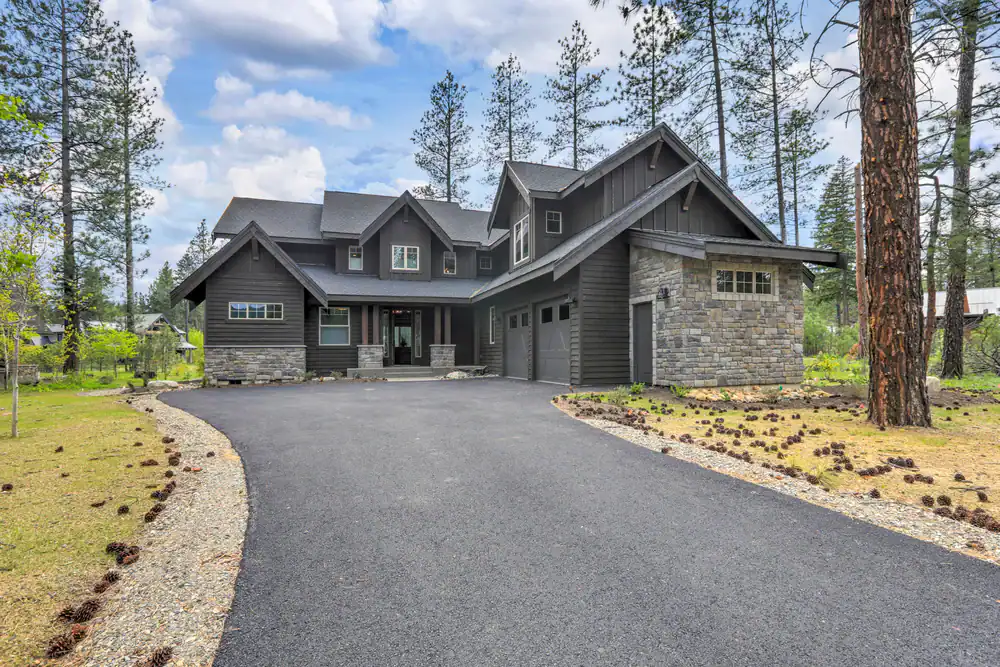

Your driveway takes a beating. Long Island winters freeze water in every crack, expanding and destroying whatever’s underneath. Summers bake the surface until it crumbles. And if the base wasn’t done right the first time, you’re looking at sinking sections, pooling water, and constant repairs that never actually fix the problem.
Here’s what changes when it’s done correctly. Water drains away from your foundation instead of sitting in low spots. The base stays stable through temperature swings because it was compacted properly and built with the right materials. And you’re not calling someone back every spring to patch the same cracks.
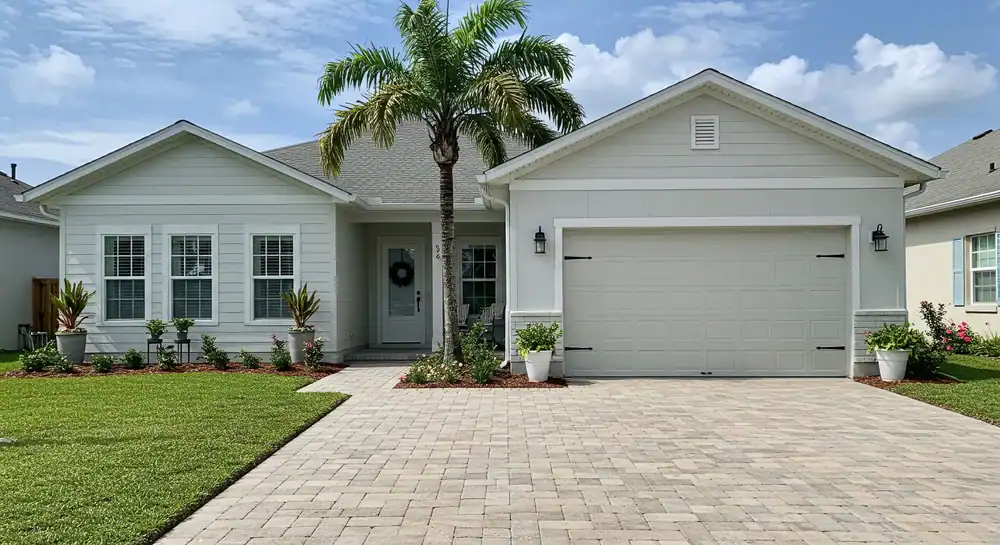
Paver driveways in Great Neck Gardens handle this climate better than asphalt or concrete because individual stones flex instead of cracking as a single slab. Water moves through the joints instead of pooling on the surface. When one section settles, you lift and reset those pavers without tearing out the whole driveway. That’s the difference between a 15-year surface and one that lasts 30.
We started with masonry and chimney work, which taught us one thing fast: if the base isn’t right, nothing else matters. That’s the same standard we bring to every driveway installation in Great Neck Gardens, NY.
Bobby Bruno and Sherwood Adams run every job personally. You’re not getting a crew that disappears halfway through or cuts corners on base prep. We’ve worked in this area long enough to know what Nassau County weather does to driveways, and we’ve seen what happens when contractors skip steps to save time.
Great Neck Gardens has homes worth over a million dollars on average. Your driveway should match that standard, not look like a budget job that’ll need replacing in five years. We use proper grading, quality base materials, and installation methods that account for drainage and settling—because that’s what actually prevents the problems you’re trying to avoid.
First, we remove the old driveway and excavate down to stable soil. This isn’t optional—if the base is compromised, everything on top will fail. We’re looking at soil conditions, drainage patterns, and how water moves across your property.
Next comes base preparation. We install a compacted gravel base in layers, not all at once. Each layer gets compacted separately because that’s what creates a stable foundation that won’t shift or settle. We slope everything away from your house and garage to handle drainage before it becomes a problem.
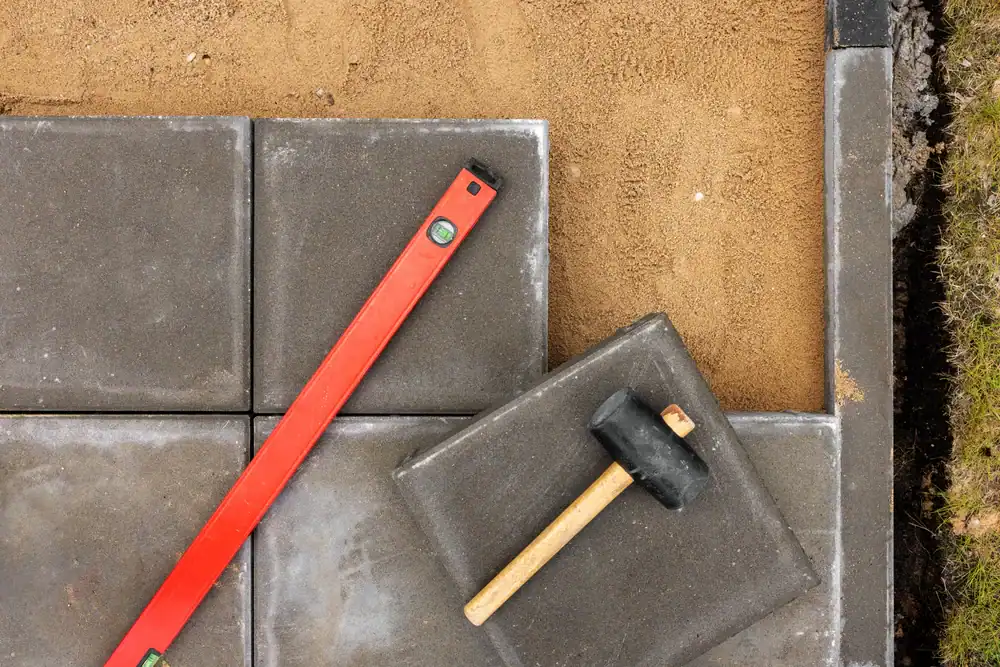
Then we add a sand layer and set the pavers or pour the concrete, depending on what you chose. For paver driveway installation in Great Neck Gardens, we use edge restraints and proper joint spacing so nothing shifts over time. For concrete, we control joints and use rebar or mesh reinforcement in the right spots.
Finally, we clean up and make sure water flows where it should. You’ll see exactly how drainage works before we leave. The driveway’s ready to use immediately with pavers, or after a curing period with concrete. Either way, you’re getting a surface built to handle what Long Island throws at it.
Ready to get started?
We handle full driveway replacement, extensions for homes that need more parking, and sinking driveway repair in Great Neck Gardens when sections have settled. If your driveway was built in the 50s or 60s like many homes here, it probably wasn’t designed for three or four cars. We can extend it or widen it to match how you actually use your property.
For materials, we install paver driveways, poured concrete, and Belgian block borders that create clean edges and prevent deterioration. Pavers cost more upfront but last longer in this climate—25 to 30 years versus 15 to 20 for asphalt. Concrete sits in the middle for cost and durability. We’ll walk you through what makes sense for your budget and how long you plan to stay in the house.
Drainage is part of every job, not an add-on. We’re fixing grading issues, installing proper slopes, and making sure water doesn’t pool against your foundation or create ice patches in winter. Great Neck Gardens gets hit with freeze-thaw cycles that destroy driveways from the inside out, so driveway drainage solutions aren’t optional—they’re what keeps your investment from cracking apart in five years.
We also repair cracked concrete driveways when the damage is isolated and the base is still solid. But if the whole thing is sinking or the cracks keep coming back, replacement is the honest answer. We’ll tell you which one makes sense after we look at it.
It depends on the material and how well it was installed. Asphalt driveways typically last 15 to 20 years in Nassau County if they’re maintained, but they need regular sealing and crack repairs. Concrete lasts a bit longer—20 to 25 years—but it’s prone to cracking from freeze-thaw cycles if the base wasn’t done right.
Paver driveways last 25 to 30 years or more because individual stones flex with temperature changes instead of cracking like a solid slab. Water drains through the joints instead of pooling on the surface, which prevents the freeze-thaw damage that destroys other materials. When a section does settle, you can lift and reset those pavers without replacing the whole driveway.
The real factor isn’t just the material—it’s the base preparation and drainage. If water sits under your driveway or the base wasn’t compacted properly, no material will last as long as it should. That’s why we focus on getting the foundation right before anything goes on top.
Water and poor base preparation. Long Island gets freeze-thaw cycles all winter, which means water seeps into small cracks, freezes, expands, and breaks apart whatever’s underneath. Do that a few dozen times per season and you’ve got serious damage.
Sinking happens when the base wasn’t compacted correctly or when water washes away the material under the driveway. If the soil wasn’t stable to begin with, or if drainage wasn’t addressed, sections will settle over time. You’ll see low spots where water pools, which makes the problem worse because now you’ve got standing water saturating the base.
Concrete driveways crack because they’re rigid—one piece trying to handle all that expansion and contraction. Asphalt cracks because UV rays and temperature swings break down the binder that holds it together. Both materials need a solid base and proper drainage to last, but even then, they’re fighting against physics. That’s why we recommend pavers for longevity—they’re designed to move slightly without cracking.
For a standard two-car driveway, asphalt runs $5,000 to $8,000, concrete is $8,000 to $12,000, and pavers are $12,000 to $18,000. The range depends on size, material quality, site conditions, and how much prep work is needed.
If your existing driveway has drainage issues or the base is shot, costs go up because we’re fixing those problems first. You can’t just pave over a bad foundation and expect it to last. Same thing if we’re dealing with difficult access, significant grading changes, or if you want custom patterns with pavers or decorative concrete.
Pavers cost more upfront but save money long-term because they last longer and repairs are cheaper. When a paver driveway settles, you lift those stones, add base material, and reset them. With concrete, you’re cutting out sections and patching, which never looks quite right. With asphalt, you’re resurfacing the whole thing every 10 to 15 years. Factor in maintenance and lifespan, and pavers often cost less over 30 years than cheaper materials that need constant work.
Sometimes, but it depends on how bad it is and what’s causing it. If a small section has settled and the rest of the base is solid, we can lift that area, add compacted base material, and reset it. For minor cracks in concrete, we can seal them if they’re not structural and the slab isn’t moving.
But if the whole driveway is sinking, if cracks are widespread, or if water has compromised the base, repairs are just delaying the inevitable. You’ll spend money on a fix that lasts a year or two, then you’re back to the same problem. At that point, replacement makes more sense financially and gets you a driveway that’ll actually last.
We’ll look at your specific situation and tell you honestly whether sinking driveway repair in Great Neck Gardens will hold up or if you’re better off starting over. There’s no point in patching something that’s going to fail again—it wastes your money and our reputation. If the base is gone, it’s gone, and no amount of surface work will fix that.
Usually, yes. Most driveway work in Nassau County requires a permit, especially if you’re doing a full replacement, changing the size, or altering drainage patterns. The village wants to make sure water runoff is handled properly and that the work meets local codes.
We handle the permit process as part of the job. It’s not complicated, but it does add time to the schedule because you’re waiting for approval before work starts. Skipping the permit might seem faster, but it creates problems if you ever sell the house or if a neighbor complains and the village shows up.
The permit also protects you. It means the work gets inspected and has to meet certain standards for base depth, drainage, and materials. If something goes wrong later, you’ve got documentation that it was done to code. It’s worth the wait and the fee to do it right from the start.
Pavers hold up best because they’re designed to flex with freeze-thaw cycles instead of cracking. Each stone moves independently, so when the ground shifts or temperatures swing, the driveway adjusts without breaking apart. Water drains through the joints instead of pooling on the surface, which prevents the ice damage that destroys solid slabs.
Concrete is a middle option. It lasts longer than asphalt and looks cleaner, but it will crack eventually because it’s rigid. You can control where those cracks happen with joints, but you’re still dealing with a material that doesn’t handle Long Island’s temperature swings as well as pavers.
Asphalt is the cheapest upfront but needs the most maintenance. It requires sealing every few years, cracks from UV exposure and temperature changes, and typically needs resurfacing or replacement sooner than other materials. For Great Neck Gardens, where property values are high and you want something that lasts, asphalt makes sense if budget is tight—but pavers or concrete are better long-term investments.
Other Services we provide in Great Neck Gardens