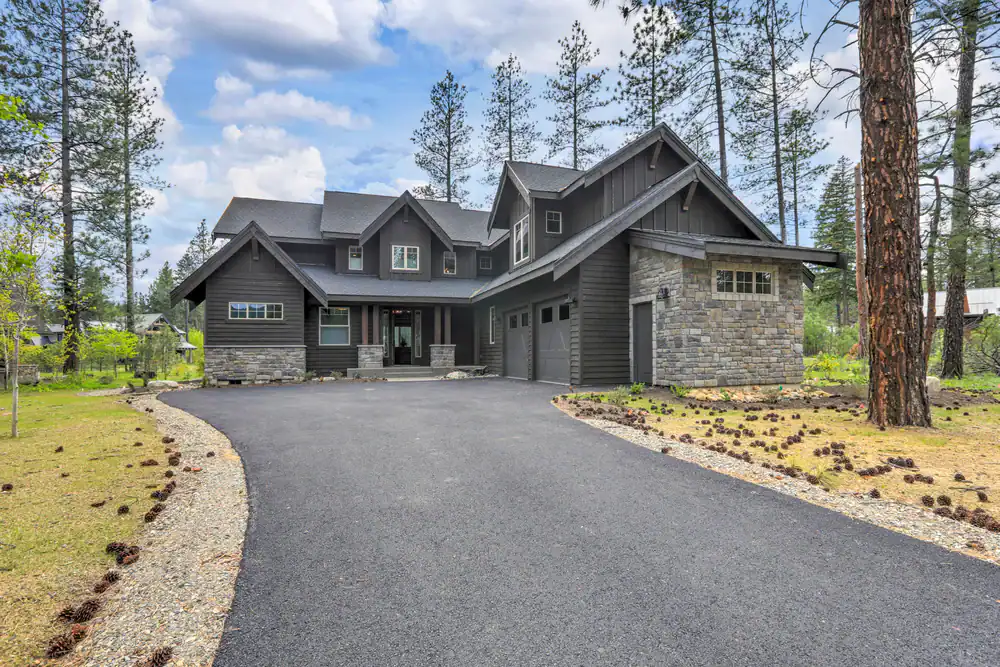

Your driveway stops being a problem. Water drains where it should instead of pooling in low spots or seeping toward your foundation. Cracks don’t reappear after the first winter because the base was compacted correctly and drainage was built into the design from the start.
You’re not patching the same potholes every spring. You’re not worrying about what happens when the next freeze comes. Your cars sit level, your walkway connects cleanly, and the whole front of your house looks intentional.
That’s what happens when we take the time to do the excavation, grading, and material prep the way it’s supposed to be done. Not fast. Not cheap. Just right.
We started with chimney and masonry work across Nassau County, and we’ve been at it for nearly two decades. We know the soil conditions in Inwood. We know what happens when drainage isn’t planned for. We’ve seen what poor compaction looks like three years later.
Every job gets managed by an owner. That’s not marketing language—it’s how we operate. Bobby or Sherwood is on-site, checking base depth, making sure grades are correct, and ensuring the crew isn’t cutting corners you’ll pay for later.
We’re licensed, insured, and we’ve earned an A-rating with the BBB. But more than that, we’re the team that shows up, does the work the long way, and sticks around if something needs adjusting.
We start with a site visit. We look at your current driveway, check the grade, talk through drainage, and figure out what material makes sense for your budget and your property. If there’s a problem with runoff or foundation risk, we’ll tell you before we dig.
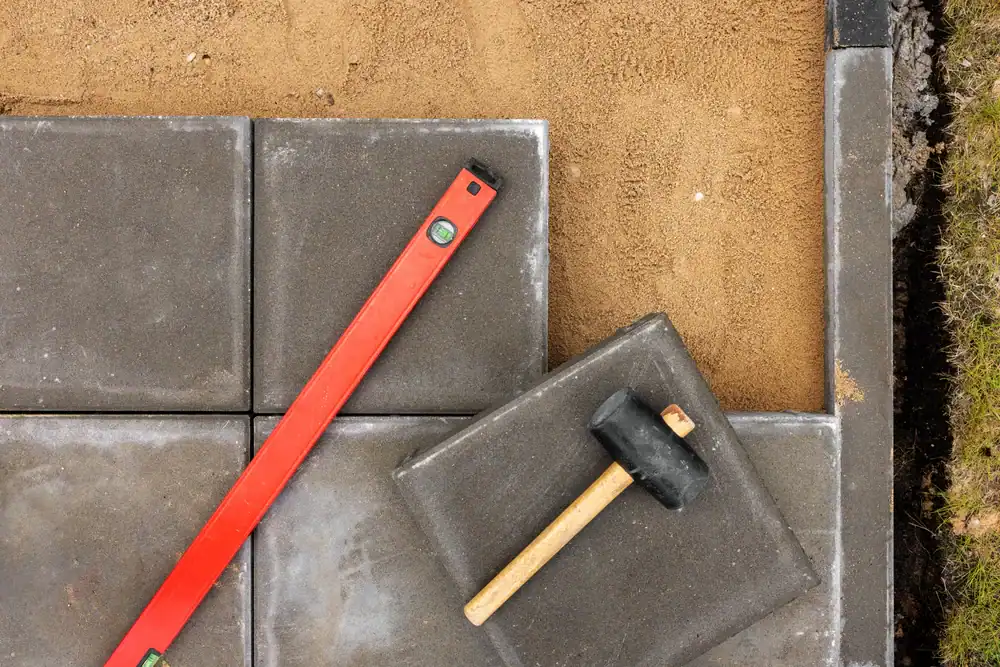
Once we agree on scope, we pull permits if needed and schedule excavation. We remove the old surface, dig down to stable soil, and build a compacted base—usually 6 to 8 inches depending on soil type and vehicle load. This is where most driveway problems start, so we don’t rush it.
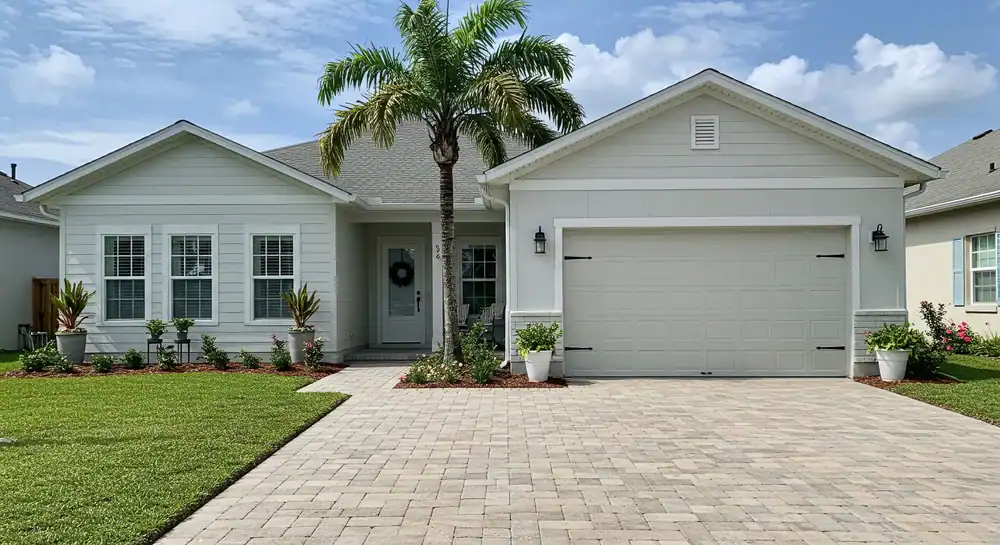
Then we install your surface. Could be asphalt, concrete, pavers, or brick depending on what you picked. We grade everything so water moves away from your house and toward the street or a drain. Edges get finished with Belgian block or cobblestone if that’s part of the plan.
After install, we clean up, walk the job with you, and make sure you know how to maintain it. Then we leave. The driveway does the rest.
Ready to get started?
You get full excavation and removal of your old driveway. We haul it off—you don’t deal with it. Then we prep and compact a gravel base to the depth your soil and usage require. If your property has drainage issues, we integrate solutions during grading so water doesn’t sit or flow toward your foundation.
Surface options include asphalt, poured concrete, brick pavers, or cobblestone aprons. Each has a different lifespan and maintenance schedule, and we’ll walk through what makes sense for your block in Inwood, NY. Borders, if you want them, get installed with Belgian block or decorative stone.
Everything gets finished level and clean. We’re not leaving piles of dirt or half-compacted edges. And if something doesn’t look right during the job, we stop and fix it then—not after you’ve called three times. That’s the difference between managing the work ourselves and sending a crew and hoping it turns out fine.
Depends on the material and how it’s installed. Asphalt typically lasts 15 to 20 years if it’s sealed every few years and the base was done right. Concrete can go 20 to 30 years, sometimes longer, but it will crack—that’s just what concrete does. The question is whether those cracks are surface-level or structural.
Pavers last the longest if they’re set on a proper base. 30 to 40 years isn’t uncommon, and if one cracks, you replace that paver instead of resurfacing the whole driveway. The real deciding factor isn’t the surface material—it’s whether the base was compacted correctly and whether drainage was built in. That’s where most driveways fail early in Nassau County.
Water and freeze-thaw cycles. Long Island gets cold enough in winter that any water trapped under your driveway will freeze, expand, and push things around. When it thaws, the soil shifts. Do that a hundred times and you get cracks, sinking, and potholes.
The other common issue is poor base prep. If the gravel base isn’t deep enough or wasn’t compacted in layers, it settles unevenly under the weight of your cars. You’ll see low spots within a year or two. That’s not a material problem—that’s a shortcuts problem.
Drainage is the third factor. If water pools on your driveway or runs underneath it, you’re accelerating every other issue. Fixing cracked concrete driveways in Nassau County almost always involves addressing what’s happening below the surface, not just patching what you can see.
Depends how bad it is and what’s causing it. If it’s a small sunken section and the rest of the driveway is solid, we can sometimes lift and relay pavers or patch and level concrete. But if the base has failed or there’s ongoing drainage issues, a patch is just buying time.
Most sinking driveway repair in Inwood, NY ends up being a replacement conversation because the underlying problem—failed base, poor compaction, or water intrusion—can’t be fixed without pulling up the surface and rebuilding it. We’ll tell you honestly after we look at it. If a repair makes sense, we’ll do that. If it’s going to fail again in two years, we’ll say so.
For a standard two-car driveway, you’re looking at $4,000 to $10,000 depending on material, size, and site conditions. Asphalt is usually the lowest cost. Concrete runs higher. Pavers and brick are at the top, but they last longer and you’re not resurfacing every 15 years.
If your property has drainage problems, needs significant excavation, or requires permits and engineering, that adds to the cost. Same if you’re adding decorative borders, cobblestone aprons, or custom paver patterns. We price based on what your specific job requires, not a one-size number.
What matters more than the install cost is how long it lasts and what you spend maintaining it. A cheap driveway that needs repairs every few years costs more over time than paying for proper installation once.
Usually, yes. Nassau County requires permits for most driveway work, especially if you’re changing the size, material, or drainage pattern. If you’re repaving an existing asphalt driveway with the same footprint, you might not need one, but it’s worth checking.
We handle permit applications as part of the job. It’s not complicated, but it does add a couple weeks to the timeline while the town reviews and approves the plan. Skipping permits might save time up front, but it creates problems if you ever sell the house or if a neighbor reports unpermitted work.
The permit process also forces a conversation about drainage and grading, which is a good thing. It ensures water isn’t being redirected onto neighboring properties or toward the street in a way that violates local codes.
There’s no single “best” material—it depends on your budget, how long you plan to stay in the house, and how much maintenance you’re willing to do. Asphalt is affordable and handles freeze-thaw cycles well if you seal it every 2 to 3 years. It’s a solid choice for most homeowners.
Concrete lasts longer and needs less maintenance, but it will crack. That’s not a failure—it’s just what happens with temperature swings. If you’re okay with some visible cracking over time, concrete is a good option for concrete driveway installation in Suffolk County and Nassau County.
Pavers are the most durable and flexible. They move with the ground instead of cracking, and if one breaks, you replace that piece. They cost more up front but need almost no maintenance and last decades. For driveway drainage solutions on Long Island, pavers also let you build in better water management without compromising the surface.
Other Services we provide in Inwood