

You’re tired of watching cracks spread across your driveway after every winter. Water seeps in, freezes, expands, and turns small cracks into expensive problems. By spring, you’re looking at another repair bill.
Long Island’s freeze-thaw cycles are brutal on driveways. Temperatures swing above and below freezing dozens of times each winter, and every cycle puts stress on whatever’s beneath your car. Most driveways fail because the base wasn’t done right from the start.
When we install a driveway in Kings Point, NY, we go down at least 12 inches. That’s not optional here—it’s what Long Island’s soil conditions and frost line demand. Proper base preparation with compacted stone, correct grading for drainage, and quality materials means you’re not calling us back in five years. You’re done worrying about it.
Ageless Chimney started as a chimney company, but homeowners kept asking us about their driveways, walkways, and masonry work. We expanded because we already understood what Long Island properties need—and what they don’t.
We’re based right here in Kings Point, NY. We know the soil, the weather, and the drainage challenges that come with living near the water. Every job is managed by an owner, not handed off to a crew you’ll never meet again.
We’ve earned an A+ rating with the BBB and years of recognition from Angie’s List because we show up, do the work right, and don’t disappear when the job’s done. You’re hiring local driveway contractors who live in the same climate you do.
We start with excavation. That means digging down 12 inches minimum to remove unstable soil and create space for a proper base. If your property has drainage issues, we address them now—not after your driveway starts sinking.
Next comes the base layer. We use 4 to 6 inches of compacted stone, graded to direct water away from your foundation. This is where most contractors cut corners, and it’s why their driveways fail. We compact in layers because that’s what actually works.
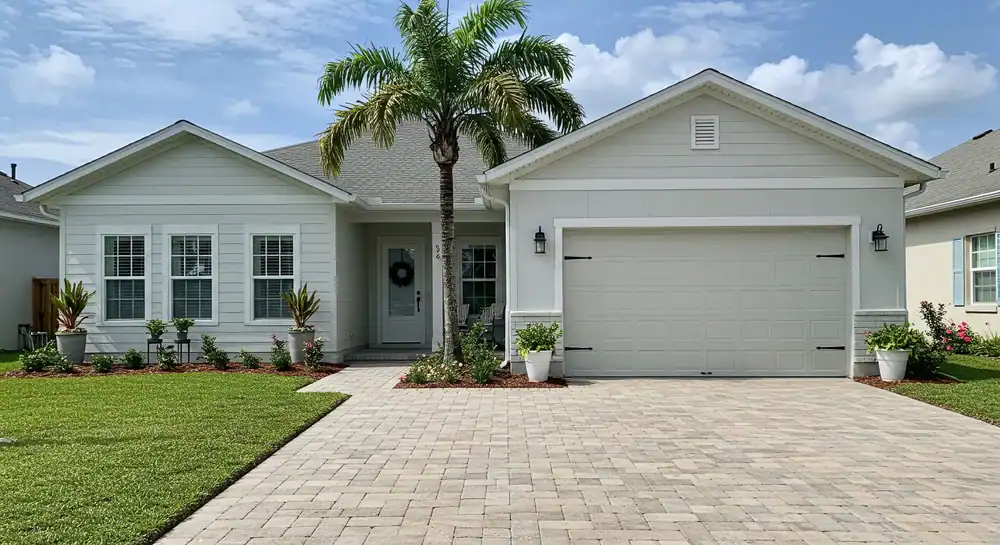
Then we install your surface—whether that’s pavers, concrete, or asphalt. Paver driveway contractors will tell you pavers last longer because they flex with freeze-thaw movement instead of cracking like concrete. If you choose concrete driveway installation, we make sure the base and drainage are dialed in so it has a fighting chance.
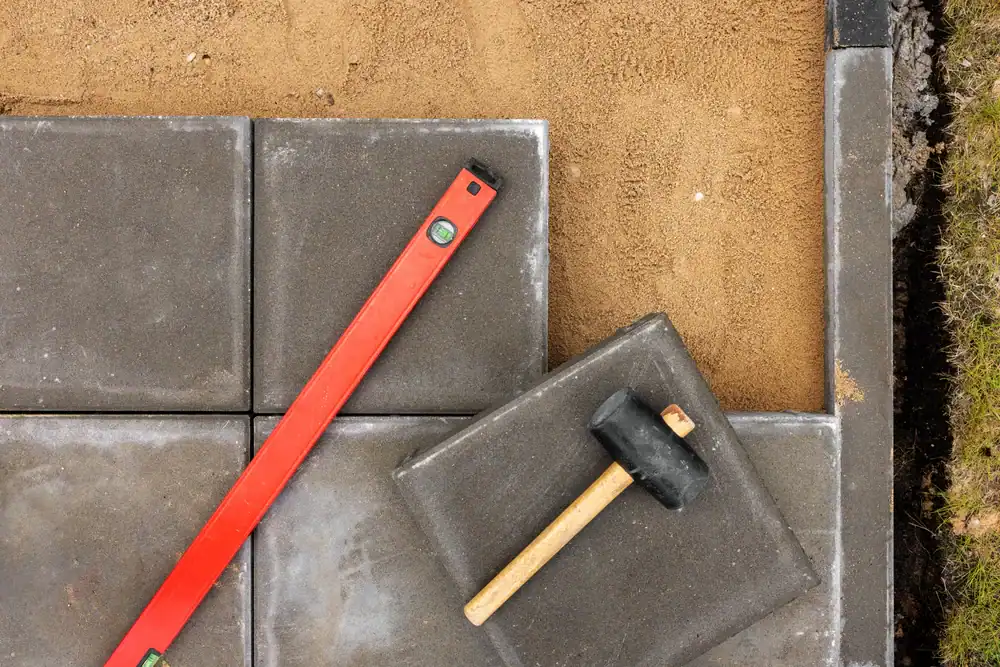
Finally, we add edge restraints and finish grading. You’ll know exactly what to expect for maintenance, and we’ll tell you the truth about how long it should last.
Ready to get started?
You get a driveway designed for Kings Point, NY—not some generic install that works in a different climate. We handle everything from sinking driveway repair to full custom driveway replacement, and we’re not shy about telling you when a repair makes sense versus starting over.
For new installations, you can choose from brick driveway replacement, paver systems, or traditional concrete. We’ll walk you through the cost difference and what you’re actually paying for. Pavers run $17 to $21 per square foot here in Nassau County, but they last 25 to 75 years with almost no maintenance. Concrete is cheaper up front at $7 to $14 per square foot, but you’ll pay for resurfacing or replacement in 15 to 20 years.
We also install cobblestone driveway aprons and Belgian block borders if you want a finished look that matches Kings Point’s architectural style. And if you’re dealing with drainage problems, we design driveway drainage solutions for Long Island properties that actually move water away from your foundation instead of pooling it next to your house.
You’re not getting upsold. You’re getting options based on what your property needs and what your budget allows.
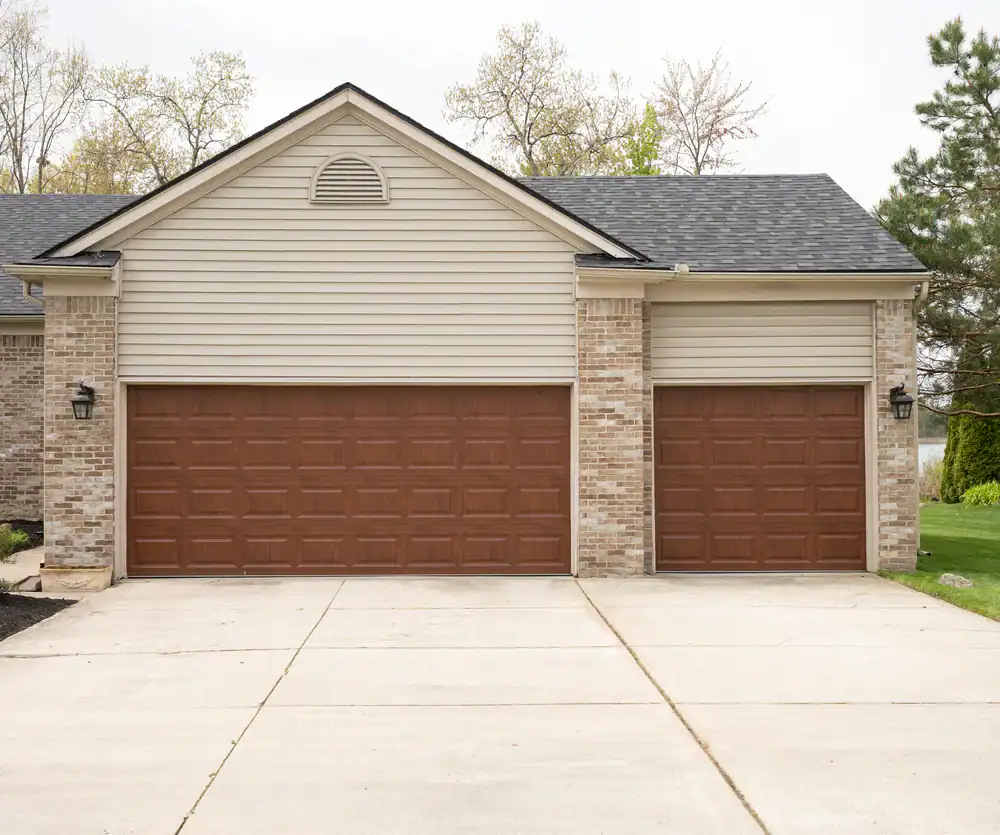
Your driveway cracks because water gets into small gaps, freezes, expands, and makes those gaps bigger. Long Island doesn’t stay cold all winter—we get constant temperature swings above and below freezing. That’s dozens of freeze-thaw cycles putting stress on your driveway.
Most driveways fail because the base wasn’t installed correctly. If the contractor didn’t excavate deep enough, compact the stone base properly, or grade for drainage, water sits under your driveway and wreaks havoc. Even the best surface material can’t save a bad base.
Clay soil in Nassau County makes it worse. Clay holds water instead of letting it drain, so you’ve got moisture sitting there waiting to freeze. Fixing cracked concrete driveways usually means addressing the base and drainage—not just patching the surface.
Asphalt is the cheapest option at $5 to $9 per square foot, but it needs resealing every 3 to 5 years and full replacement every 15 to 20 years. Long Island winters are hard on asphalt because it expands and contracts as one solid piece, which creates cracks.
Concrete costs $7 to $14 per square foot and lasts a bit longer, but it has the same problem—it moves as a single slab. When it cracks, you’re looking at expensive repairs or total replacement. Concrete also stains easily and doesn’t handle freeze-thaw cycles as well as people think.
Pavers cost more up front—$17 to $21 per square foot in Nassau County—but they last 25 to 75 years with almost no maintenance. Each paver moves independently, so freeze-thaw cycles don’t destroy the whole driveway. If one paver cracks, you replace that one piece. Water drains through the joints instead of pooling on the surface, which prevents a lot of the damage that kills other driveways.
At least 12 inches. That’s not negotiable if you want a driveway that lasts. Long Island’s frost line and soil conditions require deep excavation and a thick base layer of compacted stone.
Most driveway failures happen because contractors only go down 6 or 8 inches to save time and money. That might work in other climates, but it doesn’t work here. You need 4 to 6 inches of compacted stone base, installed in layers, with proper grading to move water away from the driveway.
Base preparation is the biggest cost in any driveway project—it adds $4 to $8 per square foot—but it’s the only thing standing between a driveway that lasts decades and one that starts failing after the first winter. If a driveway installation company isn’t talking about base depth and drainage during the estimate, that’s a red flag.
It depends on why it’s sinking. If the base was never compacted properly or if you’ve got drainage issues washing out the base material, a repair might buy you a few years—but you’ll likely be back to the same problem.
Sinking driveway repair usually involves lifting the surface, adding and compacting base material, and fixing whatever drainage issue caused the problem. If the surface itself is still in good shape, that can work. But if the driveway is also cracked, stained, or old, you’re better off replacing it and doing the base right this time.
We’ll tell you honestly whether a repair makes sense or if you’re throwing money at something that’s going to fail again. Sometimes the right move is to start over with proper excavation, a compacted stone base, and a drainage plan that actually works.
Most residential driveway installations take 3 to 7 days, depending on size, material, and whether we’re dealing with drainage problems. Excavation and base prep take the longest because that’s where the real work happens.
If we’re installing pavers, there’s additional time for laying each piece, cutting edges, and installing restraints. Concrete needs time to cure before you can drive on it—usually 7 days. Asphalt can handle light traffic sooner, but it still needs time to fully set.
Weather affects the timeline too. We don’t install driveways in freezing temperatures or heavy rain because it compromises the base compaction and material performance. If you’re planning a custom driveway replacement, spring through fall is your best window. We’ll give you a realistic timeline during the estimate, and an owner will be on-site managing the job from start to finish.
Yes, because ignoring drainage is how driveways fail. Poor drainage is the silent killer—it undermines even the best materials and installation. Water pools, seeps into cracks or base layers, freezes, and expands. That cycle repeats every winter until you’re looking at serious damage.
When we install driveway drainage solutions, we grade the base to direct water away from your foundation and driveway. If your property has bigger drainage issues—like water running from your neighbor’s yard or poor grading around your house—we’ll address that too.
Paver driveways have a natural advantage here because water drains through the joints between pavers instead of sitting on the surface. Concrete and asphalt need more aggressive grading and sometimes additional drainage systems like French drains or catch basins. We’ll assess your property during the estimate and design a drainage plan that actually works for Kings Point’s clay soil and weather patterns.
Other Services we provide in Kings Point