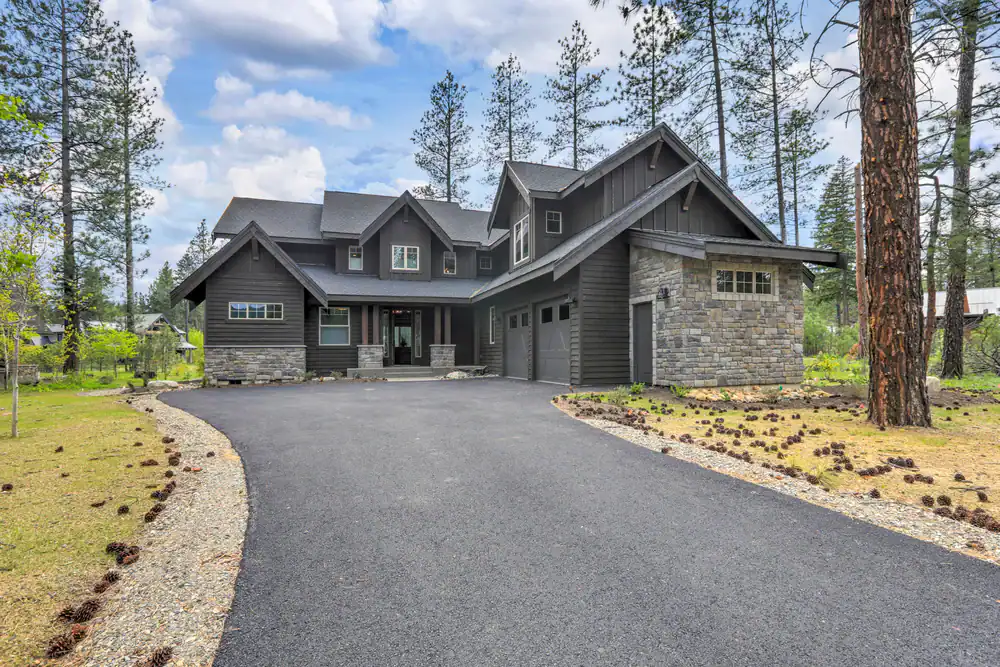

You stop worrying about water pooling near your foundation every time it rains. No more cracks spreading across the surface or sections sinking where your car sits.
Your property looks the way it should when you pull up. Clean lines, solid surface, no embarrassing potholes or patches that scream “I’ve been putting this off.”
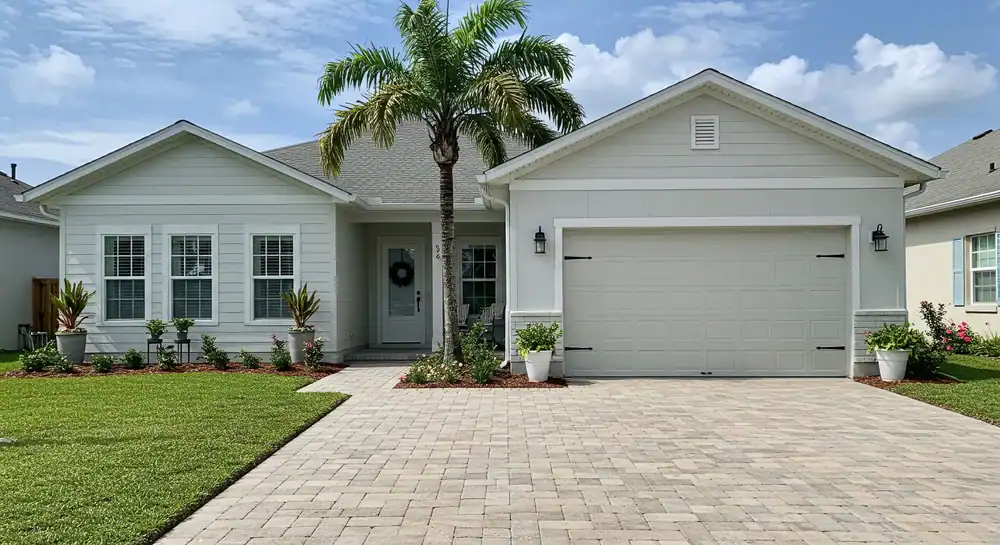
And you’re done throwing money at temporary fixes. A properly installed driveway—whether it’s paver, concrete, or brick—handles Long Island’s temperature swings without falling apart in three years. That’s what happens when the base is compacted right and drainage is built in from the start, not added as an afterthought.
We’ve been handling masonry projects across Long Island for over 15 years. We’re not just driveway contractors in Lake Ronkonkoma, NY—we do stonework, walkways, patios, and full property upgrades for homeowners who want it done once and done right.
Lake Ronkonkoma has a lot of homes built in the ’60s and ’70s. That means driveways that were poured decades ago, often without proper drainage or base prep. We’ve seen what happens when shortcuts get taken, and we’ve fixed plenty of them.
We’re BBB A+ rated, Angie’s List Super Service award winners, and we’ve earned that through consistent work. Not through marketing. Through showing up, doing the job correctly, and making sure it holds up.
We start by excavating 8 to 12 inches deep, depending on your soil and what material you’re using. This isn’t optional. Long Island has clay-heavy soil that shifts with freeze-thaw cycles, so if the base isn’t deep and compacted, your driveway will sink.
Next, we lay and compact a stone base in layers. This is where most problems start if it’s rushed. Proper compaction prevents settling, and it gives water somewhere to go instead of sitting under your driveway and cracking it from below.
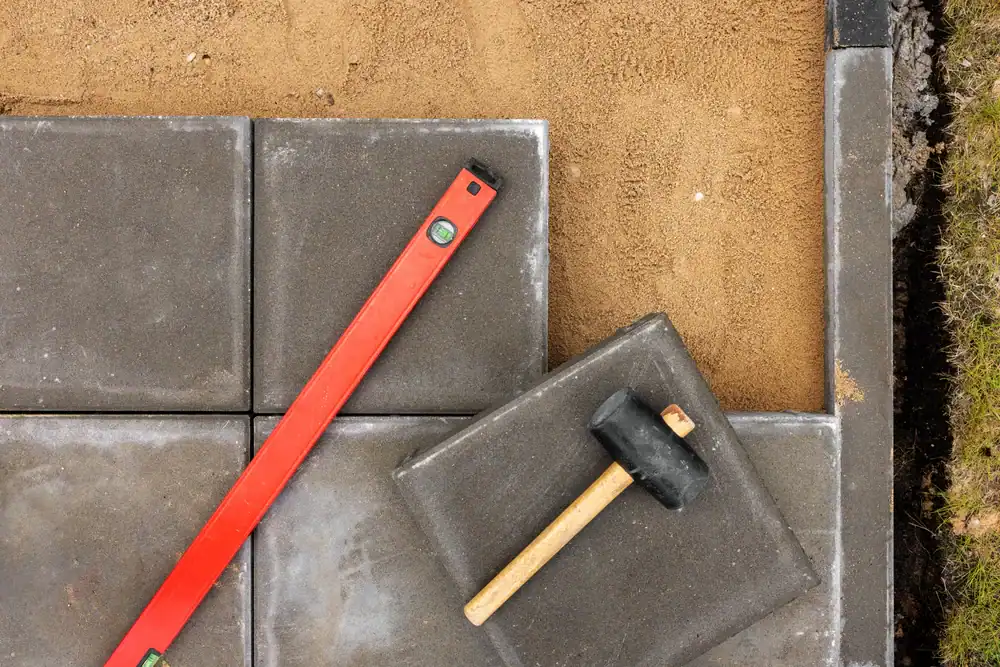
Then we install your surface—whether that’s asphalt, concrete, pavers, or brick. Each material has different requirements. Pavers need edge restraints and joint sand. Concrete needs control joints and proper curing time. We handle the details so you don’t have to worry about whether it was done right.
Finally, we grade everything to slope away from your house and add drainage if needed. You shouldn’t have water running toward your foundation or pooling in low spots. If your property has drainage issues, we address them during installation—not after the driveway starts failing.
Ready to get started?
You get full site prep, which means excavation, grading, and a compacted stone base built to handle Long Island’s soil conditions. We’re not pouring over dirt and hoping it holds.
We install your choice of material—asphalt, concrete, brick pavers, or cobblestone—and we’ll walk you through what makes sense for your property and budget. Pavers last 25 to 75 years if installed correctly. Concrete runs 20 to 30 years. Asphalt is cheaper upfront but needs resurfacing every 15 to 20 years. We’ll tell you what each option actually costs and what you’re getting for it.
If you want Belgian block borders or cobblestone aprons, we do that too. These aren’t just decorative—they define edges, prevent erosion, and add real curb appeal if you’re thinking about resale value. Lake Ronkonkoma home values are climbing, and a well-done driveway is one of the first things buyers notice.
We also handle sinking driveway repair in Lake Ronkonkoma, NY and driveway drainage solutions across Long Island. If your current driveway has issues, we’ll fix the cause, not just cover it up. That means addressing soil problems, adding proper drainage, and rebuilding the base if it’s compromised.
Most driveway installations take three to five days, depending on size and material. That includes excavation, base prep, material installation, and cleanup.
Weather can add time. If it rains during base prep, we wait for the ground to dry before compacting. Concrete needs several days to cure before you can drive on it. Pavers are faster—you can usually use them within 24 hours once the surface is set and sand is swept into the joints.
If we’re tearing out an old driveway or dealing with drainage problems, add a day or two. We’d rather take the extra time to do it right than rush and have you call us back in two years because it’s sinking.
Pavers handle freeze-thaw cycles better than anything else. They’re individual units, so they can shift slightly without cracking. If one breaks, you replace that piece—not the whole driveway.
Concrete is solid and lasts a long time if it’s poured with proper joints and a good base. It will crack eventually, especially with our temperature swings, but it holds up well for 20 to 30 years. Stamped or colored concrete gives you more design options than plain gray.
Asphalt is the most affordable and works fine if you’re okay with resurfacing every 15 to 20 years. It softens in summer heat and can develop ruts where you park, but it’s easy to repair and costs less upfront than other options.
Driveways sink because the base wasn’t compacted properly or because water is washing out the material underneath. Sometimes it’s both.
If the sinking is minor and the surface is still intact, we can lift and relay pavers or mud-jack concrete to level it out. But if the base is compromised or there’s an ongoing drainage problem, you’re better off rebuilding that section. Otherwise, it’ll just sink again.
We see this a lot in Lake Ronkonkoma, NY with older driveways that were installed without enough base material or proper drainage. The soil here doesn’t drain well on its own, so water sits under the driveway and erodes the base over time. Fixing it means addressing the drainage issue, not just patching the surface.
Asphalt runs $5 to $8 per square foot. Concrete is $7 to $14 per square foot. Brick or paver driveways cost $18 to $23 per square foot for professional installation in Nassau and Suffolk County.
Size matters. A standard two-car driveway is around 600 square feet, so you’re looking at $3,000 to $4,800 for asphalt, $4,200 to $8,400 for concrete, or $10,800 to $13,800 for pavers.
Add-ons like Belgian block borders, cobblestone aprons, or extra drainage work will increase the cost. But if your property has grading or water issues, skipping that work to save money now just means you’ll pay more later when the driveway fails. We’ll give you a written estimate that breaks down exactly what you’re paying for.
Usually, yes. Most towns in Suffolk County require a permit for driveway replacement, especially if you’re changing the size, material, or drainage.
The permit process isn’t complicated, but it does add time. The town needs to approve your plan and inspect the work to make sure it meets code for setbacks, drainage, and stormwater runoff. We handle permit applications as part of the job, so you don’t have to deal with it.
Skipping the permit might seem easier, but it can cause problems if you sell your house. Buyers’ attorneys and inspectors check for unpermitted work, and you’ll either have to get it permitted retroactively or rip it out. Not worth the risk.
Yes, and we should. If water pools on your driveway or runs toward your foundation, that needs to be fixed during installation—not after.
We grade the driveway to slope away from your house, usually at least a 2% grade. If your property has low spots or poor drainage, we’ll add catch basins, French drains, or channel drains to move water where it needs to go. Long Island gets heavy rain, and if your driveway doesn’t drain properly, you’ll end up with standing water, ice patches in winter, and eventual cracking from freeze-thaw damage.
Some properties need more extensive drainage work, especially if the yard slopes toward the house or if the soil doesn’t drain well. We’ll assess that during the estimate and tell you what’s needed. Fixing drainage costs more upfront, but it’s a lot cheaper than replacing a failed driveway in five years.
Other Services we provide in Lake Ronkonkoma