
You’re tired of patching the same cracks every spring. Watching sections sink near your garage. Dealing with water pooling because the drainage was never done right in the first place.
Here’s what changes when your driveway is installed correctly from the start. You stop worrying about foundation damage from water runoff. You’re not calling someone back out every two years for another repair that doesn’t hold. Your property looks the way it should, and you’re not embarrassed when people pull up.
Long Island’s weather is brutal on driveways. The freeze-thaw cycle alone will destroy anything that wasn’t built to handle it. That’s why we focus on proper base preparation, correct drainage solutions, and materials that actually work in this climate. Whether you need a concrete driveway installation in Suffolk County or paver driveway contractors in Melville, NY, the foundation matters more than what’s on top.
We’ve worked on over 200 homes across Long Island since 2003. We’re a family-owned business, and every job is handled by an owner. That means your project gets the attention it actually needs, not whatever’s left over after the crew moves on.
We’re fully licensed, insured, and bonded. We know Nassau County’s soil conditions, drainage patterns, and what happens when shortcuts get taken. Most of our work comes from referrals, which tells you something about how the finished product holds up.
If your driveway is cracked, sinking, or just outdated, we’ll walk you through what’s causing it and what it takes to fix it right. No upselling. No runaround. Just a straight answer about what you’re dealing with and what it costs to handle it correctly.
First, we come out and look at what you’re working with. We check the existing base, drainage, soil conditions, and any settling or erosion issues. If there’s a problem underneath, we tell you before it becomes your problem later.
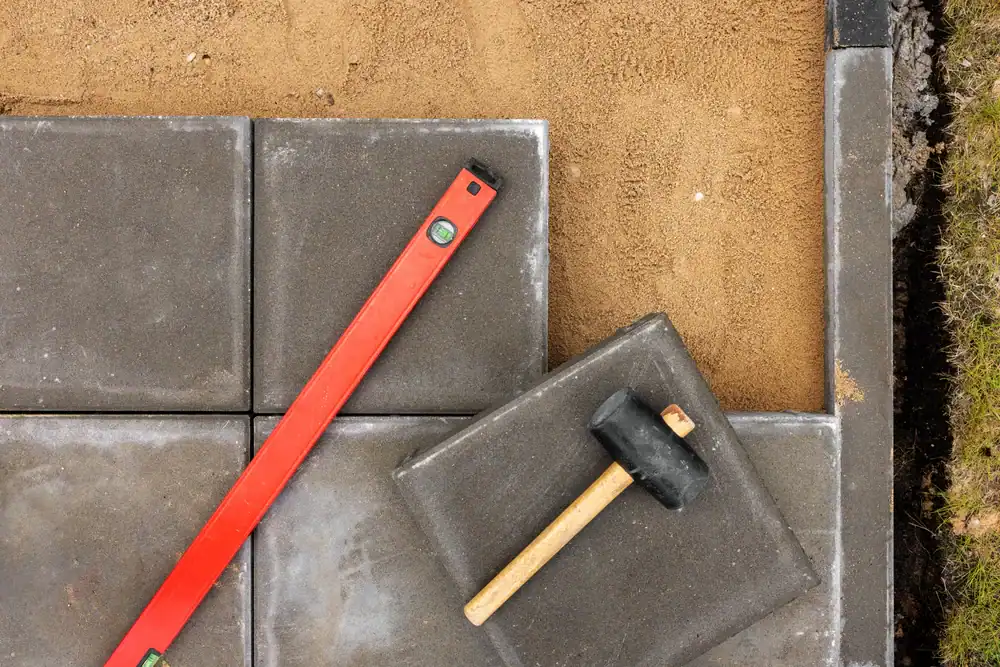
Next, we excavate to the right depth. That varies depending on your soil type and what material you’re using, but it’s not negotiable. Sandy soil in Suffolk County needs different prep than clay-heavy areas. We compact the base in layers, install proper drainage where needed, and make sure water moves away from your foundation.
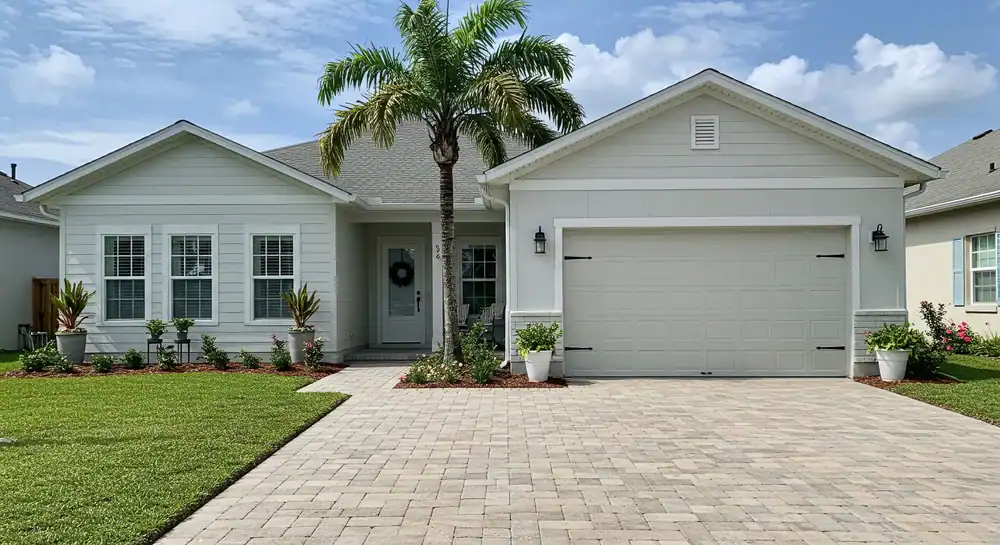
Then we install your driveway. Whether it’s asphalt, concrete, or pavers, the process matters. Brick driveway replacement and cobblestone driveway aprons in Nassau County require different techniques than poured concrete. We don’t rush the cure time, and we don’t cut corners on materials.
After it’s done, we walk you through maintenance. Asphalt needs resealing every few years. Pavers might need occasional re-leveling. Concrete can last decades if the base was done right. You’ll know exactly what to expect and when.
Ready to get started?
We handle every type of driveway material: asphalt, concrete, pavers, brick, cobblestone, and Belgian block borders in Suffolk County. If you want a heated driveway for snow melting, we can do that. If you need a full tearout because the base is shot, we handle that too.
You’re not limited to basic layouts. Paver driveways let you create custom patterns, borders, and aprons that actually look good. Cobblestone driveway aprons in Melville, NY add a classic look that holds up better than most modern materials. We’ll show you samples and explain what works best for your property and budget.
Drainage is part of every job. If your current driveway has standing water, erosion, or runoff issues, we fix that during installation. That might mean adding drains, regrading, or installing dry wells. It’s not optional—it’s how you prevent the same problems from coming back.
We also handle sinking driveway repair in Melville, NY and fixing cracked concrete driveways in Nassau County. Sometimes a full replacement isn’t necessary. We’ll tell you when a repair makes sense and when you’re just delaying the inevitable.
It depends entirely on the material and how it was installed. Asphalt driveways typically last 15-20 years with proper maintenance, which means resealing every 3-5 years and addressing cracks as they appear. Concrete can last 25-30 years if the base was prepared correctly and the mix was right for Long Island’s climate.
Paver driveways last the longest—anywhere from 25 to 75 years. Each paver can expand and contract independently, which is why they handle freeze-thaw cycles better than solid surfaces. European brick roads from the 1800s are still functional for this exact reason.
The base matters more than the surface material. If the excavation wasn’t deep enough, the compaction wasn’t done in layers, or drainage wasn’t addressed, even the best materials will fail early. That’s why we focus on what’s underneath before we talk about what’s on top.
Usually it’s one of three things: erosion, poor compaction, or heavy loads. Erosion is the most common culprit. Water washes away soil from underneath the driveway, creating voids that eventually cause sections to sink. This happens when gutters are clogged, downspouts drain onto the driveway, or the yard doesn’t slope away from the foundation.
Poor compaction during installation is the other big one. If the base wasn’t compacted in layers, it settles unevenly over time. Newer homes often have this issue because the ground is still settling from construction. Heavy vehicles make it worse by accelerating the process.
Sinking near the garage is particularly problematic because it can lead to foundation cracks and water intrusion. If you’re seeing this, it needs to be addressed before it causes structural damage. We excavate the affected area, fix the drainage issue, recompact the base properly, and reinstall that section. Ignoring it just makes the repair more expensive later.
Pavers are the most durable option for Long Island’s climate. They handle freeze-thaw cycles better than any solid surface because each unit moves independently. When water freezes and expands, the stress distributes across thousands of individual pieces instead of concentrating in one spot. That’s why you rarely see pavers crack the way concrete does.
Concrete is a solid middle option if it’s installed correctly. It lasts longer than asphalt and requires less maintenance, but it will crack eventually. The key is proper base preparation and control joints to manage where those cracks appear. Concrete also doesn’t need resealing like asphalt does.
Asphalt is the most budget-friendly upfront, but it requires the most maintenance. You’ll need to reseal it every 3-5 years, repair cracks regularly, and plan for replacement around the 15-20 year mark. The dark color does help melt snow faster in winter, which some homeowners prefer. It really comes down to your budget and how much ongoing maintenance you want to deal with.
First, we figure out where the water is coming from and where it’s trying to go. Sometimes it’s as simple as clogged gutters or downspouts dumping water directly onto the driveway. Other times the yard slopes toward the house instead of away from it, or the driveway itself was graded incorrectly.
If the driveway can be saved, we install drainage solutions like channel drains, French drains, or catch basins that redirect water away from the problem area. We might also regrade sections to change the slope. For properties with serious drainage issues, dry wells are often necessary to handle the volume of water during heavy rain.
If the drainage problem has already caused significant damage—like erosion under the driveway or foundation issues—a repair won’t cut it. You’re looking at a replacement where we address the drainage properly from the start. That means regrading the base, installing drainage infrastructure, and making sure water moves away from your foundation. It costs more upfront, but it’s the only way to actually solve the problem instead of managing symptoms.
If the cracks are isolated and the rest of the driveway is in good shape, repair makes sense. We’re talking about a few hairline cracks or one section that’s settled slightly. Those can be fixed without tearing everything out.
But if you’re seeing widespread cracking, multiple sunken areas, drainage issues, and you’re already 15-20 years into an asphalt driveway’s life, replacement is the smarter move. Here’s why: you’ll spend money repairing individual problems, and within a few years, new issues pop up. The base is failing, and no amount of surface repairs will fix that.
We’ll be straight with you about which makes sense. If a repair buys you another 5-7 years and you’re planning to move anyway, that might be the right call. If you’re staying long-term and the driveway has multiple issues, replacement saves you money and headaches over time. We’re not trying to upsell you—we’re trying to give you the option that actually makes sense for your situation.
Asphalt typically runs the lowest upfront cost, usually between $3-$7 per square foot depending on thickness and prep work. Concrete is more expensive, generally $8-$15 per square foot, but requires less maintenance over its lifetime. Pavers are the highest initial investment at $10-$25 per square foot, but they last the longest and are the easiest to repair.
Those numbers change based on your specific situation. If we need to remove an existing driveway, address drainage problems, or deal with difficult soil conditions, that adds to the cost. Properties that need significant excavation or regrading will be on the higher end. Simple replacements with good existing drainage are more straightforward.
The size of your driveway obviously matters too. A standard two-car driveway in Melville, NY is usually around 600-800 square feet. Add in aprons, turnarounds, or extra width, and you’re looking at more material and labor. We give you an exact number after we see your property and understand what needs to happen. No ballpark estimates that change later—just a clear price based on the actual scope of work.
Other Services we provide in Melville