

You’ve watched those cracks spread across your driveway for years. Water pools near your garage after every storm. The asphalt you paid to resurface five years ago is already breaking down again.
Here’s what changes when you work with local driveway contractors who understand Water Mill’s sandy soil and coastal conditions. Your new paver driveway lasts 50+ years instead of needing replacement every 15. Individual pavers can be swapped out if a delivery truck cracks one, so you’re not tearing up the whole entrance. Water drains properly instead of pooling and freezing into bigger problems each winter.
The difference shows up in your property value too. A properly installed driveway returns up to 70% of your investment when you sell. More importantly, you stop dealing with embarrassing cracks when guests pull up and constant repair bills that add up to more than doing it right once.
Bobby Bruno started Ageless Chimney in 2006 and still shows up to oversee your driveway project personally. That’s not standard in this industry, but it’s how we’ve operated for over 15 years across Suffolk County.
You won’t get a different crew showing up each day or work handed off to subcontractors who’ve never seen your property before. Bobby knows how Water Mill’s sandy soil affects base preparation and which paver materials hold up best in coastal weather. He’s completed thousands of driveway projects from Southampton to Westhampton, and the relationships last as long as the driveways do.
Most Water Mill homes sit on challenging soil conditions that require specific base work. We account for that from the start instead of discovering it halfway through and charging you more.
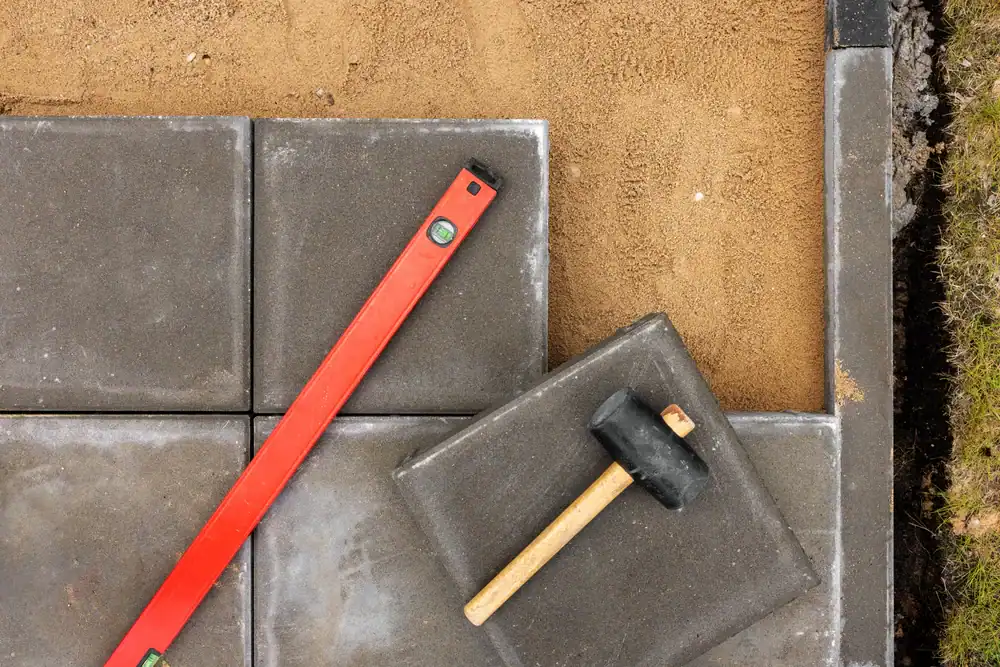
The process starts with evaluating your current driveway and the soil underneath. Water Mill’s sandy conditions mean the base layer determines whether your driveway lasts five years or fifty. We excavate down to stable soil, then build up a proper stone base that won’t shift or settle.
Next comes grading for drainage. Water needs somewhere to go that isn’t toward your foundation or pooling on the surface. We slope everything correctly and can install permeable pavers if your property has drainage issues or you want to meet environmental guidelines.
Then we lay the pavers or pour the concrete, depending on what you’ve chosen. For paver driveway projects, we add Belgian block borders at the street entrance for traction and visual definition. The entire installation typically takes two to three days for most driveways, weather permitting.
You can drive on concrete after about a week of curing. Pavers are ready immediately once we compact and seal them. Either way, you’re looking at a surface that handles Long Island winters without the cracking and heaving that comes with rushed installations or poor base work.
Ready to get started?
You’re choosing between pavers, poured concrete, or brick for your driveway replacement in Water Mill. Each works differently in coastal conditions.
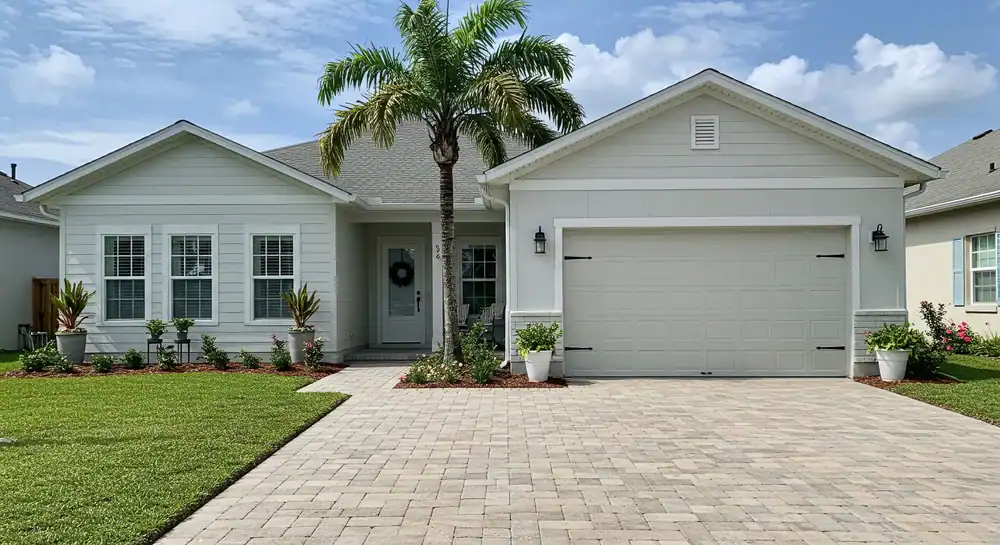
Pavers last the longest, typically over 50 years when installed correctly. They handle freeze-thaw cycles better than any other material because individual units can shift slightly without cracking. If one breaks, you replace that paver instead of resurfacing the whole driveway. We install permeable pavers too, which let water drain through instead of running off, solving drainage problems and meeting Water Mill’s environmental requirements.
Poured concrete costs less upfront and works well if your base is solid. It lasts 25-30 years in Suffolk County conditions. We can add decorative finishes, but you’re still looking at eventual cracking as the ground shifts underneath.
Brick and cobblestone driveway aprons make sense at the street entrance where you want traction and curb appeal. We often combine materials, using pavers for the main driveway and Belgian block borders for definition and durability at the transition to the street.
Many older Water Mill homes need driveway widening to fit modern vehicles. We handle that during replacement, matching new sections to your existing home’s style while upgrading the entire base and drainage system.
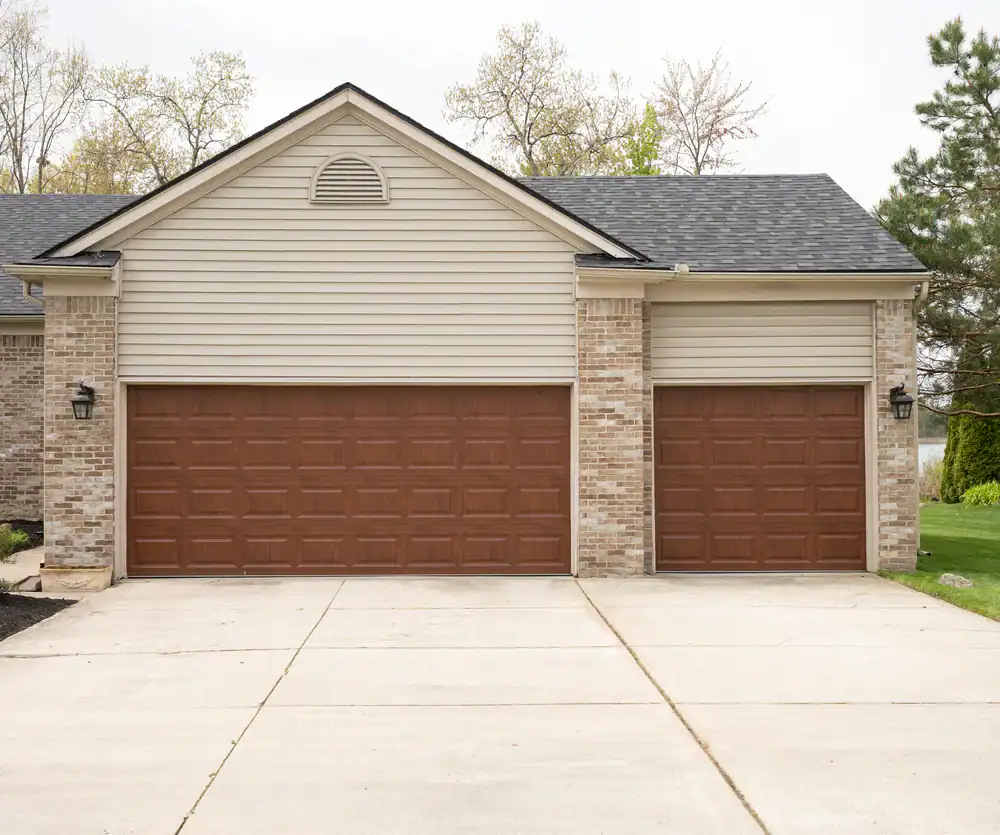
A properly installed paver driveway lasts 50+ years in Water Mill’s climate. Asphalt typically needs replacement after 15-20 years, sometimes sooner if your base wasn’t prepared correctly for the sandy soil conditions common here.
The difference comes down to how each material handles freeze-thaw cycles. Water seeps into asphalt, freezes, expands, and cracks the surface. That damage compounds every winter. Pavers flex individually without cracking, and if one does break from a heavy truck or settling, you replace that single paver instead of resurfacing everything.
Over 30 years, you’ll likely pay for two complete asphalt replacements. One paver installation costs more upfront but eliminates those future replacements. You’re also looking at minimal maintenance, just occasional re-sanding of joints and resealing every few years if you want to maintain the color.
Water Mill sits on sandy soil that shifts and settles more than dense clay or rocky ground. When your driveway base isn’t thick enough or properly compacted, the sand underneath migrates and creates voids. Your driveway sinks into those voids or cracks as it loses support.
Poor drainage makes this worse. Water that pools on your driveway eventually works its way down into the base layer. In winter, that water freezes and expands, pushing everything up. When it thaws, things settle unevenly. Repeat that cycle every year and you get the cracking and sinking most older driveways around here develop.
The fix isn’t just resurfacing. You need to excavate down to stable soil, install a proper stone base that’s at least 6-8 inches thick, compact it in layers, and grade everything so water drains away from your home. That’s the difference between a driveway that lasts and one that needs repair in five years.
Yes, but whether you should depends on the condition of your current driveway. If your existing surface is relatively new and the base is solid, we can excavate alongside it, prepare a new base for the extension, and match materials to blend everything together.
Most of the time though, if your driveway is old enough that you’re thinking about widening it, the existing section is also due for replacement. Many Water Mill homes were built when cars were smaller, so the driveways are too narrow for modern SUVs and trucks. When we’re already excavating and preparing base for the new section, it makes sense to redo the whole thing with proper drainage and a uniform base.
The cost difference between widening and full replacement isn’t as big as you’d think, because we’re already bringing in equipment and materials. You end up with a driveway that’s all the same age, with consistent drainage and no seam where old meets new that could crack or settle differently.
Regular pavers work fine for most Water Mill driveways. Permeable pavers make sense if you have drainage problems, your property sits in a low spot where water collects, or you want to meet environmental guidelines for water runoff.
Permeable pavers have wider joints filled with small stones instead of sand. Water drains through those joints into a stone base underneath, then gradually soaks into the ground instead of running off into the street or toward your foundation. They’re required for some new construction in Suffolk County and increasingly popular for properties near water where runoff regulations are stricter.
The downside is slightly higher cost and more maintenance. Those stone-filled joints need occasional topping off as material settles or washes out. For most homes, properly graded regular pavers with good drainage built into the base work better and cost less. We’ll look at your property’s specific drainage situation and recommend what actually makes sense instead of upselling you on permeable if you don’t need it.
Belgian block are thicker, heavier rectangular stones originally used for European streets. They’re typically granite, about 4×8 inches, and 7-8 inches deep. Regular pavers are thinner, usually 2-3 inches, and come in more colors and patterns.
We install Belgian block borders at the street entrance of your driveway because they handle the transition better. That’s where plows hit in winter, where the grade changes from street to driveway, and where you need extra traction when pulling out. Belgian block doesn’t shift or crack under that stress the way regular pavers or asphalt edges do.
The look is different too. Belgian block gives you that substantial, old-world entrance that stands out in upscale Water Mill neighborhoods. It defines your property line clearly and adds value because it’s a detail that shows quality. Most of our driveway installations include Belgian block aprons even when the main surface is regular pavers or concrete, because it solves practical problems and looks better than any alternative.
If you’re seeing widespread cracking, multiple sunken areas, or water pooling in several spots, you’re past the point where repairs make financial sense. Patching cracks and filling low spots might buy you another year or two, but you’re throwing money at a failing base that will keep deteriorating.
Look at the edges of your driveway too. If they’re crumbling or you can see the base material underneath, that’s a sign the whole structure is breaking down. Water intrusion has likely compromised the base layer, which means surface repairs won’t hold.
One or two isolated cracks from a settled utility line or a single sunken spot from a known cause might be worth repairing. But most driveways we see in Water Mill are 20+ years old, showing multiple problems, and built on inadequate bases that weren’t designed for modern vehicle weights or proper drainage. At that point, replacement costs less over time than ongoing repairs, and you get 50 more years instead of limping along for five.
Other Services we provide in Water Mill