

You’ve probably noticed the cracks spreading faster each year. That’s Long Island’s freeze-thaw cycle at work—water seeps in, freezes overnight, and expands with enough force to widen cracks you swear weren’t there yesterday.
When you’re patching the same spots every season, you’re not fixing the problem. You’re postponing it while spending money that could go toward a real solution.
A properly installed driveway handles what Long Island throws at it. The right base preparation, proper drainage, and materials that flex with temperature changes instead of fighting them. You get a surface that doesn’t become a maintenance project every spring, and your home’s curb appeal stops working against its value.
We started in 2003, and we’ve been handling driveway installation in Woodbury, NY and throughout Nassau County ever since. Every project gets managed by an owner, not handed off to whoever’s available that week.
Woodbury’s sandy soil presents challenges that out-of-area contractors don’t always understand. The base preparation here isn’t the same as other parts of the state. We know what works in this specific area because we’ve been doing it here for over two decades.
You’re working with a local driveway installation company that knows your neighborhood, understands the soil conditions, and has the BBB A+ rating and Angie’s List awards to back up what we’re saying.
First, we assess your current driveway and drainage situation. If water’s pooling or running toward your foundation, that gets addressed in the plan—not discovered halfway through the job.
Next comes excavation and base preparation. This is where most problems start or get prevented. Nassau County’s sandy soil needs specific compaction techniques and base materials. We’re not guessing at depth or skipping steps to save time.
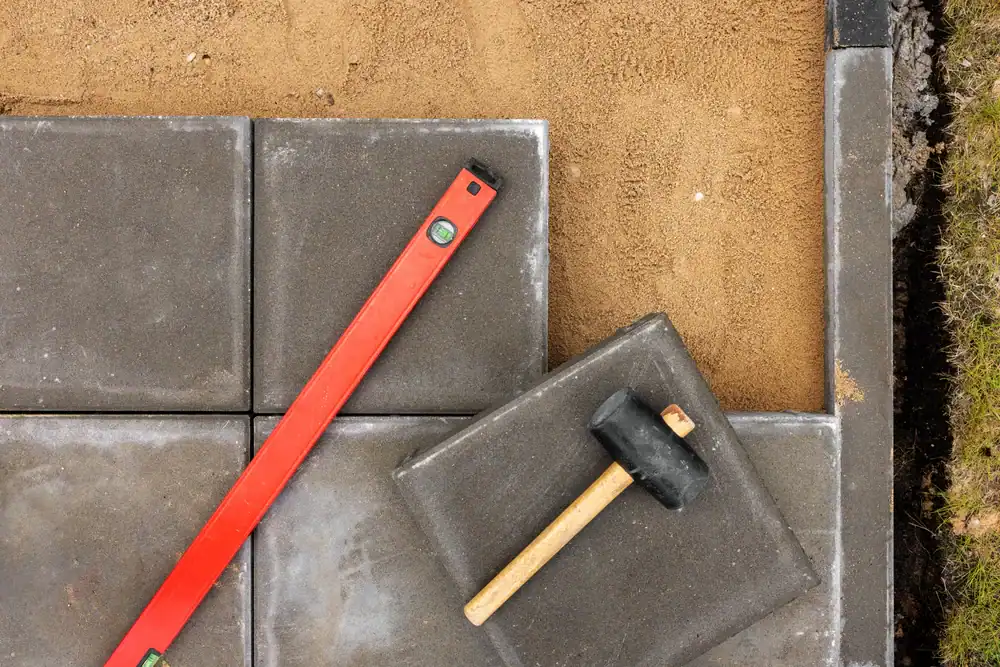
Then we install your chosen material—asphalt, concrete, pavers, brick, or stone. Each one has different requirements for Long Island’s climate. Asphalt needs proper temperature during installation and benefits from sealcoating. Concrete requires control joints placed correctly to manage cracking. Pavers need edge restraints that won’t shift during freeze-thaw cycles.
Finally, we handle grading and drainage to keep water moving away from both your driveway and foundation. You get a finished surface that’s ready to use, with a clear timeline for any follow-up work like sealcoating.
Ready to get started?
You’re getting a driveway built for Woodbury’s specific conditions. That means base preparation designed for sandy soil, drainage solutions that account for Long Island’s rainfall patterns, and materials chosen for their performance in freeze-thaw cycles.
We handle asphalt paving, concrete driveway installation in Suffolk County and Nassau County, brick driveway replacement, paver installations, cobblestone driveway aprons, and Belgian block borders. Each material gets installed according to what actually works here, not what the manufacturer’s generic guide suggests.
If you’re dealing with a sinking driveway repair situation, we address what’s causing the sinking—usually base failure or water infiltration—not just the visible symptom. Same with fixing cracked concrete driveways. We determine if it’s repairable or if you’re looking at replacement, and we’ll tell you straight which one makes financial sense.
For homes in Woodbury where property values average over $1 million, your driveway isn’t just functional—it’s part of your home’s first impression. We install driveway drainage solutions on Long Island that protect your foundation while keeping your driveway intact through seasonal changes.
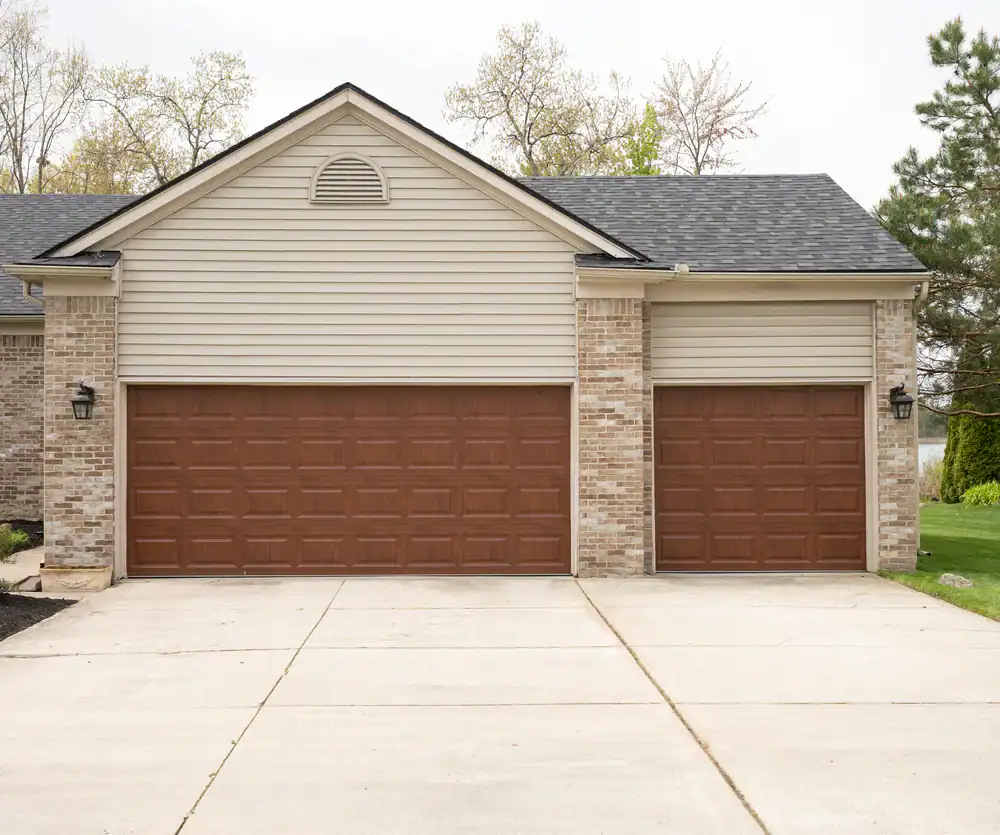
An asphalt driveway properly installed in Woodbury typically lasts 15-20 years with basic maintenance like sealcoating every few years. Concrete can go 25-30 years if the base is done right and control joints are placed correctly.
Paver and brick driveways often outlast both, sometimes 30-40 years, because individual units can flex with ground movement instead of cracking like a solid slab. The catch is they need proper edge restraints and base preparation, or you’ll see settling and weed growth between pavers.
Long Island’s freeze-thaw cycles are harder on driveways than in many other regions. Water infiltration is your biggest enemy—it gets into small cracks, freezes, expands, and turns minor damage into major problems in one winter. That’s why proper installation and drainage matter more here than in areas with milder climates.
Nassau County’s sandy soil and Long Island’s weather create a tough combination. Sandy soil doesn’t provide stable support without proper compaction and base materials. When contractors skip steps or use inadequate base depth, you get settling and cracking within a few years.
The freeze-thaw cycle accelerates everything. Water seeps into tiny cracks, freezes overnight when temperatures drop, and expands with tremendous force. That small crack becomes a major split by spring. This happens repeatedly throughout winter, which is why damage seems to appear overnight.
Poor drainage makes it worse. If water pools on or near your driveway, it’s constantly working its way into any weak points. Proper grading and drainage solutions keep water moving away from the surface, which dramatically extends your driveway’s lifespan. When we handle driveway drainage solutions on Long Island, we’re specifically addressing this issue before it becomes expensive.
If you’re seeing isolated cracks in one area and the rest of the driveway is solid, repair usually makes sense. But if you’ve got spiderweb cracking patterns, multiple sunken areas, or you’re patching something new every season, replacement is more economical.
Here’s the math: if repairs cost 40-50% of replacement and only buy you another 2-3 years, you’re better off replacing now. You’ll spend the money either way, but replacement gives you 15-30 years depending on material instead of a temporary fix.
Alligator cracking—those interconnected patterns that look like reptile skin—indicates base failure. You can patch the surface, but the underlying problem remains. That’s when fixing cracked concrete driveways means addressing what’s underneath, which often costs nearly as much as starting over with proper base preparation. We’ll assess your specific situation and tell you honestly which direction makes financial sense.
Asphalt costs less upfront and handles freeze-thaw cycles better because it flexes with temperature changes instead of cracking. It needs sealcoating every 2-3 years to maintain protection, and it typically lasts 15-20 years in Woodbury with proper care.
Concrete costs more initially but requires less maintenance—no sealcoating needed. It lasts longer, often 25-30 years, but it’s more prone to cracking in Long Island’s climate because it’s rigid. Once concrete cracks, repairs are more visible than asphalt patches.
For Woodbury homes, both work well if installed correctly. Asphalt makes sense if you want lower upfront costs and don’t mind periodic sealcoating. Concrete works if you prefer less maintenance and want a longer lifespan, accepting that some cracking is inevitable. Pavers and brick cost the most but offer the longest lifespan and easiest repairs—you replace individual units instead of patching or resurfacing the entire area.
Asphalt typically runs $7-13 per square foot installed, depending on base preparation needs and site access. Concrete costs $10-18 per square foot. Pavers and brick range from $15-30 per square foot because of the labor involved in proper installation.
A standard two-car driveway in Woodbury (roughly 600 square feet) runs $4,200-7,800 for asphalt, $6,000-10,800 for concrete, or $9,000-18,000 for pavers. These ranges account for proper base preparation, which you can’t skip in Nassau County’s sandy soil without problems showing up quickly.
If you’re dealing with drainage issues, poor soil conditions, or need significant excavation, costs increase. But addressing these issues during installation costs far less than fixing foundation damage or replacing a failed driveway in five years. We provide free estimates that break down exactly what you’re paying for, so you can make an informed decision about materials and scope.
Yes, but the approach depends on what’s causing the sinking. If it’s minor settling in one area and the base is otherwise solid, we can sometimes lift and level that section. If the base has failed or water infiltration has compromised the foundation, you’re looking at removal and proper reinstallation.
Sinking usually indicates base problems—either inadequate compaction during original installation, water washing away base materials, or both. Lifting the surface without fixing the underlying cause just delays the inevitable. You’ll see sinking again within a year or two.
We assess the extent of damage and give you honest options. Sometimes sinking driveway repair means replacing just a section with proper base work. Other times the most cost-effective solution is full replacement, especially if you’re already dealing with cracking, drainage issues, or other problems alongside the sinking. We’ll walk you through what makes sense for your specific situation and budget.