I highly recommend these guys. (Bob/Christian)They came right on time and were extremely neat and professional. They did a great job at a reasonable price.
Tommy Glenn
I have been using Bobby and Sherwood for years. I highly recommend them. They did chimney repair and chimney sweep. Great work, great guys.
Ingrid V.
Highly recommend Ageless chimney. They were polite, professional and got the job done in one day, left my property as clean as they found it. Very happy!
Brian Nolin
Outstanding work, great service, and extremely reliable!!
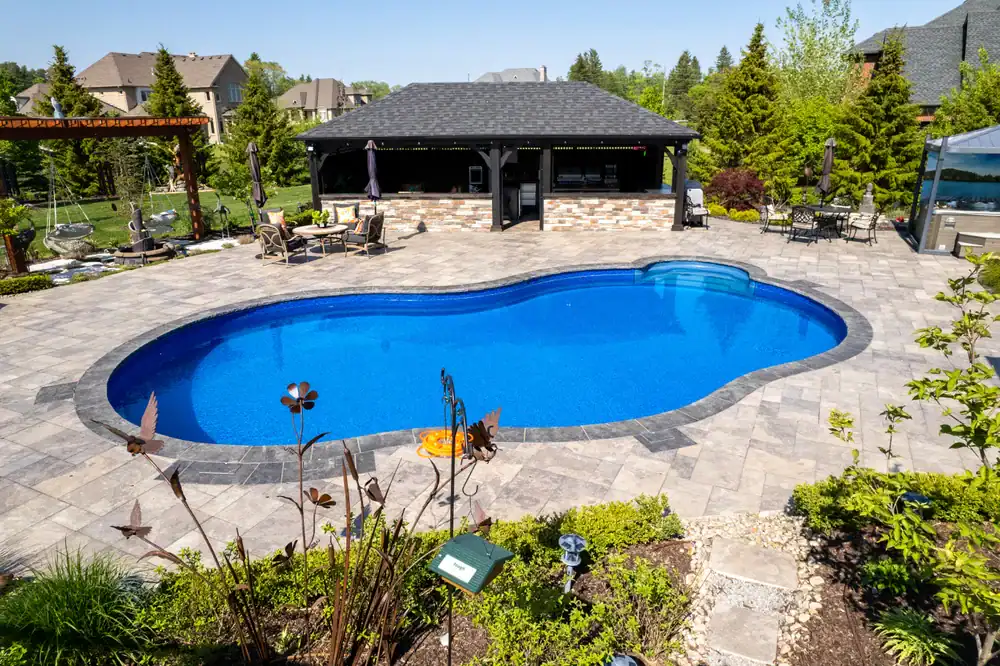
Pool Deck Pavers Hauppauge NY
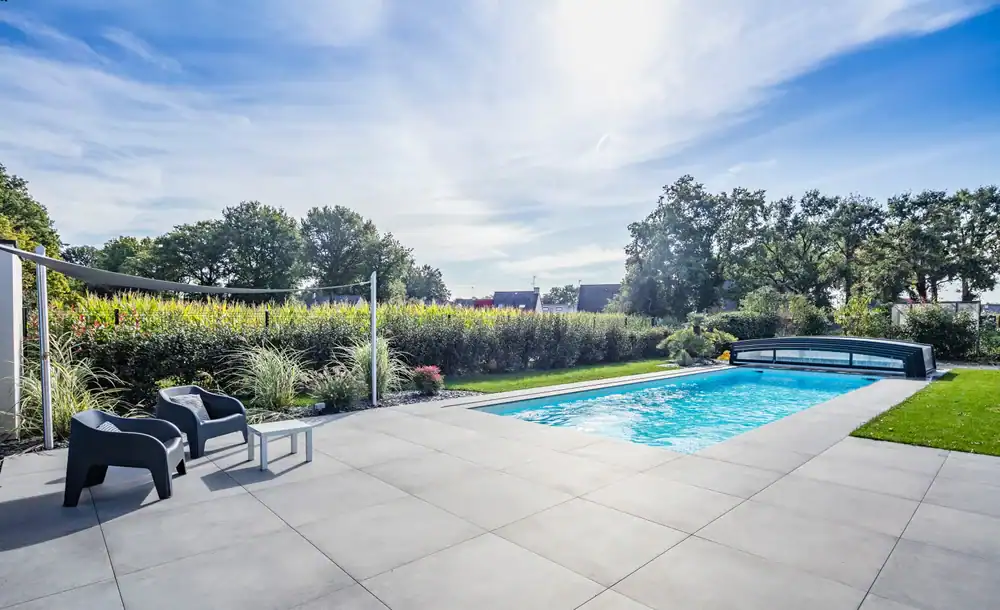
Your Pool Area Becomes Truly Usable
No more slippery accidents waiting to happen. No more water pooling where kids are running around barefoot.
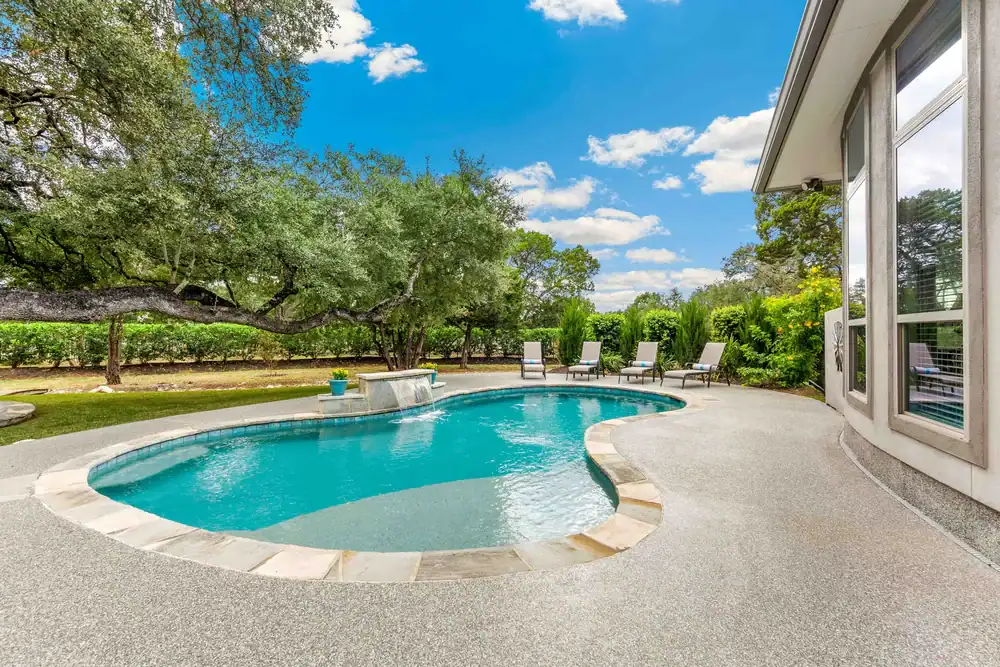
Your pool deck becomes the safe, beautiful space it should be. Proper drainage means water flows away instead of creating hazards. Non-slip surfaces give you confidence whether the deck is wet or dry.
You get a pool area that actually enhances your property value instead of becoming a liability concern. The kind of outdoor space where you can relax knowing everyone’s safe.
Pool Paver Contractors Hauppauge
We Know Hauppauge Pool Challenges
We’ve been serving Long Island homeowners since 2006, and we’ve seen what happens when pool decks aren’t done right. Standing water, slippery surfaces, cracked pavers that become trip hazards.
In Hauppauge’s climate, drainage isn’t optional—it’s critical. We’ve installed pool patio pavers throughout Suffolk County, and we understand the soil conditions and water management needs specific to your area.
Our team brings masonry expertise that goes beyond just laying pavers. We’re licensed, insured, and focused on installations that last decades, not just seasons.
Pool Patio Installation Hauppauge
The Right Way From Day One
First, we assess your pool area’s drainage needs and soil conditions. This isn’t guesswork—proper base preparation prevents the shifting and settling that cause problems later.
Next, we install the proper base layers with correct grading for water flow. The pavers go in with attention to spacing and joint filling that locks everything in place.
Finally, we test the drainage and make sure water flows where it should. You get a pool deck that’s built to handle Hauppauge’s weather patterns and your family’s daily use.
Slip-resistant surfaces designed for wet conditions. We use textured pavers that provide grip without being rough on bare feet—important when you’re dealing with pool areas.
Proper drainage systems that prevent water pooling. This means strategic grading and, when needed, drainage channels that direct water away from walking surfaces.
Pool coping that integrates seamlessly with your deck pavers. The transition from pool edge to deck becomes both safe and attractive, with materials that stay cool even on hot Long Island summer days.
What makes pool pavers safer than other pool deck options in Hauppauge?
The key is texture and drainage working together. Quality pool pavers have slip-resistant surfaces that provide traction even when wet, unlike smooth concrete that becomes dangerous around pools.
But texture alone isn’t enough. Proper installation with correct grading allows water to flow away from the deck surface instead of pooling. This prevents the standing water that creates slip hazards and keeps your pool area safer for everyone.
We also use materials that stay cooler underfoot compared to dark concrete or stone, which matters when people are walking around barefoot on hot summer days.
How do you handle drainage issues with pool patio pavers?
Drainage starts with the base preparation, not the pavers themselves. We create proper grading that directs water away from the pool and walking areas before any pavers go down.
The paver installation includes strategic spacing that allows water to flow between pavers when needed. For areas with drainage challenges, we incorporate drainage channels or permeable pavers that let water pass through the surface.
This approach prevents the water pooling problems that plague many pool decks in our area. You end up with a deck that stays drier and safer, even after heavy Long Island storms.
Can you replace sections of cracked pool deck with pavers?
Yes, and this is actually one of the advantages of paver systems. Individual pavers can be replaced without tearing up the entire deck, unlike concrete slabs that crack and require major repairs.
We assess the existing deck structure and drainage to determine the best approach. Sometimes we’re working around existing pool coping, other times we’re replacing the coping as part of the project.
The key is matching the new paver section to proper drainage patterns and ensuring the base is stable. Done correctly, the repaired section performs better than the original deck and integrates seamlessly with your pool area.
What types of pool coping work best with paver decks?
Pool coping needs to handle the transition from pool edge to deck while managing water flow and providing safe footing. We typically recommend coping with rounded edges that won’t snag swimwear or cause injuries.
Materials like natural stone or concrete coping integrate well with paver decks and can be designed to direct water away from the pool edge. The coping should complement your paver choice while providing the functionality your pool needs.
Proper coping installation also prevents water from getting behind the pool shell, which can cause structural problems over time. It’s not just about appearance—it’s about protecting your entire pool investment.
How long do pool patio pavers last in Long Island weather?
Quality pavers properly installed can last 20 to 50 years or more, depending on the material. Travertine and natural stone pavers often outlast concrete options, but all quality pavers handle Long Island’s freeze-thaw cycles better than poured concrete.
The key is proper base preparation and drainage. Pavers that shift due to poor installation will have problems within a few years, regardless of material quality.
We use installation methods that account for our local soil conditions and weather patterns. This means your pool deck maintains its appearance and safety features for decades, not just the first few seasons.
Do pool pavers require special maintenance around chlorinated water?
Pool pavers handle chlorinated water better than many other materials, but some maintenance helps preserve their appearance. Natural stone pavers may benefit from periodic sealing to resist chemical staining.
The bigger maintenance issue is usually keeping the joints between pavers clean and stable. Pool chemicals and frequent water exposure can affect joint sand over time, so occasional re-sanding may be needed.
Most quality pavers are designed to resist pool chemicals, UV exposure, and constant moisture. Regular cleaning with appropriate products keeps them looking good and performing safely around your pool area.