
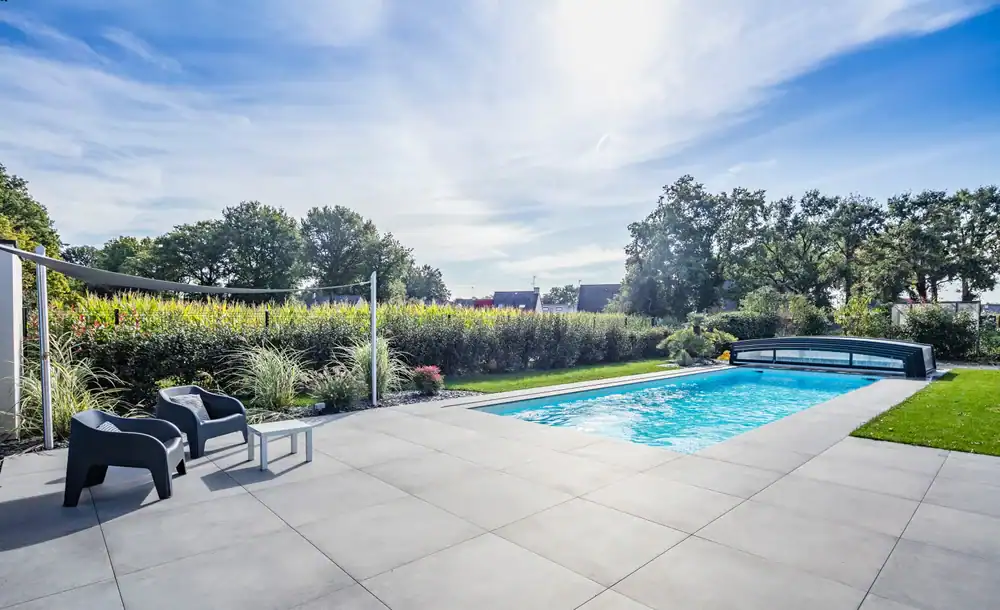

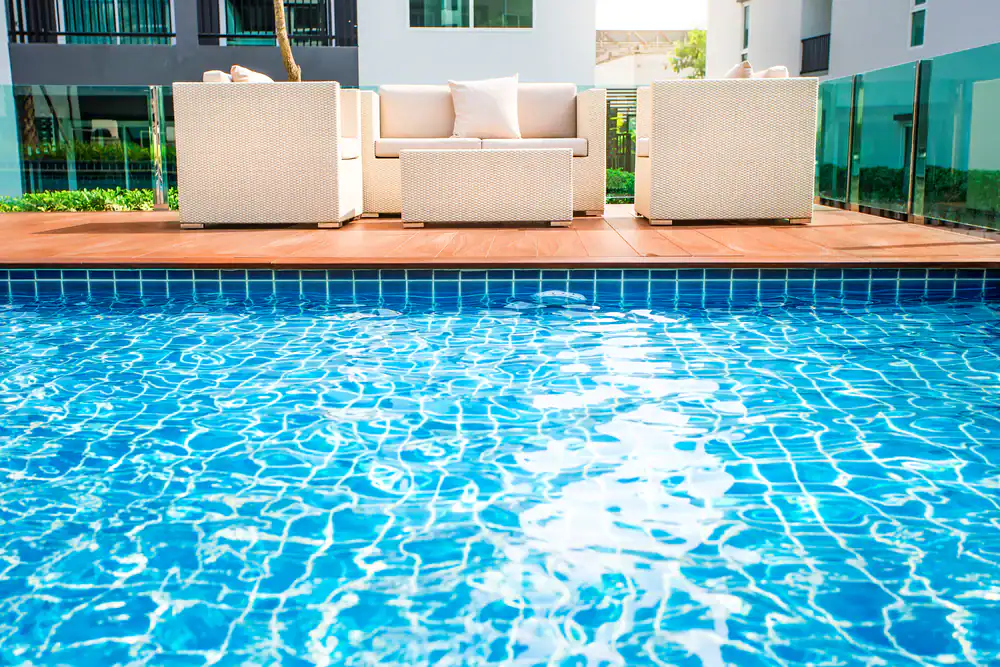
Your pool should be a place of relaxation, not worry. When your pool deck is cracked, slippery, or just plain ugly, it becomes a liability instead of an asset.
Professional pool patio pavers solve these problems permanently. You get a surface that’s designed specifically for wet environments—non-slip textures that keep everyone safe, proper drainage that prevents water damage, and materials built to handle Long Island’s coastal weather without cracking or fading.
The result? A pool area that actually adds value to your home instead of detracting from it. Your family can enjoy the pool without safety concerns, and you can host gatherings with confidence knowing your outdoor space looks as good as it performs.
We’ve been serving Long Island homeowners since 2006, and we understand what works in Westhampton’s unique coastal environment. Our founders, Bobby Bruno and Sherwood Adams, built this company on the principle that every job deserves an owner’s attention—which is why you’ll find one of us on every project.
We’ve seen how Long Island’s salt air, freeze-thaw cycles, and heavy summer rains can destroy poorly installed pool decks. That’s why we use proven installation techniques and materials specifically chosen for our local climate.
Westhampton homeowners choose us because we’re not just another contractor passing through. We live here, work here, and stand behind our work long after the project is complete. When you call us for service down the road, you’re calling neighbors who care about our reputation in the community.
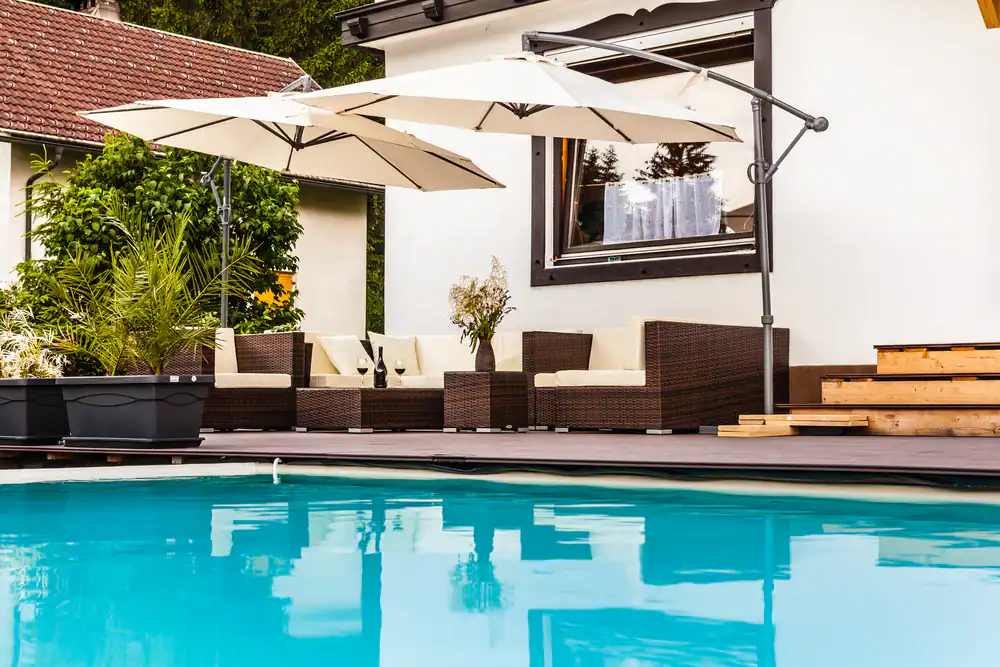
We start with a comprehensive site evaluation where we assess your existing pool deck, drainage patterns, and any underlying issues that need addressing. This isn’t a quick walk-around—we’re looking at soil conditions, checking for proper slopes, and identifying potential problems before they become expensive surprises.
Next comes the foundation work that separates professional installations from weekend DIY disasters. We excavate to the proper depth, install a compacted gravel base, and create the precise grading needed for water to flow away from your pool and house. This step takes time, but it’s what keeps your pavers level and crack-free for decades.
The paver installation itself involves careful attention to joint spacing, edge restraints, and final compaction. We use polymeric sand that locks everything in place while still allowing for natural expansion and contraction. Finally, we clean the entire surface and provide you with maintenance guidelines so your investment stays beautiful.
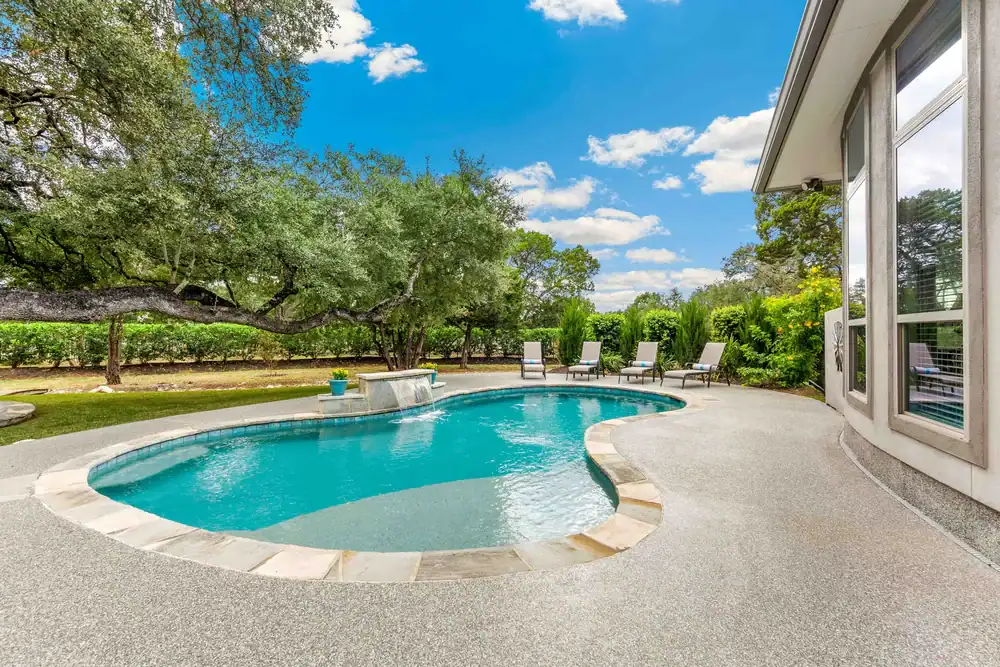
Ready to get started?
Every pool patio paver project includes professional-grade materials specifically chosen for Long Island’s coastal environment. We use concrete pavers with textured surfaces for slip resistance, or natural stone options like bluestone that provide excellent grip even when wet.
Our installations include proper drainage systems designed for Westhampton’s specific challenges—including the area’s proximity to water and the heavy rains that can overwhelm poorly designed pool decks. We install drainage channels where needed and ensure proper slopes to direct water away from both your pool and your home’s foundation.
In Westhampton, we see unique challenges that inland contractors often miss. The salt air requires specific sealing techniques, and the sandy soil conditions need special base preparation methods. We also coordinate with local building departments to ensure all work meets current codes—something that’s especially important given the recent updates to Long Island’s stormwater management requirements.
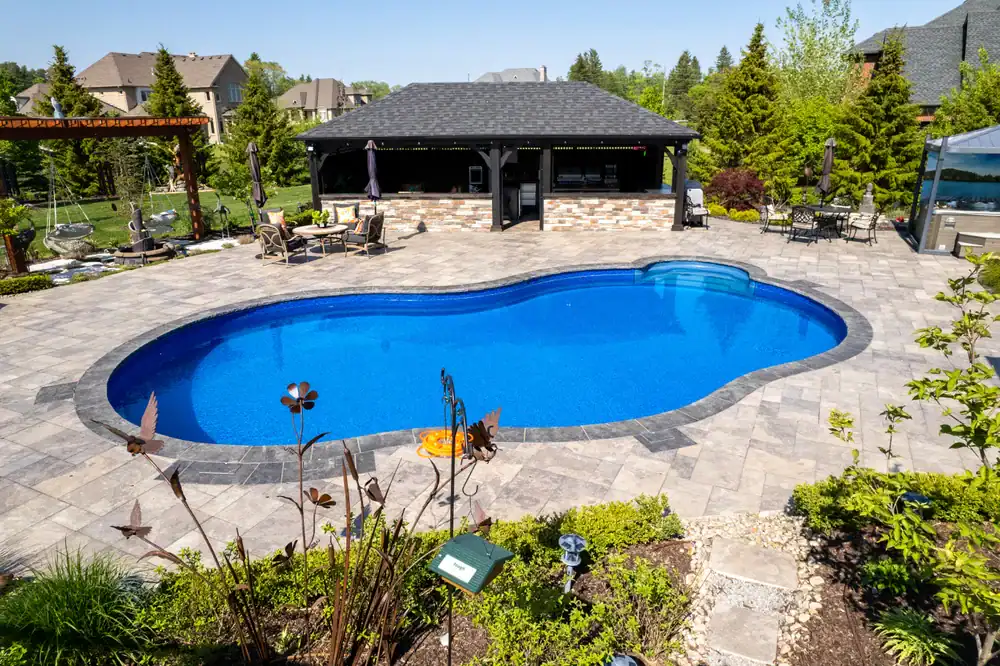
Pool pavers offer several safety advantages over poured concrete. First, they’re manufactured with textured surfaces specifically designed for slip resistance—even when wet. Concrete, especially when smooth, becomes dangerously slippery around pools.
Pavers also handle temperature changes better than concrete. They expand and contract individually, which prevents the large cracks that make concrete pool decks both ugly and hazardous. When a paver does get damaged, you can replace just that piece instead of jackhammering and repouring entire sections.
The joint lines between pavers also provide additional grip and help channel water away from the surface. This drainage capability is crucial around pools where standing water creates slip hazards and can damage the underlying structure over time.
Proper drainage starts with understanding Westhampton’s unique conditions—sandy soil, proximity to water, and the area’s specific rainfall patterns. We begin every project by evaluating the existing drainage and identifying where water naturally wants to flow.
The installation includes creating a slight slope away from the pool (typically 1/4 inch per foot) so water moves off the surface quickly. We also install drainage channels along the pool perimeter when needed, and ensure these connect to existing storm systems or appropriate discharge areas.
In Westhampton, we pay special attention to the interface between the pool deck and your home’s foundation. Poor drainage here can cause serious structural problems, so we use proven techniques to direct water away from the house while maintaining the aesthetic appeal of your outdoor space.
For Long Island’s coastal environment, we typically recommend concrete pavers or natural stone options like bluestone. Concrete pavers are manufactured to consistent standards and handle salt air exposure well when properly sealed. They’re also available in slip-resistant textures that work perfectly around pools.
Bluestone is another excellent choice—it’s quarried locally, stays naturally cool underfoot, and provides excellent slip resistance. It also complements the traditional Long Island aesthetic that many Westhampton homeowners prefer.
What we avoid are materials that don’t handle freeze-thaw cycles well or become dangerously slippery when wet. We also steer clear of pavers that require constant maintenance in our salt air environment. The goal is a surface that looks great and performs safely for decades with minimal upkeep.
Most pool patio paver installations in Westhampton take 3-5 days, depending on the size and complexity of the project. This includes time for proper excavation, base preparation, paver installation, and final cleanup.
Weather can affect the timeline, especially during Long Island’s unpredictable spring and fall seasons. We don’t rush installations to meet artificial deadlines—proper base preparation and curing time are essential for long-term performance.
We also coordinate with local building departments when permits are required, which can add a few days to the overall timeline. However, this upfront planning prevents problems later and ensures your installation meets all current codes. Most homeowners find the temporary inconvenience well worth it for a pool deck that will last decades.
Yes, we handle complete pool renovation projects including coping replacement, paver installation, and drainage improvements. Pool coping—the finished edge around your pool—often needs updating when you’re installing new decking, especially if the existing coping is cracked or doesn’t match your new design.
We work with various coping materials including natural stone, precast concrete, and brick to complement your new paver installation. The key is ensuring proper integration between the coping and decking so water drains correctly and the finished appearance is seamless.
This integrated approach is especially important in Westhampton where pool renovations often need to address multiple issues simultaneously. Rather than patching problems piecemeal, we develop comprehensive solutions that address drainage, safety, and aesthetics in one coordinated project.
Pool pavers in Long Island’s coastal environment need regular but straightforward maintenance. The most important task is keeping the surface clean of organic debris that can create slippery conditions or stain the pavers.
Annual sealing helps protect against salt air exposure and makes routine cleaning easier. We use sealers specifically designed for pool environments that won’t create slippery surfaces when wet. The joint sand may need refreshing every few years, especially after harsh winters.
Long Island’s freeze-thaw cycles can occasionally shift individual pavers, but this is easily corrected by releveling the affected pieces. This is one advantage pavers have over concrete—individual repairs instead of major reconstruction projects. Most homeowners find that spending a few hours each spring on basic maintenance keeps their pool deck looking and performing like new for decades.
Other Services we provide in Westhampton