Wood and gas fireplaces need different chimney care approaches. Understanding these differences helps you maintain safety and avoid costly repairs.
Share:
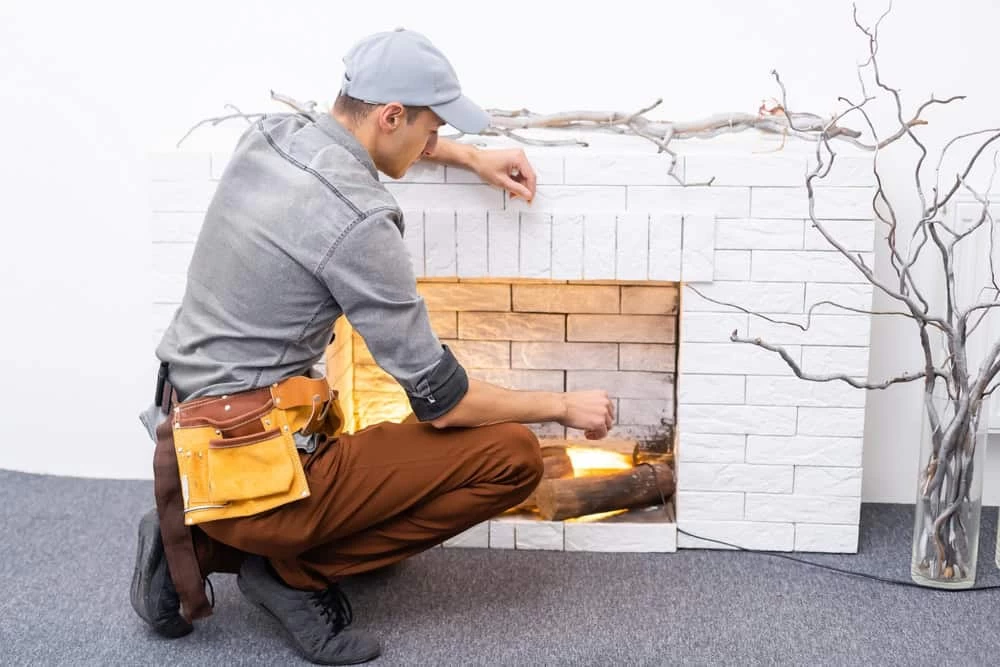
Wood-burning fireplaces are the high-maintenance option, but for good reason. Every time you burn wood, you’re creating creosote—a tar-like substance that builds up inside your chimney liner . This isn’t just messy; it’s flammable.
Creosote accumulation varies based on what you burn, how often you use your fireplace, and even how you operate it. Burn green wood or frequently dampen your fires, and you’ll create more creosote faster. This is why wood-burning chimneys need more frequent attention than their gas counterparts.
The byproducts don’t stop at creosote. You’re also dealing with ash, soot, and debris that can block your chimney or create airflow problems. These issues compound over time, which is why consistent maintenance matters more than trying to catch up after years of neglect.
Wood-burning fireplaces need annual chimney cleaning and inspection, minimum. If you use your fireplace heavily during Long Island’s colder months, you might need cleaning twice per year.
The National Fire Protection Association recommends cleaning when creosote buildup reaches 1/8 inch thickness. Most homeowners can’t measure this themselves, which is why annual professional inspections make sense. A qualified chimney sweep can assess buildup levels and recommend cleaning frequency based on your actual usage patterns.
Don’t assume light usage means you can skip years between cleanings. Even occasional wood burning creates some creosote, and Long Island’s humidity can accelerate deterioration of chimney components. Animals and weather debris also accumulate over time, regardless of how often you light fires.
Your chimney inspection should cover the firebox, damper, smoke chamber, flue liner, and exterior chimney structure. Wood burning creates more wear on all these components compared to gas, so thorough annual inspections help catch problems while they’re still manageable.
The cost of annual cleaning and inspection is significantly less than repairing fire damage or rebuilding a chimney that’s been neglected. Most Long Island homeowners find that consistent maintenance actually reduces their long-term chimney expenses.
Creosote fires are the most serious risk with wood-burning fireplaces. These fires burn extremely hot—often over 2000 degrees—and can crack your chimney liner or even spread to your home’s structure. You might not even realize a creosote fire has occurred, as some burn out quickly but still cause hidden damage.
Chimney blockages happen more frequently with wood burning due to debris, animal nests, and heavy creosote buildup. A blocked chimney forces smoke and carbon monoxide back into your home instead of venting safely outside. This is why proper cleaning and inspection can’t be skipped.
Water damage accelerates with wood-burning systems because the acidic byproducts from wood combustion make your chimney more susceptible to moisture problems. Long Island’s coastal climate already creates humidity challenges, and wood burning compounds these issues.
Your chimney cap and spark arrestor need more frequent attention with wood burning. Flying sparks can damage these components, and heavy use can cause faster deterioration. These aren’t expensive parts, but ignoring them can lead to water intrusion or fire hazards.
Flue liner damage occurs more rapidly with wood burning due to the corrosive nature of wood combustion byproducts. Clay liners can crack from repeated heating and cooling cycles, while metal liners can corrode. Either problem affects your chimney’s ability to safely vent combustion gases.
Gas fireplaces burn cleaner than wood, but they’re not maintenance-free. Gas combustion produces water vapor and carbon dioxide, which create different challenges for your chimney system. The lower combustion temperatures mean less dramatic wear, but specific issues still develop over time.
Many Long Island homeowners assume gas fireplaces don’t need chimney attention, but this misconception can lead to safety problems. Gas appliances still need proper venting, and their chimney systems require inspection and occasional cleaning, just on a different schedule than wood-burning units.
The biggest difference is what you’re maintaining. Instead of removing creosote, you’re checking for proper ventilation, gas leaks, and ensuring combustion air flows correctly. These issues are less visible than soot buildup but equally important for safe operation.
Gas fireplaces need annual safety inspections, but chimney cleaning can typically be done every 2-3 years unless you notice specific problems. The inspection should cover gas connections, venting systems, and combustion air supply—different priorities than wood-burning units.
Your gas fireplace inspection should include checking the gas line connections, testing the thermocouple and other safety devices, and ensuring proper ventilation. These components can fail gradually, creating carbon monoxide risks that aren’t immediately obvious to homeowners.
The chimney cleaning for gas units focuses on removing any debris, checking for animal intrusion, and ensuring the venting system operates correctly. You won’t have creosote buildup, but birds, leaves, and other debris can still block proper airflow.
Long Island’s coastal environment can accelerate corrosion in gas fireplace venting systems, especially if your unit uses metal venting components. Salt air affects metal components over time, which is why annual inspections matter even for gas units.
Don’t skip the annual inspection just because cleaning isn’t needed every year. Gas leaks and ventilation problems can develop between cleanings, and these issues pose immediate safety risks. The inspection cost is minimal compared to the safety assurance it provides.
Carbon monoxide risks are actually higher with poorly maintained gas fireplaces because the signs are less obvious than with wood burning. You won’t see visible smoke or smell creosote, but improper venting can still allow dangerous gases into your home.
Condensation problems occur more frequently with gas fireplaces because combustion produces significant water vapor. This moisture can cause deterioration in your chimney system, especially if your flue liner isn’t properly sized for your gas appliance.
Venting system failures can happen when gas appliances are connected to chimneys originally designed for wood burning. The lower temperatures from gas combustion can create draft problems in oversized chimneys, leading to poor ventilation and potential safety issues.
Your gas fireplace’s pilot light and safety systems need regular attention. These components can fail gradually, creating situations where gas continues flowing even when it’s not burning properly. Annual inspections catch these problems before they become dangerous.
Improper installation or modifications can create ongoing problems with gas fireplace chimney systems. If previous owners made changes to your gas fireplace or venting system, professional inspection ensures everything meets current safety codes and operates correctly.
Your fireplace type determines your maintenance schedule, but your usage patterns and Long Island’s climate affect the specifics. Heavy users need more frequent attention regardless of fuel type, while occasional users can often extend intervals slightly.
The key is working with a chimney cleaning Long Island that understands both wood and gas systems and won’t try to sell you services you don’t need. Wood-burning units need annual cleaning and inspection, while gas units need annual inspection with less frequent cleaning.
When you’re ready for professional chimney service, we at Ageless Chimney provide honest assessments and maintenance recommendations based on your specific fireplace type and usage patterns. We’ll help you understand exactly what your system needs and when you need it.
Article details:
Share:
Continue learning: