Learn the critical warning signs that indicate your chimney needs professional repair before small problems become expensive emergencies.
Share:
Your chimney masonry Long Island often warns you about problems before they become emergencies. Look for that chalky white powder we call efflorescence—basically mineral fingerprints from moisture traveling through your chimney system.
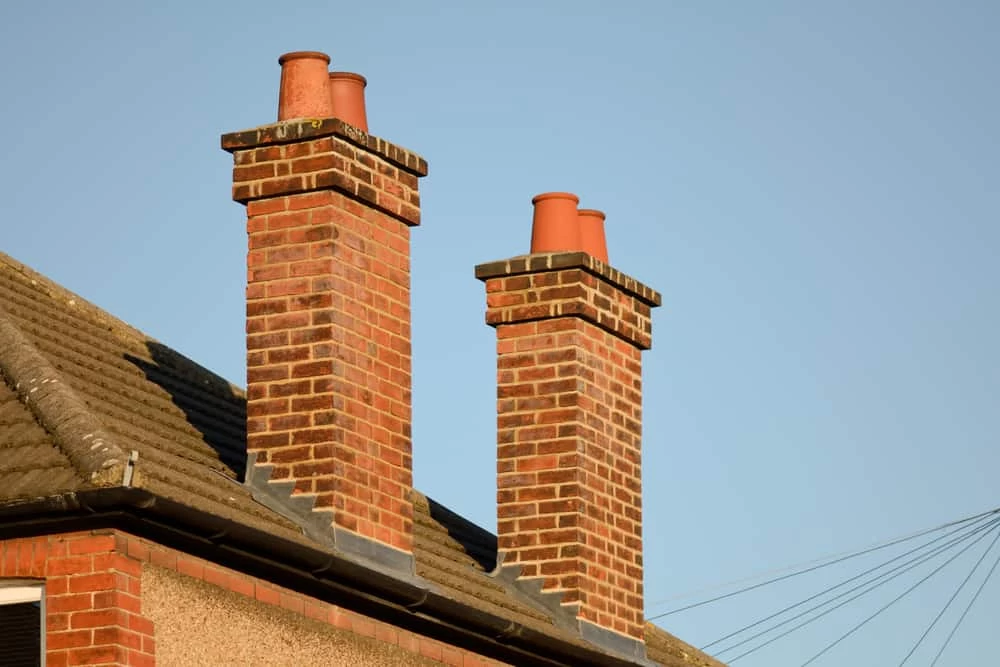
The most common signs include damaged mortar, chipped or falling bricks, cracked chimney crown, and cracked flue tiles. You don’t need to climb on your roof to spot many of these issues. A simple visual inspection from your yard can reveal cracks, loose bricks, or white staining that signals trouble brewing.
That innocent little crack today could mean big repair bills tomorrow. A cracked chimney crown or spalling bricks can easily cost $1,000 to repair, and if left untreated, damage can accelerate quickly and cost upward of $3,000.
Do you have white stains on your chimney? The term for this is efflorescence. These salt crystallizations are frequently observed on concrete, brick, and natural stone surfaces. When it happens, it typically signals a moisture issue.
A white, chalky substance known as efflorescence can build up on the outside of your chimney when it absorbs water. It resembles a salt deposit because that’s exactly what it is. Efflorescence appears when water seeps in and evaporates, leaving mineral deposits behind, signaling that the chimney crown isn’t protecting against moisture due to a fracture.
A small amount is typical, but if it becomes excessive, it raises red flags. Often, efflorescence is a sign of a faulty flue liner or loose flashing, which can accelerate the deterioration of the mortar and brick. This isn’t just a cosmetic issue—it’s your chimney telling you that water is getting where it shouldn’t be.
Otherwise known as efflorescence, it’s a sure sign of excessive moisture in the masonry. Whether due to leaks or other damage, if you spot efflorescence, don’t wait to get a chimney inspection! Moisture and mold can quickly deteriorate your chimney and lead to other, more dangerous problems.
The longer you wait to address efflorescence, the more expensive repairs become. What starts as a simple waterproofing job can evolve into major masonry reconstruction if moisture continues penetrating your chimney system.
When water seeps into your fireplace during rainfall, your chimney crown might be to blame. This concrete cap on top of your chimney isn’t about looks—it’s your home’s primary defense against water damage. It’s like an umbrella for your chimney that directs rain away from the bricks and shields the flue opening.
Over time, even tiny cracks can form after years of harsh weather. Even if a crack looks pencil-thin today, it can turn into a major headache if ignored for long. Long Island’s freeze-thaw cycles, salty air, and heavy rains accelerate this deterioration process.
The obvious sign of chimney crown damage are visible cracks. As we’ve seen, harsh weather, moisture, and improper construction lead to cracking. Once cracks form, water seeps in, causing further deterioration. Another sign that you have a problem is if you see pieces of the crown missing.
However, if the crown is damaged or cracked, moisture will enter and cause several problems, such as a rusted damper or cracked flue tiles. Most damage won’t be noticeable from the ground, so you’ll need to climb onto the roof to check if your chimney crown is cracked. If the crown is broken, it must be replaced immediately to prevent the moisture issue from worsening.
Crown problems don’t fix themselves—they only get worse. Once water breaches the crown, moisture seeps into bricks and mortar, then winter freezes and turns it into expanding ice. Come spring, you’ll find spalling bricks and rotting wood nearby.
While exterior damage is often visible, some of the most serious chimney problems first show up inside your home. These interior warning signs typically indicate more urgent issues that need immediate professional attention.
One of the most immediate signs that something is wrong with your chimney or exhaust system is the presence of unpleasant odors or smoke inside the building. However, the most important thing to remember is that an improperly-functioning chimney can cause a build-up of carbon monoxide in your home. Because you can’t smell or see it, you often can’t recognize the problem until you experience symptoms of CO poisoning.
Don’t ignore these interior warning signs—they often indicate problems that could put your family’s safety at risk.
Smoke in the house is a tell-tale sign that your fireplace needs attention. When smoke blows back into your living room instead of gracefully exiting the chimney, there’s likely an obstruction restricting airflow through the smoke chamber. It could be excessive creosote along the interior walls, leaves clogging the vent, or a bird stuck in the chimney.
If the chimney is obstructed, it will restrict the airflow. When this happens, the smoke will build in the flue pipe until it’s forced to exhaust through the fireplace or stove. Where fireplace blockages are concerned, flues can become obstructed by excess creosote, which forms when wood fires burn, as well as by outside debris such as leaves, twigs and the nests of birds, squirrels and other small animals.
Excess creosote and soot, which are byproducts of smoke condensation in the flue, as well as tree leaves and twigs and nesting materials of small animals all can narrow the flue and cause smoke to back up into your home. Wood that hasn’t had time to cure (dry) is too moist to be burned in a fireplace. It will produce large amounts of smoke, often too large for your chimney to effectively draft.
While back puffs may just sound like a nuisance, they can cause real damage to your home. Depending on the severity of the problem, the smoke pushing back into your room can be corrosive to anything that it touches. In addition to the off-putting smoky smell, particles from the puff back can become embedded in curtains, carpets and even your clothing. They’re not easy to clean away, and contaminate the air with dangerous carcinogens.
This isn’t something to “wait and see” about. Smoke backup indicates a serious ventilation problem that needs professional diagnosis and chimney repair.
There shouldn’t be rust on your firebox or damper; but if there is, it’s a clear sign that there is excess moisture in your chimney. You may not notice rust on the damper readily; but if it doesn’t seal well or operate properly, it could be because it’s rusting. If there’s enough moisture in your chimney to cause visible signs of rusting, there could also possibly be serious damage, such as cracked flue tiles.
Creosote buildup in chimneys can lead to a strong, unpleasant odor, especially after heavy fireplace use. This buildup is also a fire hazard. Creosote is a common byproduct of wood combustion, so the more frequently you use the fireplace, the quicker creosote will cling to the flue liner. As a result, if you’re smelling a foul or smokey odor indoors, it’s likely an excessive buildup of creosote. Unfortunately, this material does more than create bad smells.
Have you ever noticed wallpaper or paint peeling near your chimney? This is a clear sign that something is wrong. The brick or mortar on the interior could have chipped or cracked, or your flue liner may be damaged. These visual cues around your fireplace area often indicate moisture problems or structural issues within the chimney system.
Got a damper or firebox doing their best Tin Man impression before his oil can moment? Rust might be entertaining in fairy tales, but not in your chimney. Rust indicates excess moisture, and moisture is like the bad apple in the chimney bunch—it’s going to spoil things. A rusty damper or firebox can lead to inefficient burning and more smoke indoors. You need your fireplace blowing warm kisses, not smoke signals!
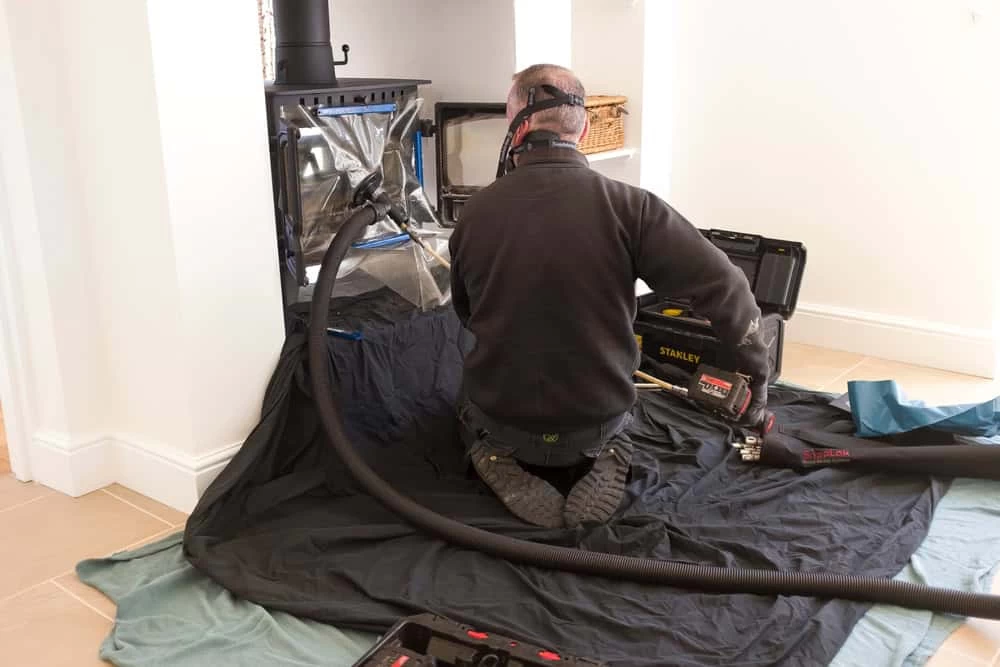
When you notice these interior warning signs, don’t delay calling a professional. It’s important to get the help of a professional chimney sweep, who can use a special camera to inspect the flue lining and ensure there isn’t a breach in the chimney system which could ultimately cause a house fire.
Whether you use your fireplace frequently or occasionally, it’s essential to keep an eye out for these red flags to ensure the safety and functionality of your chimney. From cracks and leaks to excessive soot buildup and strange odors, our goal is to help you identify potential issues early on, avoiding costly repairs or even dangerous situations.
Chimney issues often start small—so small, they’re easy to miss. But the longer they go unnoticed, the more damage they can do. Catching problems early can save you from costly repairs, protect your home, and give you peace of mind when the cold weather rolls in.
The seven signs we’ve covered—exterior damage, efflorescence, cracked crowns, smoke backup, strange odors, rust, and interior moisture damage—all point to one truth: your chimney needs professional attention. Chimney issues can pose serious safety concerns, including fire hazards, carbon monoxide risks, and structural dangers. These problems require immediate attention to prevent potential disasters.
When you notice any of these warning signs, contact us at Ageless Chimney for a professional inspection and repair estimate. Don’t let a manageable repair turn into a major reconstruction project.
Article details:
Share:
Continue learning: