Long Island homeowners face unique coastal challenges during winter. Learn how proper chimney preparation protects against nor'easters, salt air damage, and costly emergency repairs.
Share:
You know winter is coming. You’ve lived through enough Long Island nor’easters to understand what coastal storms can do. But here’s what most Nassau County homeowners don’t realize until it’s too late—your chimney is taking damage right now, and every week you wait makes the repair bill bigger.
Salt air corrodes metal components while you sleep. Freeze-thaw cycles crack mortar joints with each temperature swing. Water finds every weakness in your flashing and crown, then spreads through your roofline like a slow-motion disaster. By the time you see a ceiling stain or smell something wrong, you’re looking at thousands in repairs instead of hundreds in prevention.
The good news? Fall is exactly when you should be handling this. Here’s what actually matters when preparing your chimney for winter on Long Island.
A real chimney inspection isn’t someone glancing up your flue with a flashlight. You need eyes on every component that keeps your system safe and functional—firebox, damper, smoke chamber, flue liner, crown, cap, and flashing. Each piece has a job, and Long Island’s coastal climate attacks all of them simultaneously.
The inspection catches what you can’t see from ground level. Creosote buildup measuring 1/8-inch or more becomes a fire hazard according to NFPA standards. Cracked liners allow heat and gases to escape into surrounding structures, creating carbon monoxide risks and potential fire spread. Failed flashing lets water infiltrate your roof deck and attic insulation, leading to mold and structural damage that costs exponentially more to fix than the original leak.
Professional inspection includes documentation—photos or video showing actual chimney condition. You see exactly what’s happening inside your flue, what needs attention immediately versus what can wait, and why each repair matters for your specific situation.
Quick answer
Most homeowners wait until October to think about their chimney. By then, every chimney company in Nassau County is slammed with calls from people who just realized winter is two weeks away. You’re looking at long wait times, premium pricing, and the very real possibility of discovering problems when you actually need your fireplace working.
September through early October is when you want this handled. The weather is still cooperative for masonry repairs. Chimney companies have availability to schedule around your life instead of forcing you into whatever slot remains. If inspection reveals issues—and on Long Island, it usually does—you have time to get repairs completed before the first cold snap.
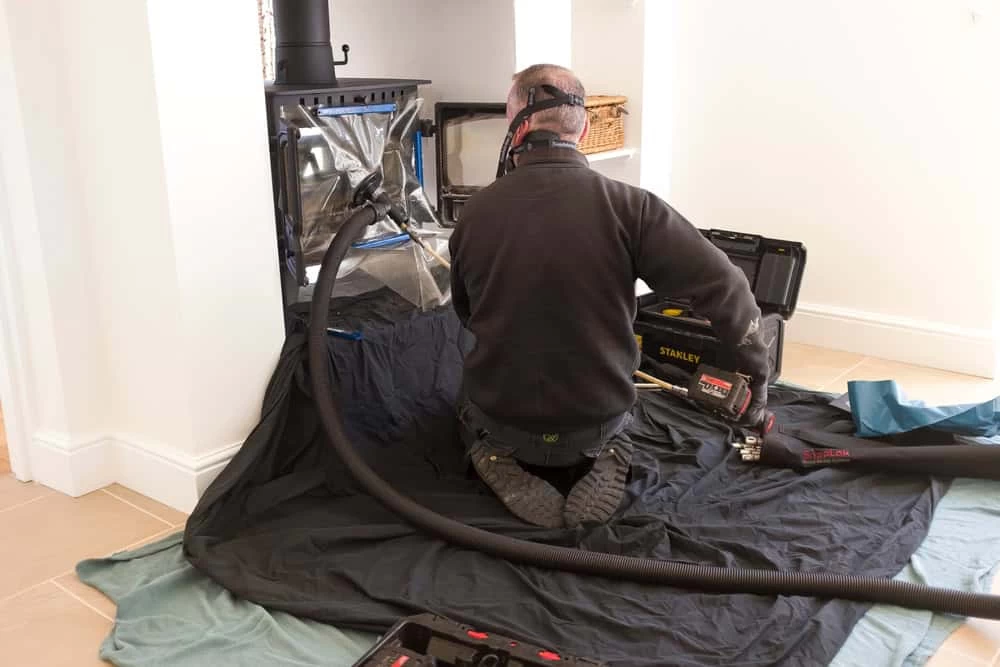
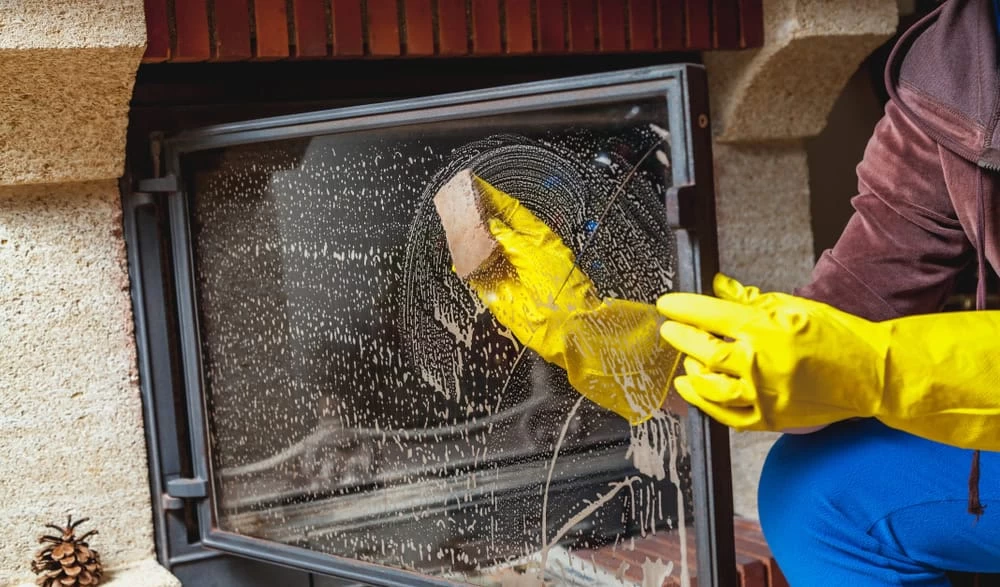
Here’s what happens during professional cleaning. Specialized brushes and HEPA-filtered vacuums remove creosote from your entire flue system, not just the easy-to-reach sections. The process addresses soot, debris, and the sticky tar-like substance that clings to chimney liners and ignites during chimney fires. Proper cleaning also removes animal nests, leaves, and other blockages that prevent proper ventilation.
The cleanup matters as much as the cleaning itself. Drop cloths protect your floors and furniture. Containment systems keep soot from spreading through your home. When the work is done, your living space looks exactly as it did before—except your chimney is now safe to use.
Fall timing offers another advantage: removing post-winter creosote before humid summer air causes it to release foul odors throughout your house. The buildup from last heating season sits in your chimney absorbing moisture, creating smells that permeate living spaces when weather turns warm and humid. Spring or early fall cleaning eliminates this issue entirely.
For Nassau County homeowners who burn wood regularly, annual cleaning is non-negotiable. If you use your fireplace occasionally—a few times per season—you might stretch cleaning to every other year. But the inspection should still happen annually because structural issues and coastal weather damage don’t wait for convenient timing.
Quick answer
Your chimney doesn’t face the same conditions as your cousin’s chimney in Pennsylvania. Nassau County’s coastal location creates a perfect storm of deterioration factors that accelerate damage and shorten component lifespan.
Salt air is the first problem. Moisture-laden air carrying salt particles settles on every exposed surface of your chimney. Metal components—caps, flashing, dampers—corrode faster than inland properties experience. The salt penetrates brick and mortar through a process called chloride-salt crystallization, where absorbed moisture expands and weakens masonry from the inside out. You’ll see this as efflorescence—those white, chalky deposits that indicate moisture penetration and ongoing damage.
Freeze-thaw cycles are the second challenge. Long Island winters put your chimney through this destructive process dozens or even hundreds of times per season. Water enters tiny cracks in masonry during rain or snow. When temperatures drop, that water freezes and expands with enough force to widen cracks and crumble mortar. Each cycle makes existing damage worse and creates new entry points for more water.
Wind-driven rain is the third factor. Coastal storms don’t just drop water straight down—they push it sideways and upward, testing every seal and finding weaknesses that normal rainfall might not exploit. Your chimney cap, crown, and flashing face water coming from multiple directions simultaneously, which is why proper installation and maintenance matter so much more on Long Island than in protected inland locations.
Maritime humidity adds a final complication. Your chimney masonry doesn’t dry out as thoroughly between weather events as it would in less humid conditions. This constant dampness prevents materials from recovering fully, leading to cumulative damage that compounds over time. The moisture also makes creosote deposits stickier and harder to remove than in drier climates.
Waterfront properties in Long Beach, Point Lookout, and along the South Shore barrier islands face even more aggressive conditions. Direct salt spray exposure accelerates every form of deterioration—metal corrosion, masonry spalling, mortar erosion. If you live within a few miles of the coast, your chimney needs more frequent inspection and more aggressive maintenance than properties further inland.
Quick answer

Winterizing your chimney means addressing the specific vulnerabilities that Long Island weather exploits. You’re not just preparing for cold temperatures—you’re protecting against nor’easters, coastal storms, and the relentless combination of salt, wind, and moisture that attacks your chimney from every angle.
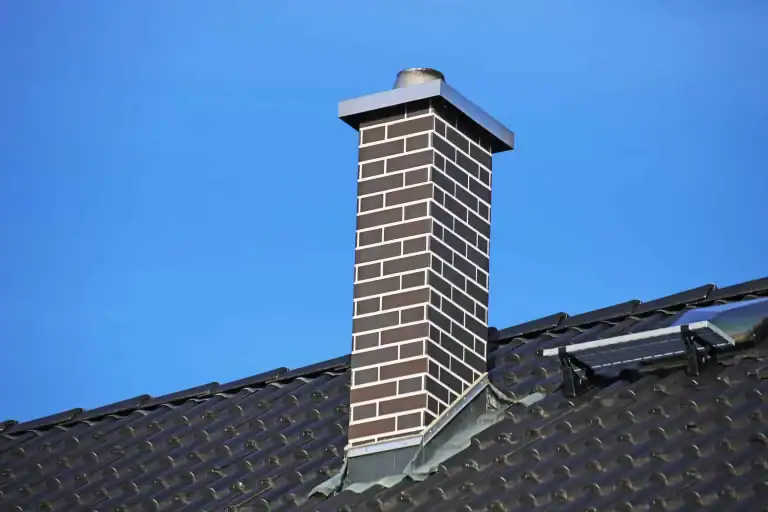
The process starts with your chimney cap and crown. These components are your first line of defense against water infiltration. The crown is the concrete top that seals your chimney and directs water away from the masonry structure. Cracks in the crown allow water to pool and seep into the chimney interior, where freeze-thaw cycles cause exponential damage. Crown repair or sealing before winter prevents this infiltration.
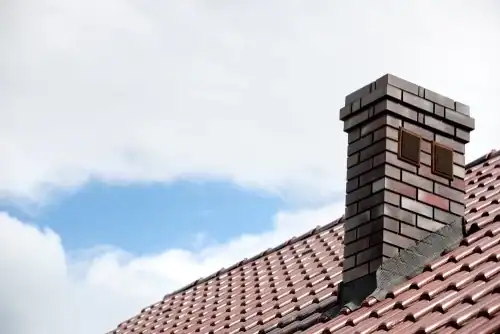
The chimney cap sits above the crown and serves multiple purposes. It keeps rain and snow out of your flue. It prevents animals from nesting inside your chimney during off-season. It stops debris like leaves and twigs from blocking your ventilation. On Long Island, caps also need to withstand heavy snow accumulation and high winds from winter storms. A quality stainless steel cap with proper mesh screening handles these demands better than cheaper alternatives that bend, rust, or dislodge during severe weather.
Quick answer
Ask any experienced chimney professional where storm-related leaks start, and the answer is always the same: flashing. Not shingles, not the chimney itself—flashing. This metal material installed where your chimney meets your roof is supposed to create a watertight seal. But Long Island’s salt air corrodes the metal, temperature changes cause expansion and contraction that loosen connections, and wind-driven rain finds every gap.
Chimney flashing takes the most abuse because it deals with constant heating and cooling cycles from the chimney itself plus exposure to all the weather Nassau County delivers. Over time, caulk around flashing dries out. Metal develops rust or corrosion, especially near the coast. The seal loosens, and during storms, water gets underneath your roofing system.
By the time you notice a leak inside your house, damage has often spread to the roof deck and insulation. What could have been a straightforward flashing repair becomes a major restoration project involving rotted wood, mold remediation, and interior repairs. This is why pre-winter inspection focuses so heavily on flashing condition—catching problems early means fixing them before water causes secondary damage.
Proper flashing repair isn’t a DIY project. The installation method matters as much as the materials. We know the techniques that account for coastal wind conditions, how much overlap is required, where reinforcement is needed, and how to create seals that survive Long Island’s demanding weather. Corners cut during installation show up as leaks during the first major storm.
Waterproofing adds another layer of protection specific to coastal environments. Breathable masonry sealers repel water while allowing trapped moisture to escape. This prevents the freeze-thaw damage that occurs when water soaks into porous brick and mortar, then expands as ice. One freeze-thaw cycle doesn’t destroy your chimney, but dozens per season create cumulative damage—spalling where brick faces flake off in layers, mortar joints that crumble and fall out, crown cracks that let even more water in.
The waterproofing process stops this cycle before it starts by preventing water from soaking into masonry in the first place. For Long Island chimneys, this protection is especially valuable because maritime humidity means your chimney never fully dries out between weather events. Sealing the exterior gives your masonry a fighting chance against the constant moisture exposure that characterizes coastal climates.
Quick answer
You’ve scheduled inspection and cleaning. Repairs are complete. Now you need a pre-use checklist that confirms everything is ready for heating season. This isn’t paranoia—it’s the difference between safe operation and discovering problems when smoke backs into your living room or carbon monoxide levels spike.
Start with your damper. Open it fully and confirm it moves smoothly without sticking. A damper that won’t open completely restricts airflow and causes smoke to enter your home instead of venting properly. A damper that won’t close fully is like leaving a window open all winter—you’re hemorrhaging heat and money. Test the operation before you need it.
Check for visible obstructions from below. Shine a flashlight up your flue and look for anything blocking the opening—animal nests built during summer, debris that fell in, or structural issues like loose bricks or collapsed liner sections. If you can’t see clear passage up the flue, don’t use the fireplace until a professional inspects it.
Verify your chimney cap is secure and undamaged. Heavy snow or high winds can bend or dislodge caps between your last inspection and first use. A missing or damaged cap allows rain, snow, and debris to enter your chimney, creating blockages and water damage. From ground level, use binoculars to confirm the cap is in place and properly attached.
Test your smoke detectors and carbon monoxide detectors. These devices are your last line of defense if something goes wrong with your chimney system. Fresh batteries and confirmed operation before heating season starts mean you’ll know immediately if smoke or CO levels become dangerous. New York State law requires CO detectors on every level, especially near bedrooms—make sure yours are functional.
Look for signs of moisture or previous leaks. Water stains on your ceiling near the chimney, dampness in your attic around the chimney chase, or musty odors when you open the damper all indicate water infiltration that needs professional attention. Don’t ignore these warning signs—they mean your chimney is compromised and using it could make the damage worse.
Confirm proper clearances around your fireplace. Furniture, decorations, or storage items placed too close to your firebox create fire hazards. Maintain at least three feet of clearance from the fireplace opening and never store flammable materials in or near your fireplace. This seems obvious, but house fires happen every year because someone forgot the basics.
Finally, have a plan for what happens if you smell smoke in your home when using your fireplace, notice unusual odors, see rust on your damper or firebox, or experience any other warning signs. Know who to call for emergency service. Keep that contact information readily available. The middle of a winter storm is not when you want to be searching for a chimney company that offers same-day response.
Here’s what matters: your chimney faces conditions that accelerate damage faster than you probably realize. Salt air, freeze-thaw cycles, and coastal storms aren’t abstract concerns—they’re actively deteriorating your chimney system right now. Every week you wait makes the repair bill bigger and increases the risk of dangerous failures during heating season.
Fall preparation catches problems while they’re still manageable. A $300 repair in September prevents a $3,000 emergency in January. Professional inspection reveals what you can’t see from ground level. Proper cleaning removes fire hazards and ensures safe operation. Weatherproofing protects against the specific challenges that Long Island weather delivers.
The homeowners who schedule this work in September and early October get the best service, the most flexible scheduling, and the peace of mind that comes from knowing their chimney is actually ready for winter. They’re not gambling on whether their system will work safely when temperatures drop. They’re not dealing with emergency repairs during the first nor’easter. They’re prepared.
If you’re in Nassau County, Queens, Brooklyn, or Westchester County and your chimney hasn’t been inspected this year, now is when you handle it. We’ve been solving these exact problems for Long Island homeowners since 2006, and we understand what coastal climate does to chimney systems. Reach out and let’s make sure your chimney is ready for whatever winter throws at it.
Article details:
Share: