The crown is the slab at the very top of a chimney. It is small, it is cheap to look after, and when it cracks the water goes into the masonry.
Share:
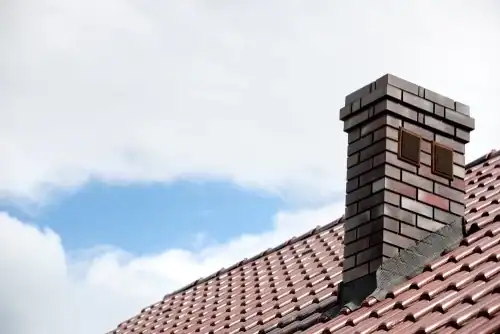
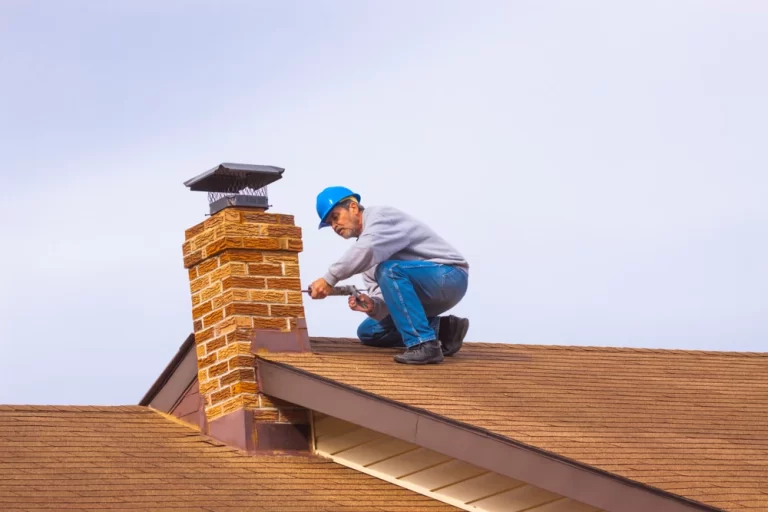
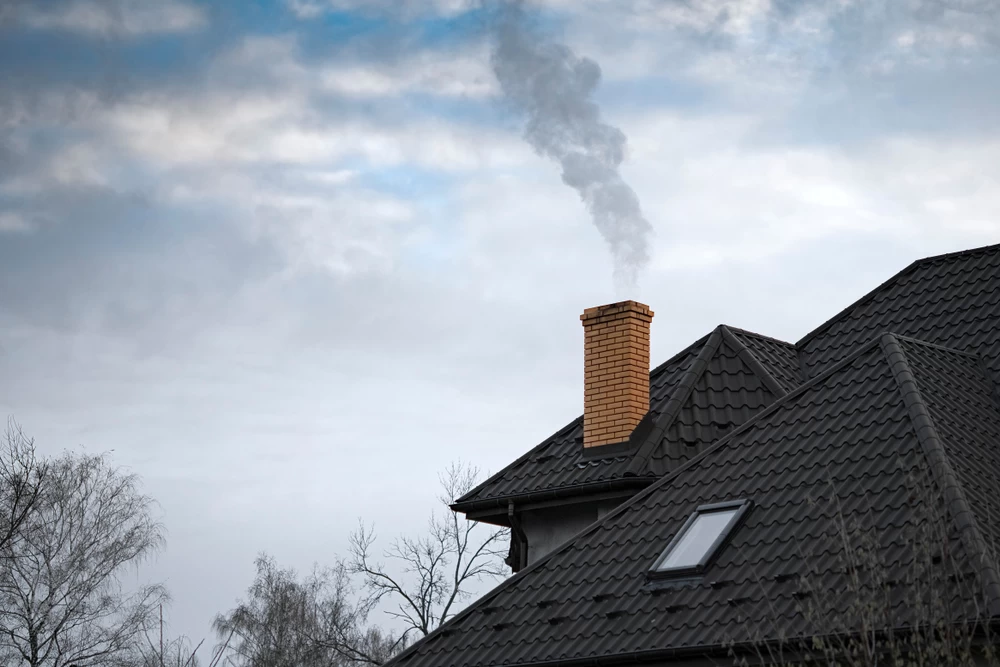
The crown is the slab across the top of a masonry chimney. It surrounds the flue and it slopes away from it, and its job is to shed water off the top of the stack rather than letting it soak into the brick and mortar underneath.
It is easy to overlook for two reasons. It is the furthest thing from the living room, and it is not the part anyone thinks of when they picture a chimney. The cap gets noticed because it sits up proud of the stack. The flashing gets noticed because it is where the chimney meets the roof. The crown is the flat bit in between that nobody looks at, and it is doing more work than either.
That is why keeping water out belongs in routine maintenance, not just repairs. CSIA’s homeowner guidance puts an annual professional inspection at the center of looking after a chimney, and the top of the stack is the part of that inspection a homeowner can never do for themselves.
Quick answer
People mix these terms up, so here is the difference. They are in different places and they fail differently.
| Part | Where it is | What it does |
|---|---|---|
| Cap | On top of the flue opening, raised on legs or a collar | Keeps rain, debris and animals out of the flue itself, and helps with downdrafts |
| Crown | The slab across the whole top of the stack, around the flue | Sheds water off the masonry so it does not soak into the brick and mortar |
| Flashing | Where the chimney passes through the roof | Seals that junction so water runs onto the roof instead of into the structure |
We put the cap and flashing question side by side in chimney cap problems, crown versus flashing, which is the article to read if you already have a leak and are trying to work out where it starts.
Almost always by cracking, and then by letting water into the places the crack leads to. The reasons are ordinary.
Long Island adds two things to that list. Long Island winters swing above and below freezing often, and repeated cycles are hard on masonry, and coastal salt air is hard on both the masonry and the metal parts sitting on it. Snow and ice on chimneys covers the winter side of this in more detail.
Less than you would like. The crown is a horizontal surface at the top of a vertical stack, so from the ground you are looking at its edge at best.
| What you can see | What it suggests |
|---|---|
| White, chalky staining running down the brick | Efflorescence. Mineral salts carried out of the masonry by water moving through it. It means water is getting in somewhere above. |
| Dark staining or persistent damp patches on the stack | Water in the masonry. Worth an inspection to find the entry point. |
| Brick faces flaking, crumbling or popping off | Spalling, which is freeze and thaw acting on saturated brick. This is further along than staining. |
| Visible gaps where mortar joints have receded | Open joints are a water path in their own right, and they often accompany a failed crown. |
| The stack leaning, or a visible step in it | Structural. Worth reporting straight away rather than monitoring. |
| A cap that is missing, rusted through or sitting askew | The cap is separate from the crown, and its absence puts water straight down the flue as well. |
This is also why a chimney leak is rarely solved by chasing the stain. The water arrives somewhere convenient for gravity, not somewhere near its entry point. Stopping chimney water leaks before damage spreads goes through that in more detail.
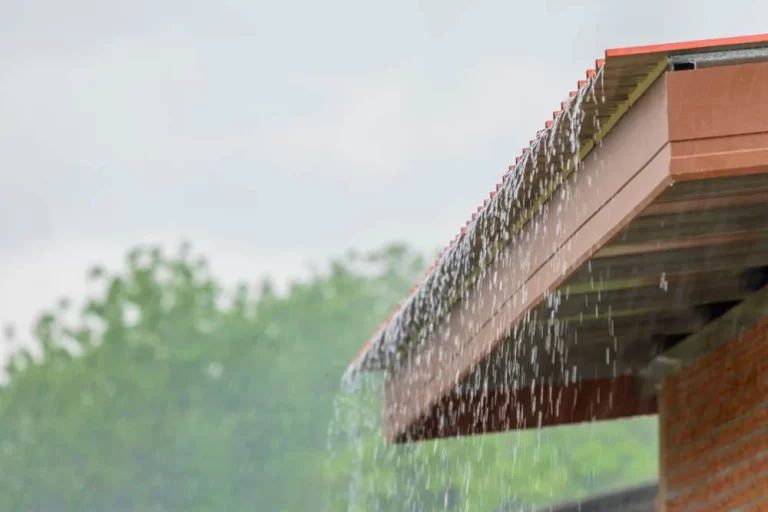
Which one applies depends on what the crown and the masonry under it actually look like, and that is a judgment made at the top of the chimney. The range, roughly:
Water repellent treatments have a place on sound masonry, and they are not a substitute for fixing a cracked crown. Sealing over an active water path traps what is already in there.
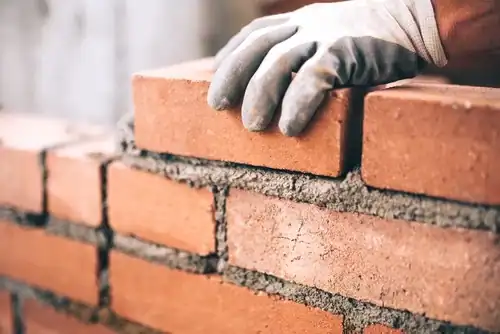
Quick answer
The crown is not an urgent safety item in the way a blocked flue or a carbon monoxide alarm is. It is, though, the maintenance item that prevents the most damage on a masonry chimney: it is small, it is accessible when someone is already up there, and the damage it prevents is structural.
The practical version is that it belongs in the annual inspection rather than in its own appointment, which is how NFPA’s heating safety guidance frames it as well: have the chimney inspected by a qualified professional every year. Someone is going to the top of the chimney anyway. The crown is right there.
Article details:
Share: