Essential winter chimney knowledge for Long Island homeowners facing snow, ice dams, and freeze-thaw damage risks.
Share:
Snow affects chimneys in ways that extend far beyond the picturesque winter scene most homeowners imagine. When snow accumulates on your roof and around your chimney, it creates a complex system of water, ice, and pressure that directly threatens your chimney’s integrity. The real danger begins when that innocent-looking snow starts its melt-and-refreeze cycle.
Your chimney masonry Long Island materials are naturally porous, designed to allow some moisture movement under normal conditions. However, winter weather turns this natural characteristic into a vulnerability. As snow melts during warmer daytime temperatures, water seeps into tiny cracks and porous brick surfaces. When temperatures drop overnight, this trapped water expands as it freezes, creating pressure that enlarges existing cracks and creates new ones.
This freeze-thaw cycle repeats throughout Long Island’s winter season, progressively weakening your chimney’s structure. What starts as hairline cracks can develop into significant structural problems that compromise your chimney’s ability to safely vent dangerous gases from your home.
Ice dams represent one of the most serious threats to chimney systems, yet many homeowners don’t understand how they form or why they’re particularly dangerous around chimneys. An ice dam occurs when melted snow refreezes at your roof’s edge, creating a barrier that prevents proper water drainage. Around chimneys, this process becomes even more complex and destructive.
The area where your chimney meets your roof creates natural collection points for snow and ice. As heat from your home warms the roof surface, snow melts and flows toward these recessed areas around your chimney. When this water encounters the cooler temperatures at roof edges or around chimney flashing, it refreezes, forming ice dams that trap additional melting water.
This trapped water has nowhere to go except into your chimney system. It seeps through flashing joints, penetrates masonry surfaces, and finds its way into your home’s structure. The damage isn’t limited to your chimney—ice dam water can infiltrate your attic, damage insulation, promote mold growth, and cause expensive interior water damage.
The flashing around your chimney, designed to create a watertight seal between your roof and chimney, becomes particularly vulnerable to ice dam damage. As ice expands and contracts with temperature fluctuations, it pushes against flashing materials, loosening their seal and creating entry points for water infiltration. Once this protective barrier is compromised, every subsequent storm brings additional water into areas where it was never meant to go.
Suffolk County’s coastal climate makes ice dam formation particularly problematic. The combination of salt air, temperature fluctuations, and heavy snowfall creates ideal conditions for repeated freeze-thaw cycles that accelerate chimney damage throughout the winter season.
Masonry saturation during winter months creates a cascading series of problems that can ultimately require complete chimney rebuilding if left unaddressed. Your chimney’s brick and mortar components are designed to handle normal moisture exposure, but winter’s freeze-thaw cycles push these materials beyond their intended limits.
When water saturates masonry materials and then freezes, it expands with tremendous force. This expansion occurs in every direction, creating internal pressure that fractures bricks and degrades mortar joints. The damage often begins microscopically but becomes visible as spalling, where brick surfaces flake or chip away, and as mortar erosion that weakens the structural bonds holding your chimney together.
The progression of masonry damage follows a predictable pattern that accelerates throughout each winter season. Small cracks allow more water penetration, which creates larger cracks during the next freeze cycle. This expanding damage compromises your chimney’s structural integrity and creates safety hazards that extend beyond simple repair needs.
Nassau County homeowners often discover masonry damage in spring when melting snow reveals the winter’s destruction. By this point, water has typically penetrated deep into the chimney structure, potentially affecting the chimney liner, damper components, and even the firebox itself. The moisture that enters through damaged masonry can also promote dangerous creosote buildup, increasing fire risk when you resume using your fireplace.
Professional assessment becomes critical when masonry saturation damage is suspected. What appears to be minor surface damage often indicates more extensive structural problems that require immediate attention. Delaying repairs allows each subsequent winter to cause exponentially more damage, ultimately transforming manageable repair projects into complete chimney reconstruction needs.
The investment in professional masonry protection pays dividends in avoided repair costs and maintained home safety. Waterproofing treatments, proper flashing installation, and strategic repairs can halt the damage progression and restore your chimney’s protective capabilities before structural integrity becomes compromised.
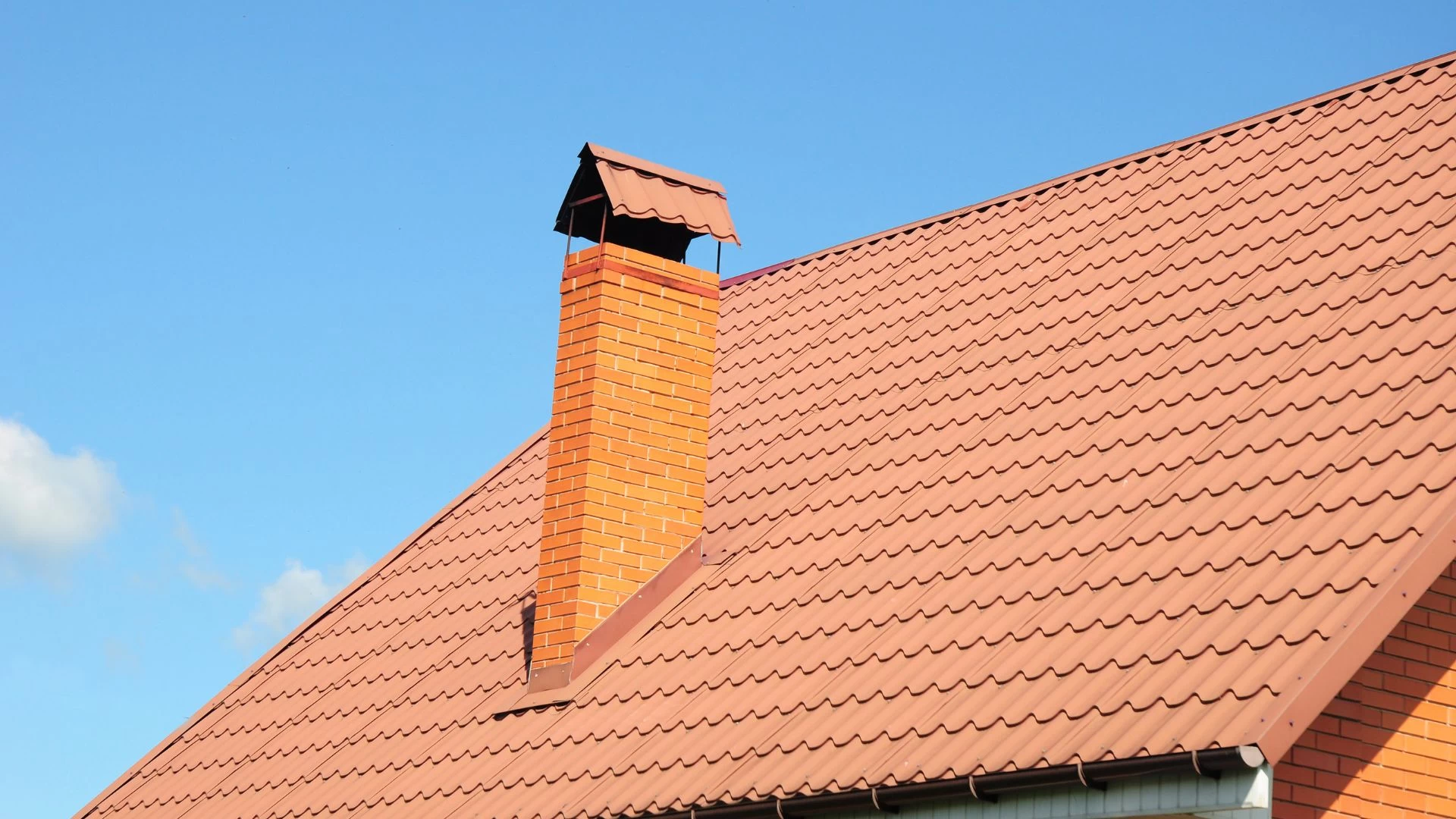
Your chimney cap serves as the first line of defense against winter weather, but many homeowners underestimate its critical role in preventing snow and ice damage. A properly functioning chimney cap does far more than simply cover your chimney opening—it actively deflects snow, prevents ice accumulation, and maintains proper ventilation even in severe weather conditions.
Professional-grade chimney caps feature design elements specifically engineered for winter performance. The angled top surface sheds snow and ice rather than allowing accumulation, while mesh screening prevents snow from entering your flue while maintaining essential airflow. This combination prevents the dangerous scenario where packed snow blocks your chimney’s ventilation, forcing deadly carbon monoxide back into your home.
Winter weather tests chimney cap performance in ways that highlight the difference between quality installations and inadequate solutions. Properly sized and securely mounted caps withstand high winds, ice loading, and thermal expansion without compromising their protective function.
Snow blockage in chimney systems creates immediate safety hazards that can prove fatal if not addressed promptly. When snow accumulates in or around your chimney’s flue opening, it restricts the natural draft that safely removes combustion gases from your home. This restriction can cause carbon monoxide, smoke, and other dangerous gases to back up into your living spaces instead of venting safely outdoors.
The mechanics of snow blockage involve more than simple accumulation at the chimney top. Wind-driven snow can pack into flue openings, creating dense barriers that completely obstruct airflow. Even partial blockages significantly reduce your chimney’s venting efficiency, creating dangerous conditions that may not be immediately apparent to homeowners.
Chimney caps with properly designed mesh screening prevent snow from entering the flue while allowing essential ventilation to continue. The mesh size must balance snow exclusion with airflow requirements—too fine, and normal draft becomes restricted; too coarse, and snow penetration remains a problem. Professional installation ensures this critical balance is achieved for your specific chimney configuration.
Temperature differentials around your chimney create microclimates that affect snow behavior in unpredictable ways. Heat from your home can cause localized melting that refreezes in flue openings, creating ice plugs that are even more dangerous than snow blockages. These ice formations can persist even after surrounding snow has melted, maintaining ventilation restrictions that homeowners may not recognize.
Regular monitoring of your chimney’s performance during winter weather helps identify developing blockage issues before they become dangerous. Signs include reduced fireplace draft, smoke entering your home, unusual odors, or visible ice formation around the chimney cap. Any of these symptoms requires immediate professional assessment to ensure safe operation of your heating system.
We understand the specific challenges that Nassau and Suffolk County weather patterns create for chimney ventilation. Our local expertise becomes invaluable for identifying potential problem areas and implementing preventive measures that maintain safe operation throughout the winter season.
The temptation to handle chimney cap installation or winter preparation as a DIY project often leads to inadequate protection and safety hazards that professional installation would have prevented. Proper chimney cap installation requires understanding of local building codes, manufacturer specifications, and the specific challenges that Long Island weather conditions create for chimney systems.
Professional installation begins with accurate measurement and assessment of your chimney’s unique configuration. Chimney dimensions, flue size, construction materials, and surrounding roof conditions all influence the appropriate cap selection and installation approach. Generic, one-size-fits-all solutions rarely provide adequate protection and may actually create new problems through improper fit or inadequate securing methods.
The installation process itself involves working at dangerous heights in conditions that require specialized equipment and safety training. We have the tools, experience, and insurance coverage necessary to complete installations safely and correctly. We understand how to secure caps against high winds, thermal expansion, and ice loading that could dislodge improperly installed units.
Quality differences between professional-grade and consumer chimney caps become apparent during severe weather conditions. Our installations use heavy-gauge materials, corrosion-resistant fasteners, and proven design features that withstand Long Island’s coastal climate challenges. Consumer-grade products often fail during the first severe winter storm, leaving your chimney vulnerable when protection is most needed.
Warranty coverage represents another critical difference between professional and DIY installations. Our installations include both product and labor warranties that protect your investment and ensure prompt resolution of any performance issues. DIY installations void most product warranties and leave homeowners responsible for any damage or safety issues that result from improper installation.
The long-term cost comparison strongly favors professional installation when all factors are considered. Professional installation prevents the multiple replacement cycles common with DIY solutions, eliminates safety risks associated with working at heights, and provides the peace of mind that comes with proper protection during severe weather events.
Local building codes in Nassau and Suffolk Counties may require professional installation and inspection of chimney modifications. Attempting DIY installation could result in code violations that affect your home’s insurance coverage or resale value. We understand these requirements and ensure all work meets or exceeds local standards.
Winter weather challenges facing Nassau and Suffolk County homeowners require proactive chimney protection strategies that address the unique combination of coastal climate, freeze-thaw cycles, and heavy snow loading. Understanding how snow affects chimneys empowers you to make informed decisions about maintenance, repairs, and professional services that protect your family’s safety and your home’s value.
The investment in proper chimney protection pays dividends through avoided emergency repairs, maintained heating efficiency, and peace of mind throughout Long Island’s demanding winter seasons. Professional assessment and maintenance ensure your chimney system can handle whatever weather conditions arise, from ice dam formation to heavy snow loading.
Don’t wait until winter weather reveals existing vulnerabilities in your chimney system. Schedule your professional inspection and maintenance with us before the season’s first storm tests your chimney’s readiness. Your family’s safety and your home’s protection depend on having a properly functioning chimney system when you need it most.
Article details:
Share:
Continue learning: