

You pull into a driveway that doesn’t crack after the first winter. Water drains where it should instead of pooling near your foundation. The surface stays level because the base was built to handle Long Island’s soil conditions, not just thrown down to meet a deadline.
Paver driveway installation in Laurel, NY means individual units that flex with temperature changes instead of forming the spiderweb cracks you see in concrete. When one paver eventually needs replacement, you swap it out without tearing up the entire surface. That’s the difference between a driveway that lasts 15 years and one that lasts 30.
Concrete driveway installation in Suffolk County works when the contractor understands our freeze-thaw cycles—30 to 40 each winter. Water expands 9% when it freezes, so any moisture trapped in poorly mixed concrete or an inadequate base will crack the surface. The right mix, the right thickness, and proper curing time matter more here than in most places.
Bobby Bruno and Sherwood Adams founded Ageless Chimney in 2006 after growing up together on Long Island. We’ve worked on over 200 homes across Suffolk County, Nassau County, and surrounding areas. What started as chimney work expanded into masonry because we kept seeing the same problem: driveway contractors who didn’t understand how coastal conditions affect base materials and drainage.
Every job includes owner oversight. You’re not getting a crew that disappears after the deposit clears. We’re here because we live here, and our reputation depends on driveways that still look good when your neighbors are on their second replacement.
Laurel sits where coastal moisture meets inland temperature swings. Your driveway takes more abuse than most people realize, which is why we focus on base preparation and drainage before we talk about surface materials.
We start with excavation—removing existing materials and digging down to stable soil. Depth matters because Suffolk County’s clay soil holds water, and water is what destroys driveways through freeze-thaw damage. Most failures happen because someone skipped this step or didn’t go deep enough.
Next comes the base: 10-12 inches of compacted gravel and sand, installed in layers. Each layer gets compacted separately because throwing down one thick layer leaves air pockets that collapse under vehicle weight. This base prevents the settling and shifting that create those dips where water pools.
Drainage gets built in at this stage. We grade the base so water moves away from your foundation and doesn’t sit under the driveway surface. Long Island’s high water table means water that can’t escape will freeze, expand, and crack whatever’s above it.
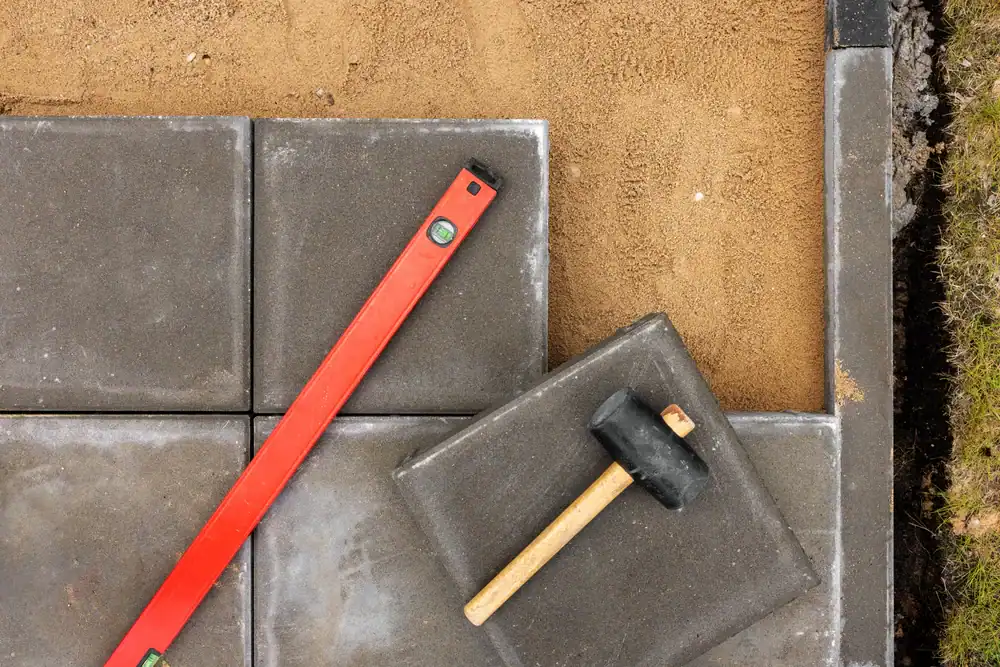
For paver driveways, we install edge restraints to prevent spreading, then lay pavers in your chosen pattern with proper joint spacing. Sand gets swept into joints and compacted. For concrete, we pour to the right thickness with control joints placed to manage cracking. You can drive on pavers immediately. Concrete needs time to cure—usually a week before you park on it.
Ready to get started?
You get a free estimate that breaks down materials, labor, and timeline. We’ll walk your property to assess drainage, soil conditions, and how your driveway connects to the street. That assessment determines which materials make sense for your situation and budget.
Paver driveway contractors in Laurel, NY should offer multiple material options—concrete pavers, brick, cobblestone, or Belgian block borders. Each handles Long Island’s climate differently. Pavers cost more upfront ($17-20 per square foot) but last 50+ years with minimal maintenance. Concrete runs $8-12 per square foot and typically needs replacement after 15-20 years in our coastal climate.
Brick driveway replacement and cobblestone driveway aprons add character, but they require experienced installation. Bricks laid without proper base preparation will shift and settle within a few years. We’ve repaired enough of those jobs to know what works.
Sinking driveway repair starts with diagnosing why it’s sinking. Usually it’s base erosion from poor drainage. Fixing cracked concrete driveways means determining if the damage is surface-level or structural. Sometimes you can patch and seal. Other times you’re throwing money at a problem that needs full replacement.
Driveway drainage solutions in Long Island often include French drains, catch basins, or regrading to redirect water. We handle that as part of the installation because drainage and driveway longevity are inseparable in this climate.
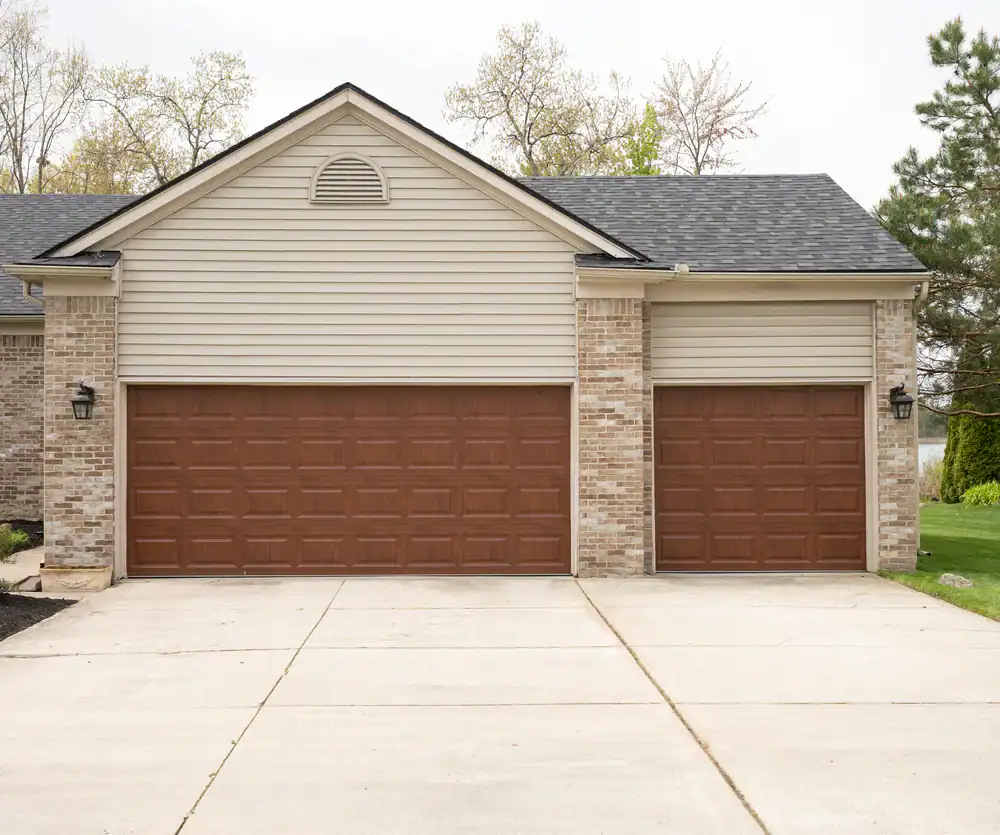
Properly installed paver driveways last 25-30 years in Long Island’s coastal climate, sometimes longer with basic maintenance. The key is proper base preparation—10-12 inches of compacted gravel and sand that allows pavers to flex independently during freeze-thaw cycles.
Pavers outlast concrete here because they move with soil shifts instead of cracking. When temperatures drop below freezing, trapped moisture expands by 9%, creating pressure that cracks solid surfaces. Individual pavers absorb that movement without visible damage.
Maintenance is minimal: sweep sand into joints every few years and replace any pavers that crack from impact. The repair blends seamlessly because you’re swapping individual units, not patching with material that never quite matches.
Freeze-thaw cycles cause most driveway damage in Suffolk County. We get 30-40 cycles each winter—temperatures hovering around freezing create more damage than sustained cold. Water seeps into small cracks, freezes, expands 9%, and widens those cracks. The cycle repeats all winter.
Poor drainage accelerates the problem. When water can’t escape from under your driveway, it stays available for repeated freezing. Suffolk County’s clay soil holds moisture, so drainage becomes critical during installation. Water that pools on the surface also seeps into the base over time.
Inadequate base preparation is the third factor. Contractors who skip proper excavation or use insufficient base material leave your driveway vulnerable to settling. Once the base shifts, cracks form in the surface regardless of whether it’s concrete, asphalt, or pavers.
Pavers cost more upfront but last longer with less maintenance in Long Island’s climate. Concrete costs less initially but typically needs replacement sooner. Your decision depends on budget, how long you plan to stay in the home, and how much you value curb appeal.
Pavers run $17-20 per square foot installed and can last 50+ years. Individual units can be replaced without affecting surrounding areas. They handle freeze-thaw cycles better because they flex independently. Concrete costs $8-12 per square foot and lasts 15-20 years here before cracking becomes extensive enough to warrant replacement.
Concrete works fine if installed correctly—proper thickness, the right mix for our climate, adequate curing time, and control joints placed strategically. But when it fails, you’re looking at full replacement. Pavers give you more options for repair and typically hold up better to coastal moisture and temperature fluctuations.
Sinking driveway repair starts with identifying why it’s sinking. Usually the base has eroded due to poor drainage—water washes away the gravel and sand supporting your driveway surface. Sometimes tree roots or settling soil cause the problem.
For minor settling, we can lift pavers, add base material, recompact, and relay the surface. Concrete is harder—you’re looking at mudjacking (pumping material under the slab to lift it) or full replacement if the sinking is severe. Mudjacking works for small areas but doesn’t fix the underlying drainage problem.
The real fix addresses drainage. We install French drains, catch basins, or regrade around the driveway to redirect water away from the base. Without solving the drainage issue, any repair is temporary. Water will continue eroding the base and you’ll be back to the same problem within a few years.
Driveway drainage solutions in Long Island need to account for our high water table, clay soil, and heavy precipitation. The base should be graded so water flows away from your foundation and toward the street or a drainage system. That grading happens during installation, not as an afterthought.
For driveways with persistent water problems, we install French drains along the edges or catch basins in low spots. These systems collect water and redirect it away from the driveway base. The goal is preventing water from sitting under or around your driveway where it can freeze and cause damage.
Clay soil makes drainage more challenging because it doesn’t absorb water quickly. That’s why base preparation matters so much here—we need adequate depth and proper compaction to create a stable foundation that allows water to move through rather than pooling. Skipping this step is why you see so many driveways with standing water and premature cracking.
You can drive on a paver driveway immediately after installation. The pavers are stable as soon as the final compaction is complete. That’s one of the biggest advantages—no waiting period, no worrying about tire marks or premature wear.
Concrete driveways need about seven days before you can drive on them. The concrete reaches sufficient strength after a week, though full curing takes 28 days. Walking on it is fine after 24-48 hours, but parking vehicles too early can leave permanent impressions or cause surface damage.
Asphalt driveways need 24-48 hours before light use and about a week before you should park heavy vehicles on them. Hot weather extends these timelines because the asphalt stays softer longer. We’ll give you specific guidance based on the material you choose and current weather conditions when we complete your installation.
Other Services we provide in Laurel