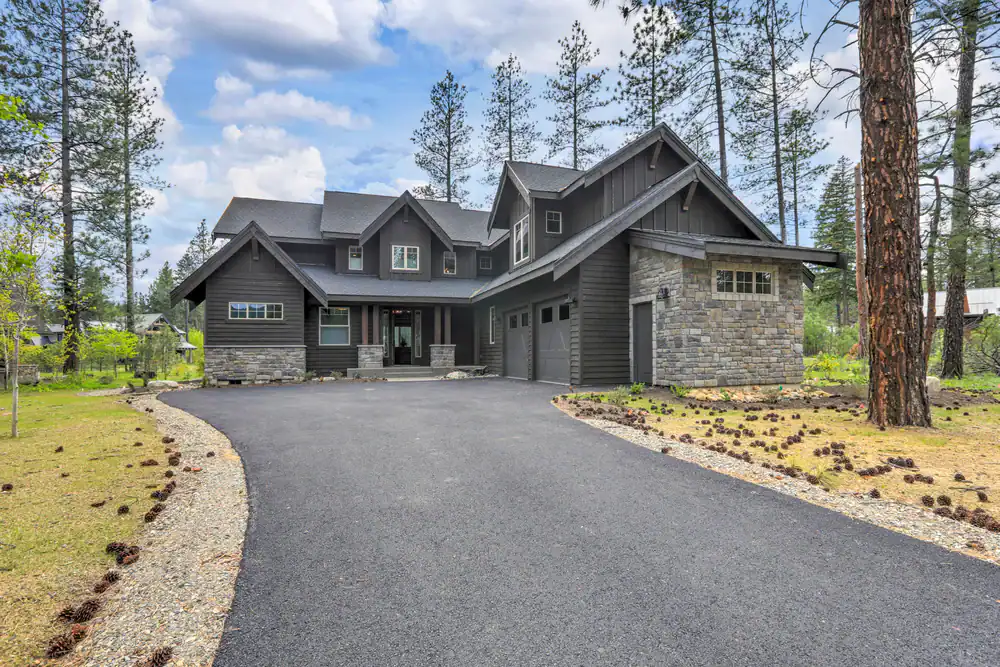

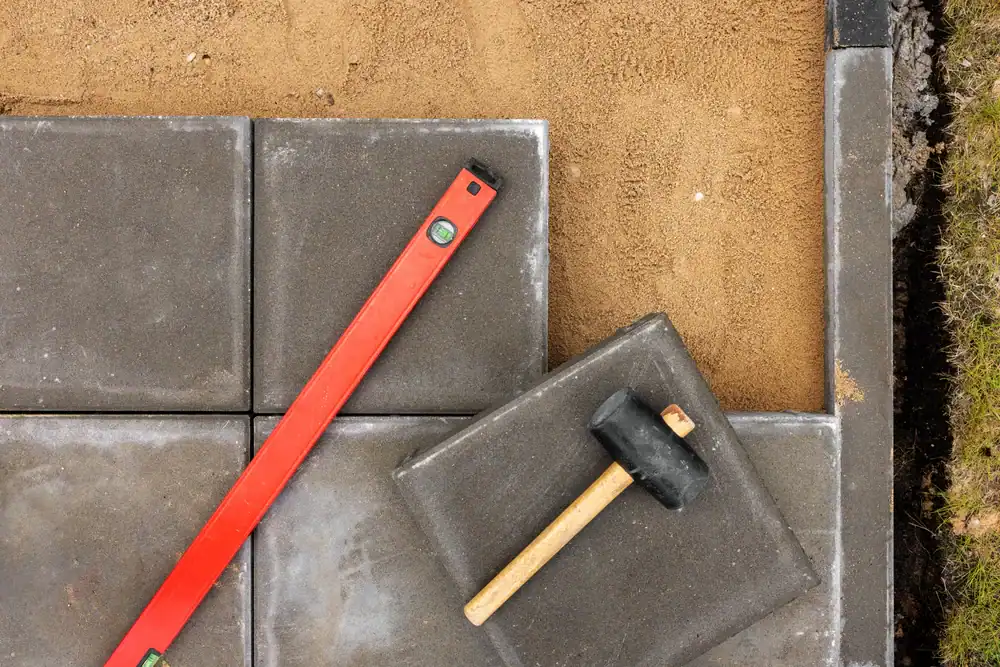
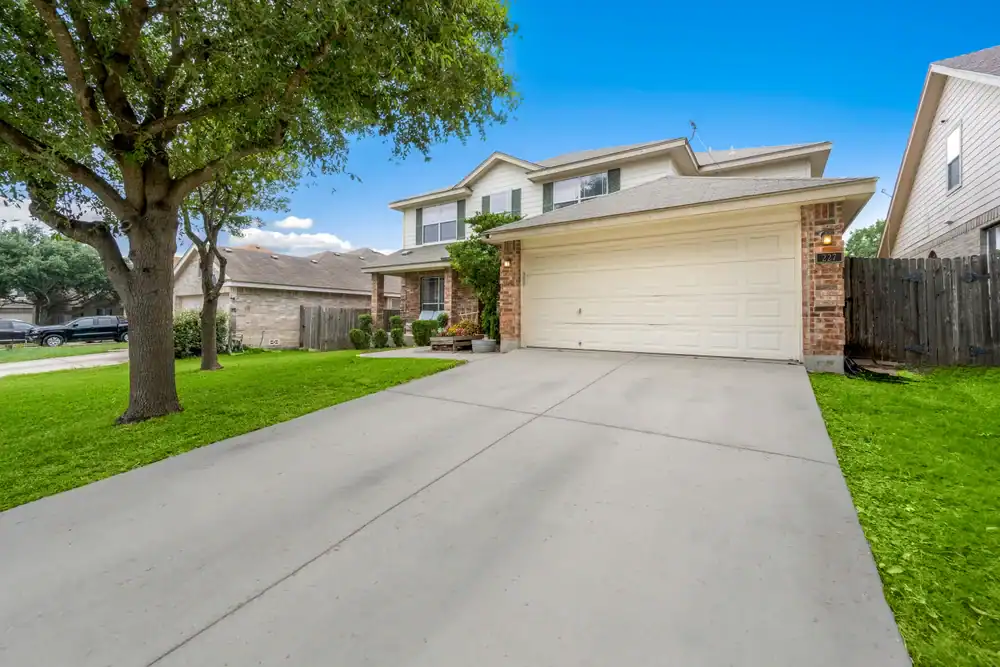
You stop worrying about cracks widening every winter. Water drains where it should instead of pooling near your foundation. Your driveway looks clean, holds up through storms, and doesn’t need constant patching.
That’s what happens when someone understands coastal conditions before they start digging. Port Jefferson Station sits right on the water, which means salt air is eating away at surfaces and moisture is always present. Sandy soil drains fast but shifts easily, so the base needs to be built differently than inland properties.
Most driveway problems start below the surface. Poor drainage undermines even the best materials. Water seeps in, freezes, expands, and cracks appear. We handle the prep work that prevents those issues—proper excavation, the right aggregate, compaction that locks everything in place, and grading that moves water away from your home.
We’ve worked on over 200 homes across Long Island. We know the older colonials near the harbor and the newer builds in residential neighborhoods. We’ve seen what fails after one winter and what holds up for decades.
You’re not getting a crew that learned about Long Island from a manual. We’ve dealt with the high water table, the freeze-thaw cycles, and the way salt air accelerates wear on every outdoor surface. That experience shows up in how we prep sites, choose materials, and handle drainage.
We don’t push unnecessary upgrades or disappear after the deposit clears. You get straight answers about what your property needs, clear pricing, and work that’s done right the first time.
We start with a site visit. You show us the problem areas, we assess drainage, soil conditions, and what’s causing the damage. We measure everything and talk through material options that make sense for your property and budget.
Once you approve the estimate, we schedule the work and handle permits if needed. Demo and excavation come first—we remove the old surface and dig down to create a stable base. This is where most contractors cut corners, but it’s the most important part. We bring in the right aggregate, compact it in layers, and grade everything so water flows away from your foundation.
Then we install your new surface—whether that’s asphalt, concrete, pavers, or Belgian block borders. We clean up completely when we’re done. You get a driveway that drains properly, handles temperature swings, and doesn’t crack apart after one winter.
Ready to get started?
Material choice matters more here than in most places. Asphalt is affordable upfront but needs resealing every few years and replacement every 15-20 years. Concrete lasts longer but cracks when the ground shifts, and repairs never match the original pour.
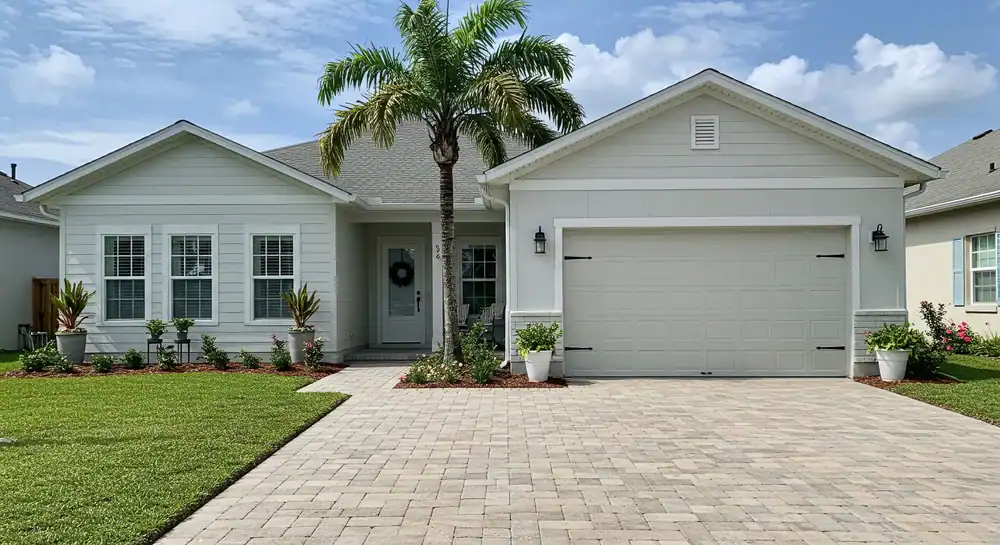
Pavers handle coastal conditions better. Individual units move independently when the ground shifts, so you don’t get the wide cracks you see in concrete. If one paver gets damaged, you replace just that piece. They last 25-75 years with minimal maintenance, and permeable options manage rainwater without creating drainage problems.
We also install cobblestone driveway aprons and Belgian block borders for properties that want that traditional Long Island look. These materials hold up extremely well in salt air and give you clean edges that don’t erode.
For sinking driveway repair in Port Jefferson Station, NY, we don’t just patch the surface. We figure out why it’s sinking—usually poor base prep or drainage issues—and fix the underlying problem. Same approach for fixing cracked concrete driveways. Surface repairs are temporary. Addressing what caused the damage is what actually solves it.
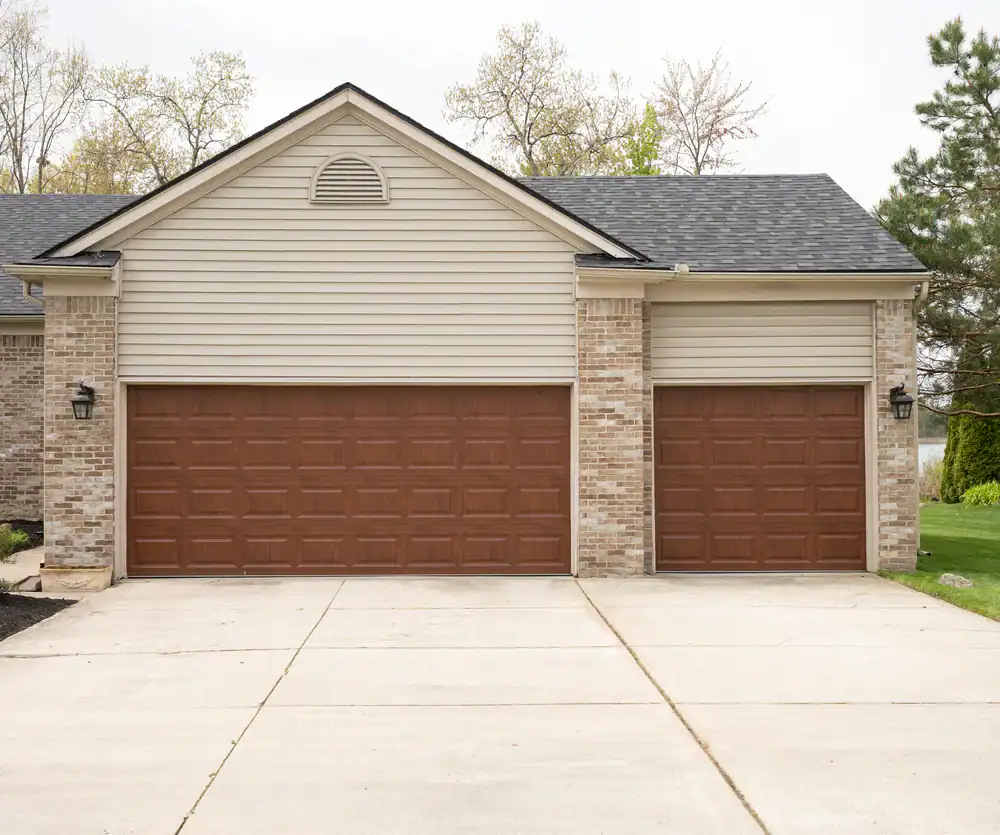
Most residential driveways take 3-7 days from start to finish, depending on size and material. Weather affects the timeline—we can’t pour concrete or lay asphalt in freezing temperatures, and heavy rain delays excavation work.
Paver installations take longer than asphalt because there’s more precision involved. Each unit gets set individually, and the base prep is more detailed. But you can drive on pavers immediately after installation. Concrete needs 7 days to cure before you can use it, and asphalt needs 24-48 hours.
We give you a realistic timeline during the estimate and keep you updated if anything changes. Most delays come from weather or permit processing, not the actual work.
Water and temperature swings. Long Island gets freeze-thaw cycles all winter. Water seeps into small cracks, freezes, expands, and widens those cracks. This happens over and over, and by spring you’ve got serious damage.
Poor drainage makes it worse. If water pools on your driveway or doesn’t flow away properly, it’s constantly working its way into the surface. Sandy soil drains well, but if the base wasn’t compacted correctly, the ground shifts and the driveway moves with it.
Salt air also accelerates deterioration. The coastal environment breaks down sealers faster, leaving surfaces more vulnerable to moisture. That’s why material choice and proper base prep matter so much here. You need an installation that accounts for these conditions from the start.
Yes. Drainage issues cause more driveway failures than anything else. If water doesn’t move away from your driveway and foundation, it undermines the base, creates settling, and leads to cracks and sinkholes.
We grade every driveway so water flows toward the street or designated drainage areas. For properties with serious water issues, we install permeable pavers that let water pass through instead of pooling on the surface. We also make sure downspouts and yard drainage don’t dump water onto your new driveway.
Port Jefferson Station’s high water table means moisture is always present. Proper drainage isn’t optional—it’s what keeps your driveway from failing in the first few years. We assess drainage during the site visit and build the solution into the installation.
Asphalt runs $5-8 per square foot on Long Island. Concrete is $7-13 per square foot. Pavers are $18-23 per square foot installed. That’s a significant upfront difference, but the lifecycle costs tell a different story.
Asphalt needs resealing every 3-5 years and full replacement every 15-20 years. Concrete lasts longer but cracks are expensive to repair and never look right. Pavers last 25-75 years with minimal maintenance, and individual units can be replaced without affecting the rest of the driveway.
You’re also paying for how it performs in coastal conditions. Pavers handle freeze-thaw cycles and salt air better than other materials. If you’re planning to stay in your home long-term, the higher upfront cost usually makes more sense than paying for constant repairs and eventual replacement.
It depends on what’s causing the damage. Surface cracks and minor settling can often be repaired. But if the base is compromised or drainage issues have undermined the foundation, repairs are just temporary fixes. You’ll be calling someone back in a year or two.
We assess the damage during the site visit and tell you honestly whether repair makes sense or if you’re throwing money at something that needs replacement. If the base is solid and drainage is working, we can resurface or patch damaged areas. If water has been pooling and the ground is shifting, you need a new installation with proper prep work.
For sinking sections, we sometimes remove just that area, regrade and compact the base, and reinstall. It’s less expensive than full replacement but only works if the rest of the driveway is structurally sound. We walk you through the options and explain what each approach actually gets you.
Keep it clean and address small issues before they become big ones. Sweep off debris regularly and rinse away salt after winter. For asphalt, reseal every 3-5 years to protect against moisture and UV damage. Concrete benefits from sealing too, though it’s not required as frequently.
Pavers need the least maintenance. Sweep sand into the joints every year or two to keep them locked in place. If a paver cracks or stains, pop it out and replace it. The coastal environment is tough on all materials, so periodic sealing helps everything last longer.
Watch for drainage issues. If you notice water pooling or new cracks forming, address it quickly. Small problems turn into expensive repairs when water gets involved. Most driveways fail because of neglected drainage, not normal wear. Fix those issues early and your driveway will last decades.
Other Services we provide in Port Jefferson Station