


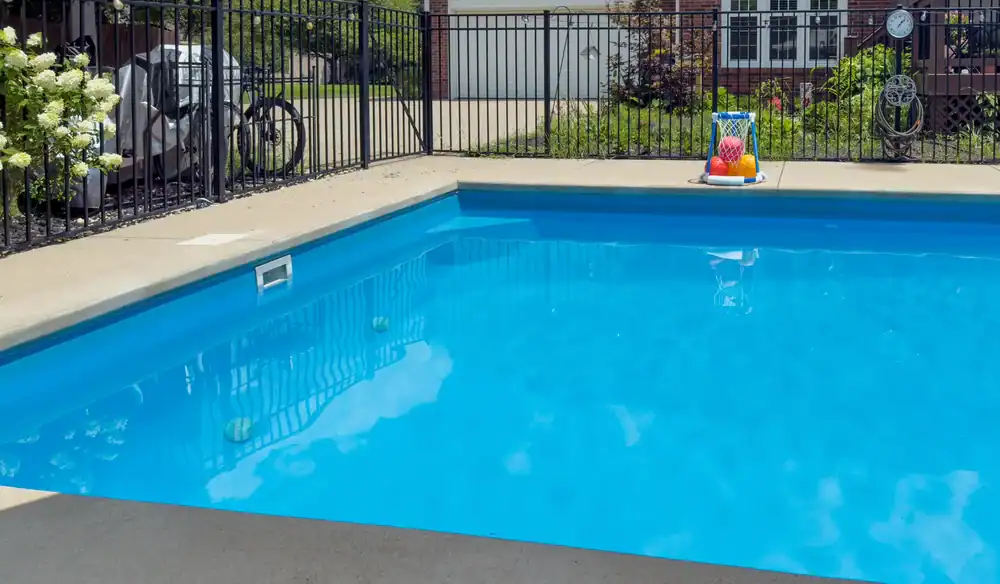
You’re looking at a backyard that finally works the way you’ve pictured it. No more driving to public pools or dealing with crowded beaches. Your family has a private space to cool off, entertain, and actually use your property the way it deserves to be used.
The pool itself is built to last—proper excavation, professional plumbing and electrical, quality masonry work around the perimeter. Everything’s permitted and inspected, so there’s no question about whether it was done right. You’re not wondering if the contractor cut corners or if something’s going to fail in two years.
Property value goes up. That’s not a sales pitch—it’s what happens when you add a professionally installed in-ground pool to a Suffolk County or Nassau County home. Buyers pay more for homes with pools, especially when the work was done correctly from the start.
We’ve been working on Long Island properties for years, and we’ve seen what happens when pool projects get passed between multiple contractors who don’t communicate. That’s why we manage the entire process in-house—design, permits, excavation, construction, masonry, and final inspection.
We’re licensed and insured to work in Nassau County, Suffolk County, and throughout the region. That matters when you’re dealing with local building departments and permit requirements that change depending on whether you’re in an incorporated village or unincorporated area.
Huntington Bay has specific setback rules and permit processes. We know how to navigate them because we’ve done it before. You’re not our first project in this area, and you won’t be our last.
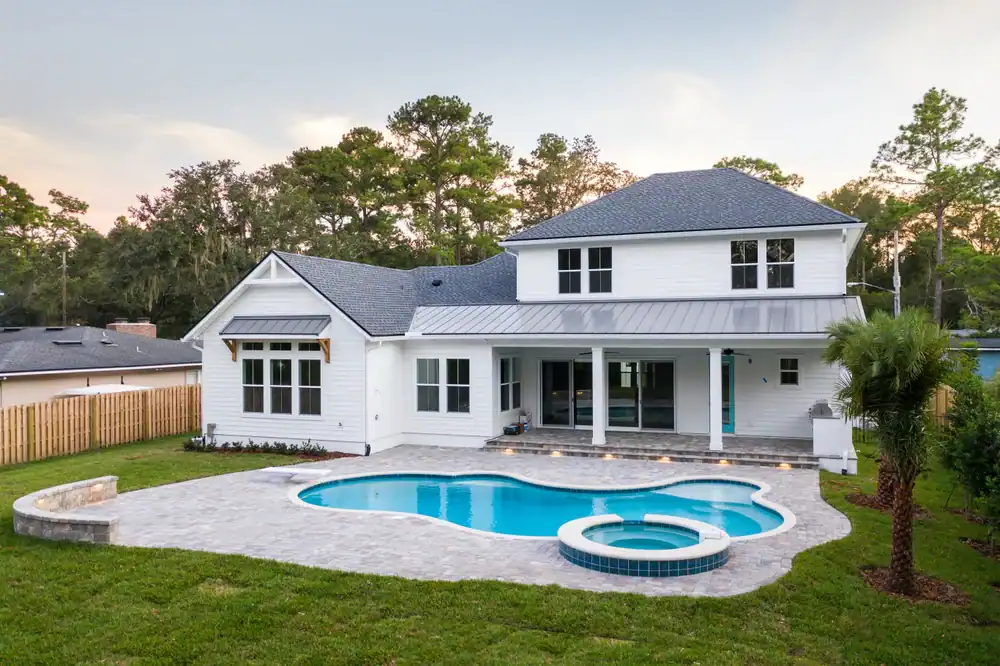
First, we meet at your property to talk through what you want and what’s actually possible given your lot size, soil conditions, and local regulations. We’re not selling you a dream that can’t get permitted—we’re designing something that works.
Once the design is set, we handle all permit applications with the Town of Huntington or your village building department. You don’t have to figure out what forms to file or which inspections are required. We manage that process and keep you updated on approvals.
Excavation comes next. Long Island soil varies—sandy areas that shift, clay that doesn’t drain, occasional rock. We’ve dealt with all of it and plan accordingly so your timeline doesn’t get derailed by something we should have anticipated.
After excavation, we install plumbing and electrical, then move into pool construction. Whether it’s gunite, fiberglass, or vinyl liner, the structure goes in with proper grading and drainage. Finally, we complete the masonry work—pool coping, patio surfaces, any retaining walls or custom tile you’ve chosen. The project ends with final inspections and a backyard that’s ready to use.
Ready to get started?
You’re getting complete design services that account for your property’s specific conditions and local requirements. That includes working drawings, permit-ready plans, and a realistic timeline based on current building department schedules in Huntington Bay and surrounding areas.
The construction itself covers excavation, all necessary plumbing and electrical installation, pool structure (gunite, fiberglass, or vinyl liner depending on your choice), and professional masonry work. Pool patio masonry in Suffolk County and Nassau County needs to handle freeze-thaw cycles and drainage issues—we’re not just pouring concrete and hoping it holds up.
Custom pool coping and tile, concrete pool surrounds, retaining walls if your property requires grading—all of that gets handled as part of the project. You’re not coordinating separate contractors for different phases. One team manages everything, which means better communication and accountability when questions come up.
We also handle the final landscaping and cleanup. When we’re done, your backyard is complete, not a construction zone waiting for someone else to finish the details.
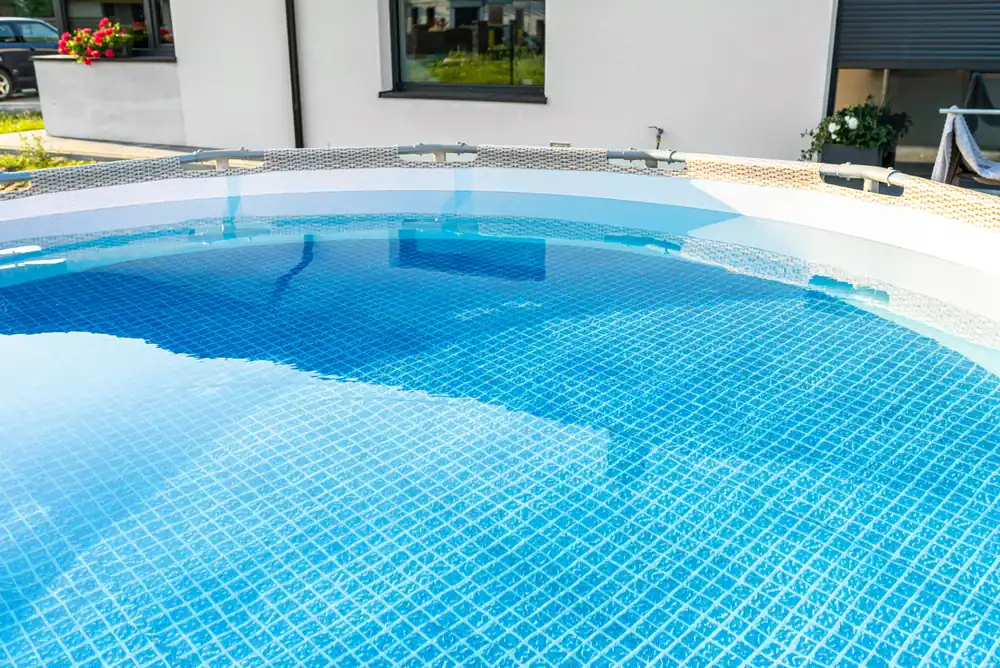
Most custom in-ground pools take six to eight weeks from excavation to final completion. That timeline assumes normal soil conditions, no major weather delays, and a straightforward permit process.
Huntington Bay properties sometimes require additional approvals depending on whether you’re in the village limits or unincorporated town area. If your property is in Huntington Bay village, permits go through village building officials, which can add a week or two to the front end of the project.
The actual construction moves faster when you’re working with one company that manages all the trades. We’re not waiting on separate contractors to show up for plumbing, then electrical, then masonry. Everything’s scheduled in sequence, and we’re accountable for keeping the project on track.
Yes. A building permit is required for any in-ground pool construction in the unincorporated areas of the Town of Huntington, and if your property is within one of Huntington’s incorporated villages—Asharoken, Huntington Bay, Lloyd Harbor, or Northport—the permit process goes through your village building officials instead.
The permit application includes site plans, construction drawings, and documentation that the pool meets setback requirements and local building codes. Some properties also need health department approval depending on lot size and septic system location.
We handle the entire permit process as part of your project. You’re not figuring out which forms to file or which departments need to sign off. We submit everything, manage the inspections, and make sure the project stays compliant from start to finish.
About 70% of pools on Long Island use gunite construction, which works well with the region’s soil conditions and gives you the most flexibility for custom shapes and features. Gunite is sprayed concrete that’s reinforced with rebar—it’s durable, handles ground movement better than other options, and lasts decades when installed correctly.
Fiberglass pools are another option. They’re manufactured off-site and dropped into the excavated hole, which speeds up installation. The trade-off is less design flexibility—you’re choosing from pre-made shapes and sizes.
Vinyl liner pools with steel or polymer walls are the most budget-friendly option. The liner needs replacement every 7-10 years, but the upfront cost is lower. We’ll walk you through all three options based on your budget, timeline, and what makes sense for your specific property in Suffolk County or Nassau County.
Pool patio masonry typically runs between $15 and $40 per square foot depending on the material you choose and the complexity of the layout. Basic concrete is the most affordable option. Stamped or decorative concrete costs more but gives you texture and color options that look higher-end.
Natural stone, pavers, or custom tile work will push costs toward the upper end of that range. The investment makes sense if you’re planning to stay in the home long-term or if you’re building a complete outdoor living space that includes seating areas, fire pits, or outdoor kitchens.
In Nassau County and Suffolk County, your patio also needs proper drainage and a base that won’t shift or settle over time. Cheap installations crack within a few years because the base wasn’t prepared correctly. We’re building something that lasts, which means doing the subsurface work right even though you’ll never see it.
Yes, and in many cases it’s necessary. Long Island properties aren’t always flat, and if your yard has any slope, you’ll need retaining walls or grading work to create a level area for the pool and surrounding patio.
Retaining walls also help with drainage. You don’t want water running toward your pool or collecting around the foundation of your home. Proper grading directs water away from structures and prevents erosion that can undermine your pool or patio over time.
We handle retaining walls and grading as part of the overall project. It’s not an add-on you have to coordinate separately—it’s built into the plan from the beginning. That way everything’s designed together, and you’re not dealing with drainage problems after the pool is already installed.
It happens, especially in certain parts of Suffolk County and Nassau County where soil conditions vary. Sometimes you hit rock or boulders that need to be broken up and removed. Other times you find unstable soil or clay that doesn’t drain properly.
We plan for these scenarios instead of treating them as surprises. Our estimates account for potential excavation challenges, and we have the equipment to handle rock removal or soil replacement without derailing your timeline.
If we do encounter something unexpected, we’ll walk you through what needs to happen and why. You’re not getting a surprise bill with no explanation—you’re getting a clear breakdown of the issue and the most cost-effective way to solve it so your project stays on track.
Other Services we provide in Huntington Bay